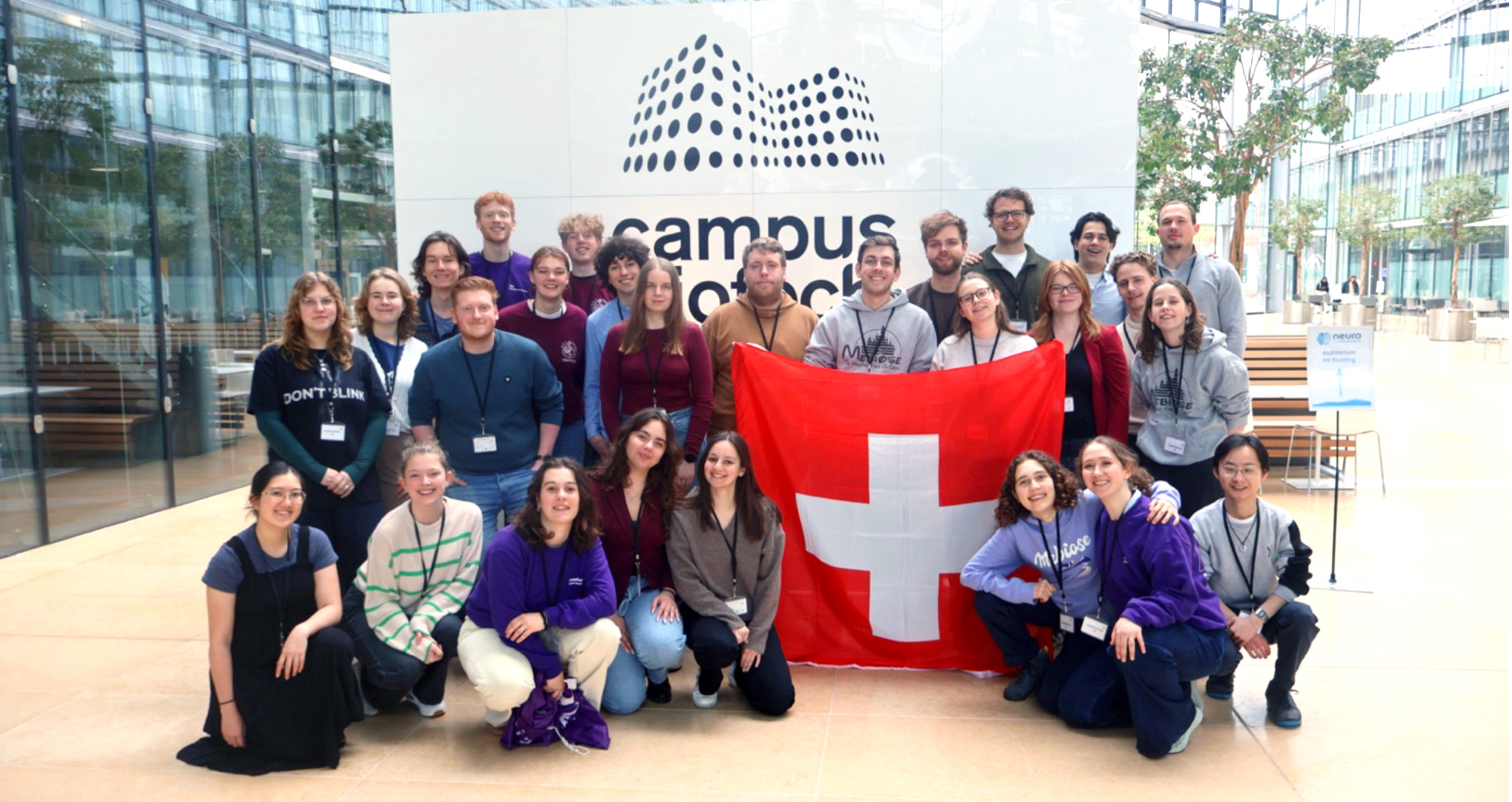
On April 15, 2026, the CIBM PCI HUG-UNIGE section had the pleasure of welcoming approximately 30 students from Utrecht University, enrolled in the Bachelor’s programme in Biomedical Sciences and the Master’s programmes of the Graduate School of Life Sciences, as part of their “Foreign Excursion Geneva 2026” program focused on Neuroscience and Innovation.
This visit was integrated into a week-long academic excursion designed to expose students to leading biomedical research environments across Geneva, including the University of Geneva, HUG, and international research institutions.
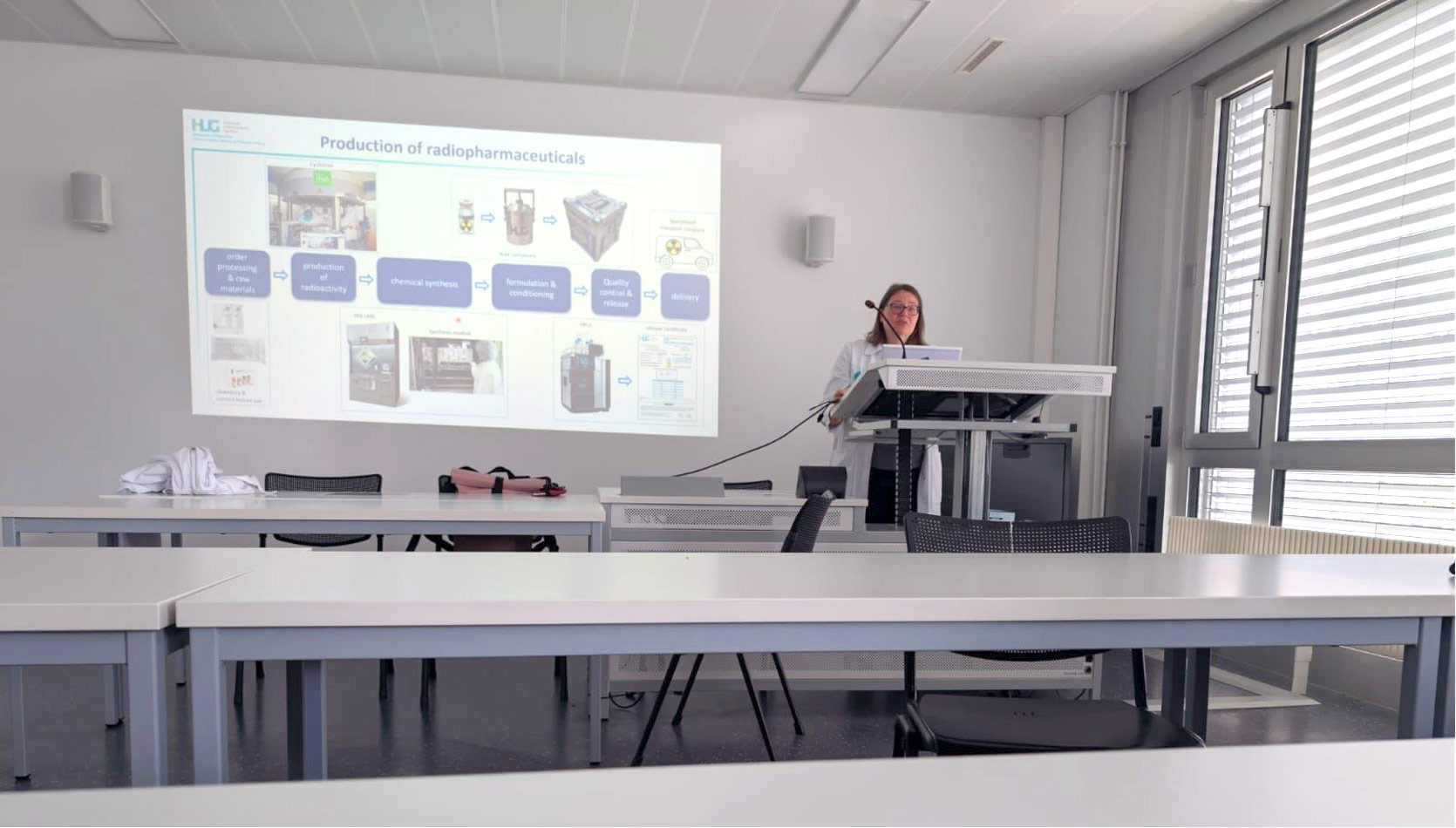
The session featured introductory talks by Olivia Bejuy (CIBM PCI HUG-UNIGE) and Dr. Andrea Grotzky (HUG, Nuclear Medicine and Molecular Imaging), providing an overview of preclinical and clinical molecular imaging, as well as the development and application of radiopharmaceuticals in research and patient care.
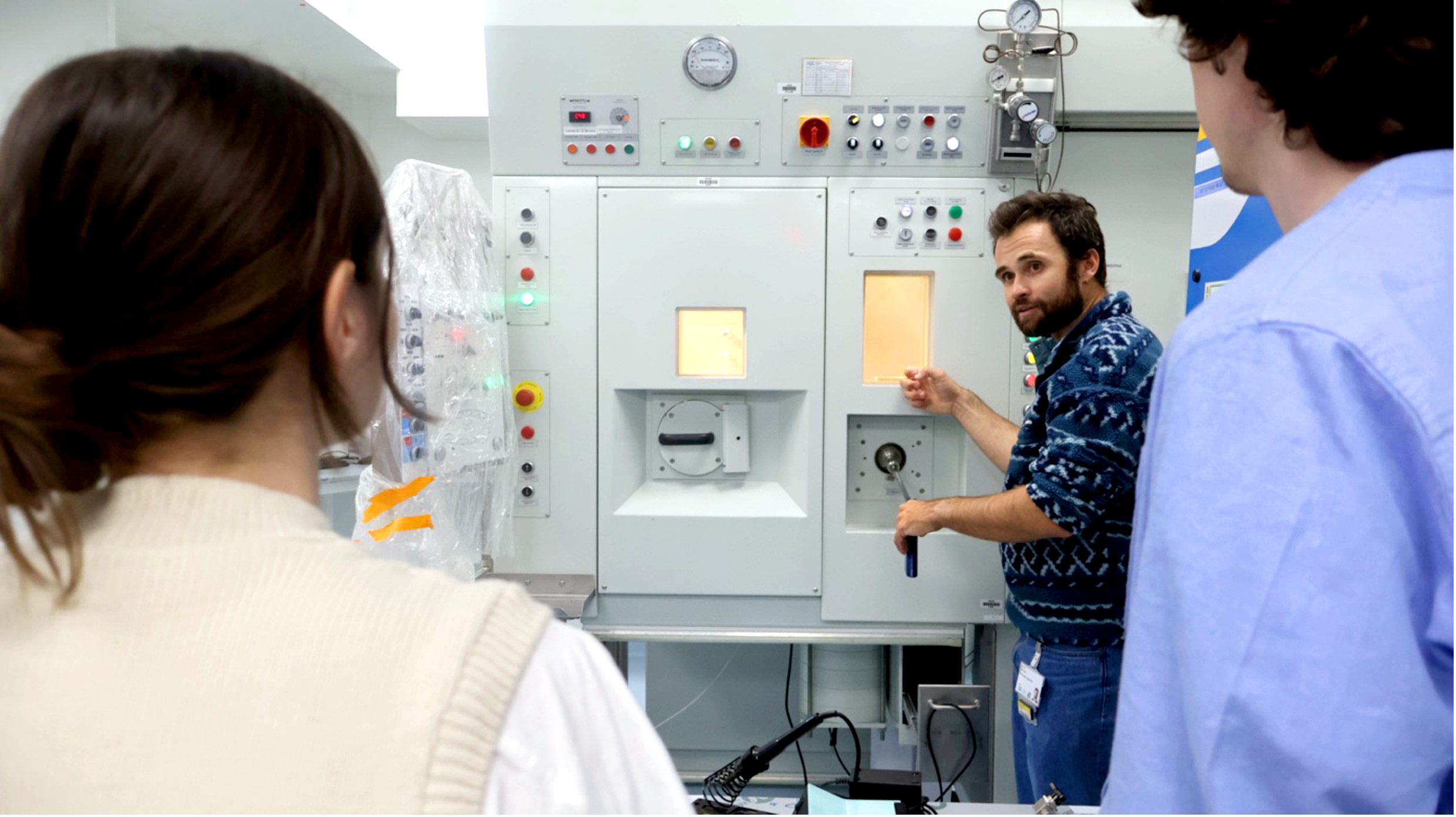
The students then took part in guided visits across multiple facilities. The cyclotron unit was introduced by Dr. Valentin Bonvin (HUG, Nuclear Medicine and Molecular Imaging), offering insight into the production of radiopharmaceuticals. The CIBM PCI HUG-UNIGE and PIPPA facility were presented by Olivia Bejuy, highlighting preclinical imaging technologies and their translational applications. Finally, the HUG Nuclear Medicine and Molecular Imaging division was presented by Stéphane Dewarrat, illustrating the clinical implementation of these technologies. This immersive program provided a comprehensive overview of the full translational pipeline, from radiotracer production to preclinical validation and clinical application.
The visit received very positive feedback from the students, who particularly appreciated the clarity and quality of the presentations, the accessibility and openness of the speakers, and the opportunity to explore state-of-the-art facilities. They highlighted the relevance of the scientific content, well adapted to their level, as well as the insightful discussions on both research perspectives and the realities of scientific work. The collaborative environment and the discovery of preclinical imaging systems, especially small-animal scanners, were also noted as particularly impressive and inspiring, offering a valuable perspective on translational research.
The guided tours were also highly appreciated, providing hands-on exposure to imaging technologies, data analysis approaches aimed at optimizing acquisition efficiency, and the infrastructure required for radiotracer production. The cyclotron visit, in particular, was described as both impressive and insightful, offering a rare glimpse into the early stages of radiopharmaceutical development.
Overall, students reported a strong sense of admiration for both the scientific work and the complex logistical and operational framework supporting such research infrastructures.
We warmly thank all contributors for their involvement in this visit and for sharing their expertise and enthusiasm: Dr. Andrea Grotzky, Dr. Valentin Bonvin, Stéphane Dewarrat, and all colleagues who contributed to the discussions and demonstrations.
We would also like to warmly thank the students from Utrecht University for their enthusiasm, their active participation, and the high quality of their questions. Their curiosity and scientific engagement greatly contributed to the dynamic and stimulating discussions throughout the visit, making this exchange particularly enriching for everyone involved