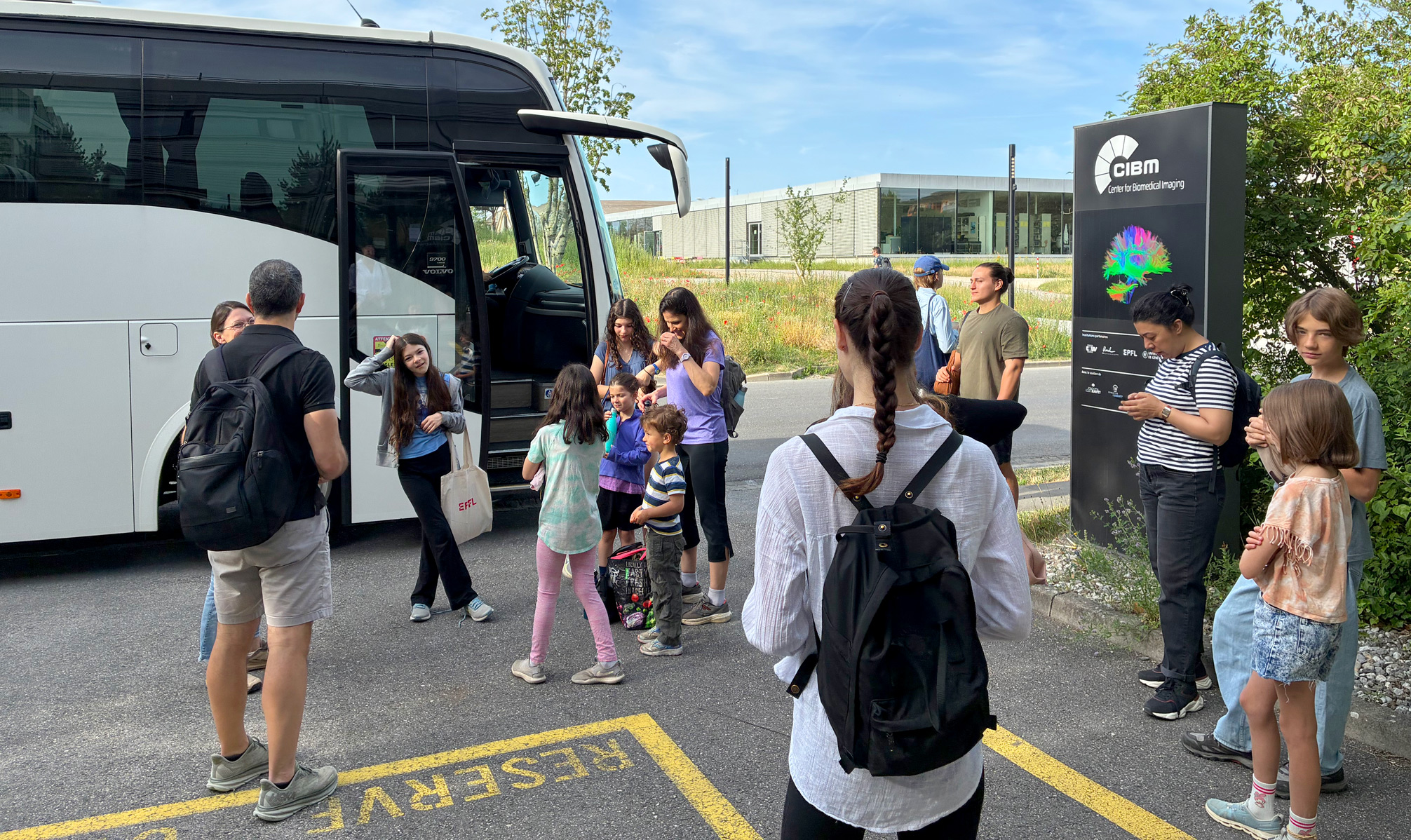
For three days in mid-June, the CIBM MRI EPFL Section and HEP Vaud hosted a SNSF Scientific Exchange on a simple question with a wide reach: how does creativity grow in children, and how do we measure it? The week began in four classrooms, ran through a chalet in the Valais Alps, and closed with a one-day symposium at EPFL.
Monday: Four schools, four worlds & video recordings
The week began with the team splitting into small groups and stepping into four very different classrooms: a traditional school in Vevey, a Forest school in Bex (Educaterre), a Montessori school (Seeds of Knowledge), and the Crissier Waldorf-Steiner school. The point was to see, not to read about but to watch creativity in action on an ordinary Monday morning and learn from school teachers and directors themselves. Each visit sparked conversations that ran through the rest of the week, between neuroscientists and educators and between the visiting team and the teachers who do this every day.
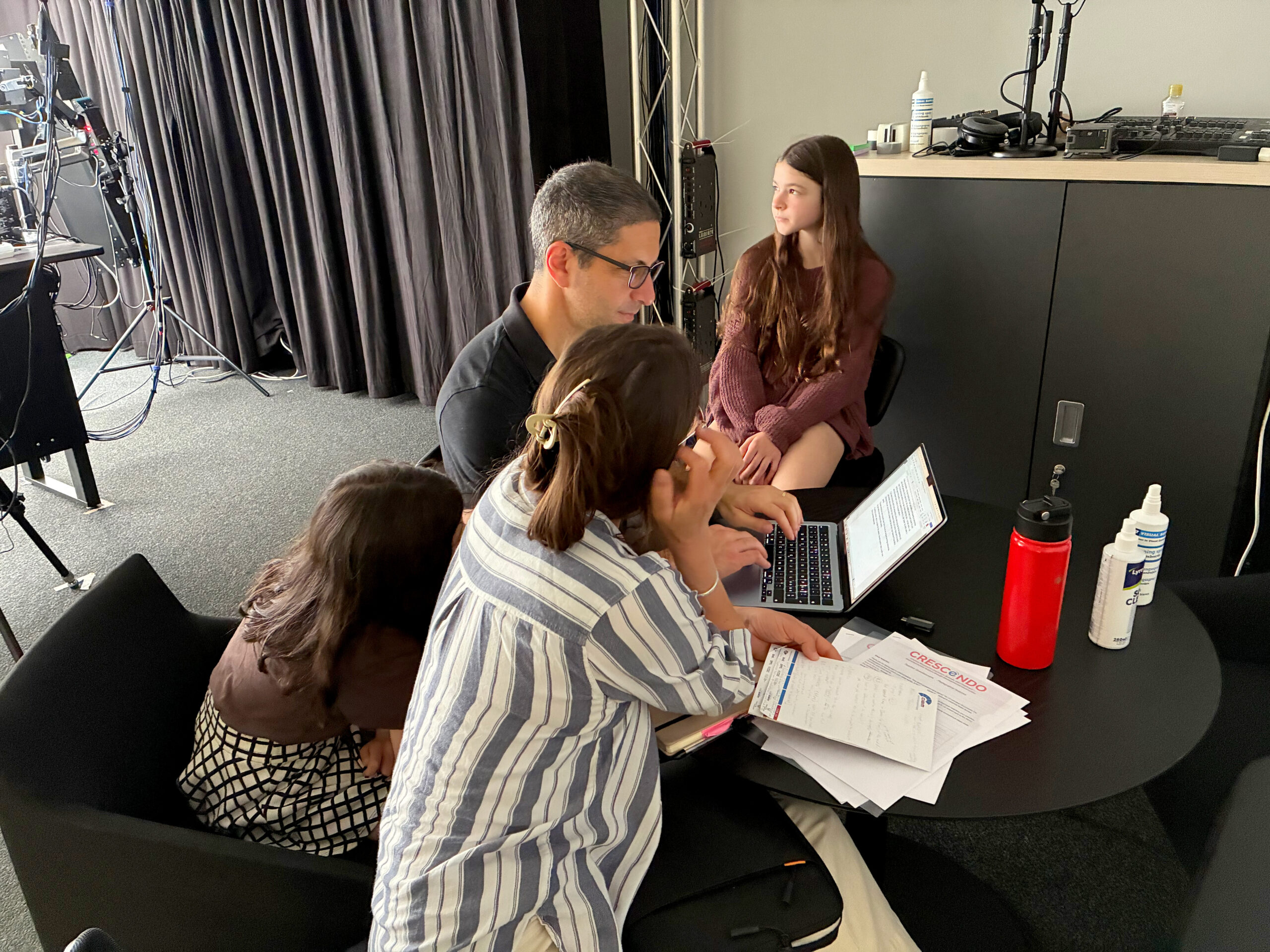
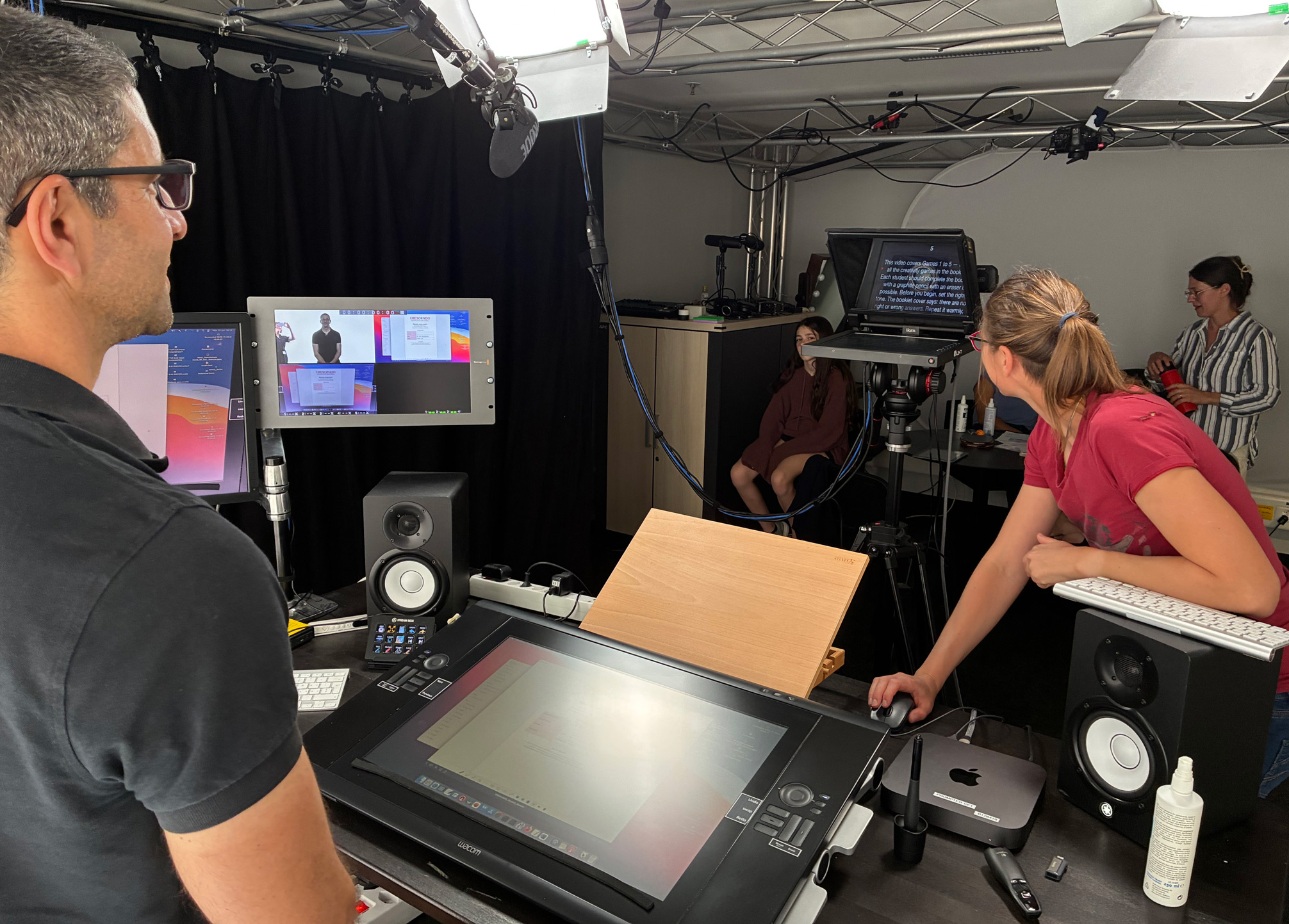
In the afternoon, we enjoyed a recording session at the CEDE (Centre de l’Education à l’Ere Digitale) at EPFL. There, we filmed some material for our coming experiments with schools with the great expertise of Magali Croci.
Tuesday: In the mountains, chez Jacques
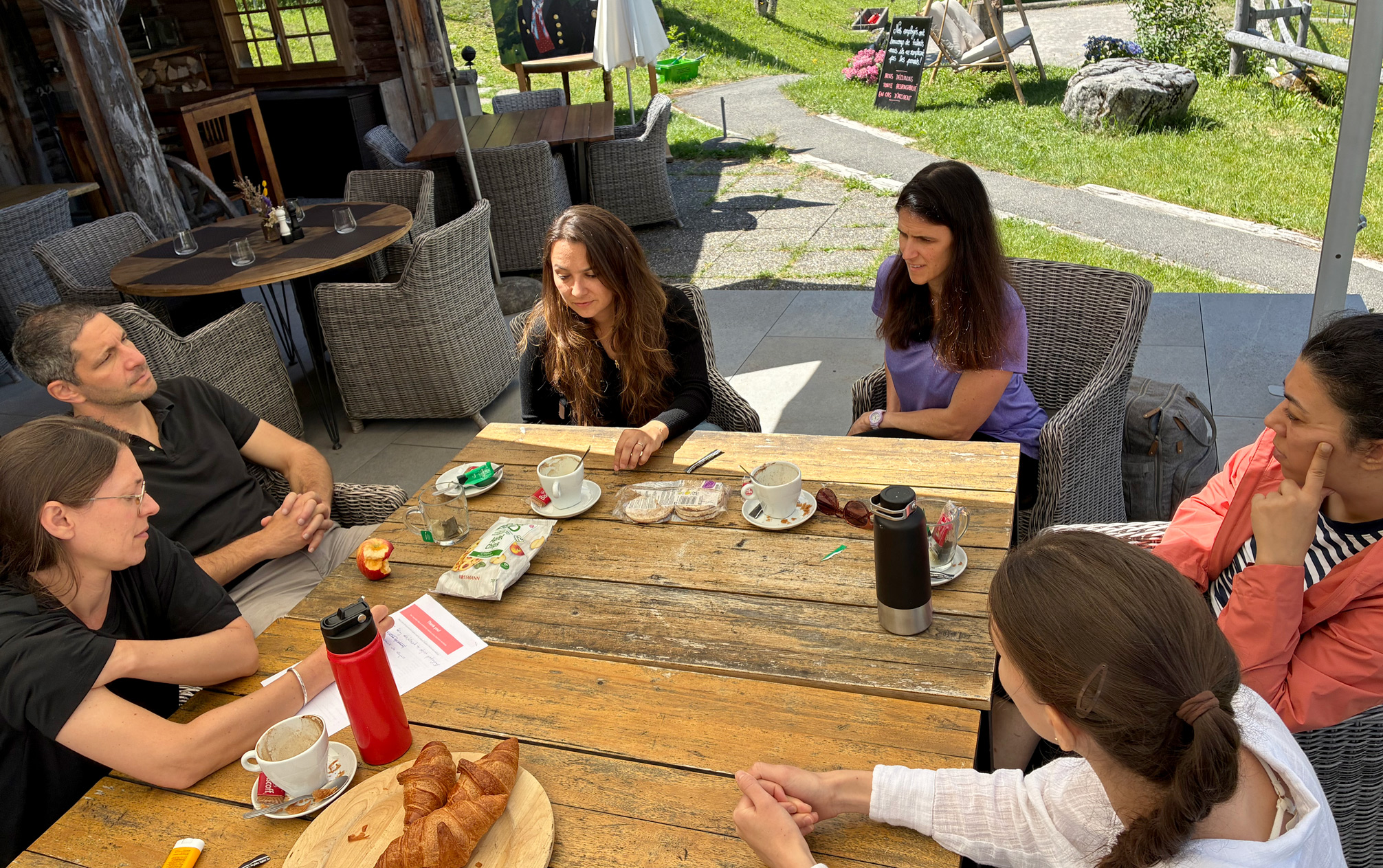
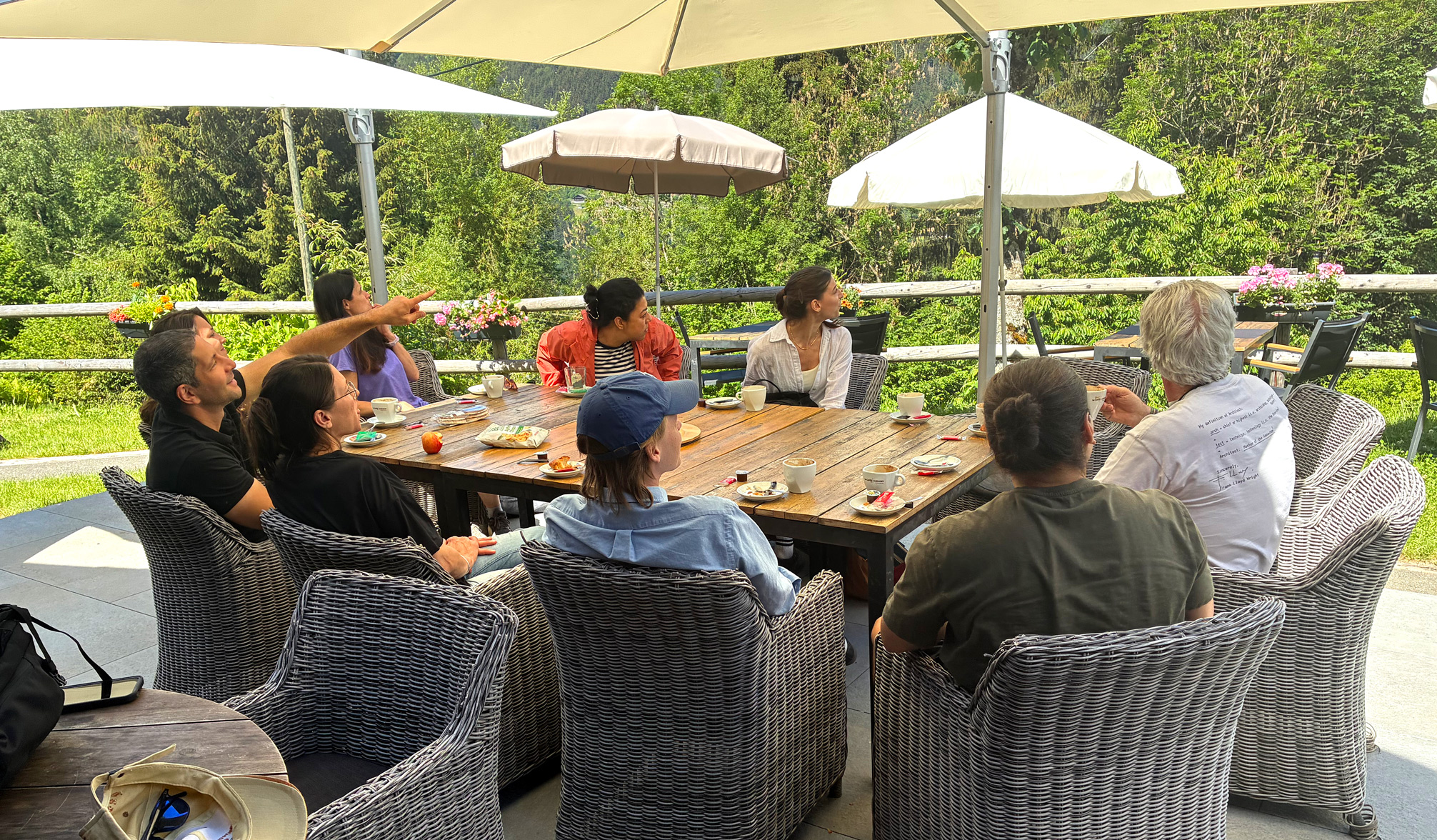
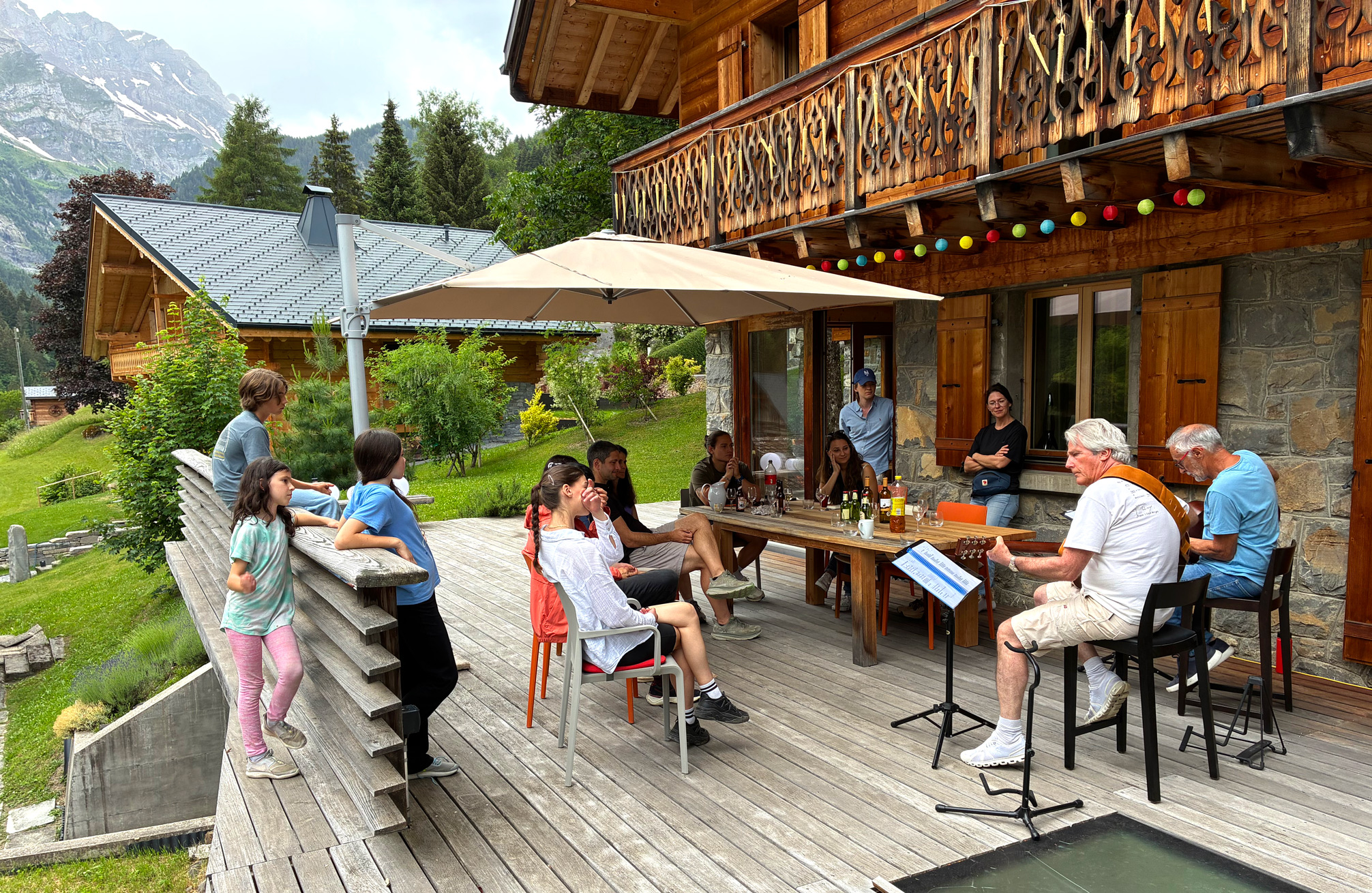
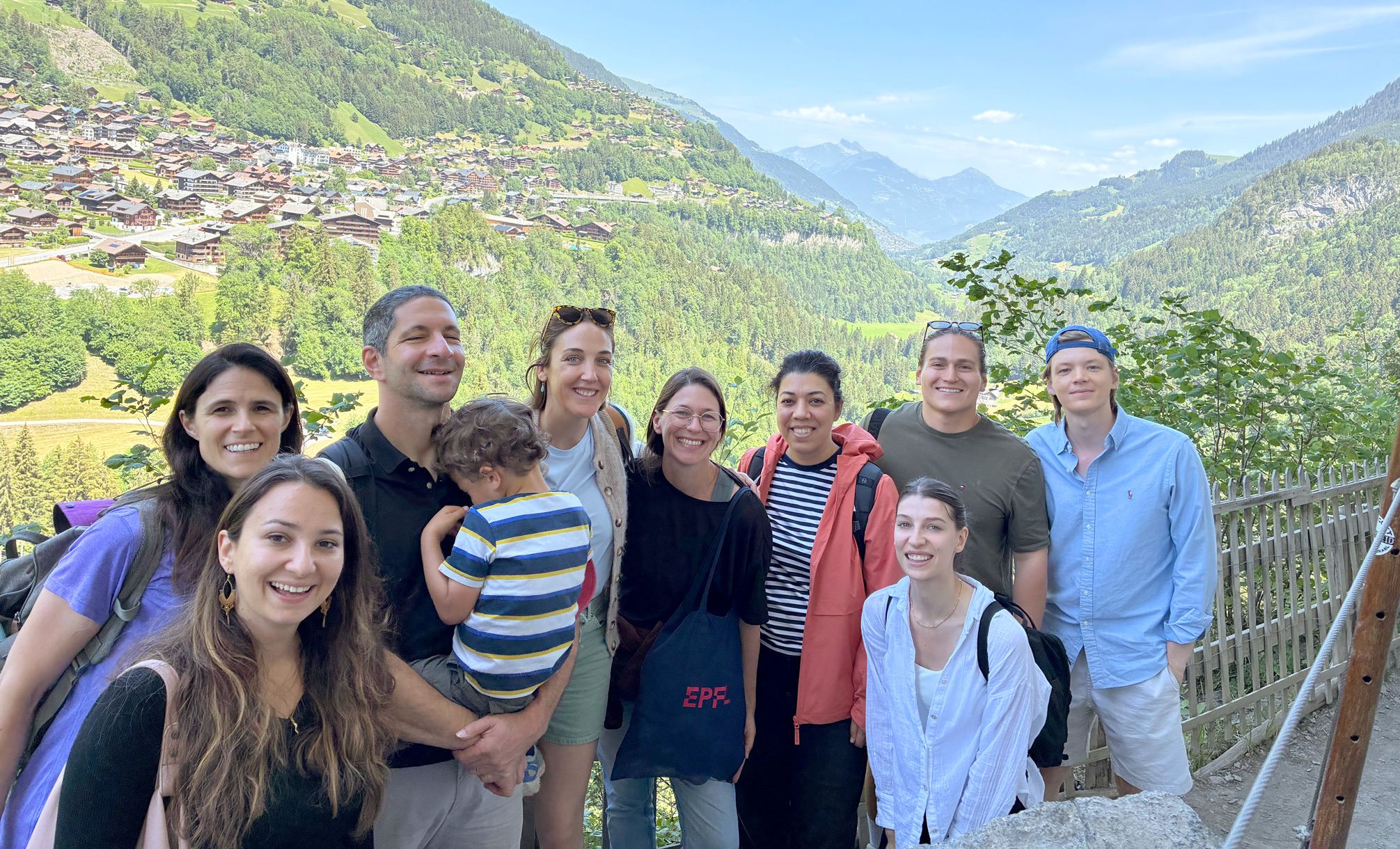
On Tuesday, the team swapped Lausanne for Champéry. A bus, a coffee at Cantine des Rives, and an epic hike along the Galerie Défago trail brought everyone to the chalet of architect Jacques Richter, a vintage-design retreat facing the Dents du Midi, a space that quietly breathes creativity.
Around a long table, with a raclette in the middle and a few rounds of live music in the air, the group spent the afternoon refining the experimental design and the measurement platform. Far from the lab, the right questions came more easily.
Wednesday: Creativity Symposium at EPFL
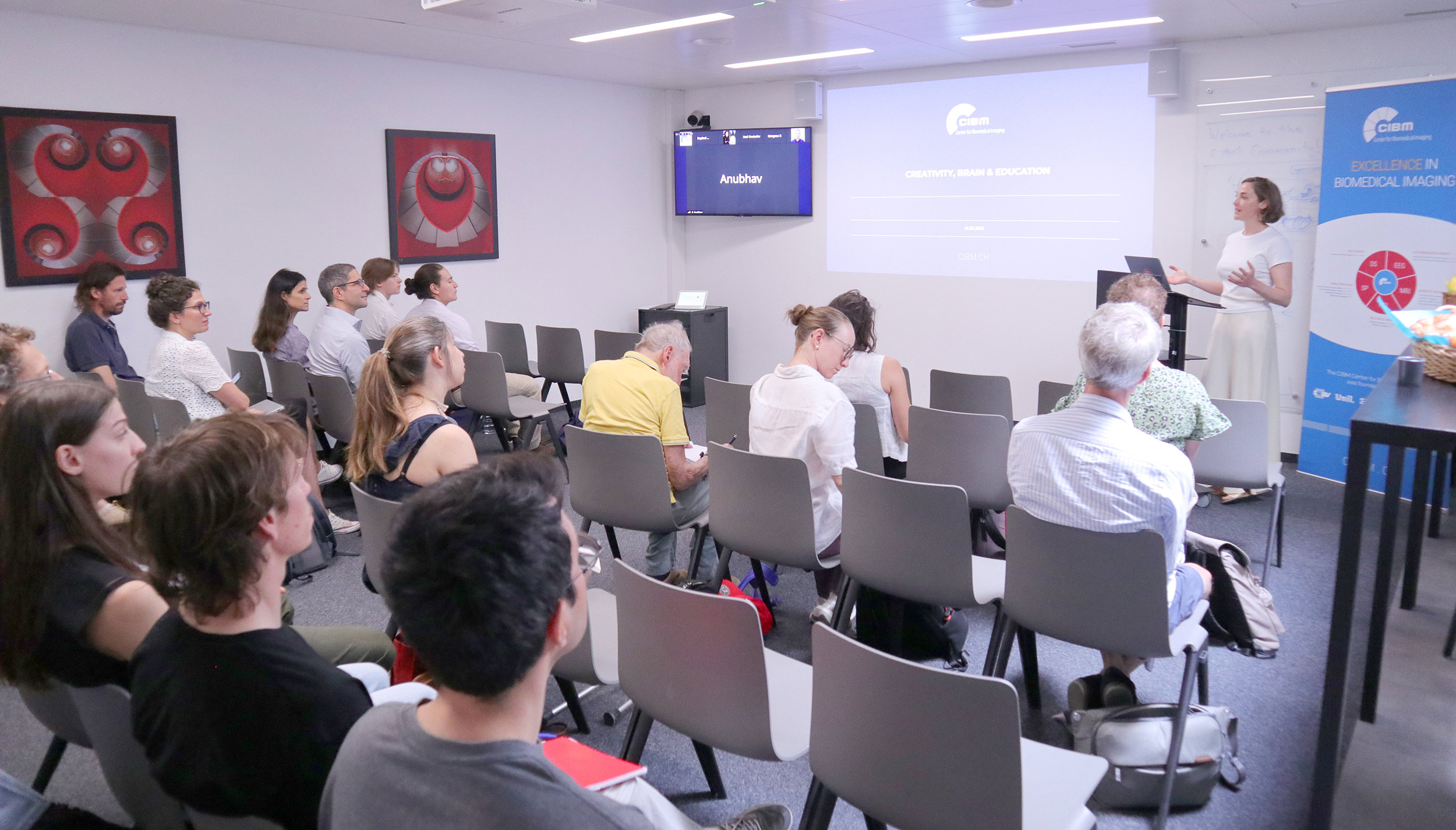
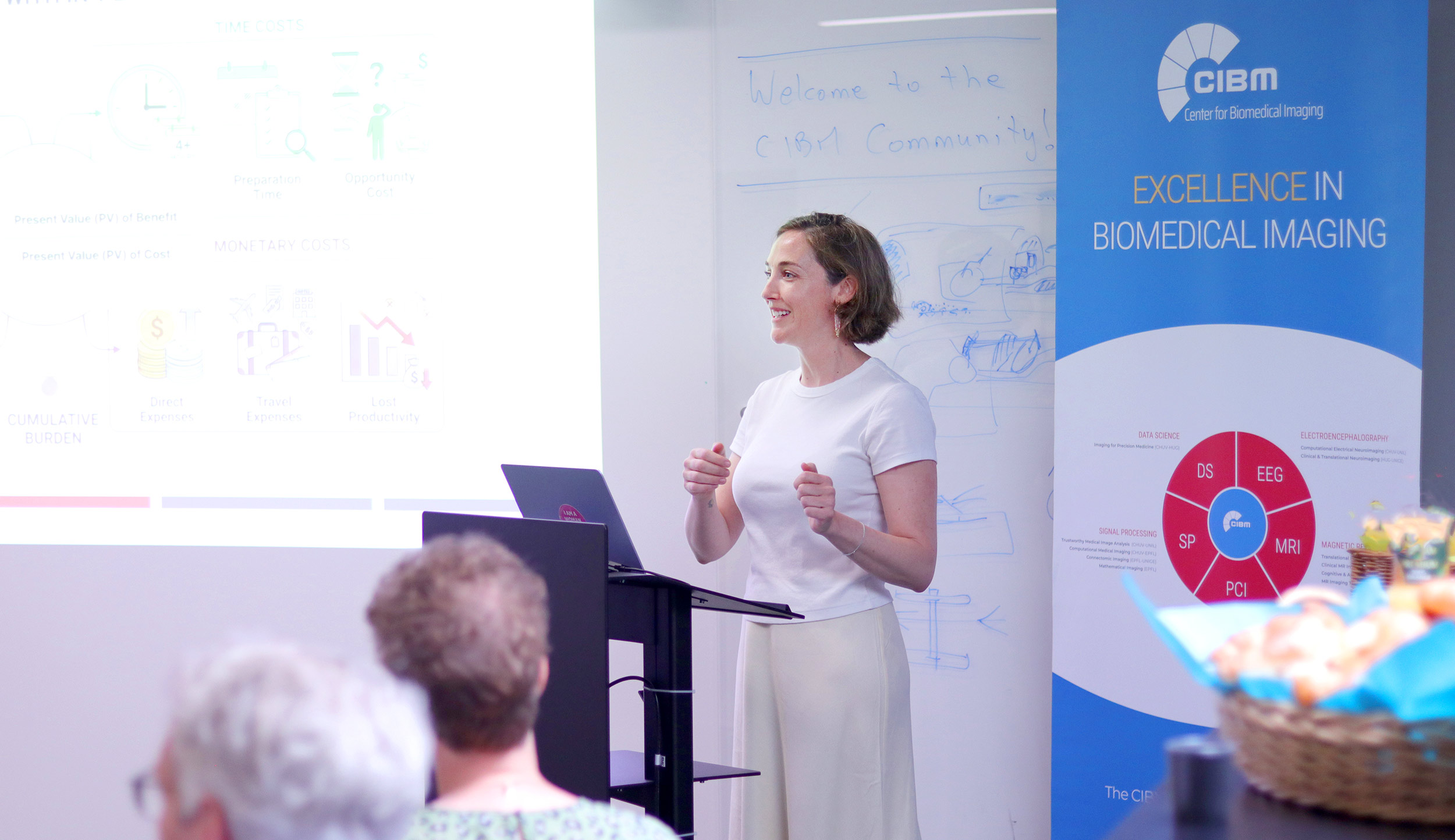
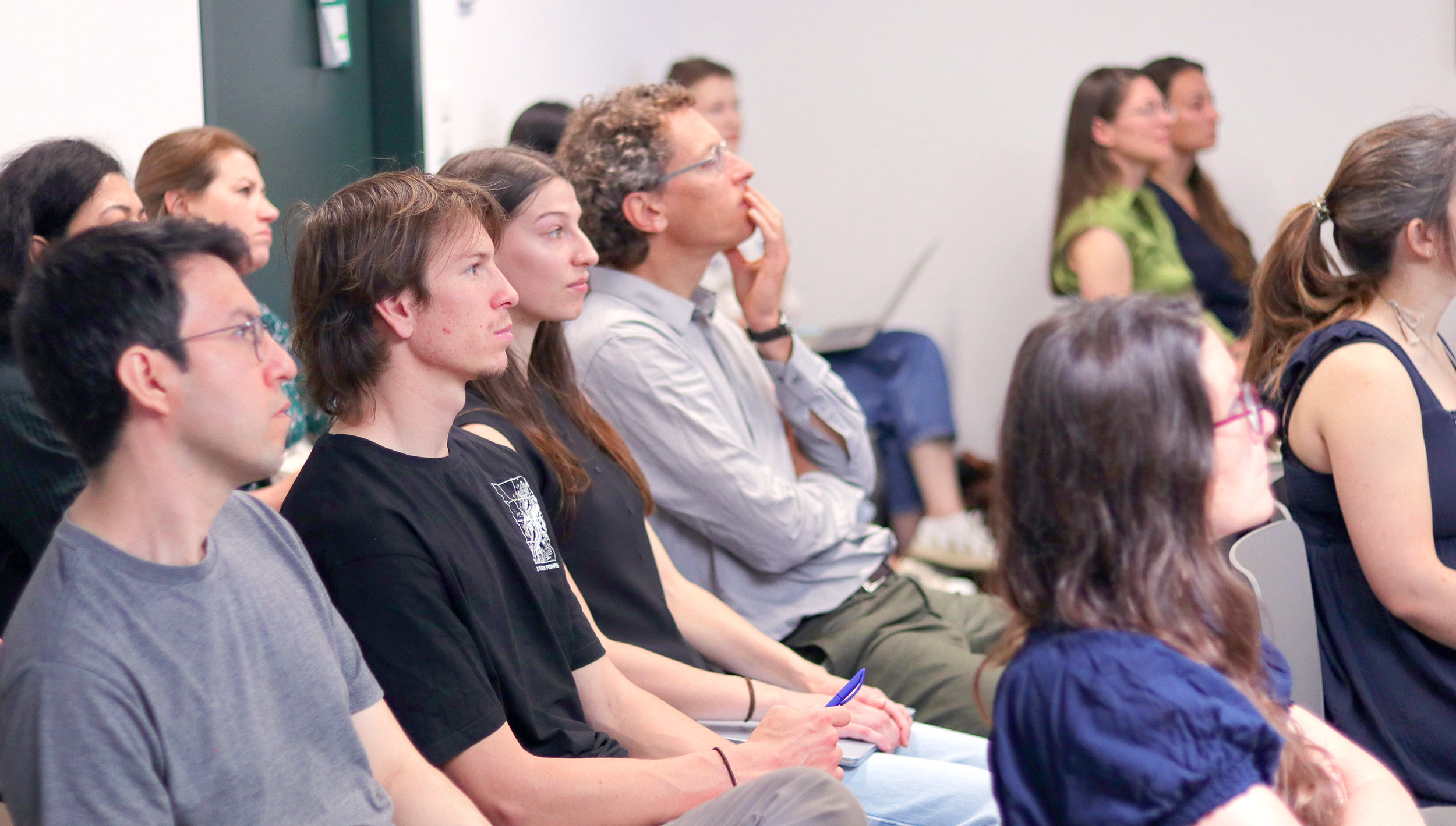
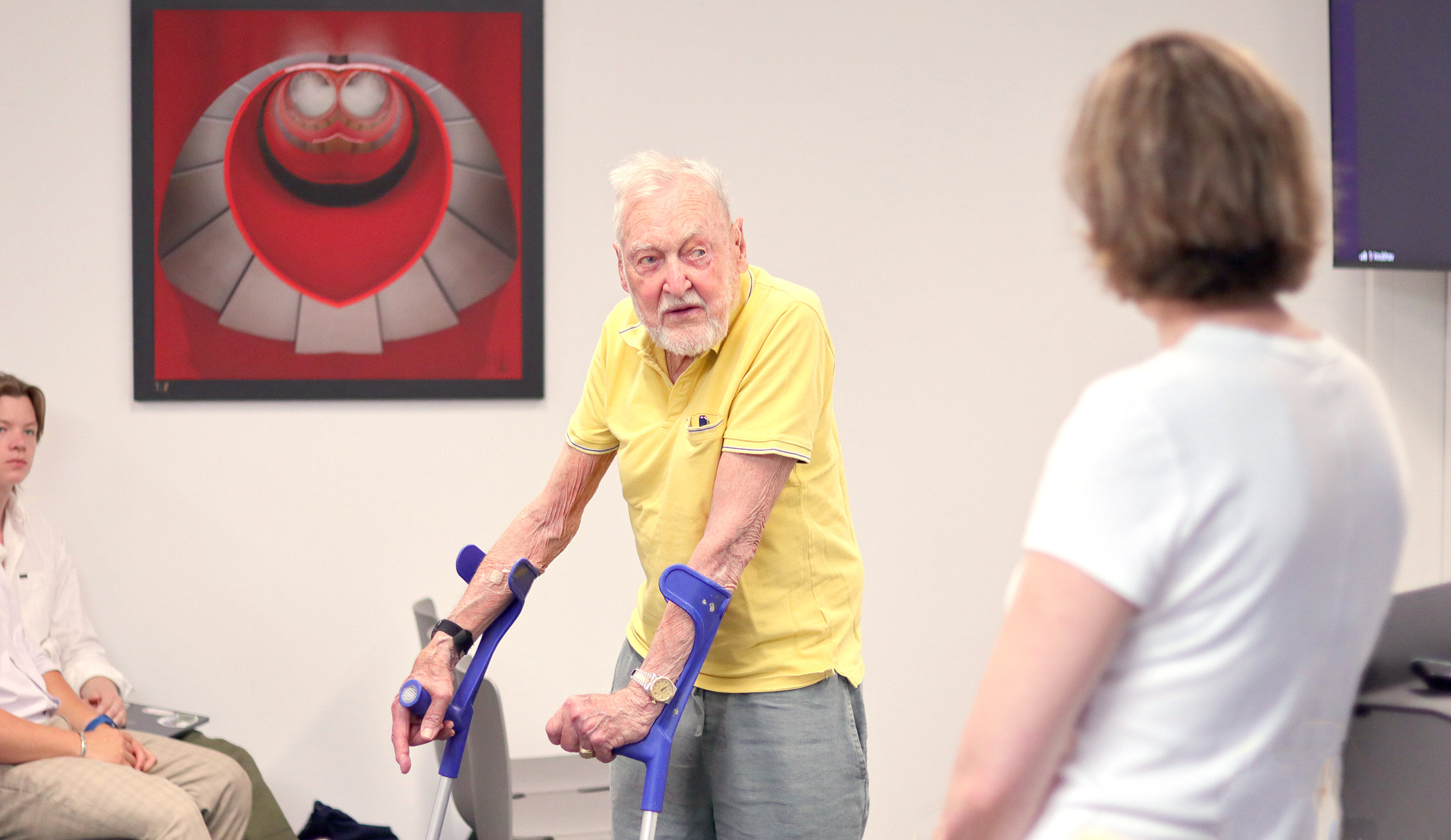
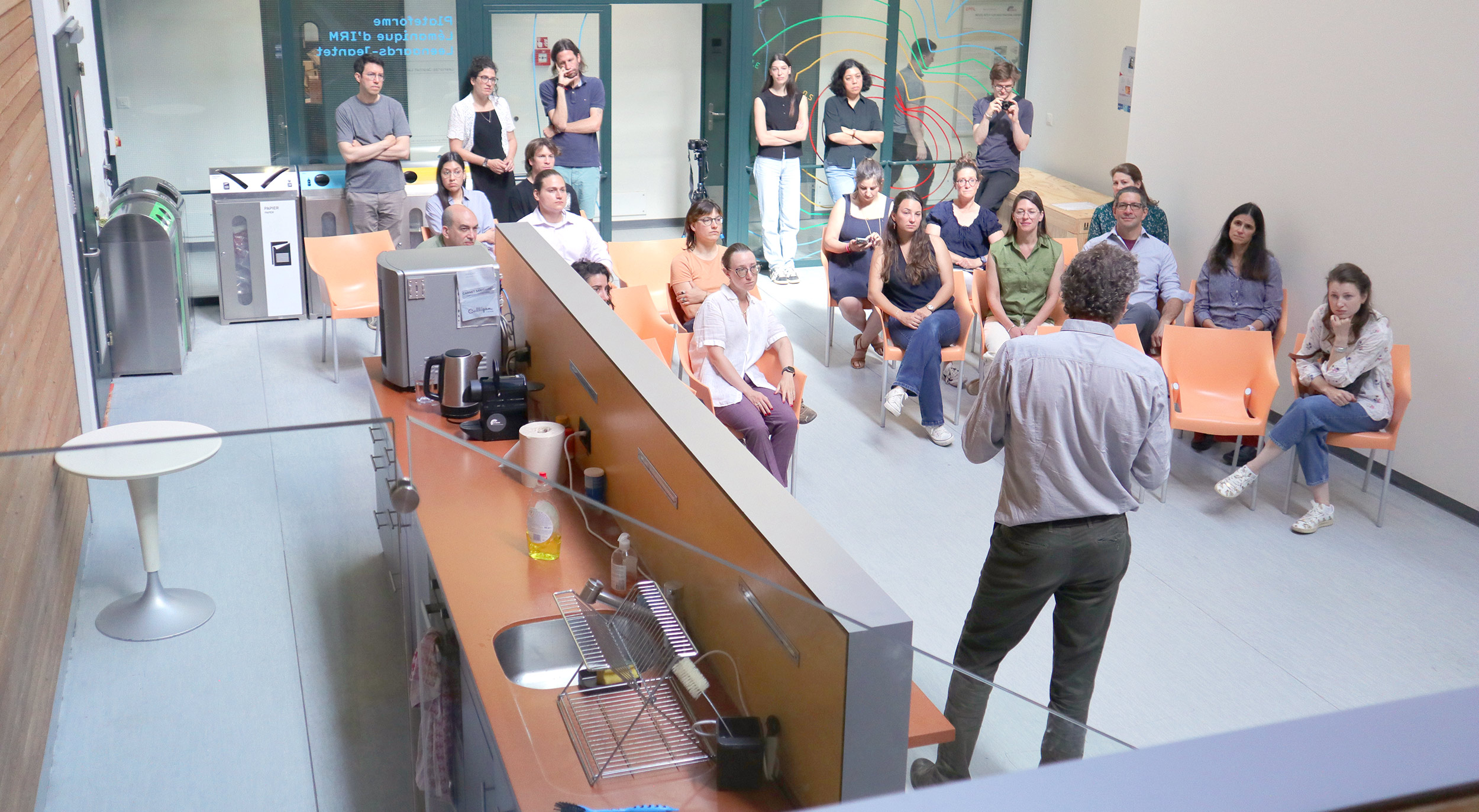
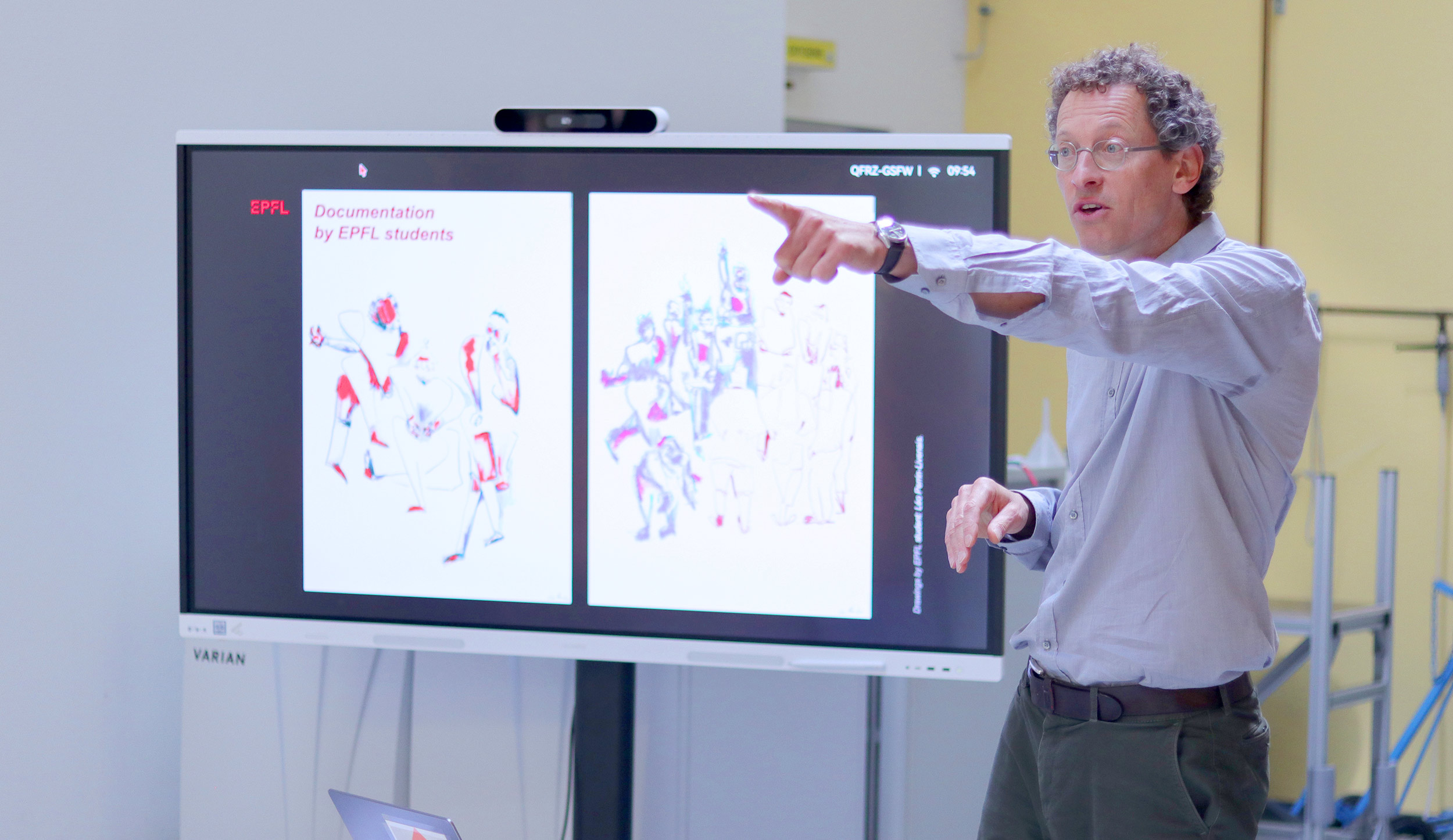
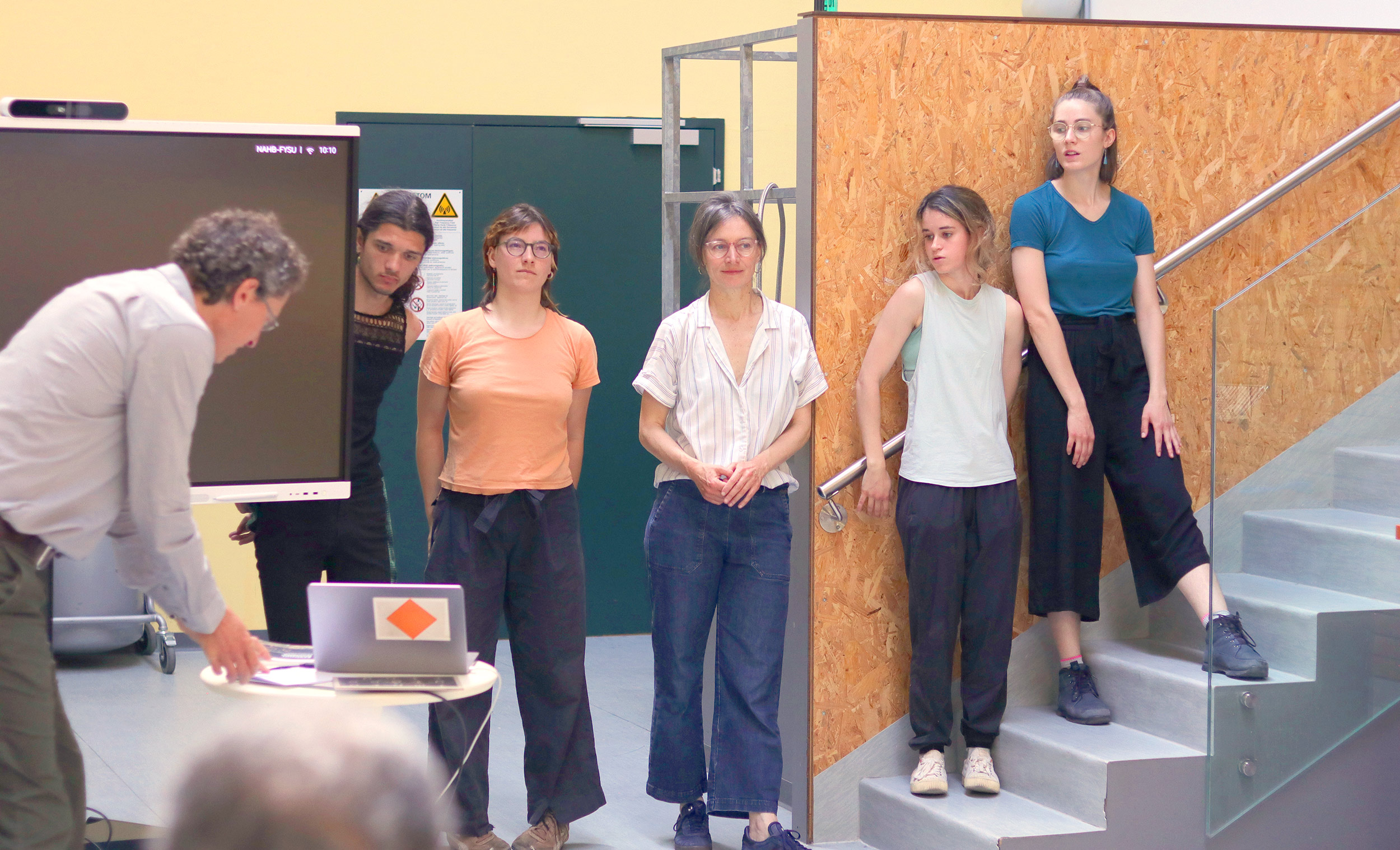
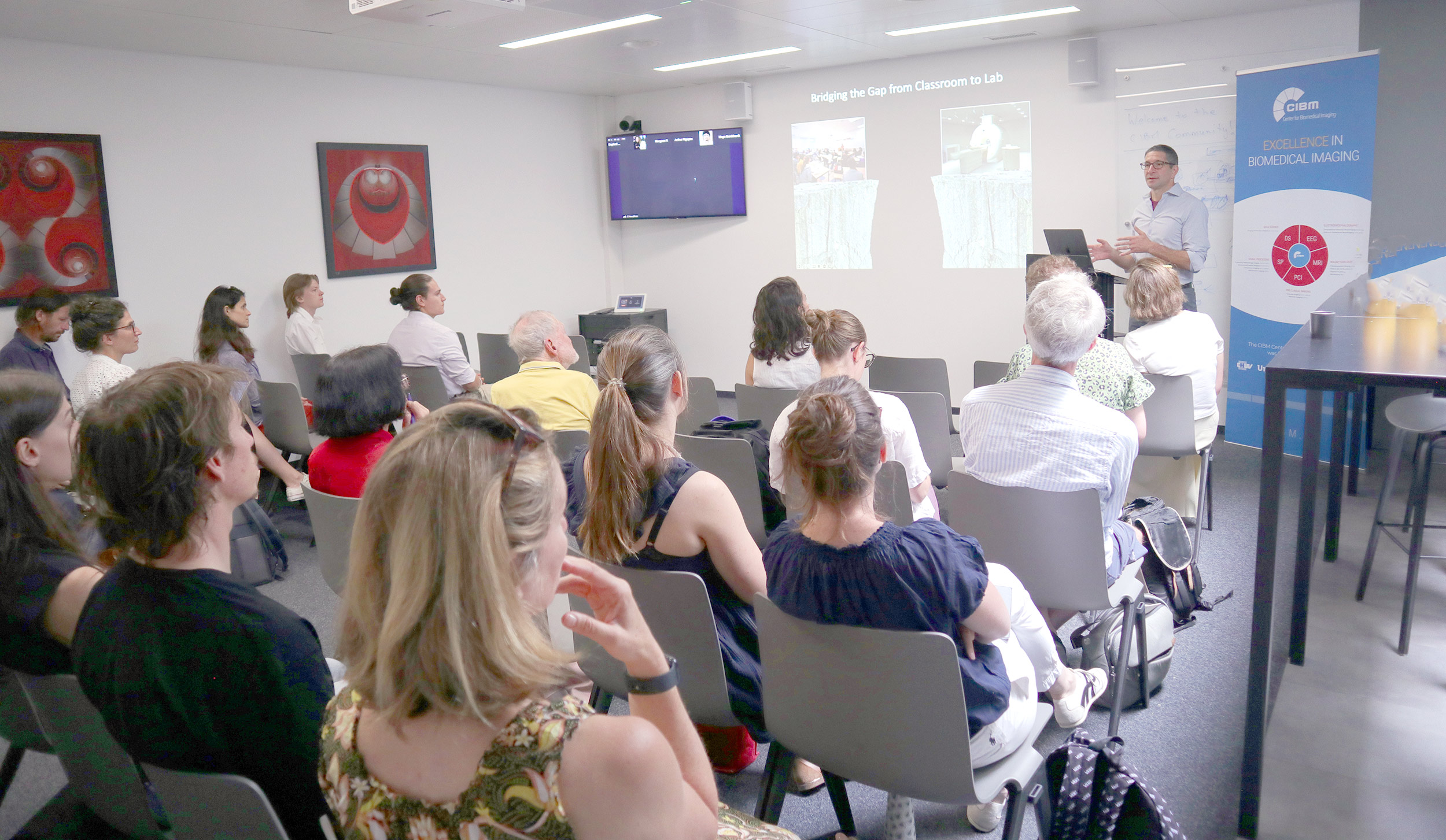
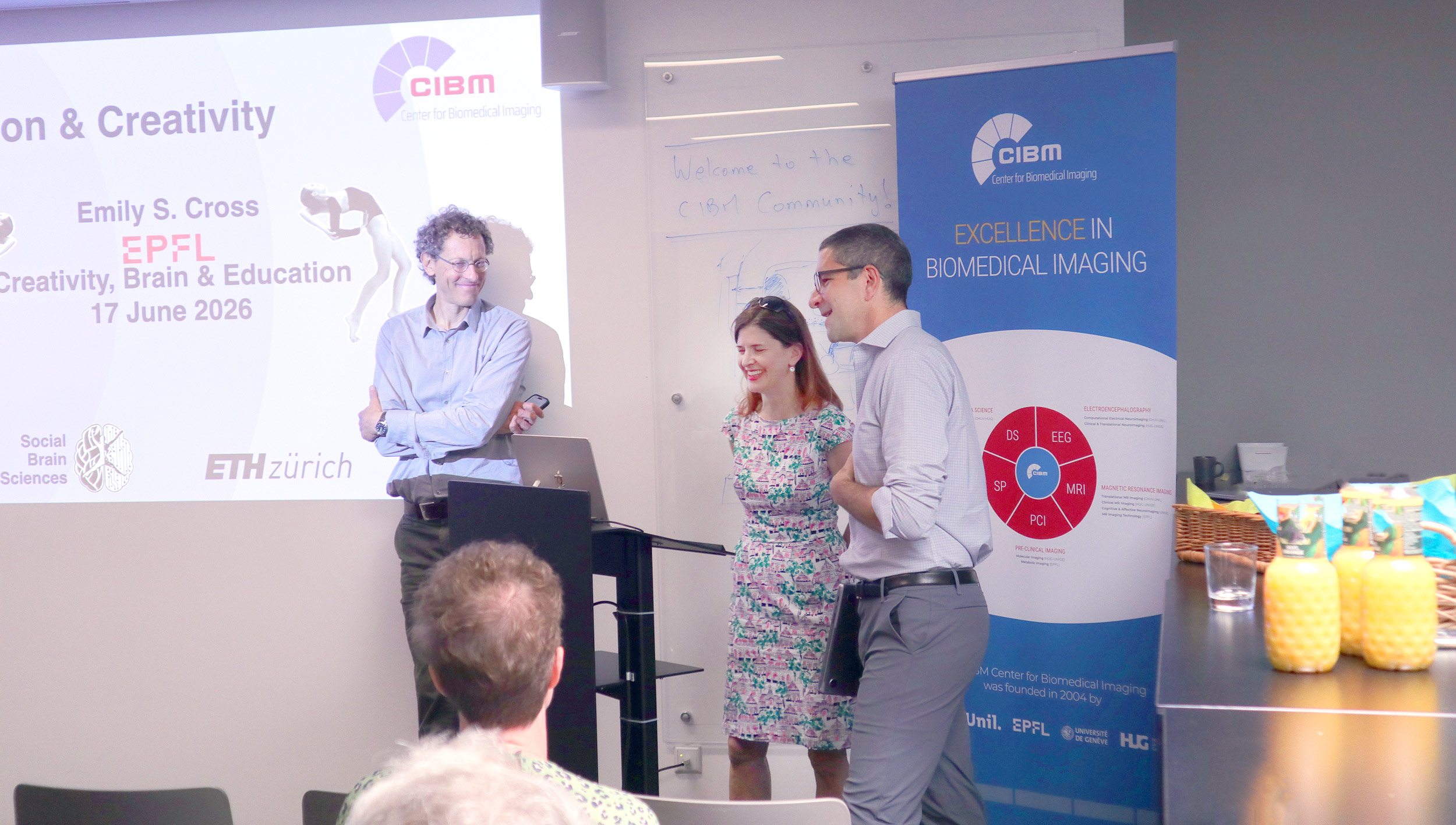
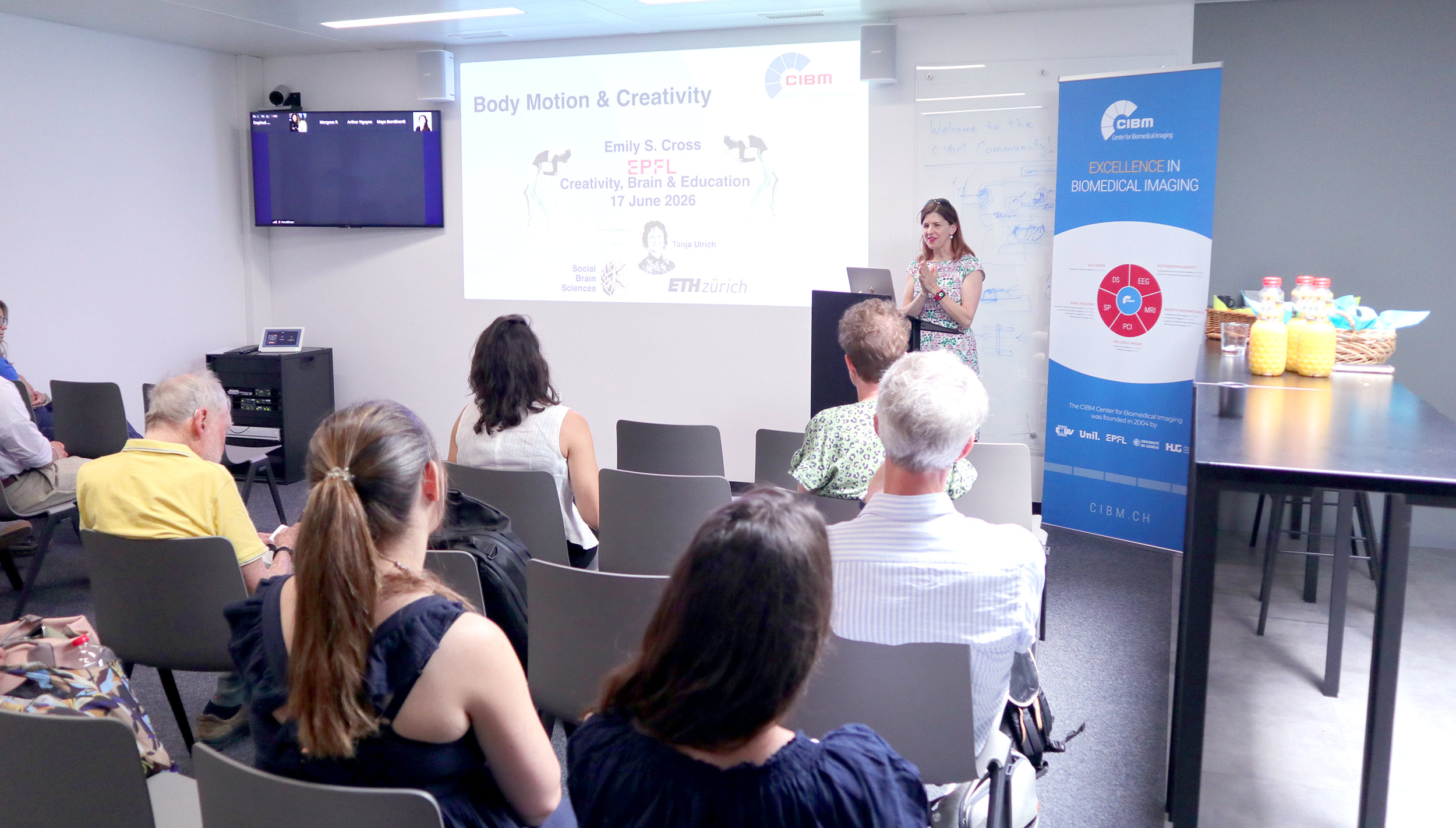
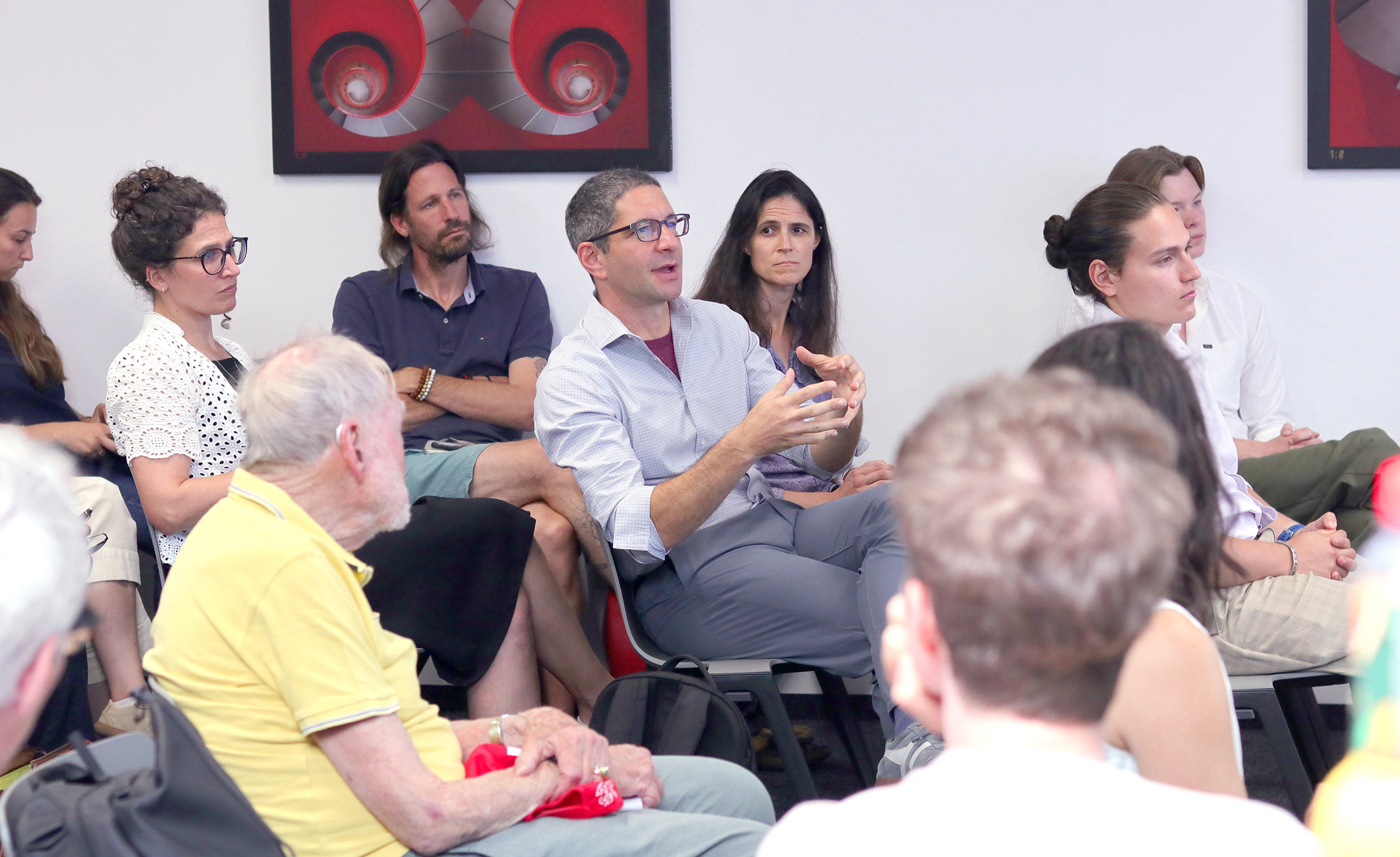
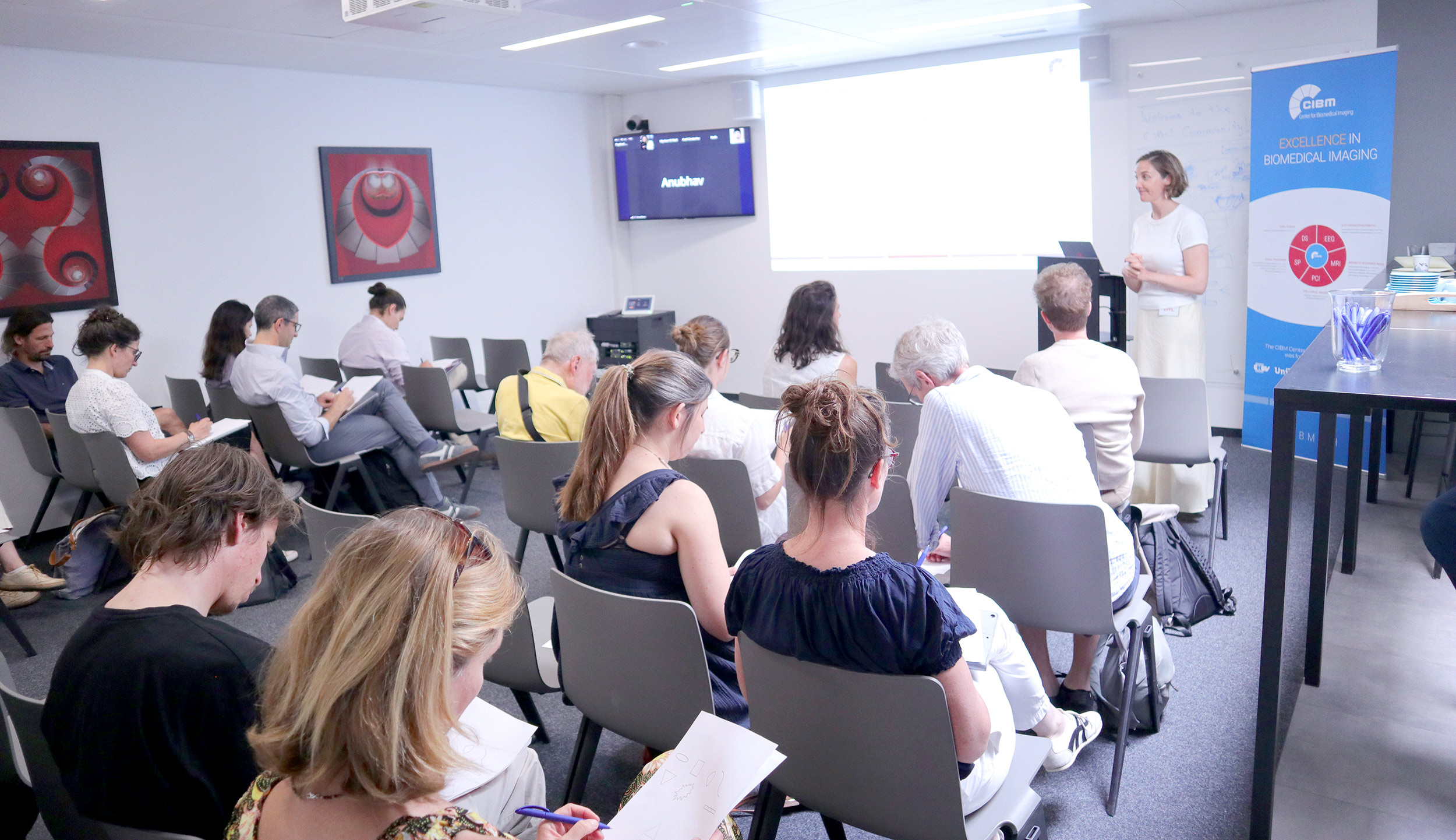
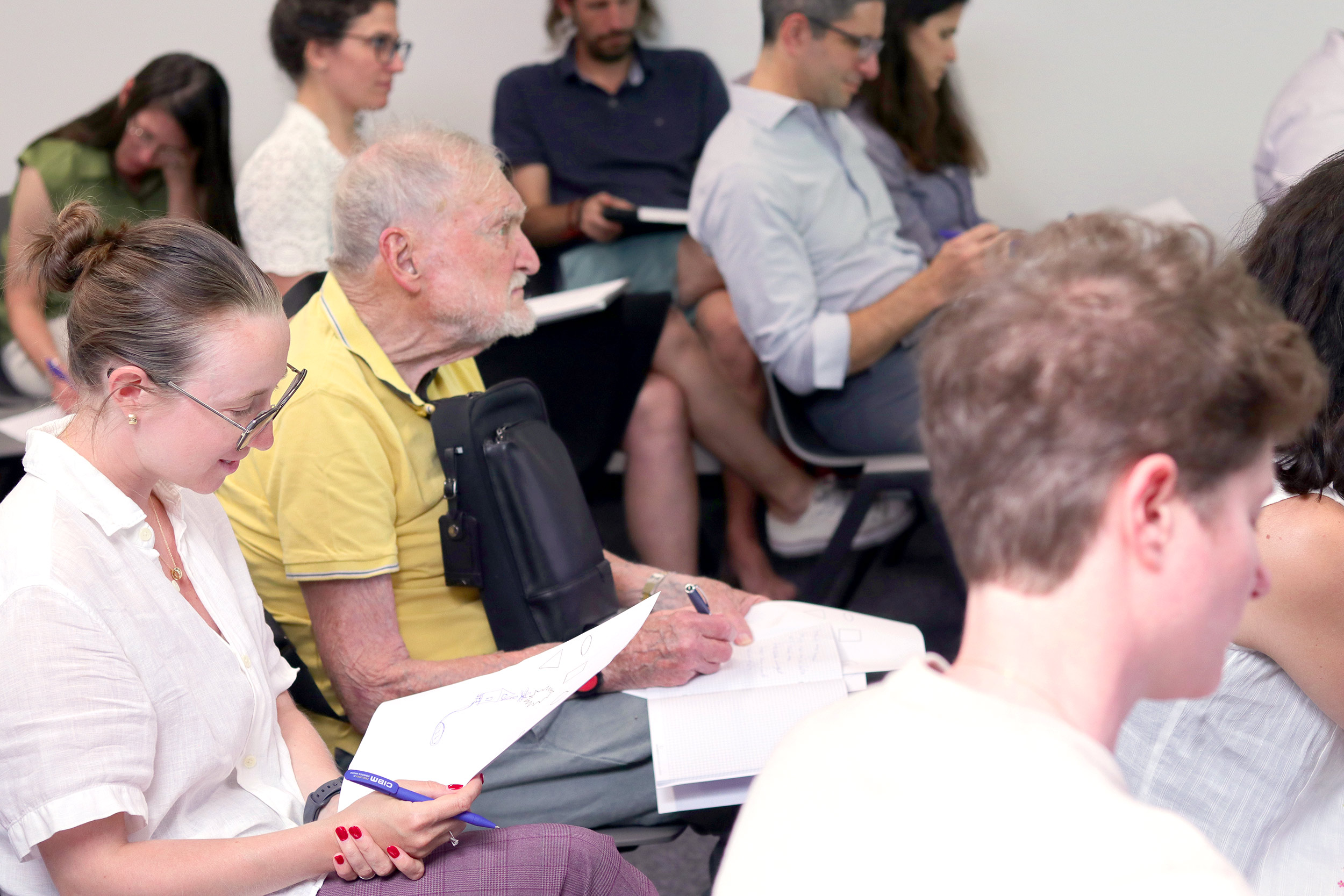
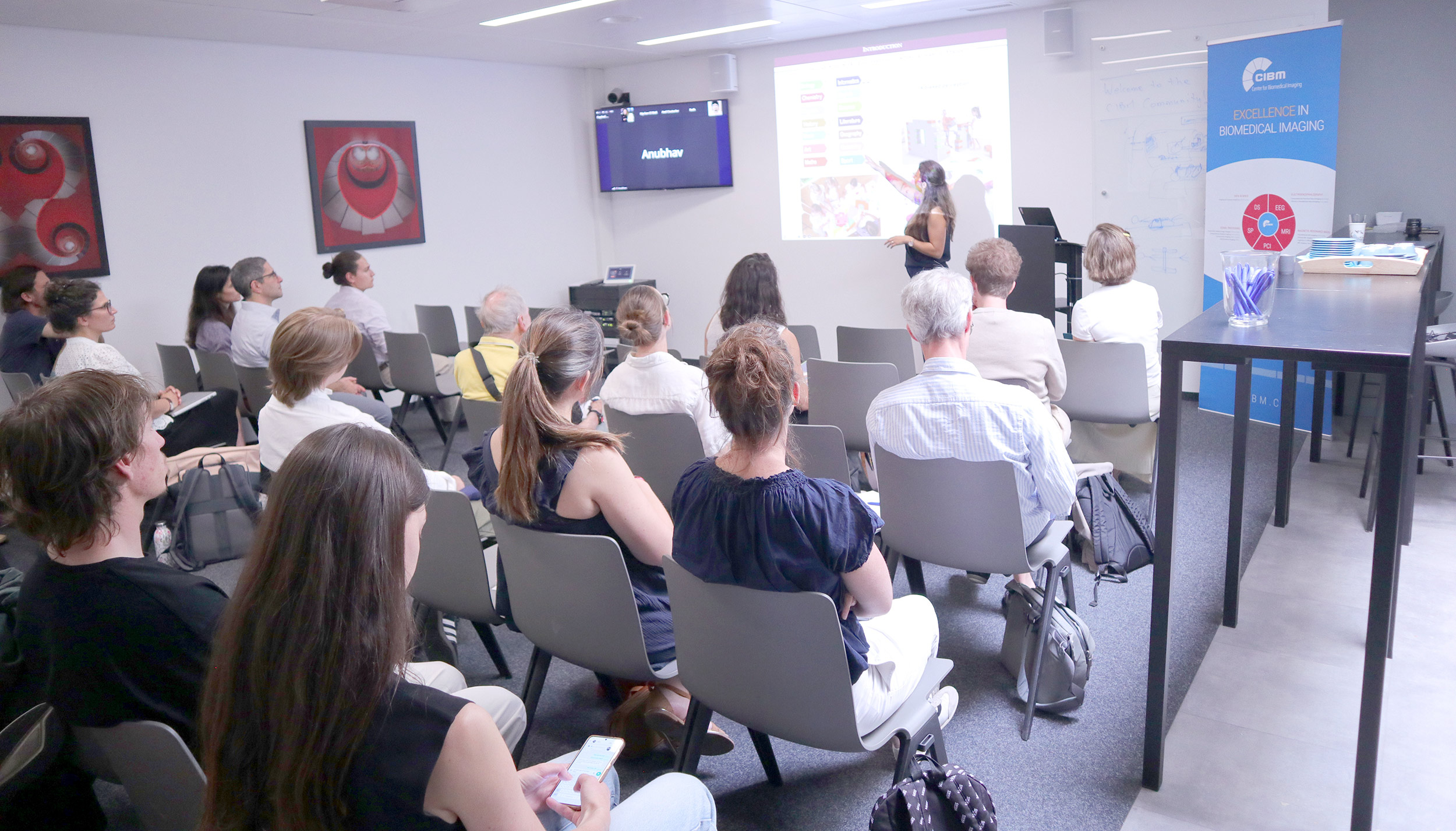
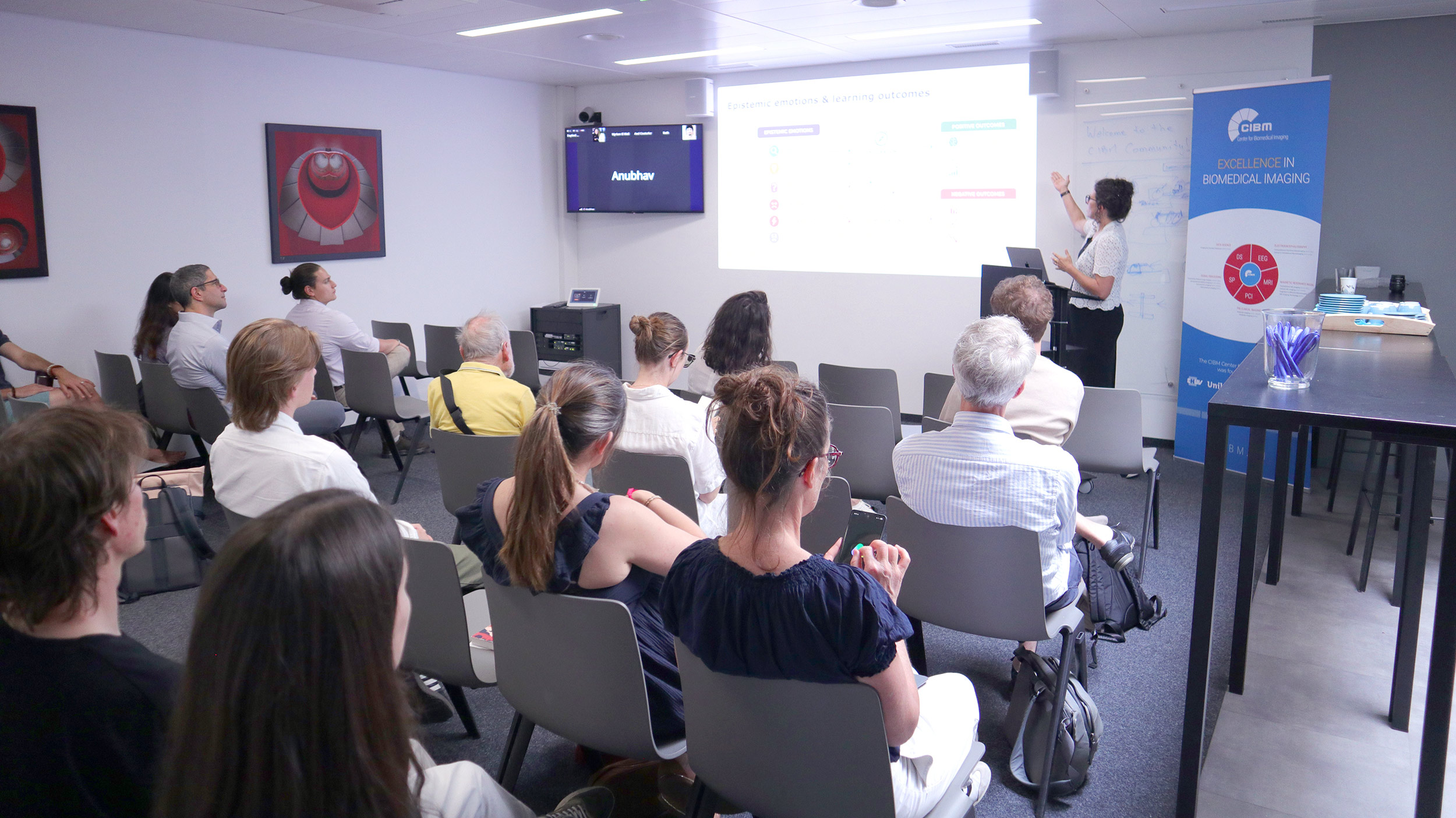
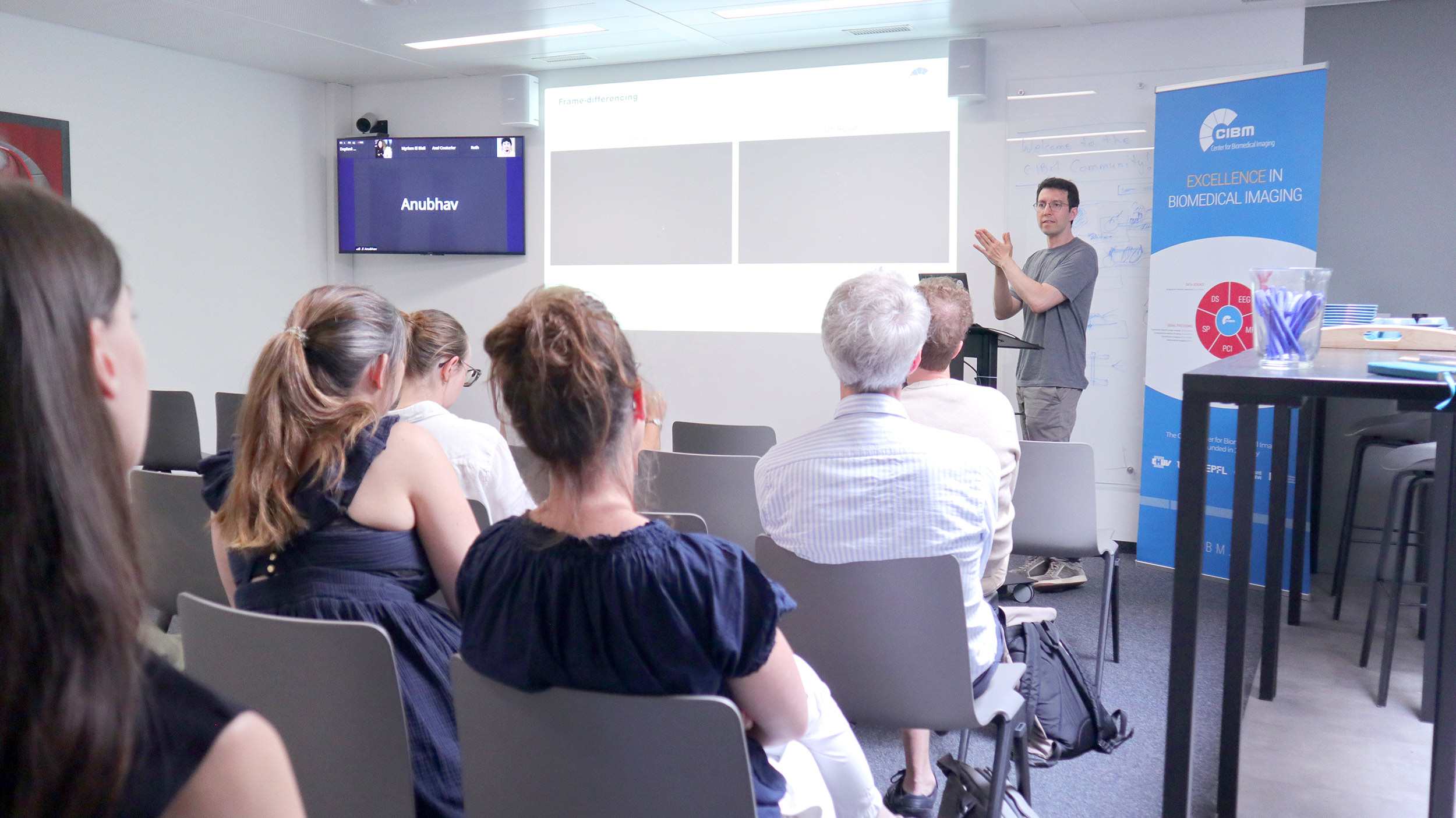
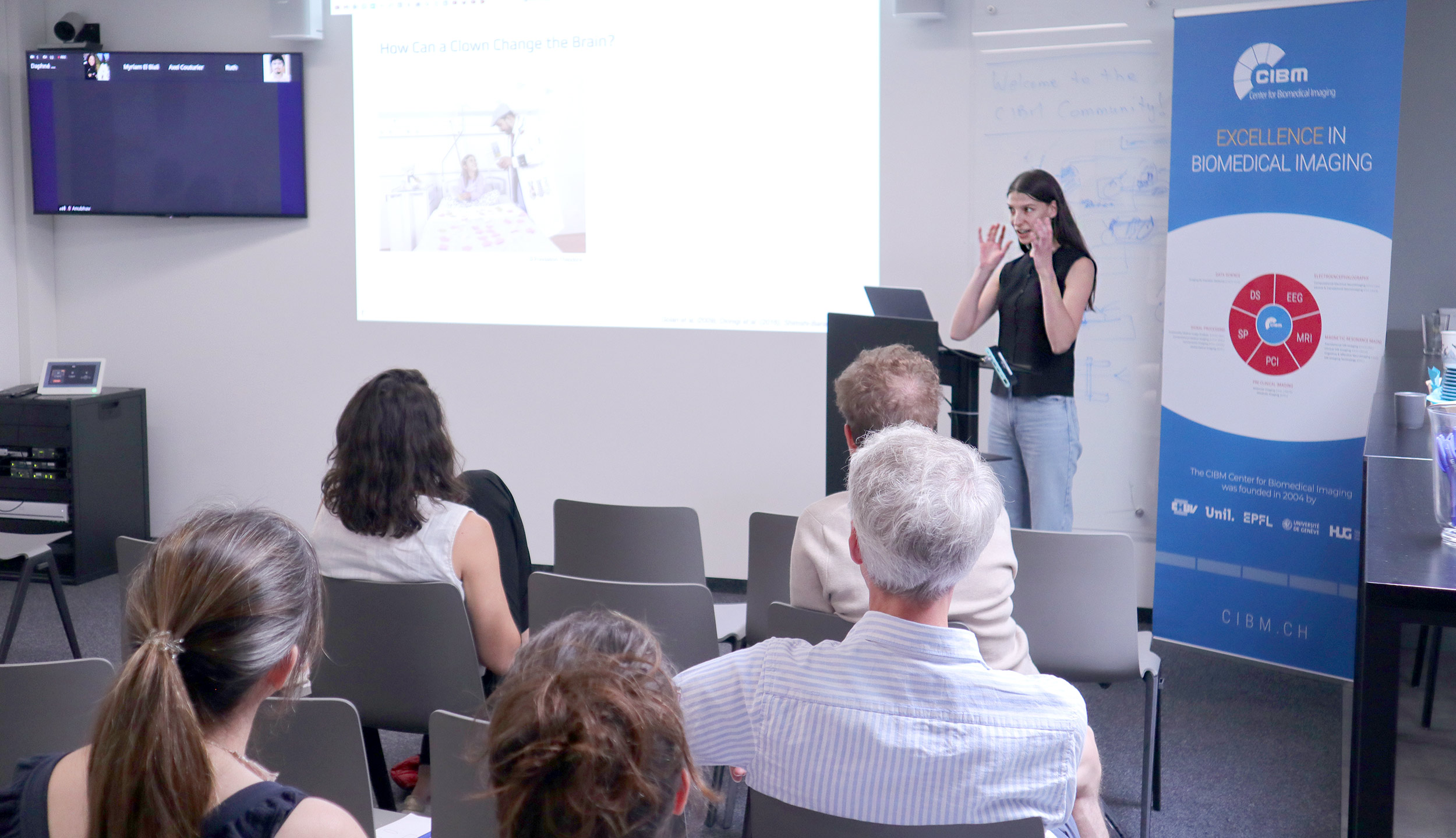
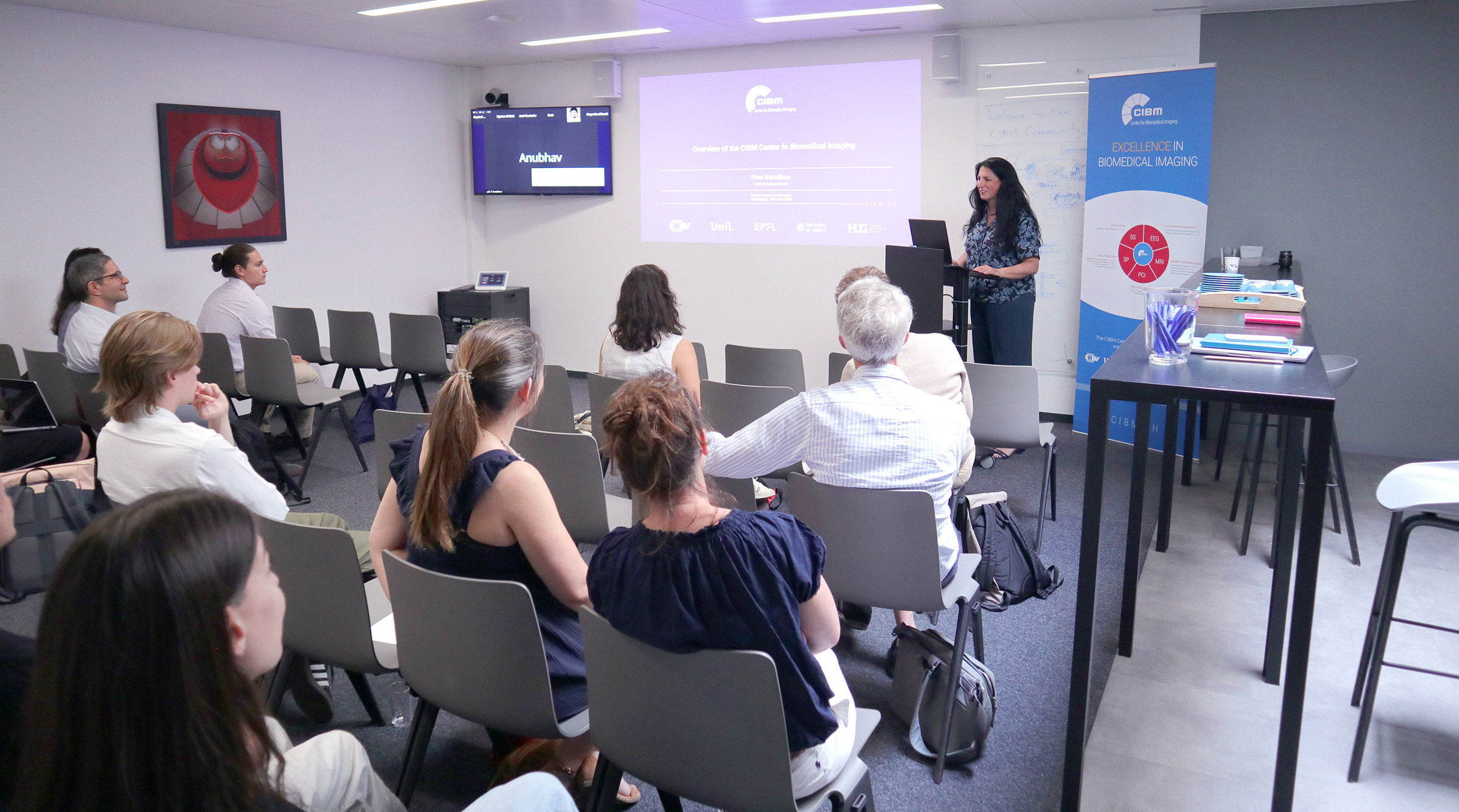
The symposium ran the full day at the CIBM seminar room on the EPFL campus, with about 35 people in the room and others joining online. The event was mostly made possible thanks to the generous support of Gianni Biaggi, who actively took part to the symposium, with an inspiring opening remarks at 92 years old!
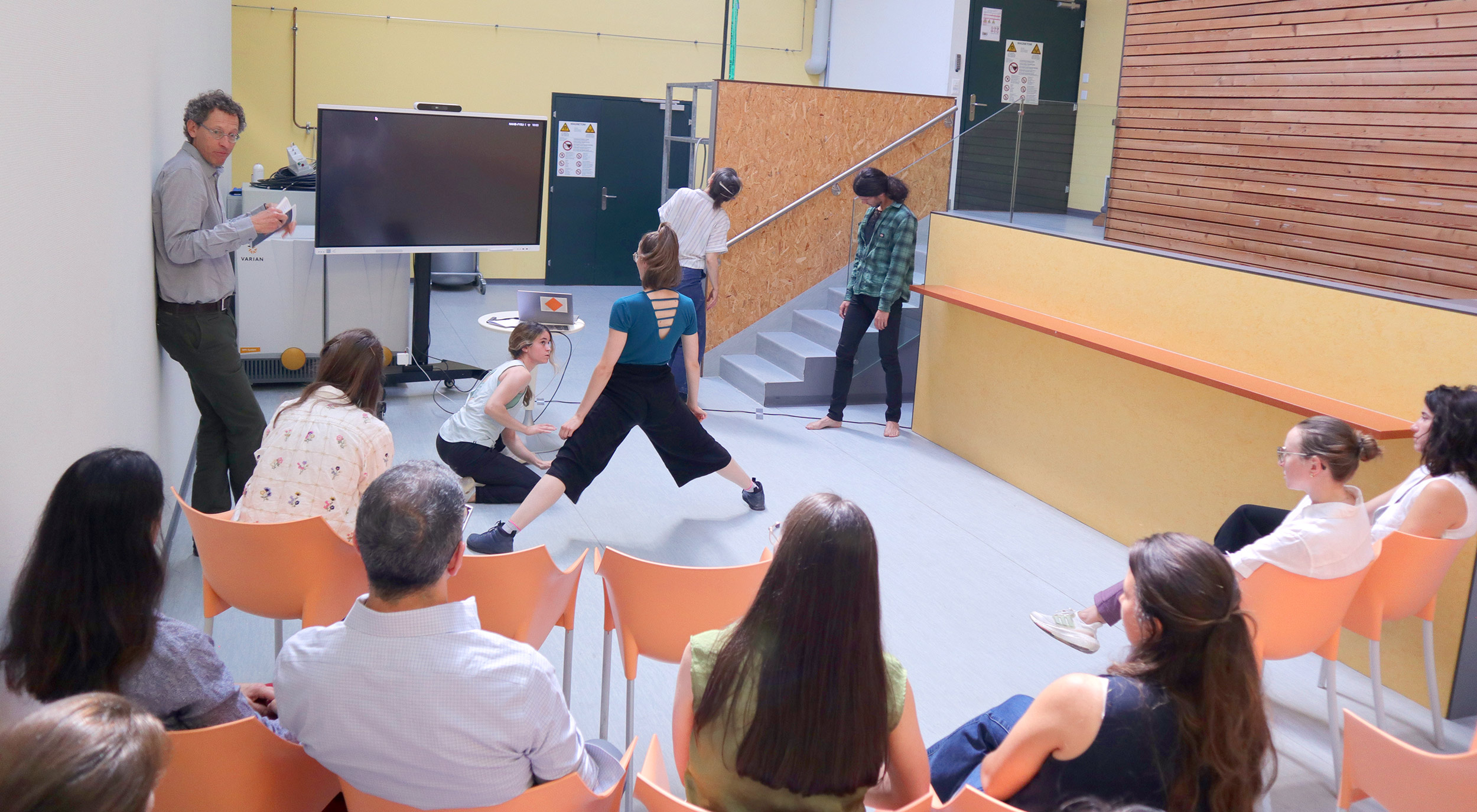
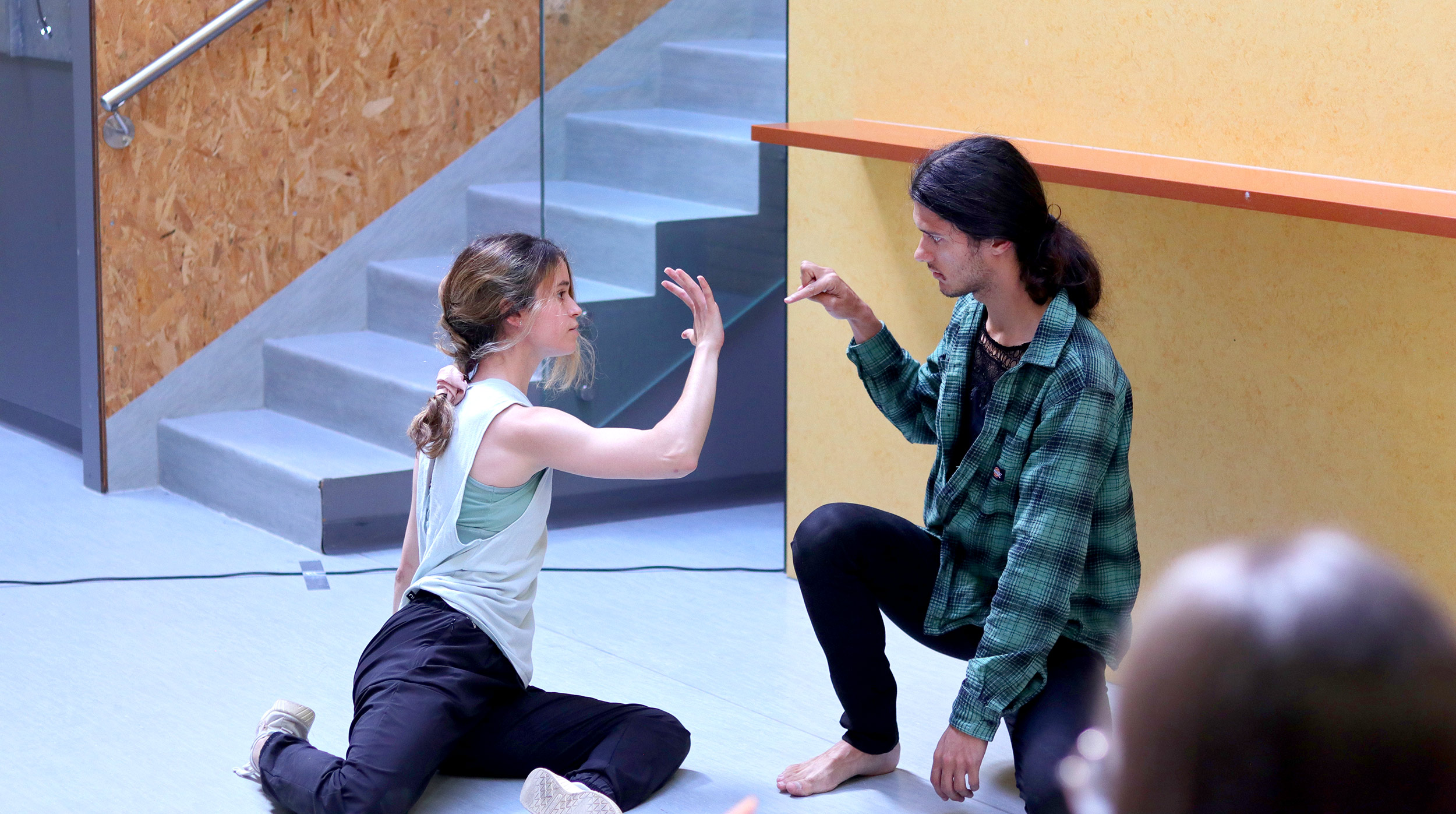
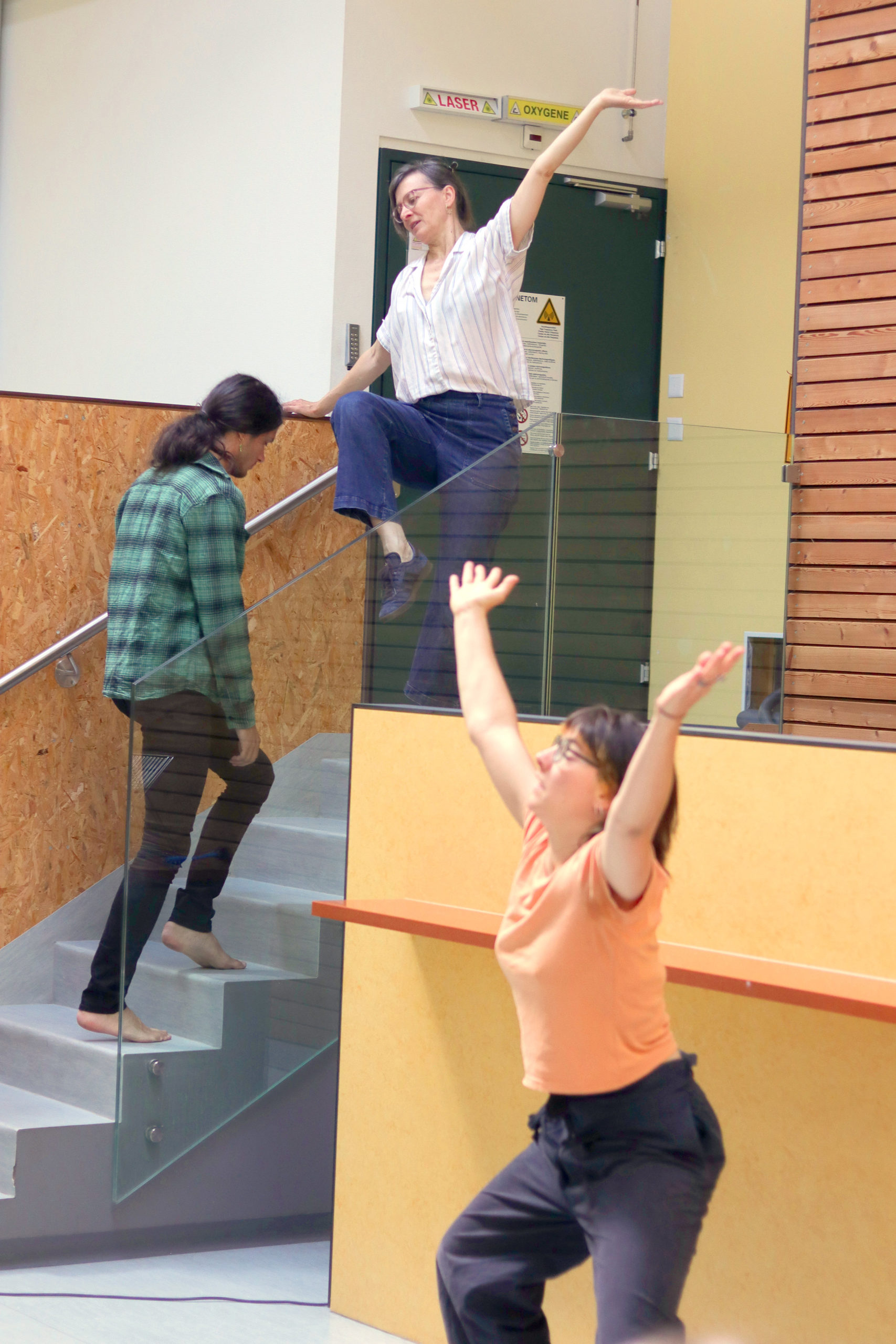
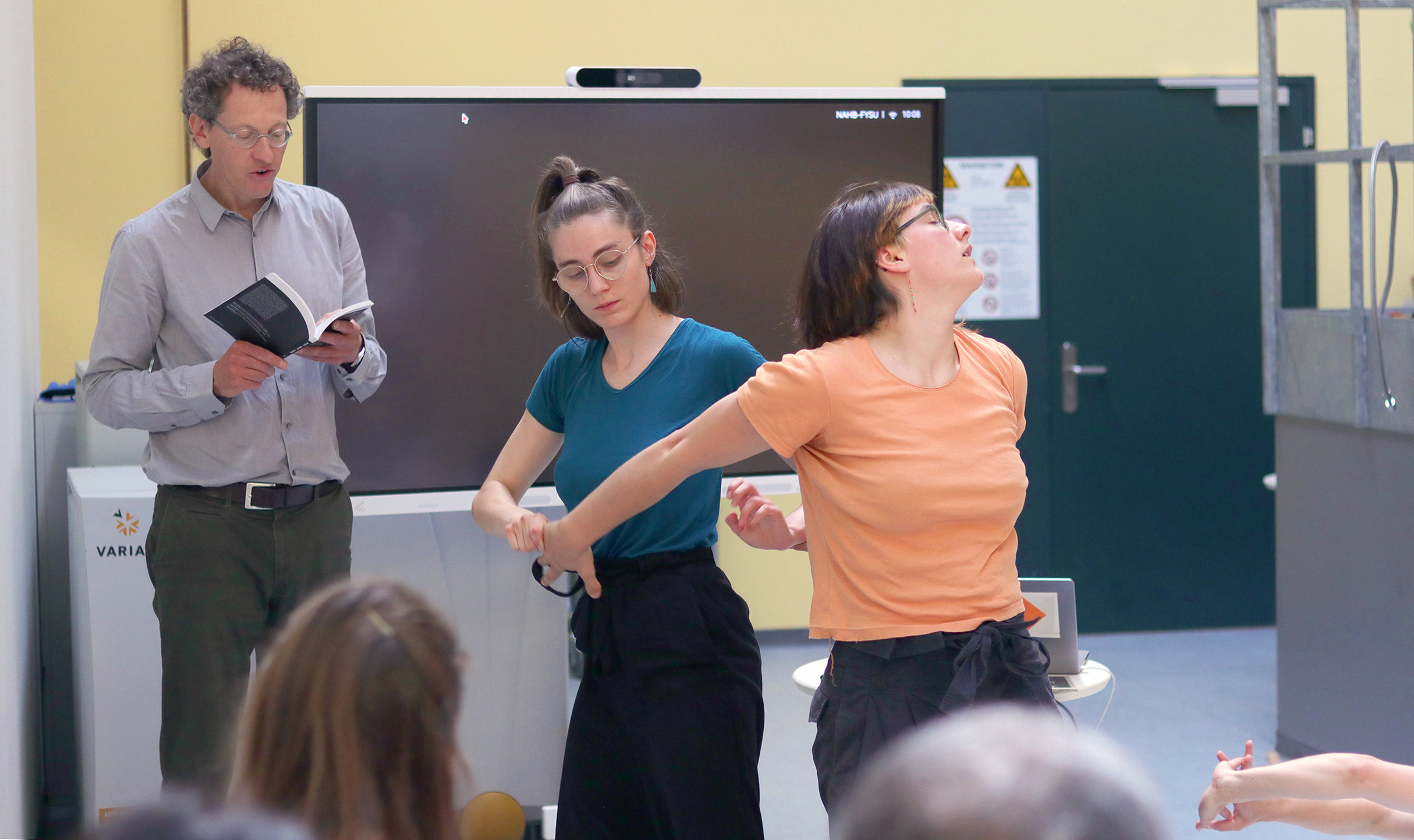
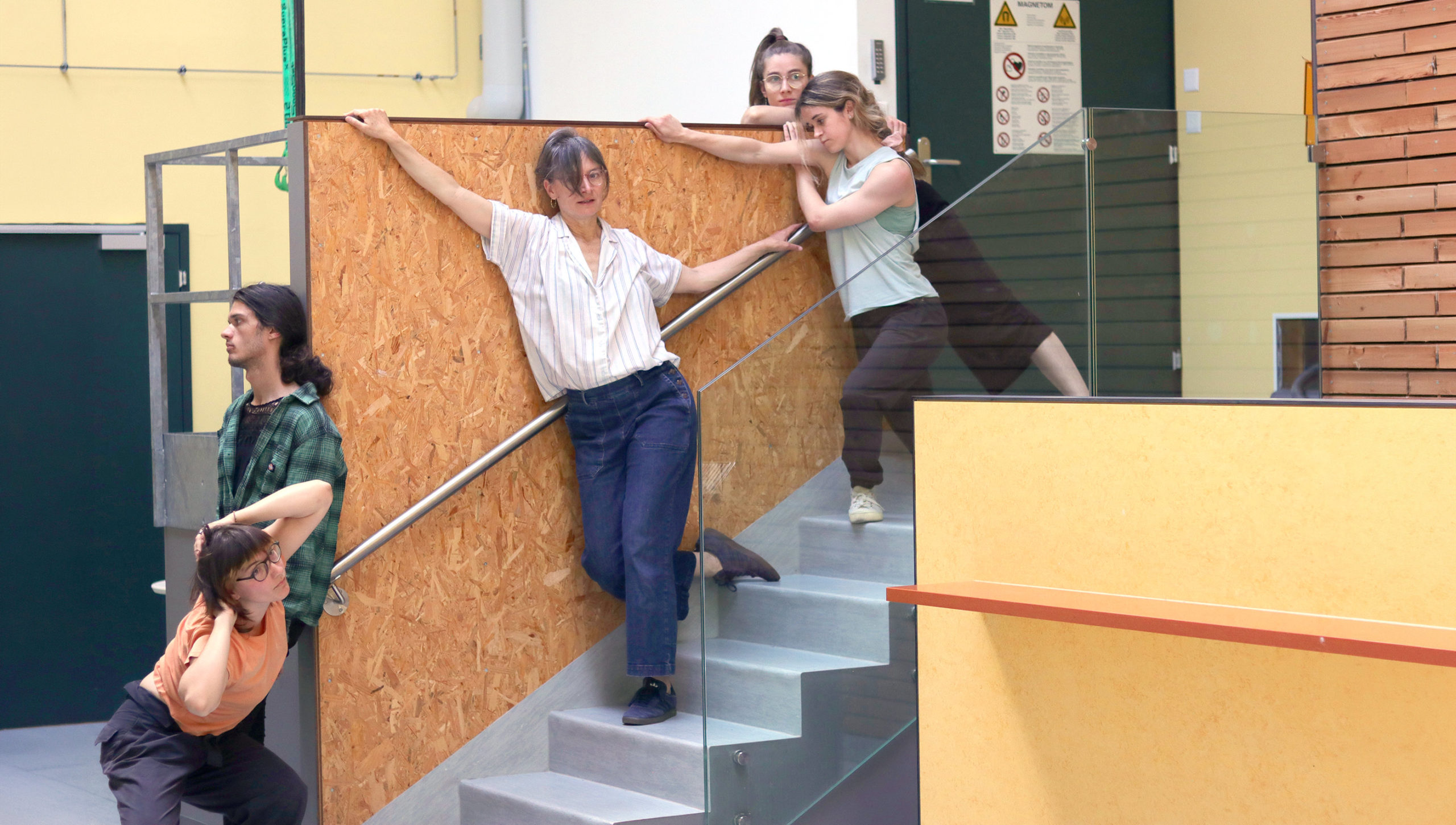
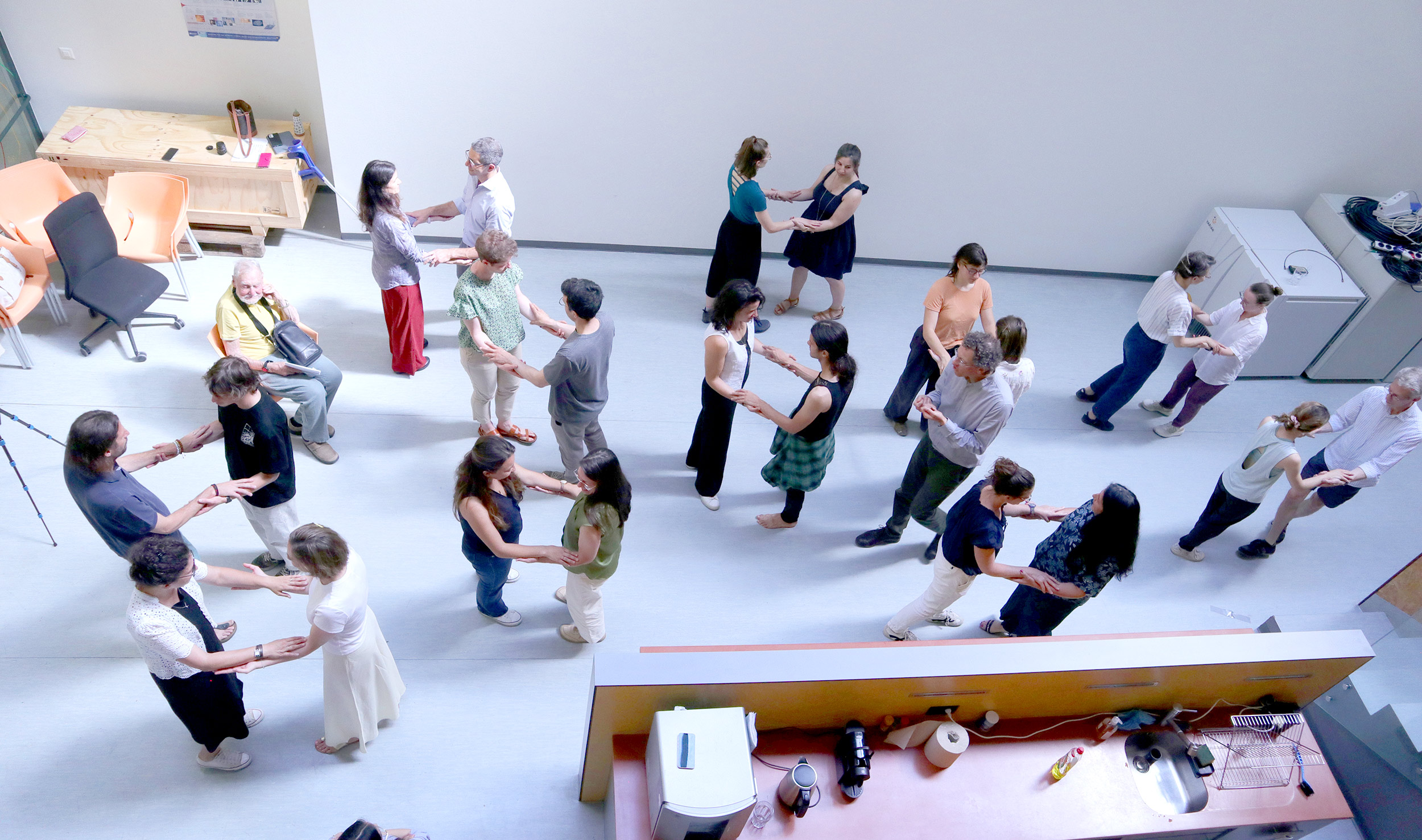
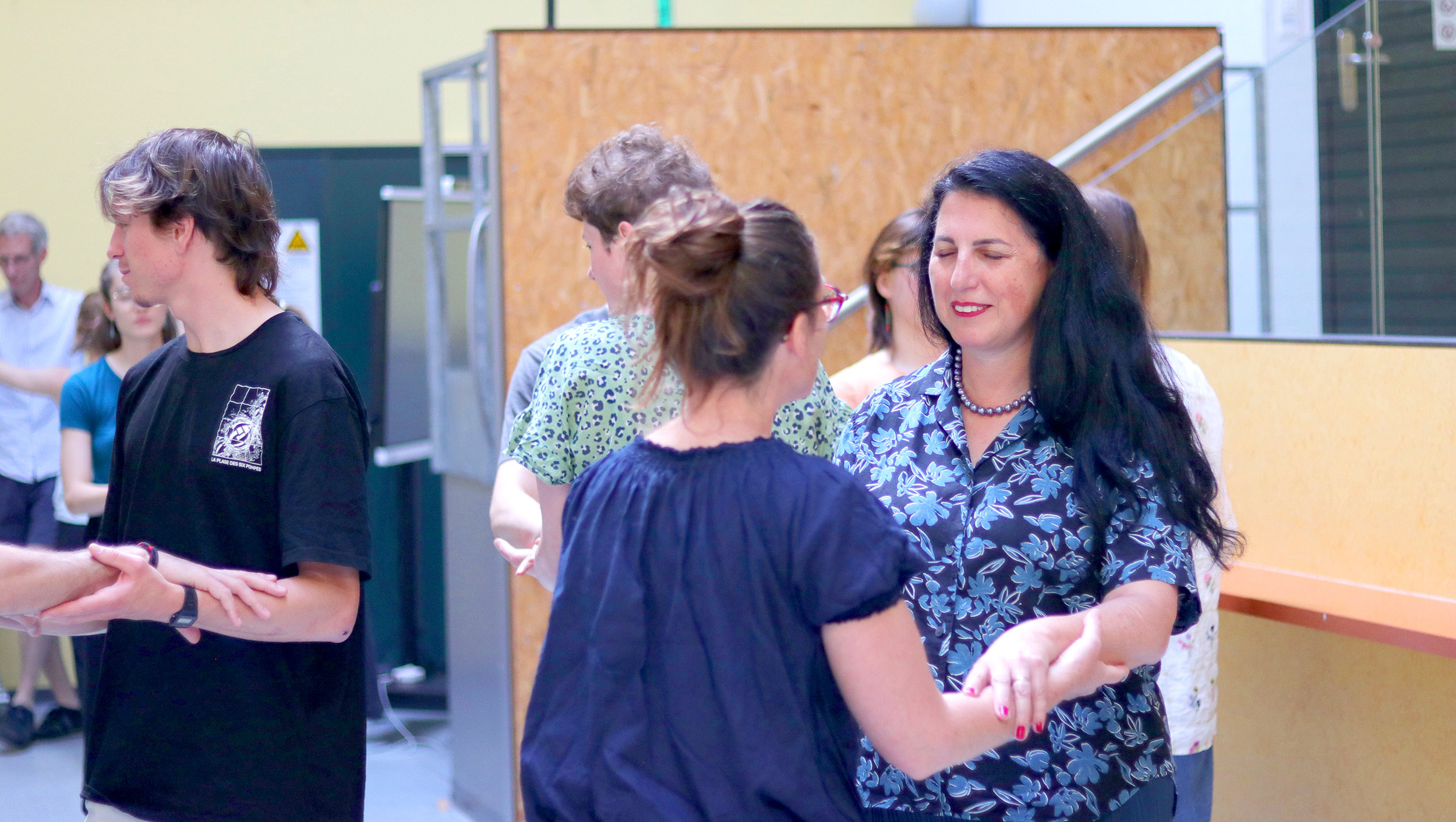
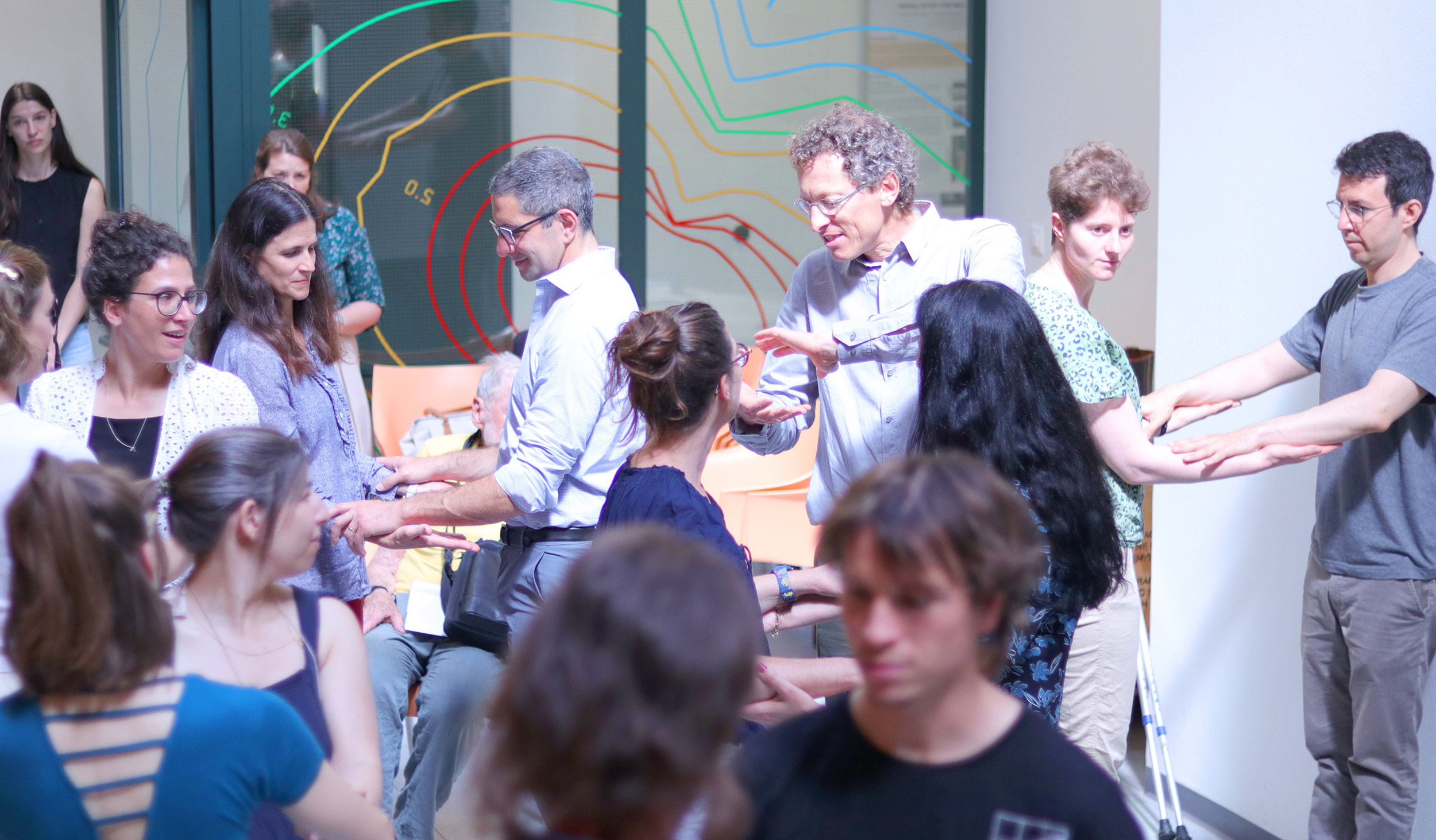
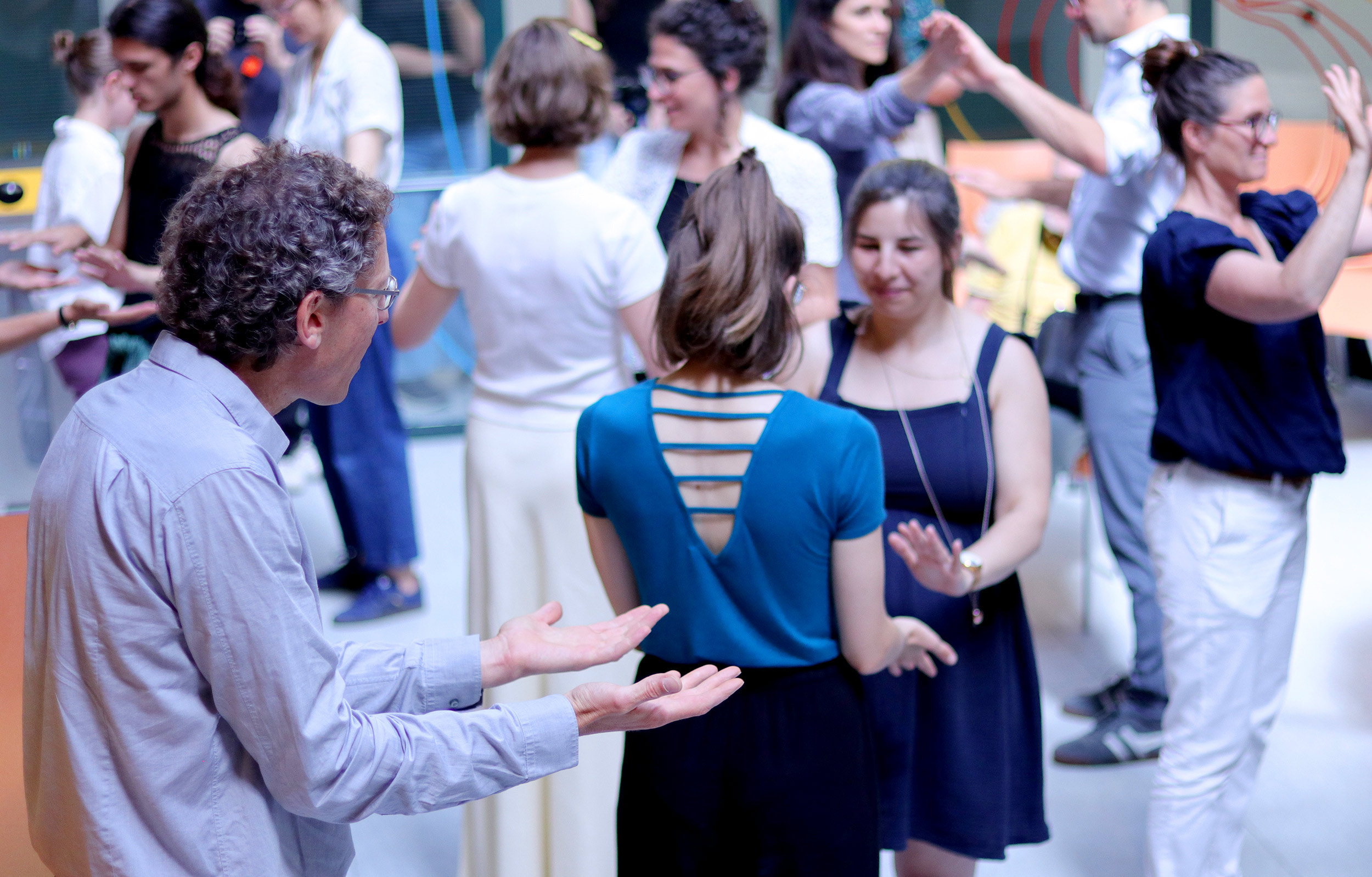
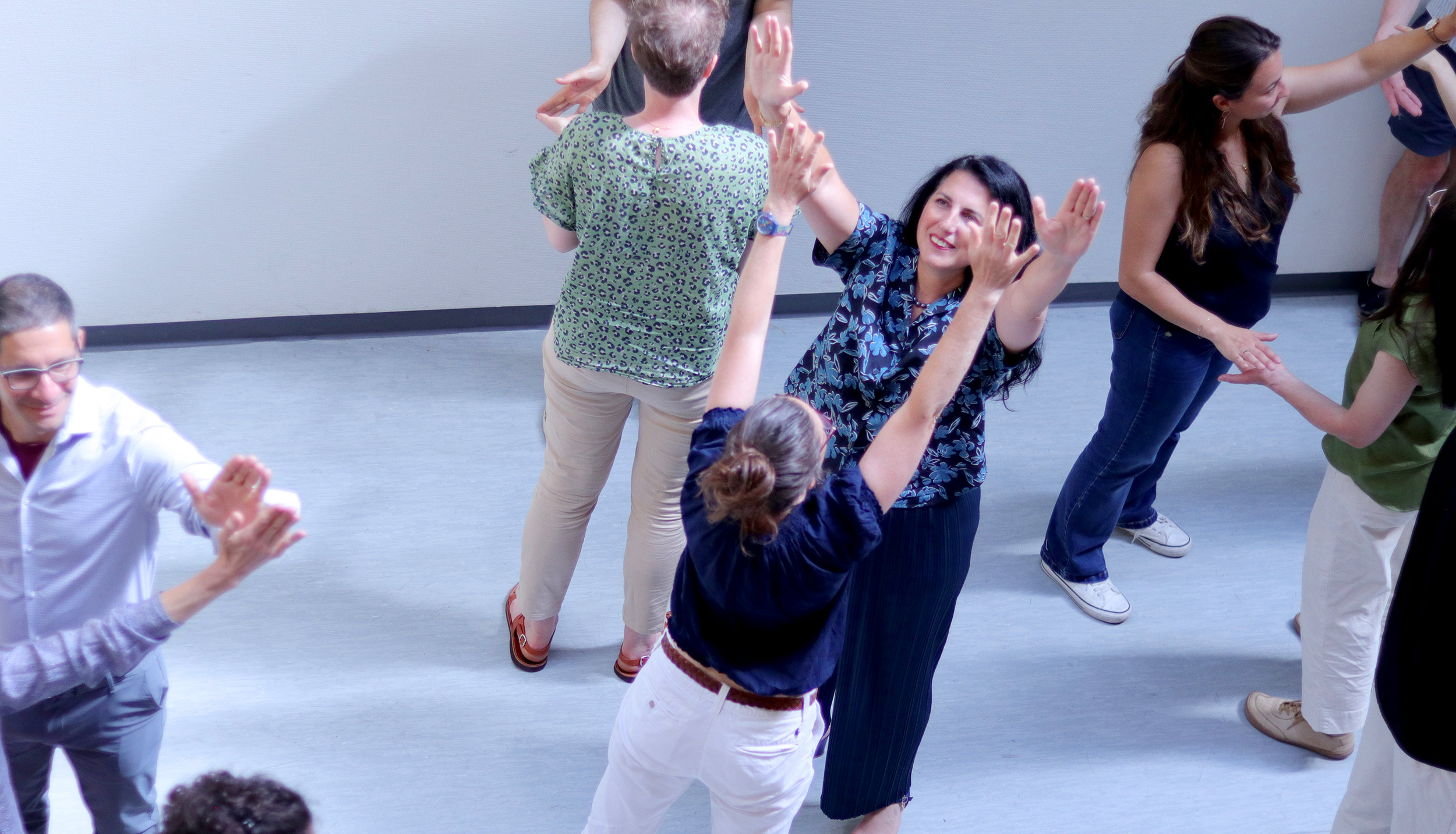
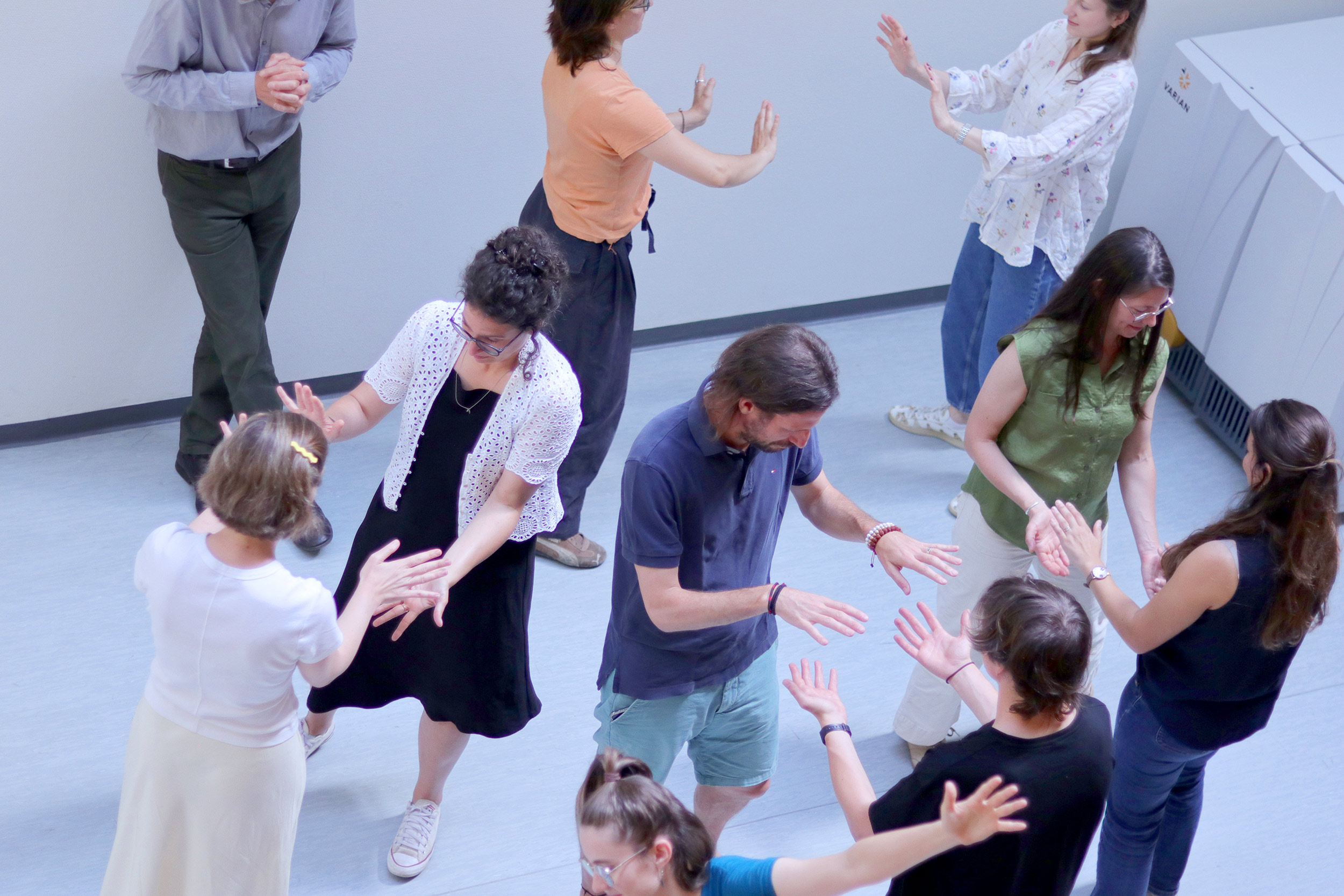
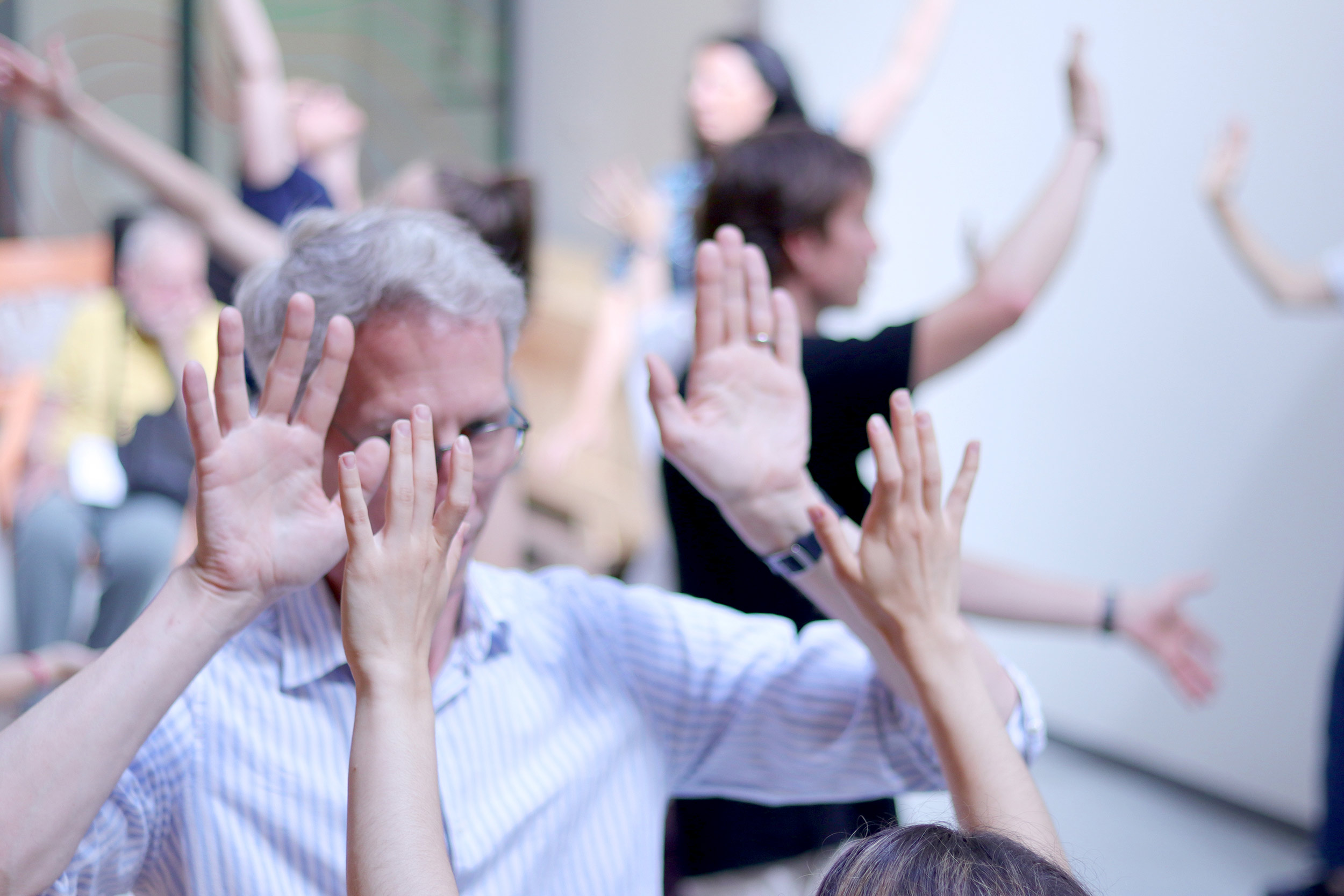
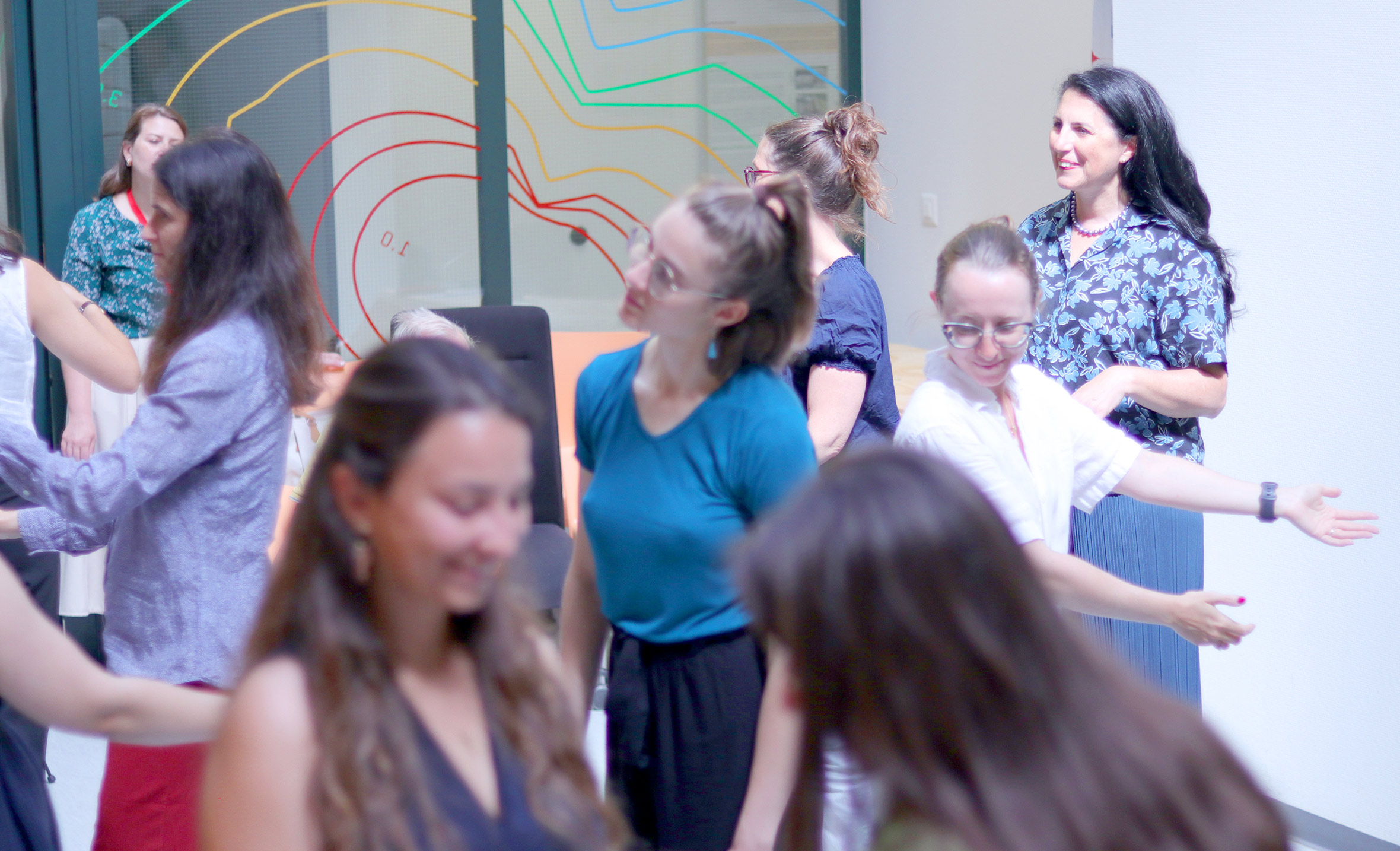
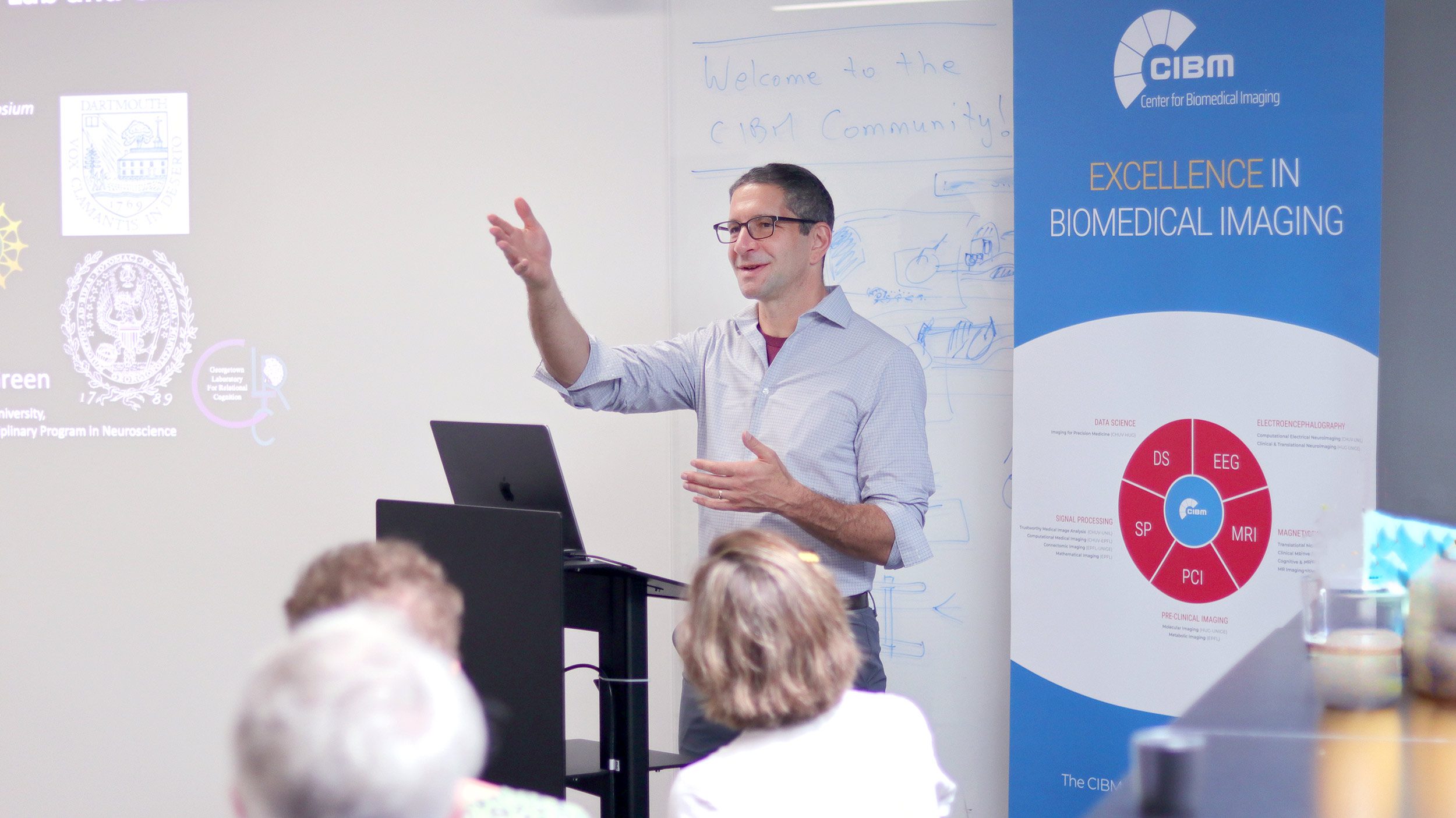
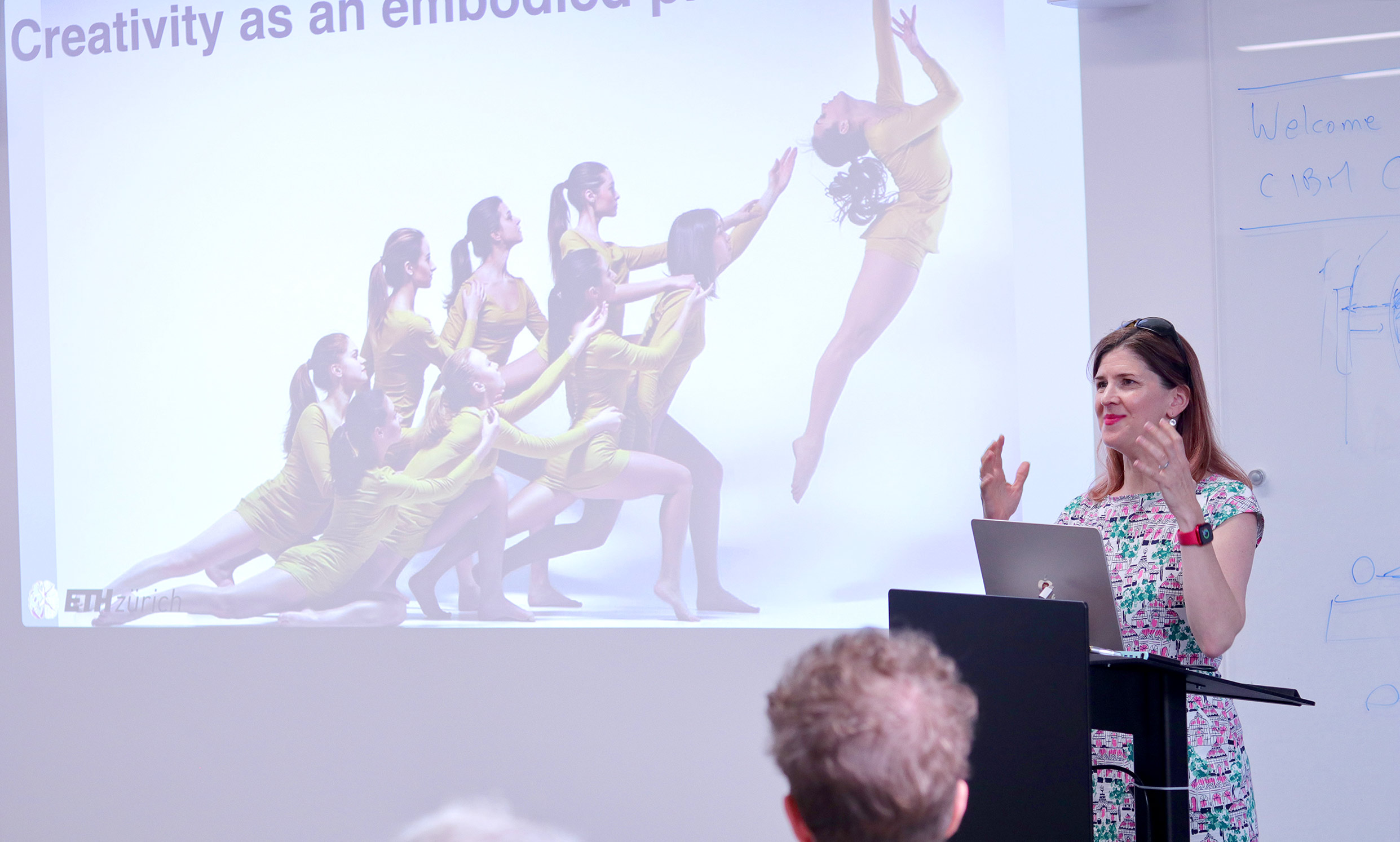
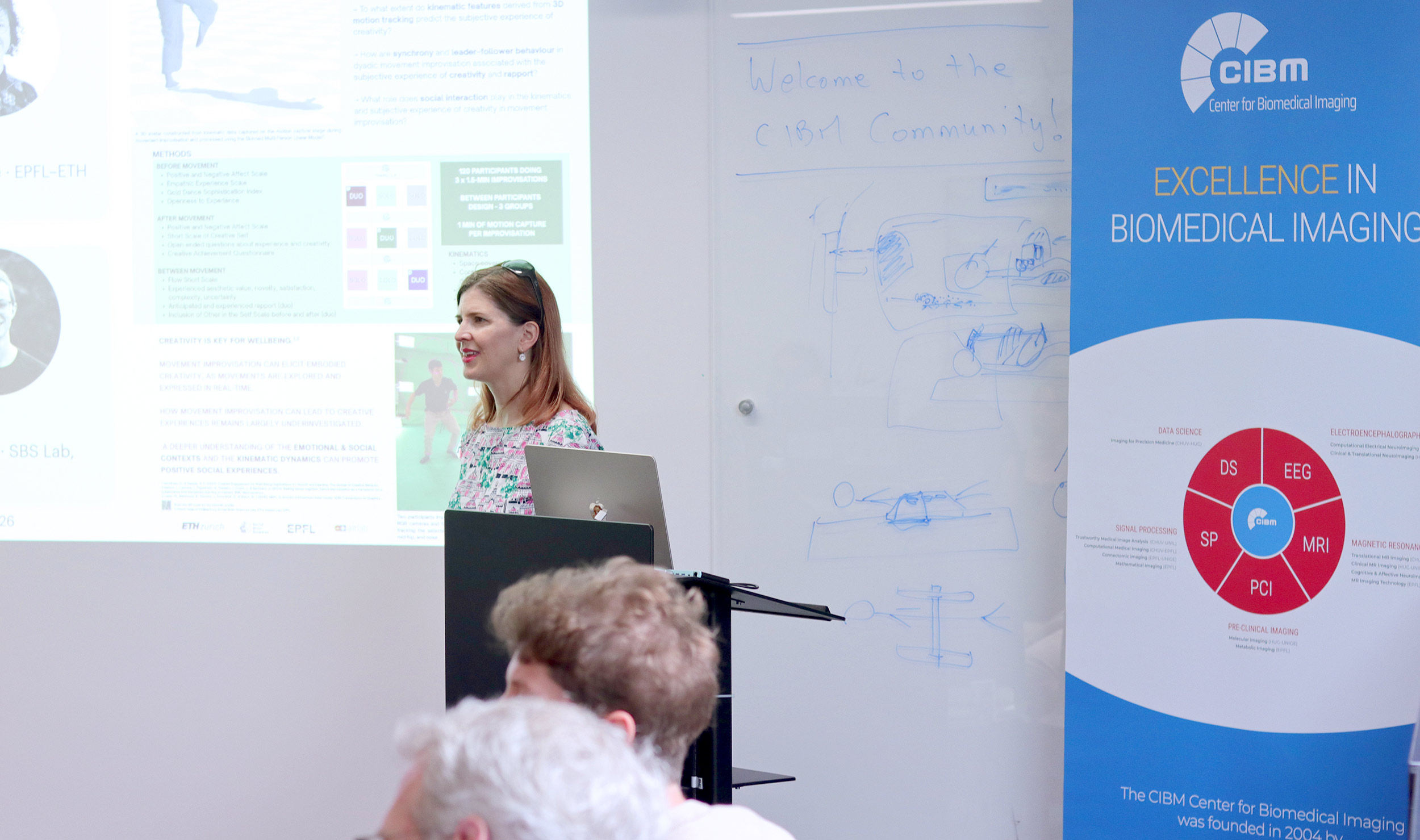
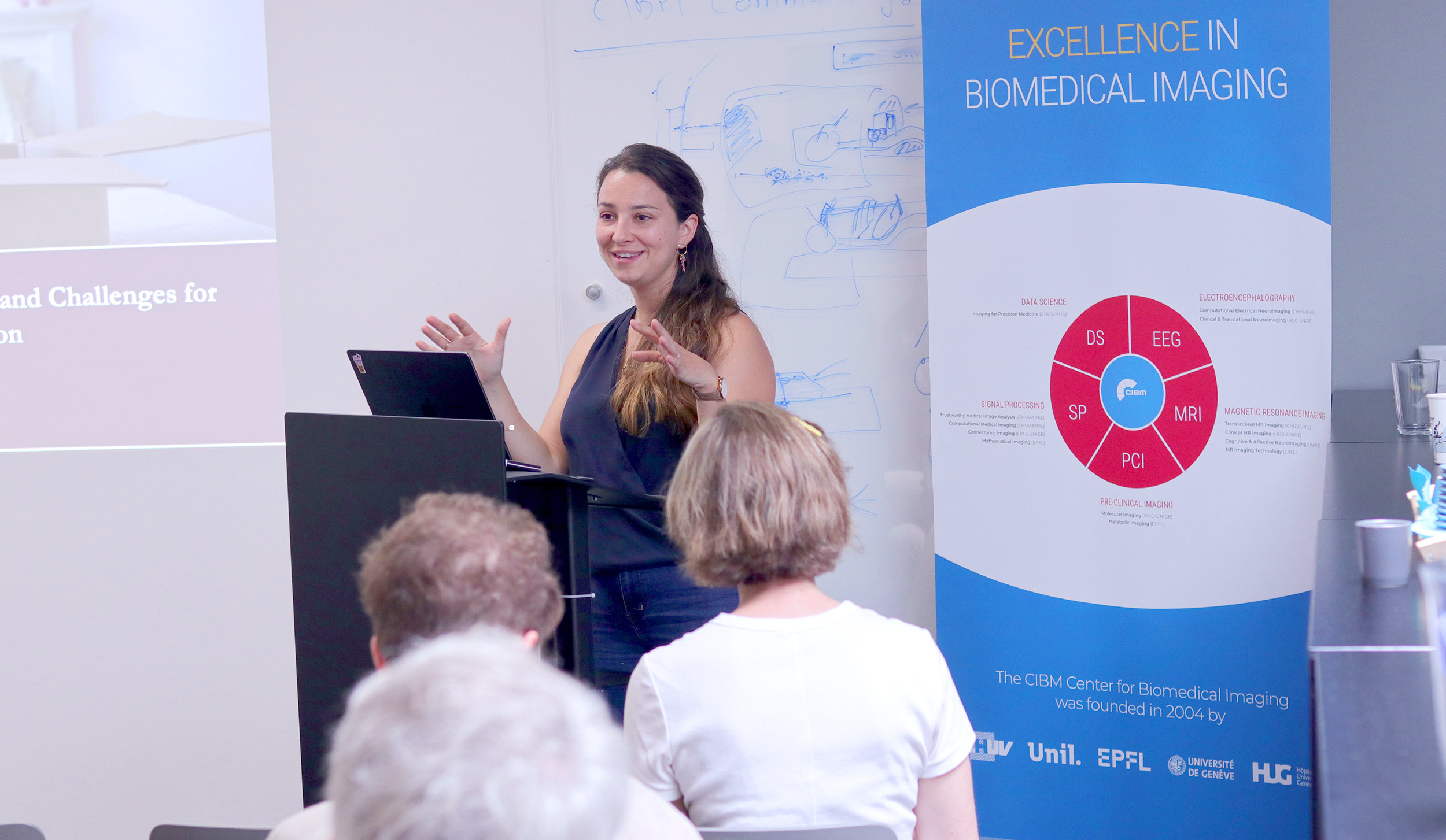
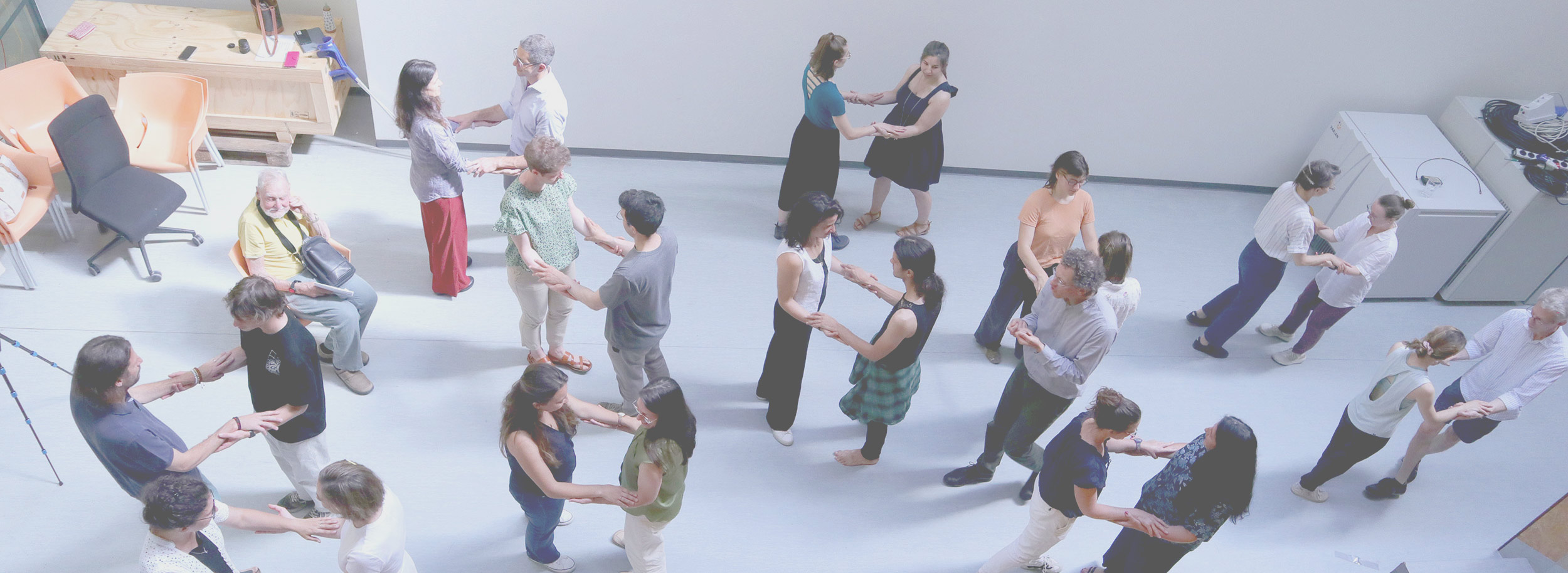
Simon Henein (EPFL) opened with a performance and workshop on improvisation as collective creativity (see his work: https://www.epfl.ch/schools/sti/performance-lighthouse/ and writing Tau, R., Kloetzer, L., Henein, S. (2024). Barefoot Academic Teaching. Schibri-Verlag, 204 pp.ISBN: 978-3-86863-280-4. Infoscience). Adam Green (Georgetown) followed with a keynote on fMRI and portable fNIRS for studying reasoning and creativity in classrooms. Emily Cross (ETH Zürich) then used dance improvisation as a window into how the body itself thinks creatively.
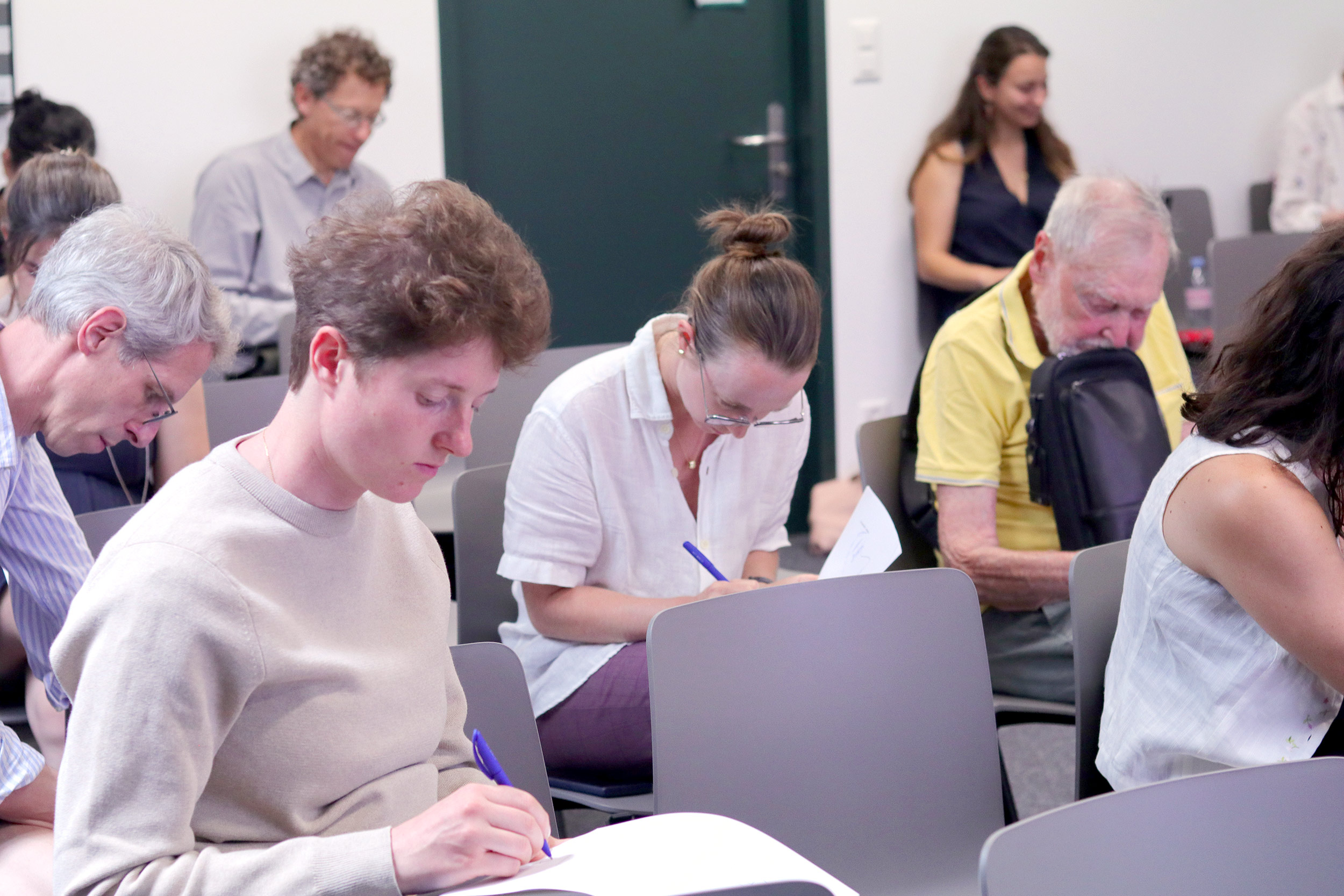
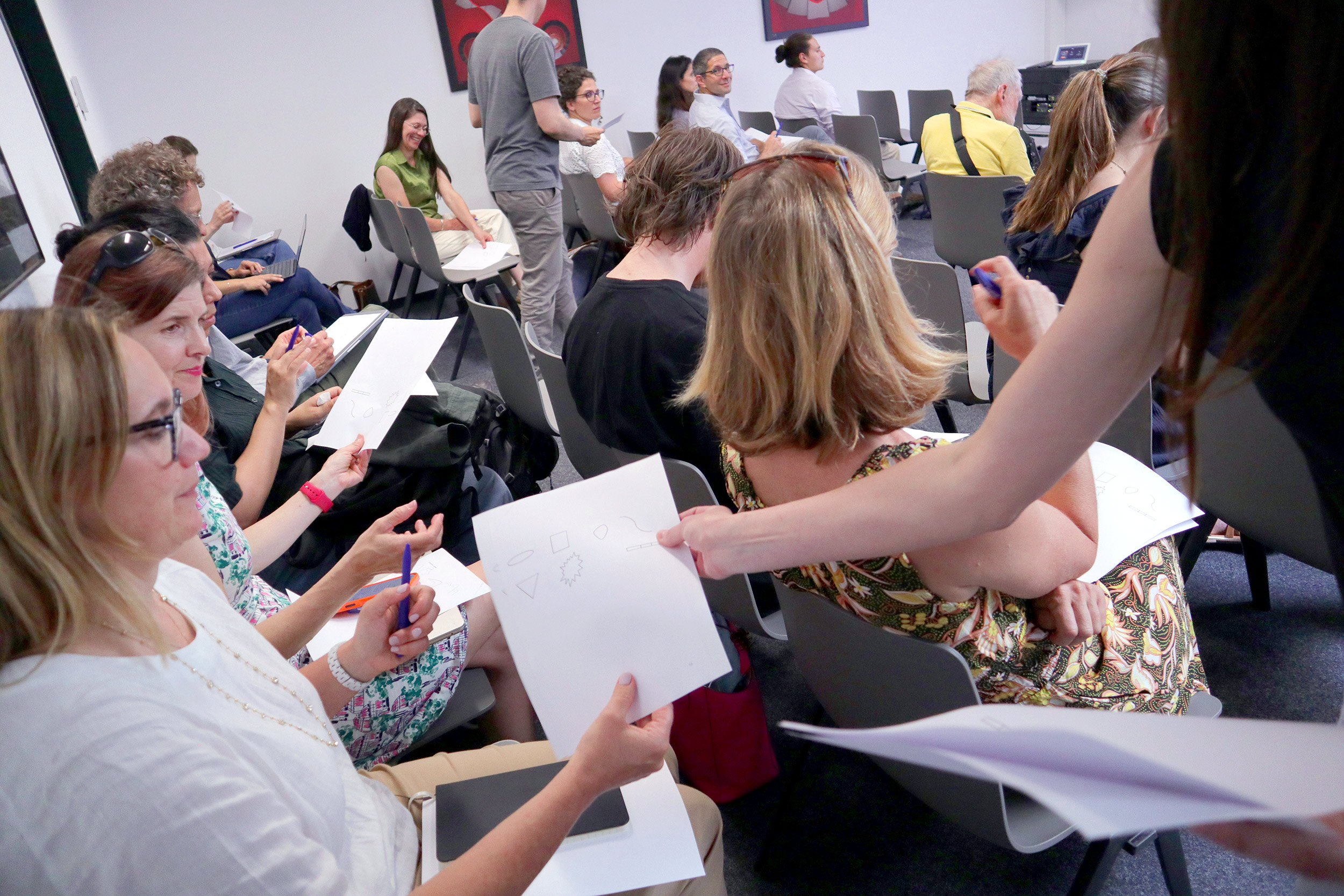
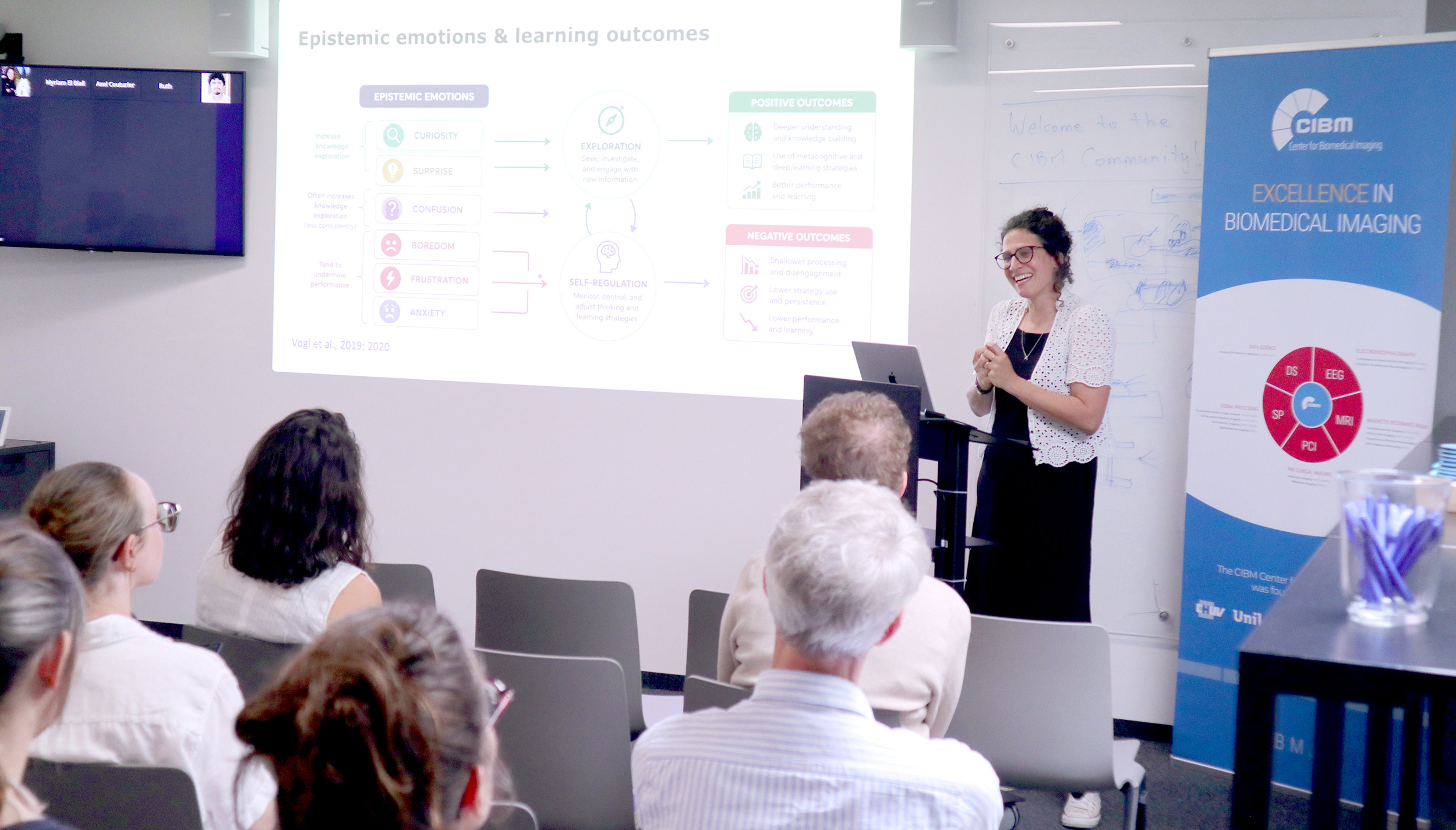
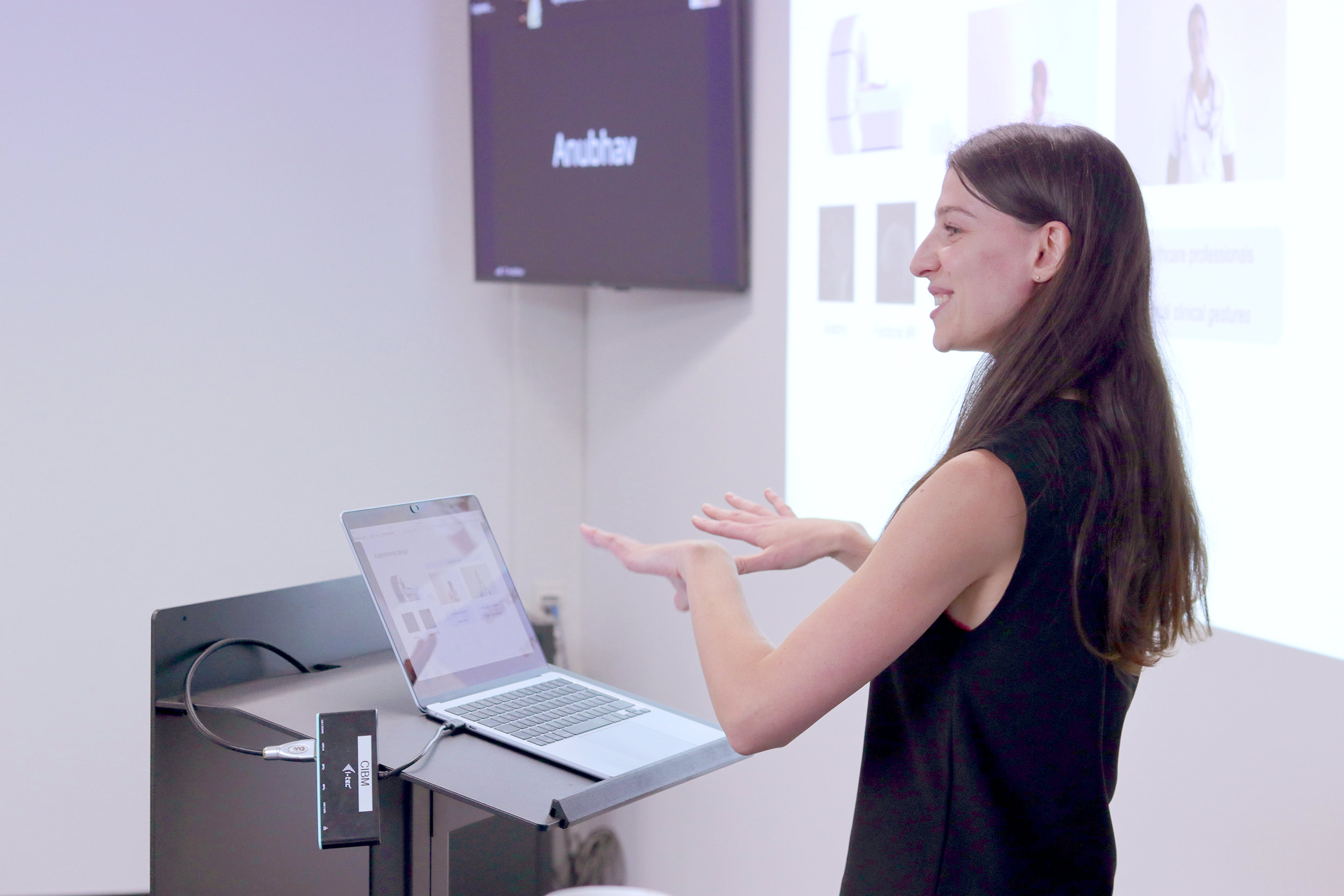
In the afternoon, Solange Denervaud (CIBM MRI EPFL) ran a hands-on demo of convergent and divergent thinking tasks, then traced their development through childhood. Anaëlle Camarda (Université de Nantes) introduced a triadic model of creativity as a framework for the classroom. Catherine Audrin (HEP Vaud) presented her work on epistemic emotions.
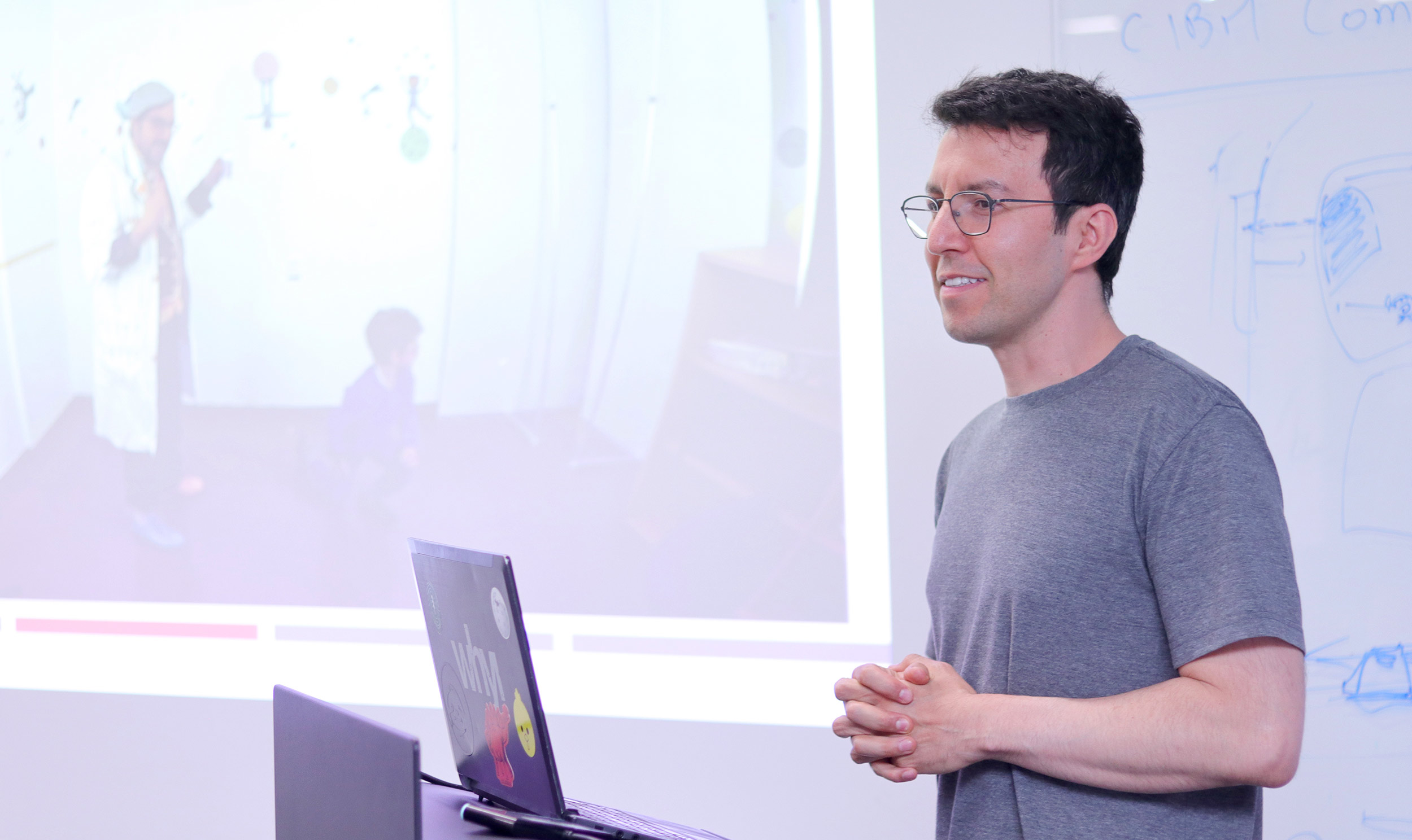
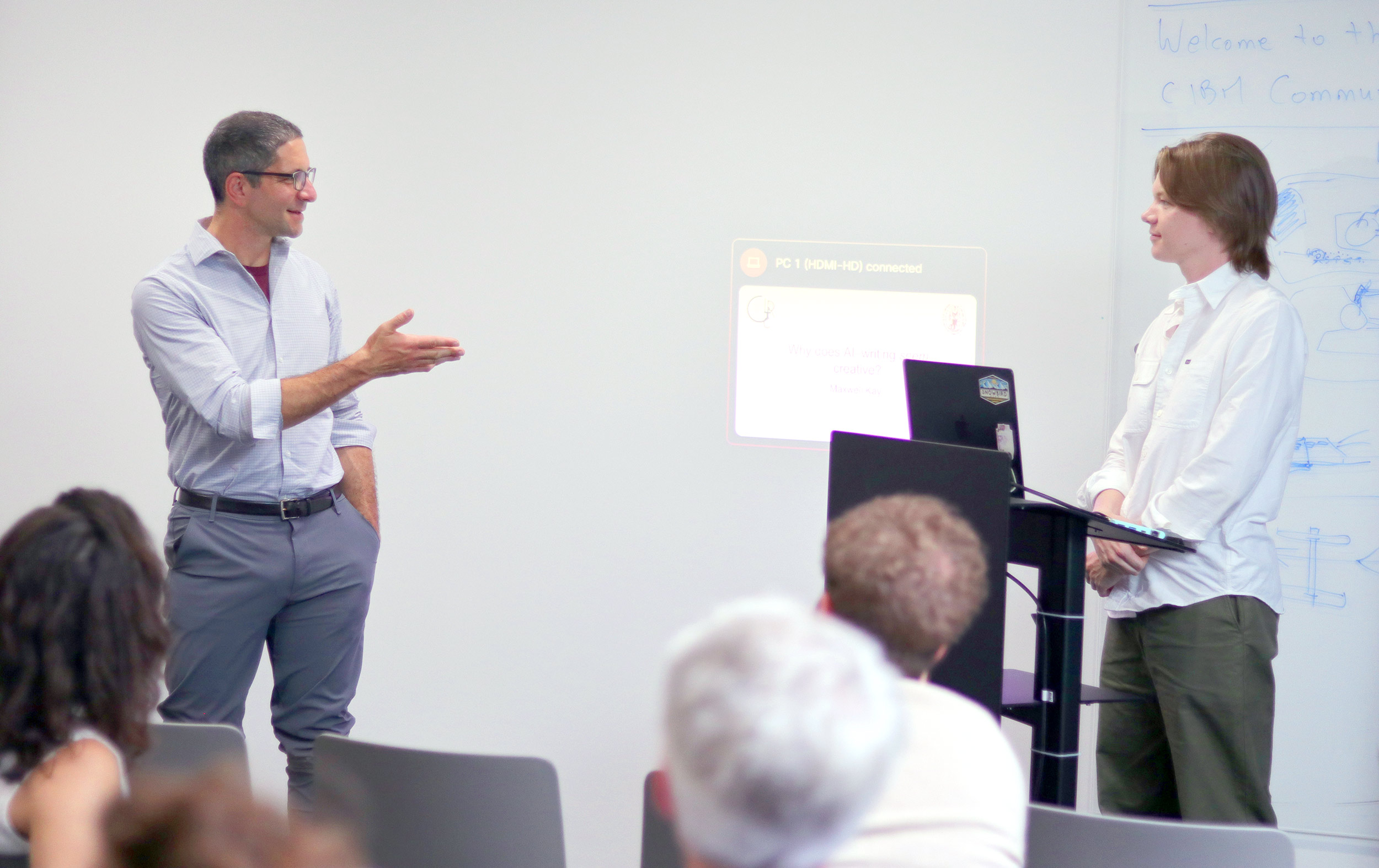
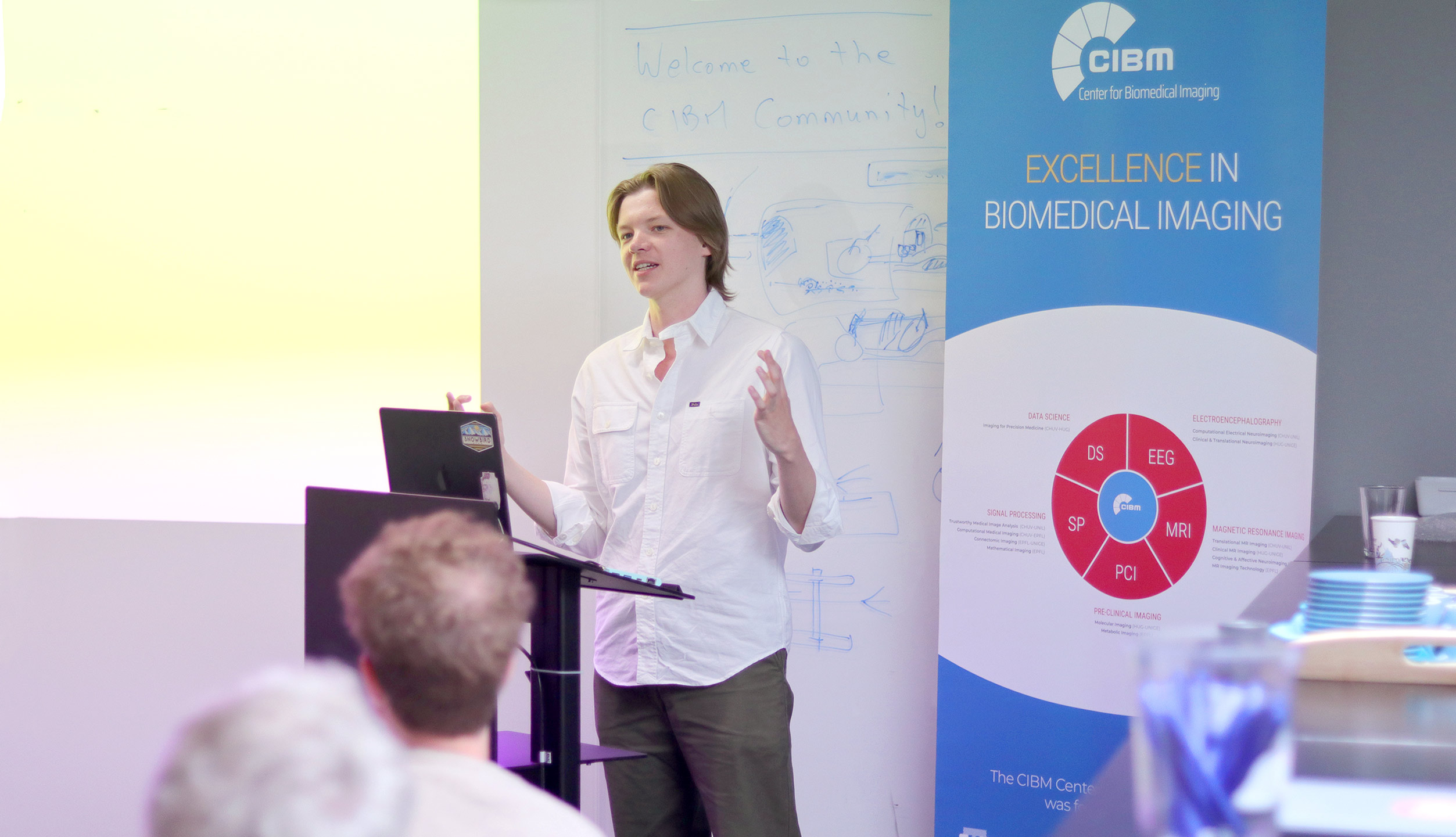
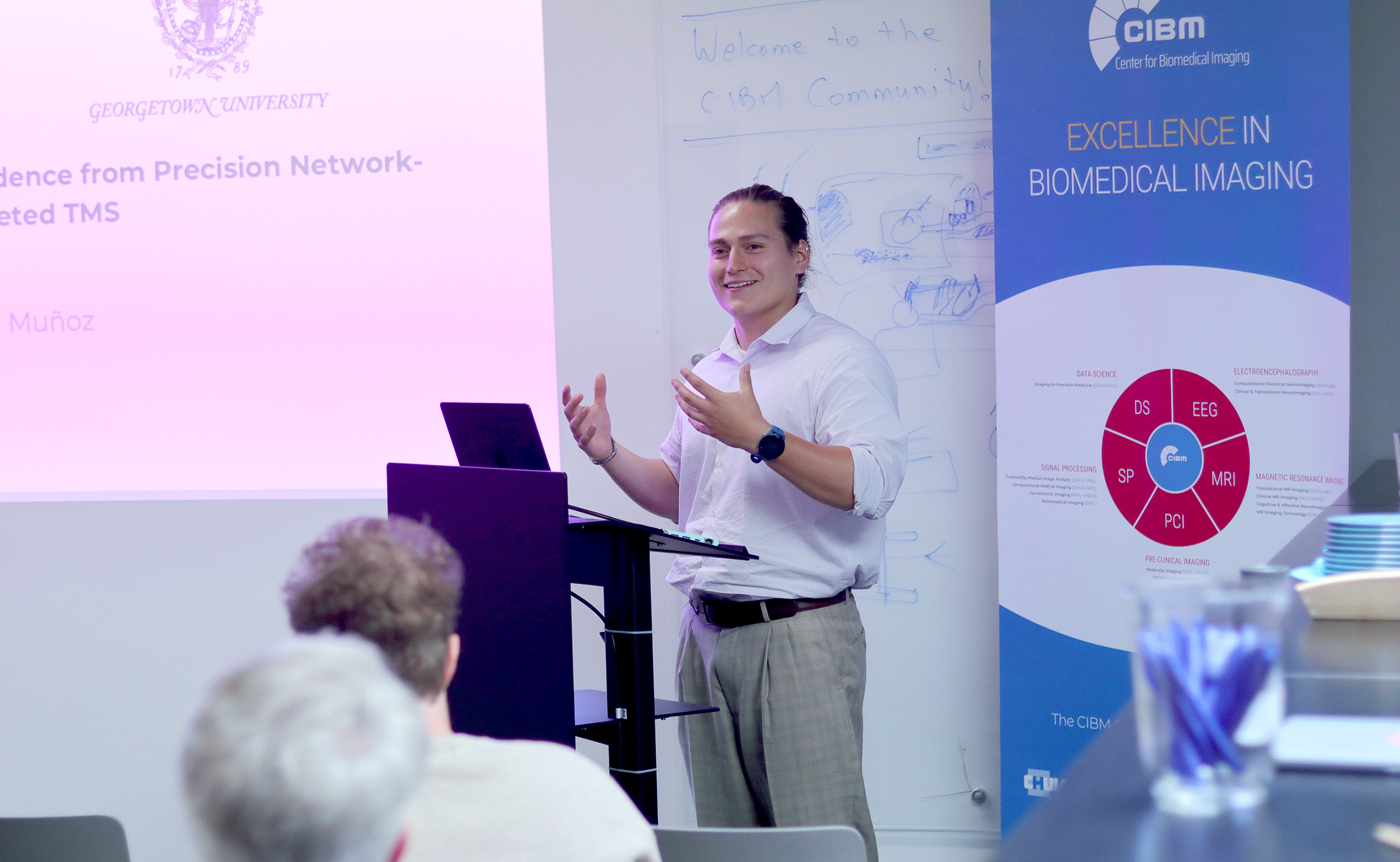
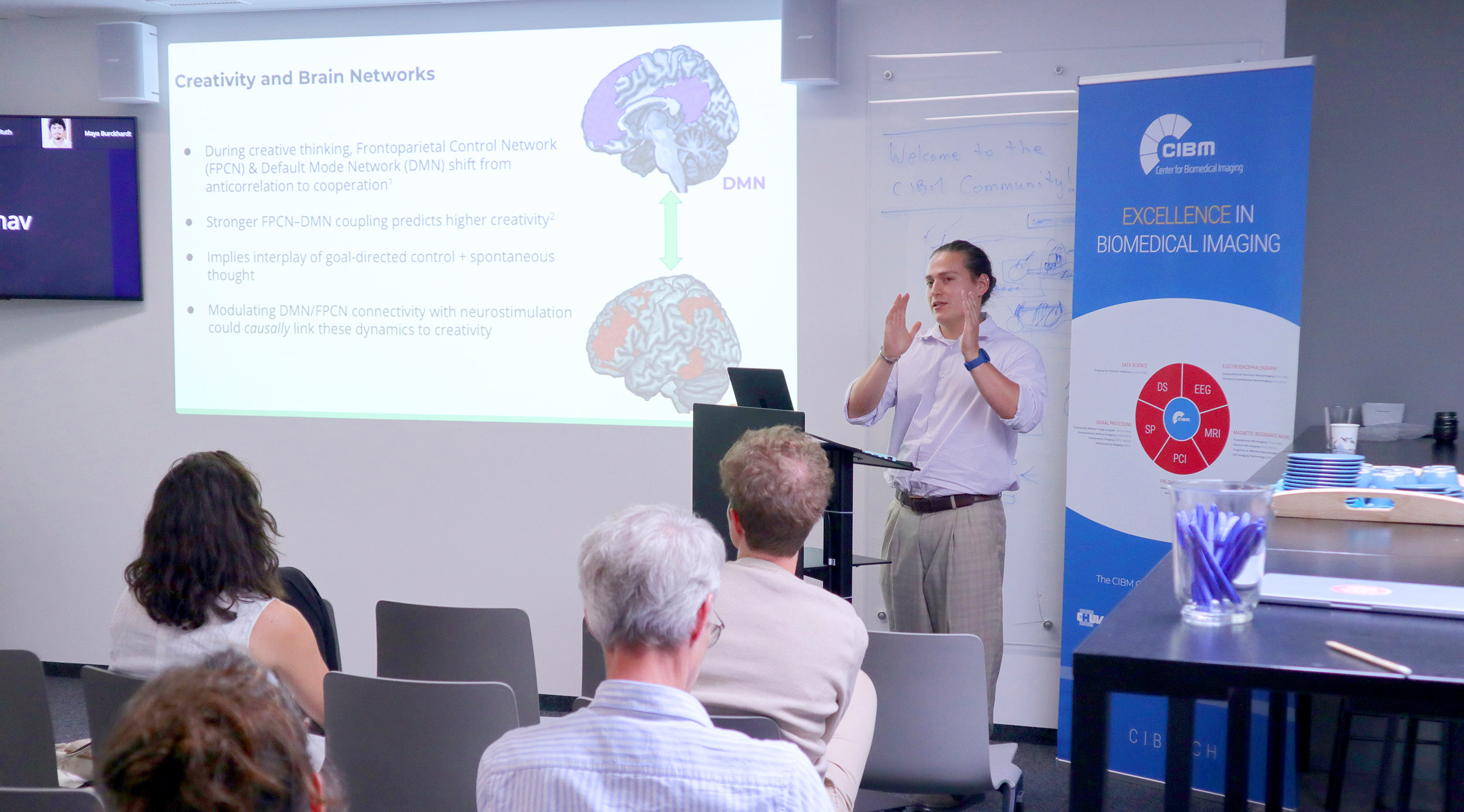
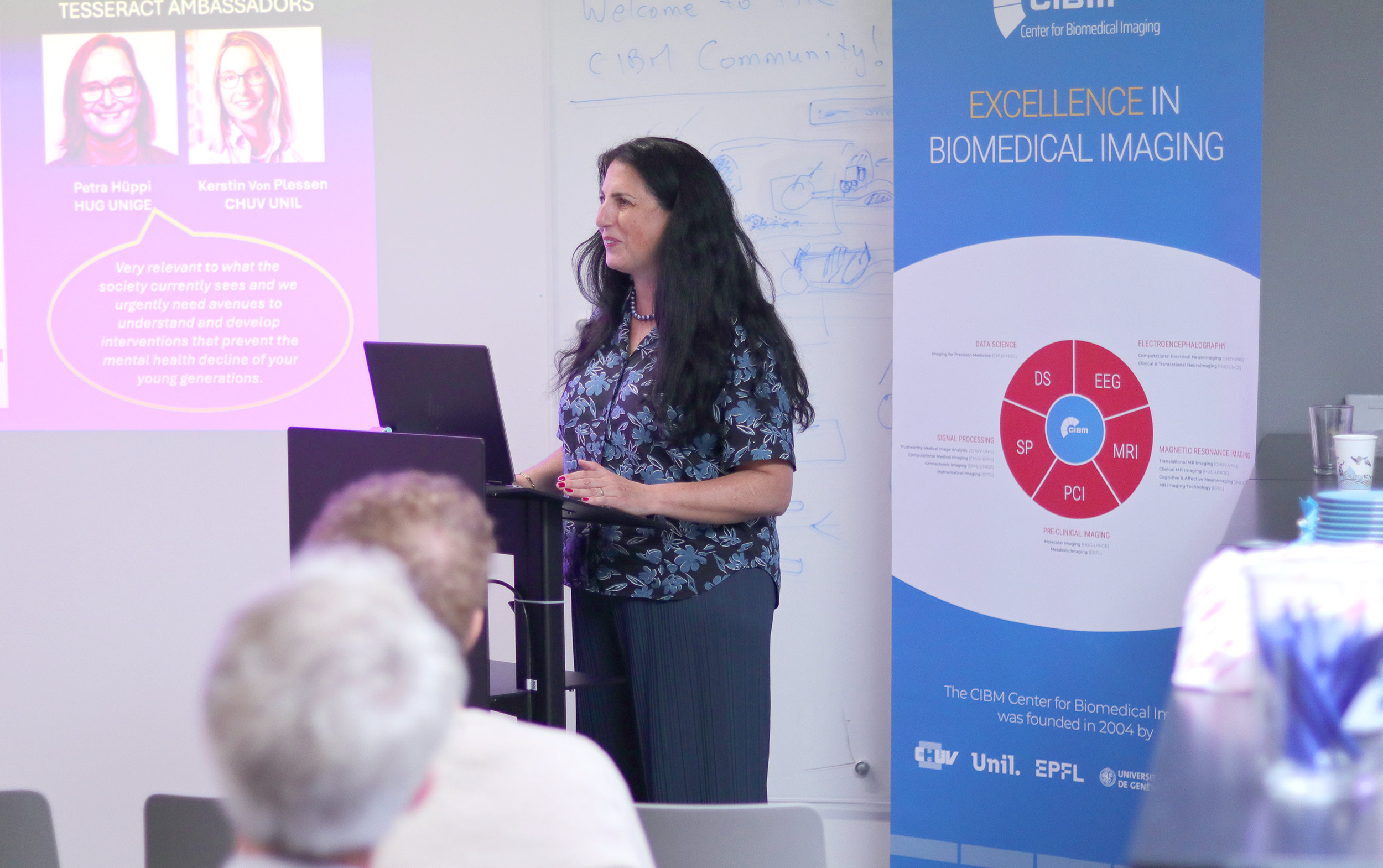
In the closing session, Ivan Diaz (CIBM EPFL) shared early results on motion- and eye-tracking with children; Maxwell Kay (Georgetown) reported on AI-driven homogenization across more than 370,000 college essays; Mason Munoz (Georgetown) presented TMS evidence for the role of DMN–FPCN dynamics in creative performance; and Paola Zanchi (CIBM CHUV) presented neuroimaging data showing how artistic interactions trigger creativity brain networks. Pina Marziliano (CIBM) closed the day with an inspiring note on the TESSERACT initiative.
Creativity, these three days reminded us, is rarely a solo act. It grows in shared questions, mountain air, and the patient observation of children at play/work, and, if we are lucky, in the company of others willing to look with us!