
Creativity, Brain & Education
This one-day symposium brings together leading researchers in the field of creative thinking to explore how creativity emerges, develops, and can be nurtured through education.
Co-organized by the CIBM MRI EPFL Section and HEP Vaud, the symposium is designed to support and inspire the ongoing TESSERACT research initiative, which aims to advance a holistic understanding of child development, learning, and creativity.
Attendance is available both onsite (limited to 40 places!) and online. Participants can choose between several registration options: full-day attendance with lunch, morning sessions only, afternoon sessions only, or online participation.
To enhance the onsite experience, a lunch break with networking opportunities will be offered to the ones registering for the full day. Please, don’t forget to request the lunch during registration to facilitate the organisation. Alternatively, participants may explore nearby restaurants on campus.
This day is made possible through the generous support of Gianni Biaggi, the Swiss National Science Foundation, and CIBM Center for Biomedical Imaging. We look forward to welcoming you for a day of creativity, learning, and connection!
THANKS TO OUR SPONSORS
REGISTER NOW!
PROGRAMME
9:00 – 9:30 Welcome coffee & croissants
09:30 – 09:40 Welcome and opening remarks
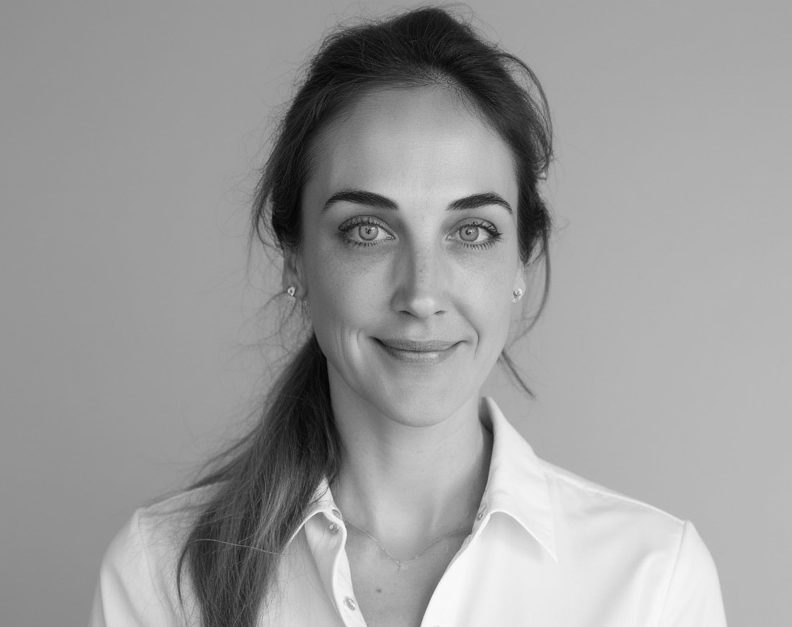
Solange Denervaud
CIBM MRI EPFL
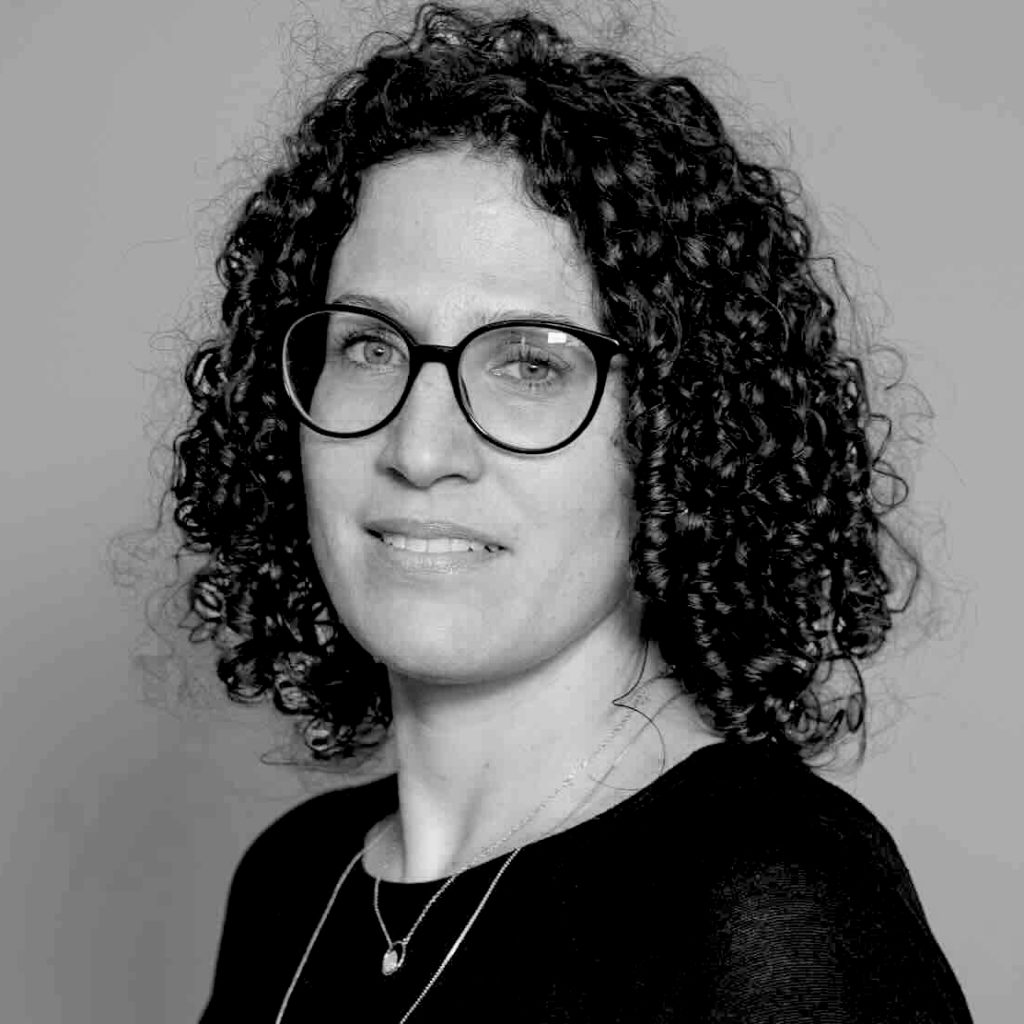
Catherine Audrin
HEP Vaud
MORNING SESSIONS – Brain, body & creativity
09:40 – 10:40 WORKSHOP & TALK: Improvisation as Embodied Practice: Observing and Training Collective Creativity
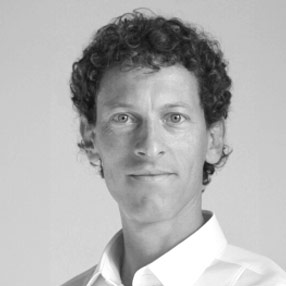
Simon Henein
EPFL & EPFL Students
ABSTRACT
This intervention by Simon Henein (EPFL Professor), Simona Ferrar (Coordinator of EPFL’s Performance Lighthouse) and four alumni students (Emily Carrara, Mireia Blanco Gomez, Mathis Duguin and Flore Castorini) from the “Collective creation: improvised arts and engineering” (IMPROGINEERING*) course from EPFL’s SHS program will present elements stemming from this course in mixed form combining a talk, a short performance, a collective workshop, and a discussion.
*The IMPROGINEERING course is part of the Social and Human Sciences (SHS) programme of EPFL and was developed by Prof. Simon Henein in collaboration with performance artist Joëlle Valterio and the Centre d’art scénique contemporain de Lausanne (Arsenic).
Since 2017, this course introduces students to improvisation techniques developed in the performing arts (theatre, music, dance, performance) and questions their possible transposition to engineering design practices. The collective creative processes studied are implemented in a project that leads to a public presentation on the Arsenic stage. The performances improvised by the students include technical realisations, revealing polarities and articulations between their physical presence and that of their artefacts.
BIO
Simon Henein is Professor in Microengineering at Ecole Polytechnique Fédérale de Lausanne (EPFL, Switzerland) and Director of the Micromechanical and Horological Design Laboratory (Instant-Lab). His engineering research focuses on the design of micromechanical mechanisms for mechanical horology, biomedical instrumentation and aerospace mechanisms. His teachings in the field of engineering are project-based courses on the design of precision mechanisms. He is also strongly involved in the humanities as well as art-based learning with several teachings: from 2017 to 2024 he taught a course entitled “Collective creation: improvised arts and engineering” (Improgineering) within EPFL’s Social and Human Sciences (SHS) programme. In 2024 he received a Courtesy Appointment from EPFL’s College of Humanities where he set up EPFL’s “Performance Lighthouse”, a platform dedicated to the promotion of performance art projects driven by EPFL students. Since 2026 he is lecturer at ETHZ, where he teaches a doctoral course entitled “Ethical integrity in the sciences – in and through performance” open to all EPFL and ETHZ PhD students. In 2018 he initiated a research project in learning sciences entitled “Performing Arts as Pedagogical Tool in Higher Education” (ASCOPET) which lead to the publication a book entitled “Barefoot academic teaching” (Schibri-Verlag).
10:40 – 11:30 KEYNOTE: Brain-based approaches to developing reasoning and creativity in the lab and classroom
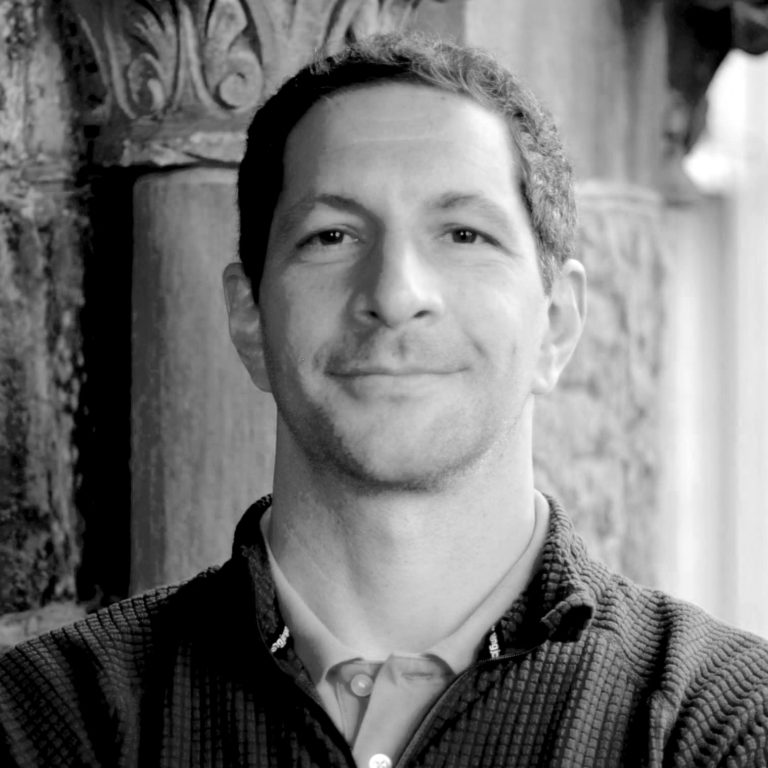
Adam Green
Georgetown University
ABSTRACT
Understanding how the brain changes during learning offers intriguing potential for developing and assessing educational curricula. This talk presents research using neuroimaging and neuromodulation to bridge laboratory and classroom approaches to reasoning and creativity. The first (and largest) section of the talk focuses on a longitudinal fMRI study in which high school students received a spatially enriched STEM curriculum. Neural changes in spatial cognition–implicated regions not only tracked learning within the spatial domain but predicted transfer to verbal reasoning better than behavioral performance measures, grades, and standardized test scores — suggesting that brain-based measures can capture something about the transferability of learning that traditional assessments miss. The second section briefly surveys a range of lab-based projects applying neuromodulation techniques — including transcranial electrical stimulation, closed-loop TMS-EEG, transcranial focused ultrasound, and neurofeedback — to investigate how creative neurocognition can be understood and enhanced. The final section introduces an ongoing classroom study using portable fNIRS to track curriculum-related changes in network connectivity associated with gains in creative thinking. Taken together, this work points toward a longer-term vision in which neural markers of learning-related change inform how we design and evaluate curricula aimed at developing students’ capacity for reasoning and creative thought.
BIO
Adam Green is Professor of psychology at Georgetown and director of the Georgetown Lab for Relational Cognition. He is a founder and past president of the Society for the Neuroscience of Creativity and serves as Editor-in-Chief of Creativity Research Journal. Adam’s work integrates cognitive neuroscience, educational science, and computational approaches to understand and support mechanisms of creativity and learning, including studies leveraging neuroimaging to develop teaching strategies in real-world classrooms. Ongoing NSF- and foundation-funded research projects in Adam’s lab are applying neural measurements of concept learning in classrooms to build new curricula; developing measures of human creative value in AI co-creation as a predictor of academic success, leadership, and human flourishing; and leveraging neurofeedback and neuromodulation to support creative thinking. Adam received a Ph.D. in cognitive neuroscience from Dartmouth and did his post-doctoral training at Yale.
11:30 – 12:15 KEYNOTE: Body motion and creativity
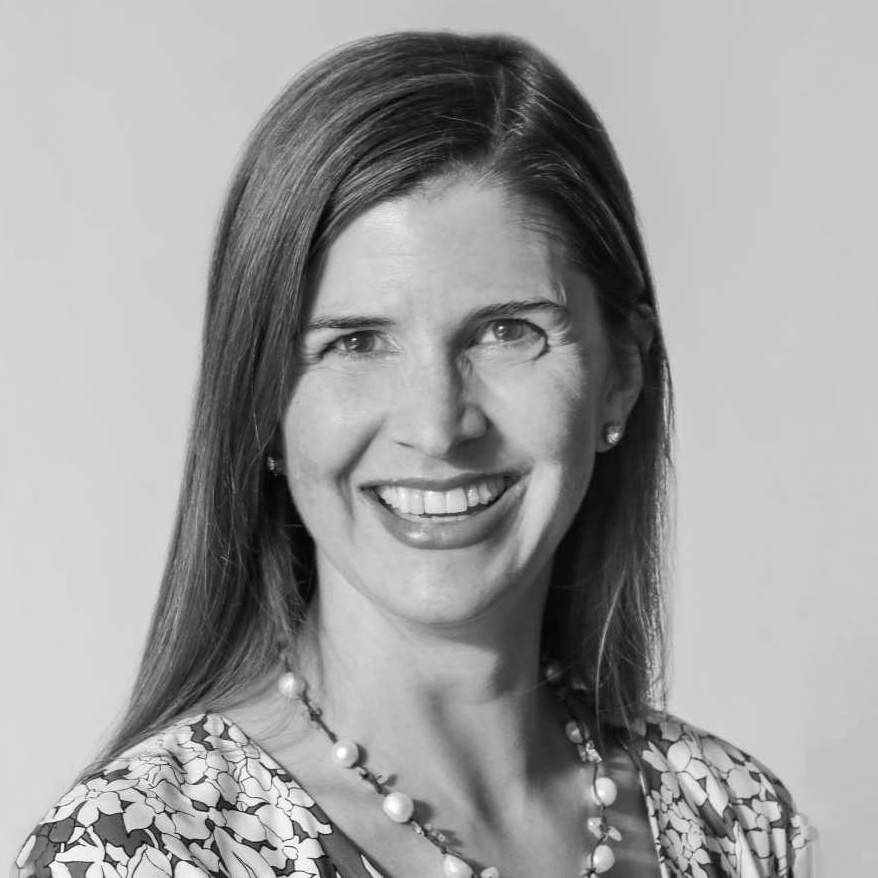
Emily Cross
ETH Zürich
ABSTRACT
Why do humans dance, and what can movement tell us about the creative mind? Drawing on converging perspectives from neuroscience, embodied cognition, and dance science, through this talk I aim to explore dance in general (and dance improvisation in particular) offers a powerful window into creative processes as they unfold in real time, in real bodies, embedded in real environments. Creativity is not a disembodied cognitive act; it is situated, dynamic, and shaped by the interplay between mover, social partner, observer, and physical space. New work emerging from a collaboration with Prof. Simon Henein and the INSTANT-Lab at EPFL is examining how best to operationalise, quantify and qualify the creative process in movement generation. Our aim is to weave together these threads to develop a richer, more ecologically valid account of human creativity — one that begins with the body.
BIO
Dr. Emily S. Cross is a Professor of Cognitive and Social Neuroscience at ETH Zurich in Switzerland, where she leads the Social Brain Sciences Lab. She and her team explore fundamental questions related to social perception and interaction, with a particular focus on fostering and sustaining meaningful encounters between humans and artificial agents, and how aesthetics shapes our interactions and creative encounters with other humans and AI. After completing her PhD in Cognitive Neuroscience at Dartmouth College, she pursued postdoctoral training at the Max Planck Institute and has held faculty positions at Radboud University Nijmegen (NL), Bangor University (Wales), University of Glasgow (Scotland), and Macquarie and Western Sydney Universities (Australia). Emily also serves as a member of UNESCO’s International Bioethics Committee, where she has contributed to major reports surveying the ethical landscape of emerging neurotechnologies and the mental health consequences of digital technologies for children and adolescents.
12:15 – 13:45 Sandwich Lunch + Networking
AFTERNOON SESSIONS – Emotions, education & emerging voices
13:45 – 14:30 DEMO & TALK: Hands-on demo: convergent vs. divergent creative thinking — followed by School experience, body-based learning & creative thinking
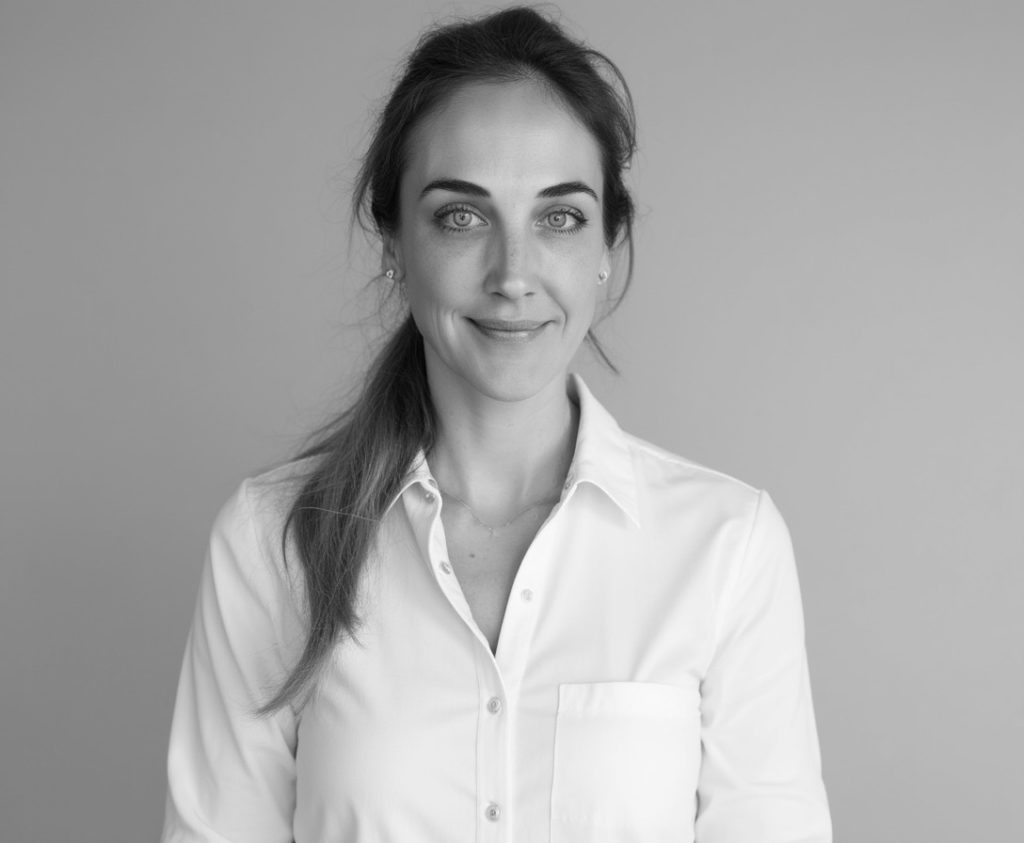
Solange Denervaud
CIBM MRI EPFL
ABSTRACT
In this hands-on workshop, led together with Paola Zanchi and Ivan Diaz, participants will explore and put to the test their own creative thinking, both convergent (finding the single best solution) and divergent (generating many possible ones). Through a series of short, playful exercises, attendees will tackle the same challenges first on their own and then in small groups, experiencing firsthand how working alone differs from working collectively. The aim is not to measure performance but to make creative processes tangible: to feel when ideas flow or stall, when a group amplifies thinking or constrains it, and what each mode of working uniquely affords.
BIO
Solange Denervaud is a researcher in developmental cognitive neuroscience whose work focuses on how children’s thinking, learning, and creativity develop, and on how educational environments shape that development. Combining behavioral methods with neuroimaging, she investigates the cognitive and neural mechanisms underlying divergent and convergent thinking in childhood. She is particularly interested in bridging research and educational practice to better understand the conditions that foster creative and flexible minds. She joined CIBM in 2023 to coordinate the CIBM TESSERACT Initiative.
14:30 – 15:00 TALK: Cognitive Fixation and Flexibility: Mechanisms and Challenges for Fostering Creativity in Education
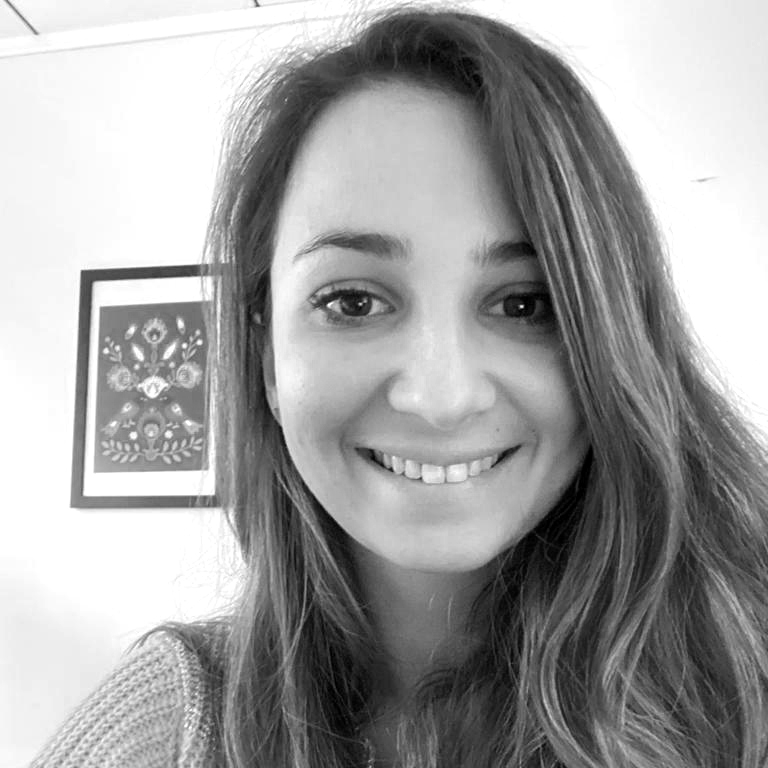
Anaëlle Camarda
Université de Nantes
ABSTRACT
In response to contemporary challenges, educational systems are increasingly expected to prepare students to solve open-ended problems, adapt their knowledge to novel situations, and generate creative solutions. Yet this desired cognitive flexibility is constrained by a robust phenomenon identified in cognitive science: cognitive fixation. Cognitive fixation refers to the tendency to rely spontaneously on the most accessible responses in memory—shaped by prior knowledge, habits, or salient examples—rather than exploring alternative possibilities. Although this mechanism generally supports cognitive efficiency, it can become a major obstacle when situations require moving beyond habitual patterns of thought to generate novel and appropriate ideas. This talk will provide an overview of recent research on cognitive fixation in creativity and problem-solving tasks and address a central question: are fixation effects universal cognitive biases, or are they shaped by cultural and educational contexts? Drawing on international studies conducted with adolescents, I will show that while some fixation mechanisms appear to be broadly shared, their expression remains sensitive to learning environments and social norms. The presentation will then introduce the cognitive processes involved in overcoming fixation through the triadic model of creativity, which conceptualizes creative production as the dynamic interaction of three components: knowledge activation, cognitive control, and metacognitive regulation. This framework helps explain cognitive defixation—the ability to inhibit dominant responses, explore alternative solution spaces, and adapt search strategies. Finally, the talk will discuss implications for education, questioning the limits of commonly used creativity-enhancement practices and presenting avenues for designing learning environments that foster exploration, generative reasoning, and the development of creative competencies. The challenge is not simply to help students produce more ideas, but to help them learn to think differently.
BIO
After earning a degree in psychology with a specialization in cognitive psychology and neuropsychology from Paris Descartes University, she pursued a PhD at the LaPsyDÉ laboratory, focusing on cognitive development in children and adolescents. She then completed postdoctoral research at Mines Paris (Centre de Gestion Scientifique) and at the Catholic University of Louvain, where she further investigated the development of cognitive mechanisms underlying creativity and how to foster them in businesses, schools, and public policy.
She is currently a research fellow at the Institut Supérieur Maria Montessori, affiliated with the LaPéa laboratory at Université Paris Cité, and an associate researcher at the Institute of Psychology at the Catholic University of Louvain. Her work spans from laboratory research (behavioral and neuroimaging) to applied research in real-world settings, particularly in educational environments.
15:00 – 15:30 TALK: Epistemic emotion: the creativity–curiosity relation
Catherine Audrin
HEP Vaud
ABSTRACT
Creativity is widely recognised as a core competency for learners, yet its emotional underpinnings remain only partially understood. While research has extensively explored the role of positive and negative affect in creative processes, far less attention has been paid to epistemic emotions — a specific family of academic emotions tied to knowledge acquisition and cognitive engagement, including curiosity, surprise, confusion, enthusiasm, and boredom. This talk presents empirical research investigating how epistemic emotions are implicated in creative activity. We situate these findings within the Integrative Appraisal Model of Epistemic Curiosity and discuss implications for designing curiosity-supporting creative learning environments.
BIO
Catherine Audrin is an associate professor at the University of Teacher Education – Vaud (Switzerland). Her research focuses on the emergence and dynamics of emotions in educational contexts, with particular attention to both teacher and student emotions and their proximal and distal antecedents. Through this work, she has contributed to elucidating the mechanisms through which emotions shape teaching practices, learning experiences, and student engagement. She is also actively involved in developing and evaluating educational interventions aimed at fostering emotional competence, well-being, and educational success.
15:30 – 16:10 BRIEF TALKS: Brief talks on topics in creativity research
Embodied Creativity Evaluation
Ivan Diaz, CIBM, EPFL
ABSTRACT
We will present preliminary results on using motion tracking of the hands and eye-tracking glasses while having children perform manual creativity tasks with LEGOs. Specifically, we ask them to perform a task repeatedly while adding constraints to their solution. We will also demonstrate an experimental setup we would like to use to perform these same tasks while inside an MRI scanner with the physical constraints that such a setting entail. We further present results of work using body motion tracking and pose estimation to analyze the interaction between children and therapeutic clowns in free-play interactions.
The Creative Link Between Words and Ideas is Weakening in the Era of AI
Maxwell Kay, Georgetown University
ABSTRACT
Concerns that AI homogenizes human thinking appear at odds with findings that LLM writing is perceived as more creative than human writing. We propose that LLMs enhance superficial semantic diversity while simultaneously homogenizing underlying ideas. Four large-scale natural experiments tested this preregistered “disjunctive homogenization” hypothesis in 372,793 personal statements written in high-stakes college admissions contexts. Comparing before-versus-after ChatGPT’s release revealed increasing word-level diversity simultaneous with decreasing conceptual diversity at sentence and whole-document levels. Controlled experiments provided causal evidence of AI’s influence and identified a plausible mechanism: a positive association of word-to-idea diversity in humans was reversed in GPT. Despite conceptual homogenization, raters perceived post-ChatGPT essays as more creative due to increased word-level diversity, even when considering multiple essays. Disjunctive trends were strongest among minoritized applicants.
Stimulating Creativity: Causal Evidence from Precision Network-Targeted TMS
Mason Munoz, Georgetown University
ABSTRACT
Creative thinking is associated with a shift from anticorrelation to cooperation between the default mode network (DMN) and frontoparietal control network (FPCN), with stronger DMN–FPCN coupling predicting higher creativity, yet most evidence for this relationship remains correlational. Using precision, person-specific transcranial magnetic stimulation (TMS) in a multi-session within-participant design, this study directly modulated activity within and between the DMN and FPCN to test their causal role in creative performance, assessed via flexibility and originality on the Alternate Uses Task. Linear mixed-effects models examined stimulation effects on creativity while accounting for individual differences in baseline network connectivity, with additional analyses testing whether TMS-driven changes in connectivity predicted changes in creative performance. Results suggest that modulating DMN and FPCN activity influences creative flexibility and originality in ways that depend on individuals’ baseline network connectivity, providing causal evidence that DMN–FPCN dynamics underlie creative cognition and suggesting that individualized connectivity profiles could guide personalized neurostimulation approaches for enhancing creativity.
16:10 – 16:20 Closing remarks & open discussion
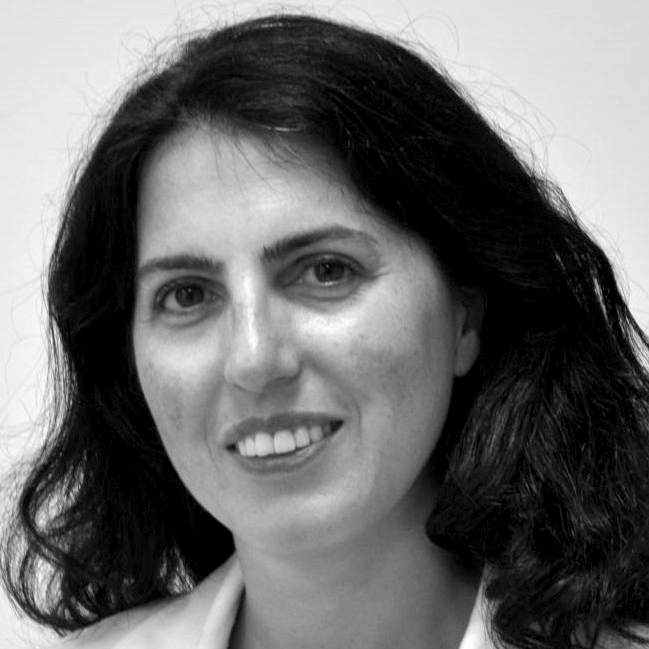
Pina Marziliano
CIBM
16:30 – 17:30 Cakes & Juices network
- 17 Jun 2026
- Expired!
- 9:00 am - 5:00 pm
- CIBM seminar room, EPFL, Lausanne & online