ABSTRACT
The development of radiotheranostic tracers lies at the intersection of chemistry, biology, and clinical translation. This presentation outlines the conceptual and methodological framework that guides the design of molecules capable of both imaging and treating cancer. Central to this process is the systematic modulation of molecular scaffolds—antibodies, peptides, and small molecules—to achieve optimal target affinity, pharmacokinetics, and dosimetry. Parallel diagnostic and therapeutic variants are generated through controlled changes in radiolabels or chelators, enabling prediction and validation of biological behavior across modalities. Experimental feedback from preclinical imaging, biodistribution, and therapy studies iteratively informs refinement of tracer structure and choice of radionuclide. Beyond molecular optimization, integrated theranostic development increasingly embraces multidimensional strategies—combining radioligand therapy with immune modulation, radiosensitization, or adaptive treatment design based on quantitative imaging data. These approaches represent a shift from empirical discovery toward mechanism-driven engineering of radiopharmaceuticals. The goal is to establish a reproducible translational pipeline where diagnostic tracers not only visualize disease but function as predictive and adaptive tools for personalized therapy.
BIO
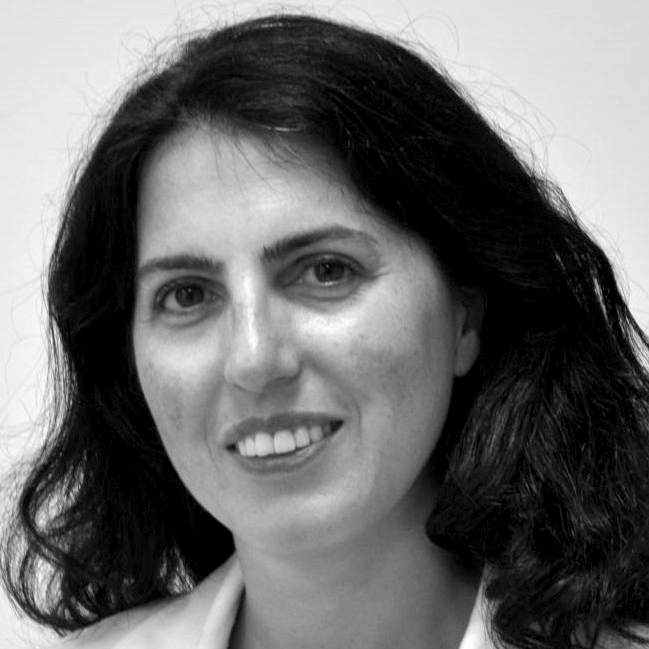
Margret Schottelius is Associate Professor of Translational Radiopharmaceutical Sciences at the Centre Hospitalier Universitaire Vaudois (CHUV) and the University of Lausanne, Switzerland. Trained as a chemist at ETH Zürich and TU Munich, she has over two decades of experience in translational tracer development and molecular imaging. Her research focuses on the rational design and clinical translation of peptide- and small molecule–based theranostic agents for oncology and immuno-oncology, aiming to bridge (radio)chemistry, biology, and medicine to advance precision radiotheranostics.