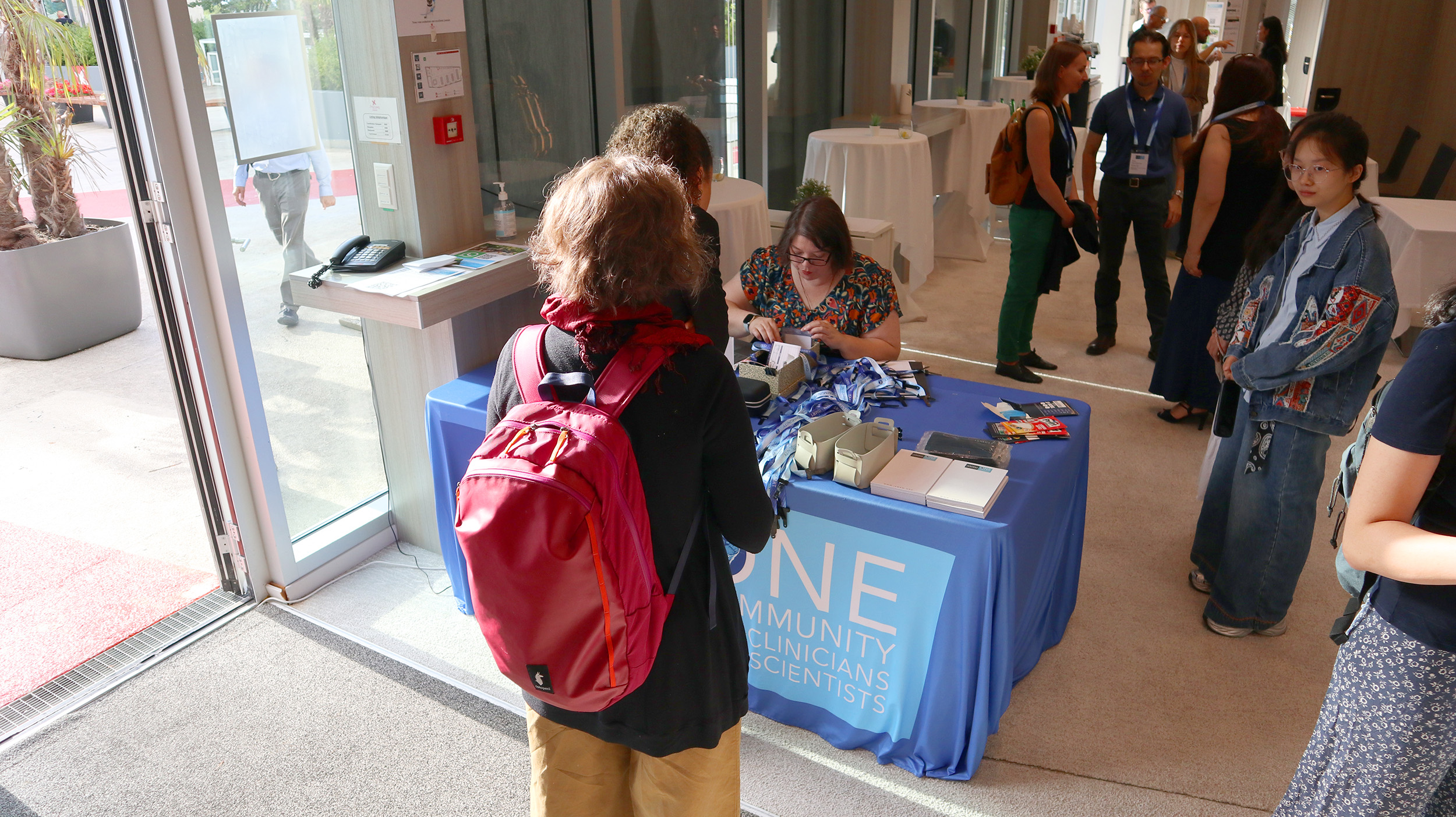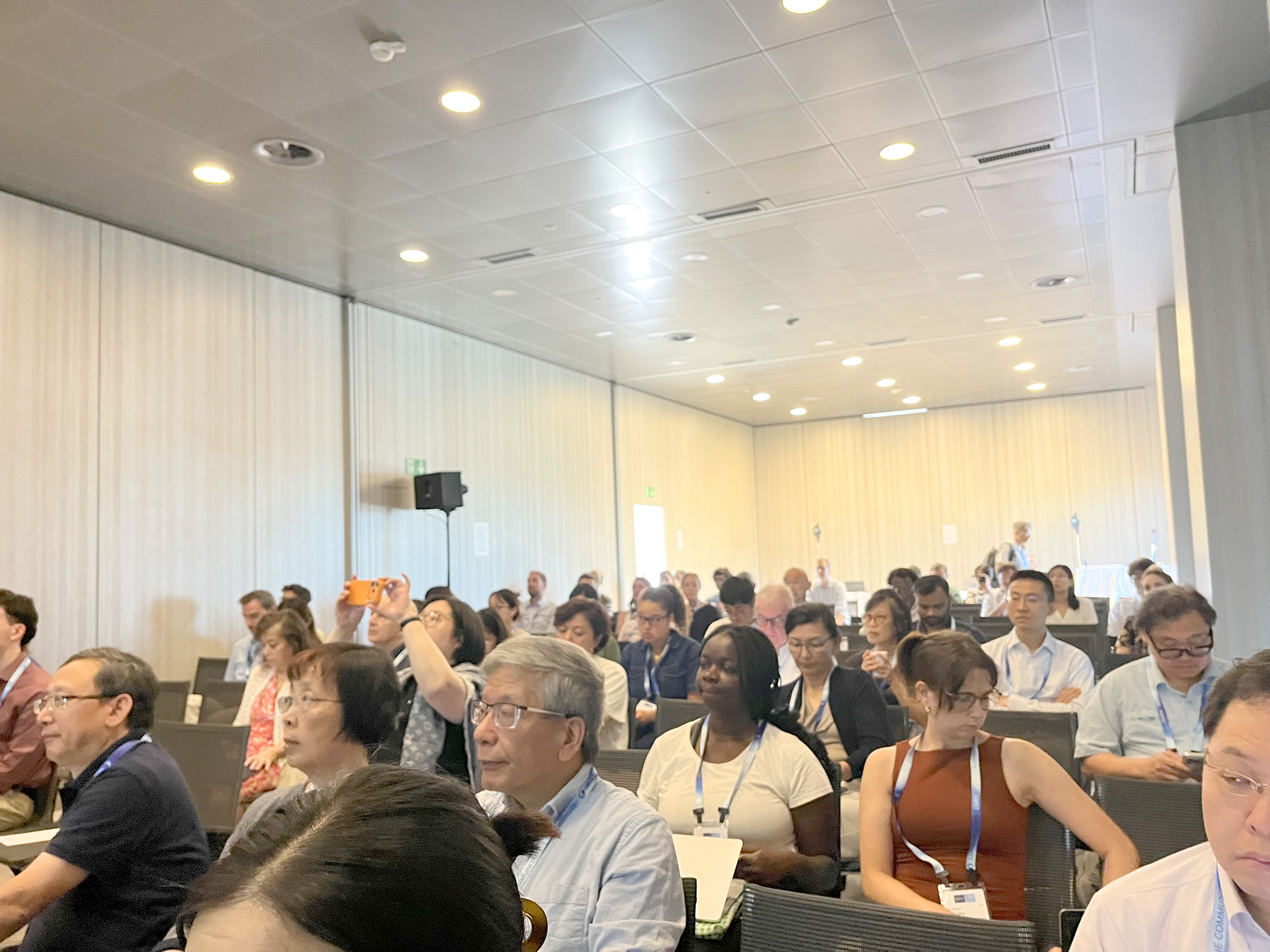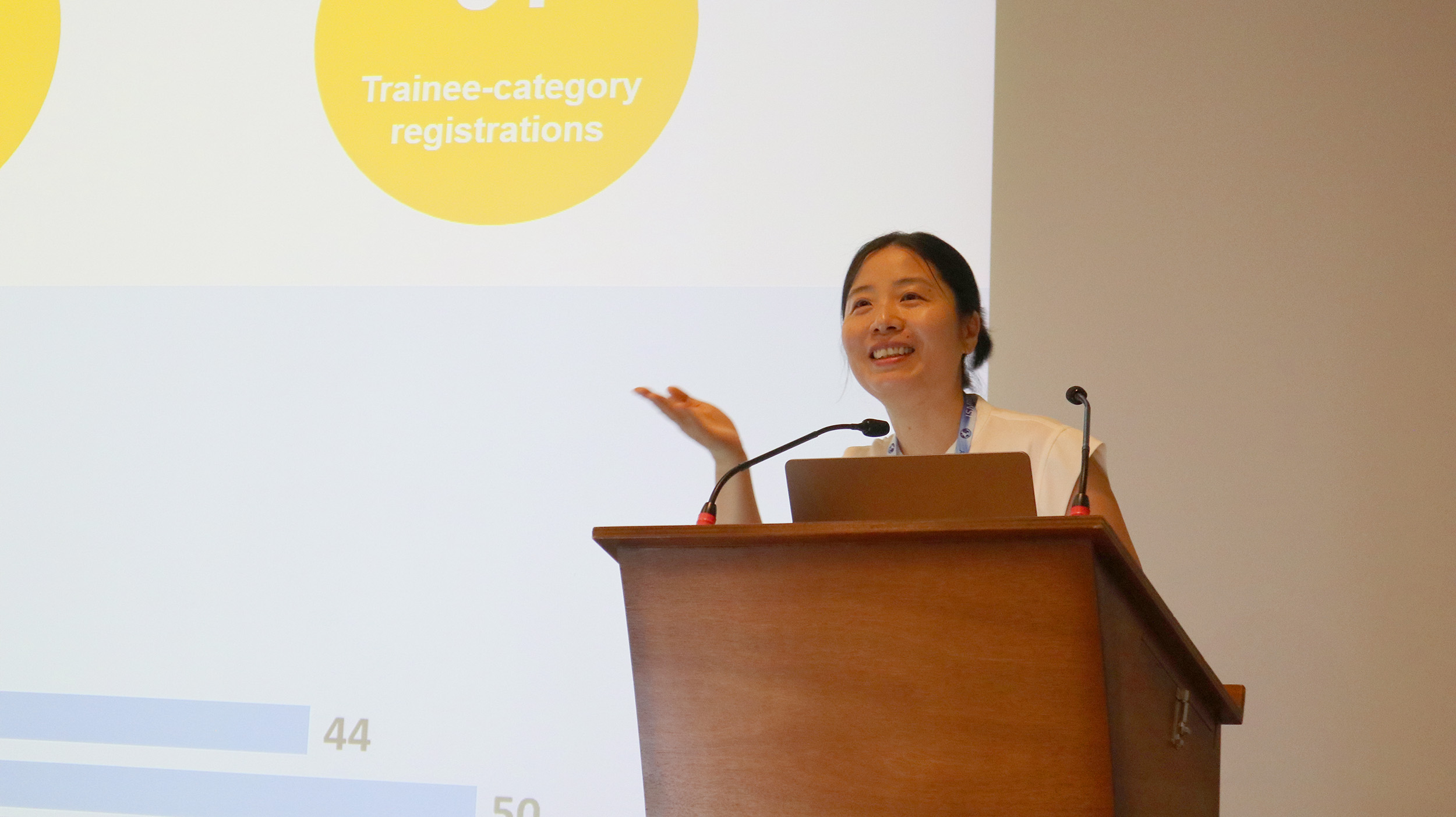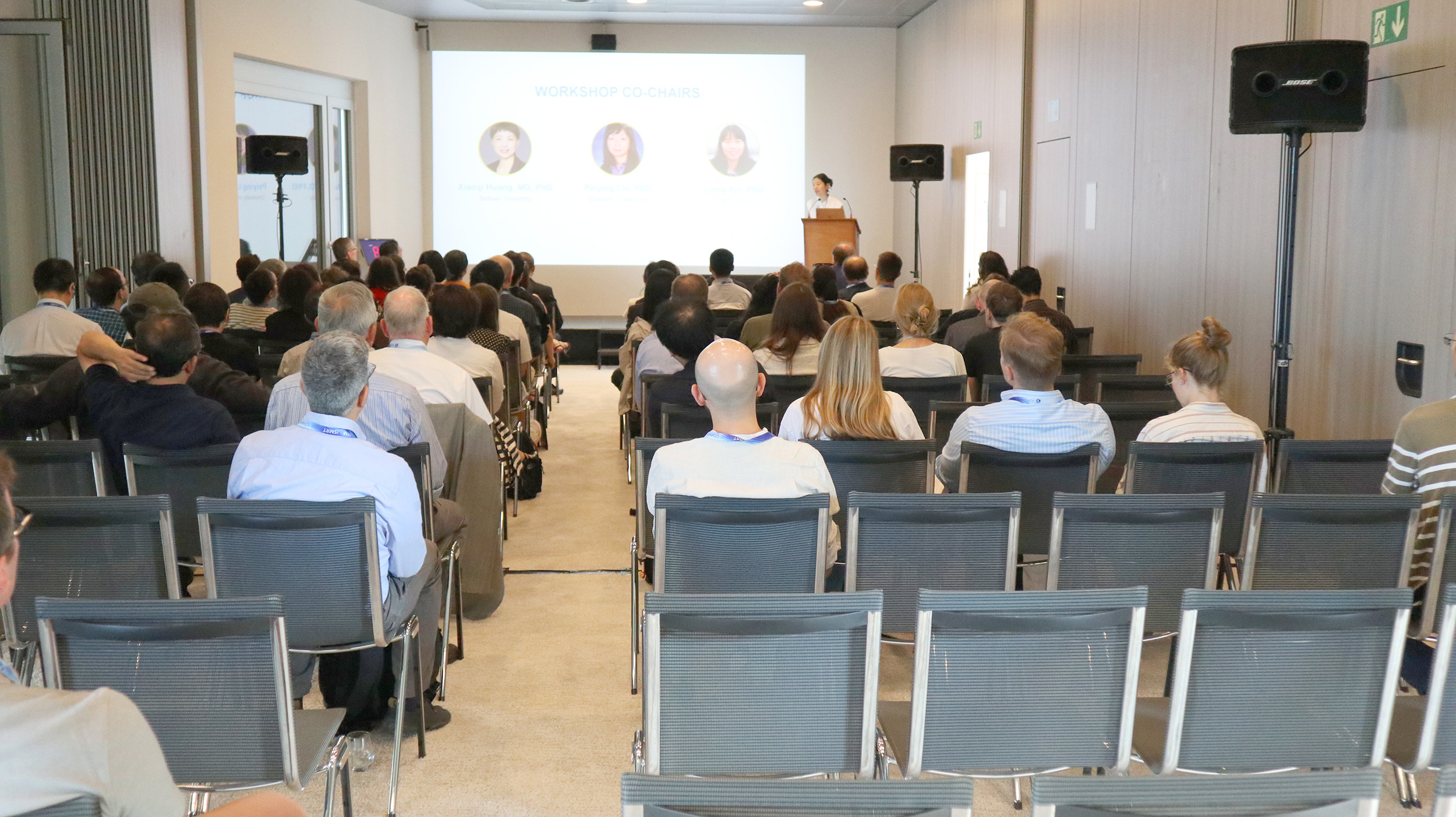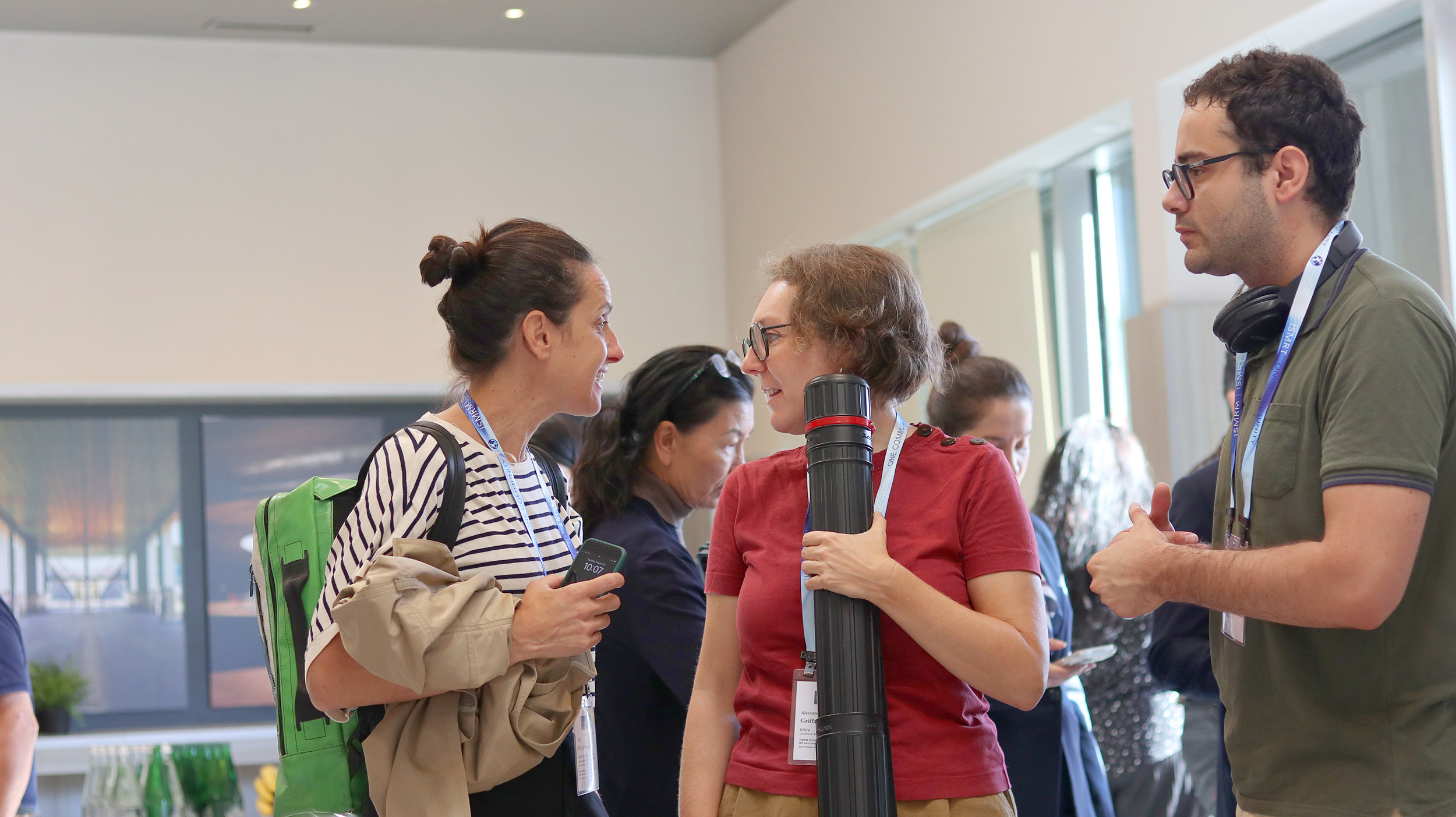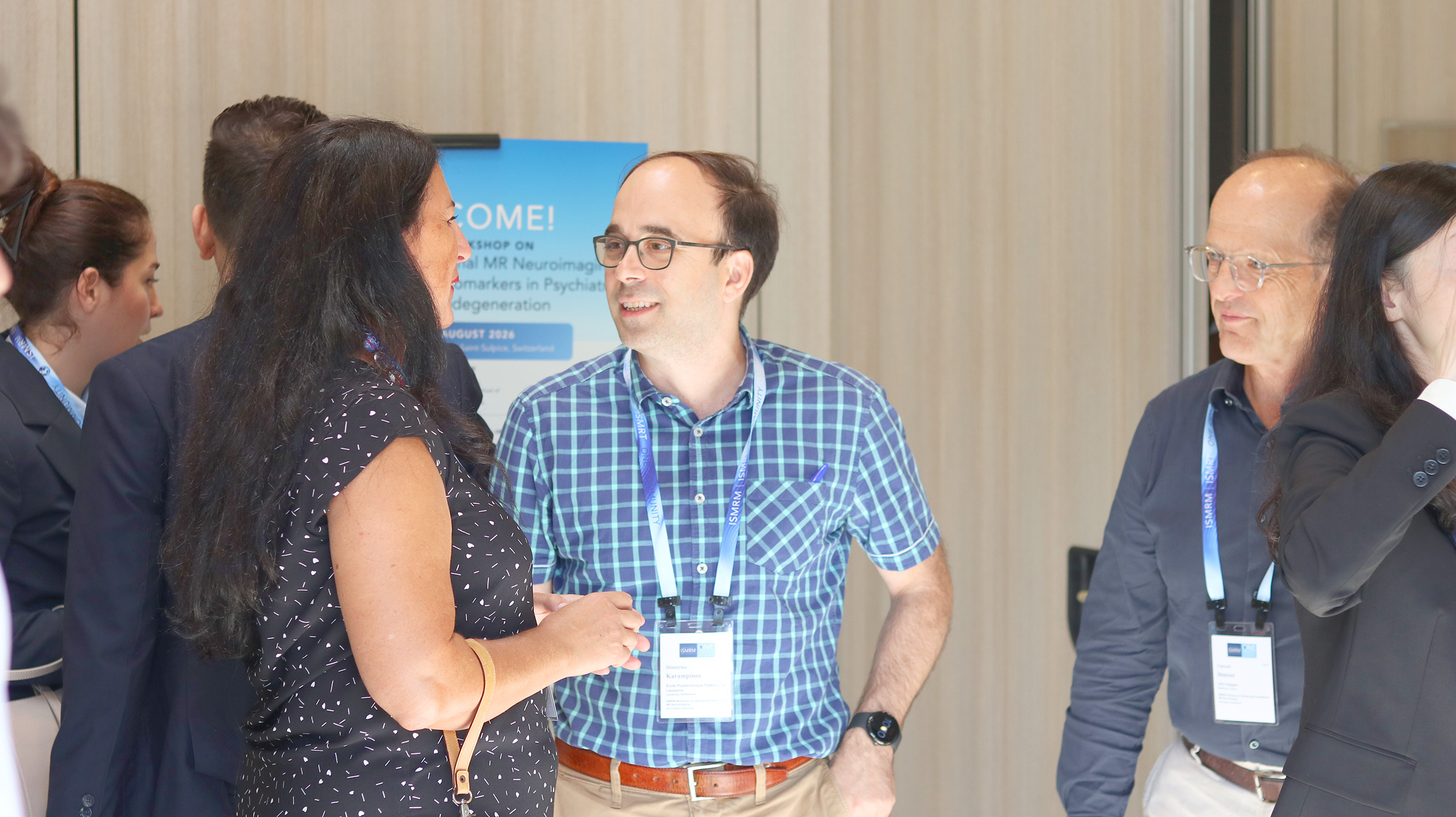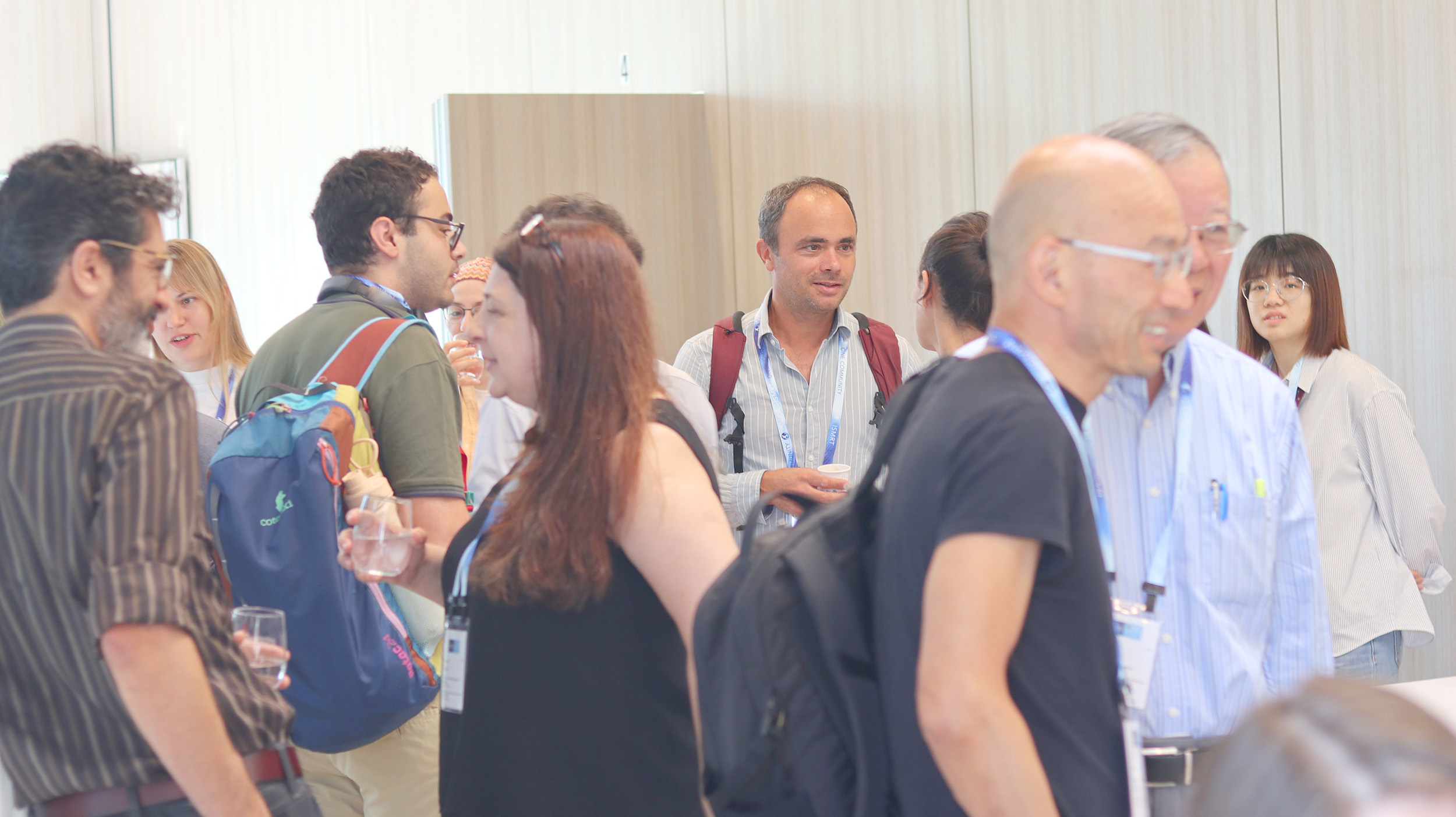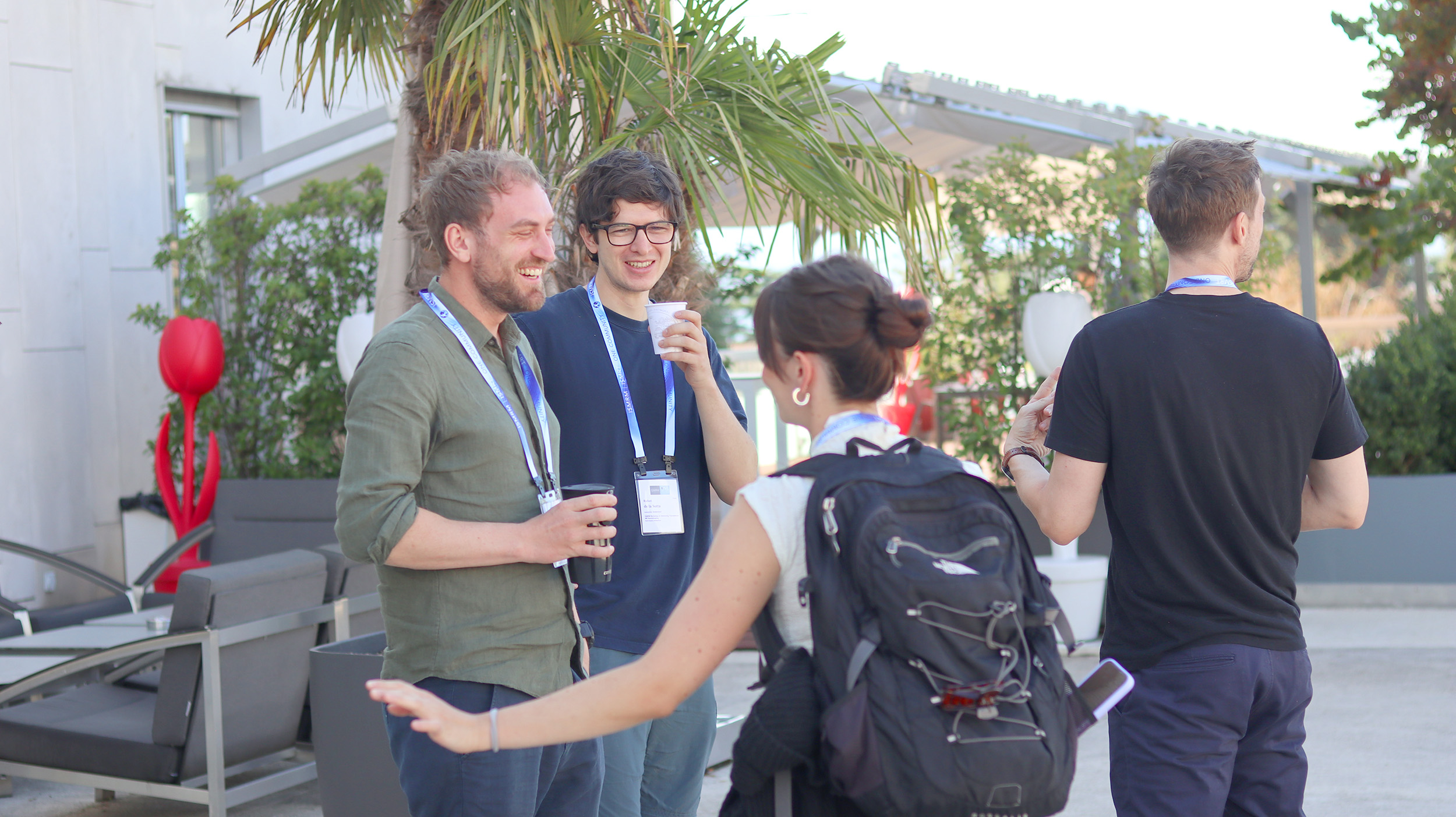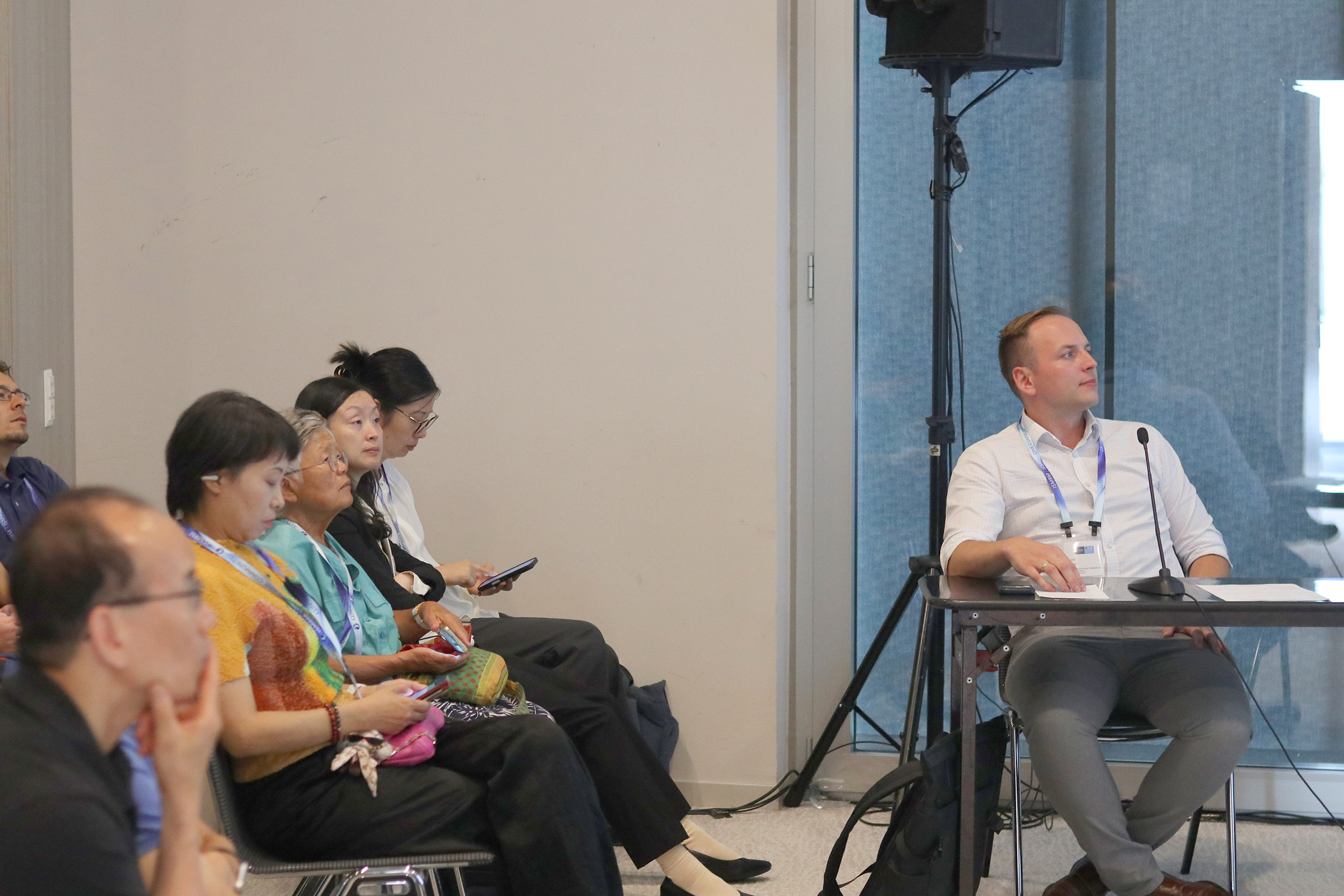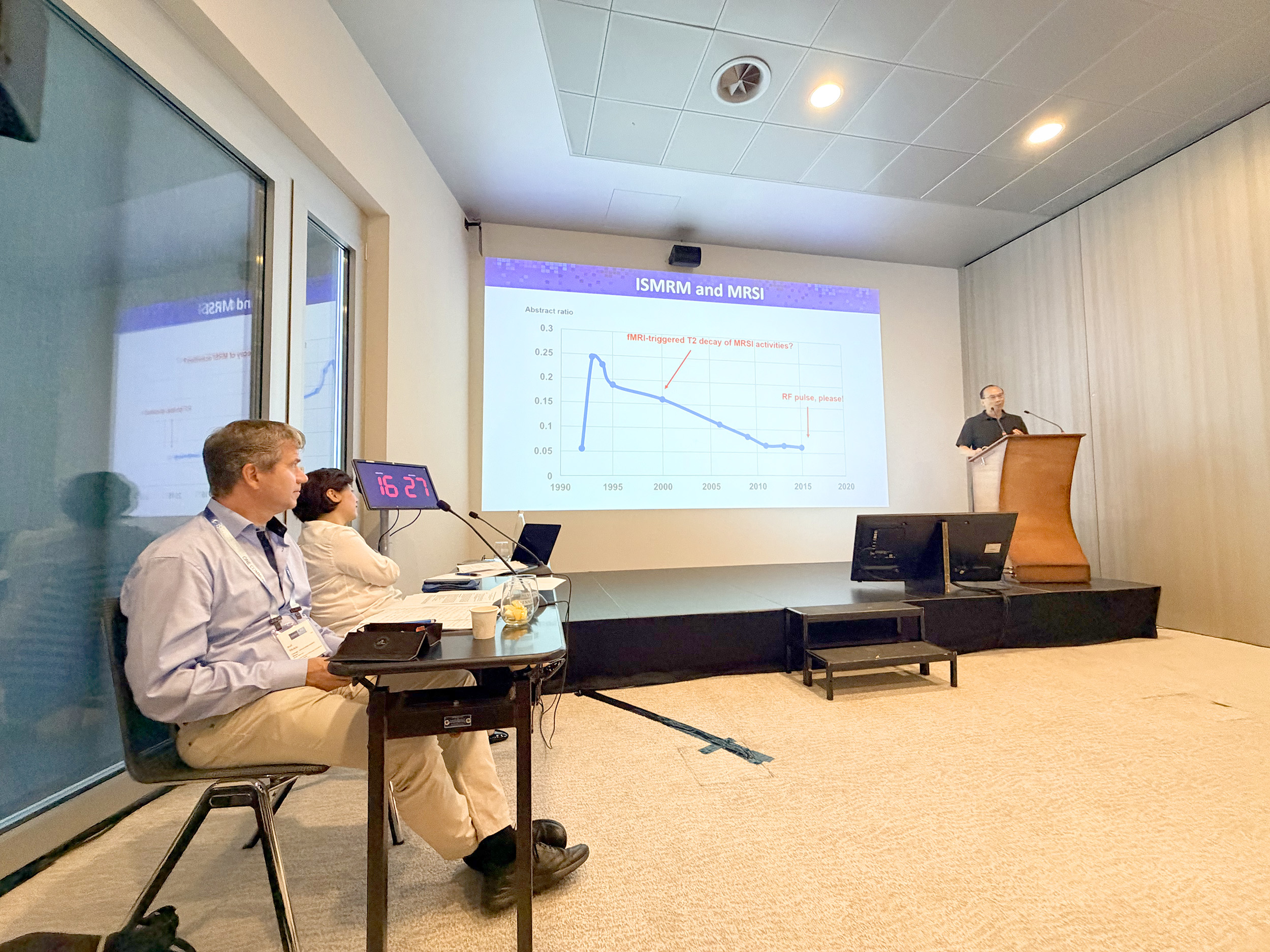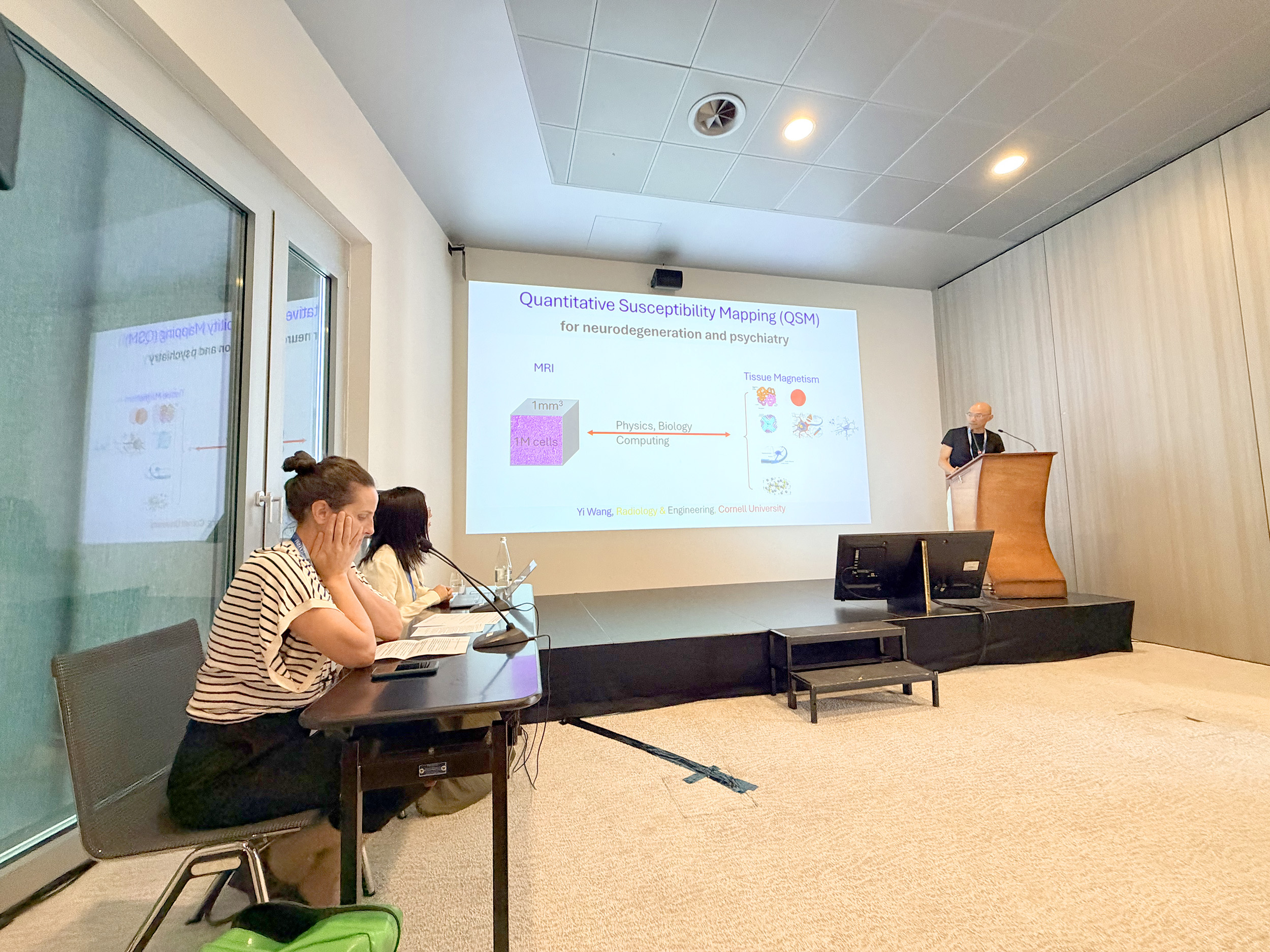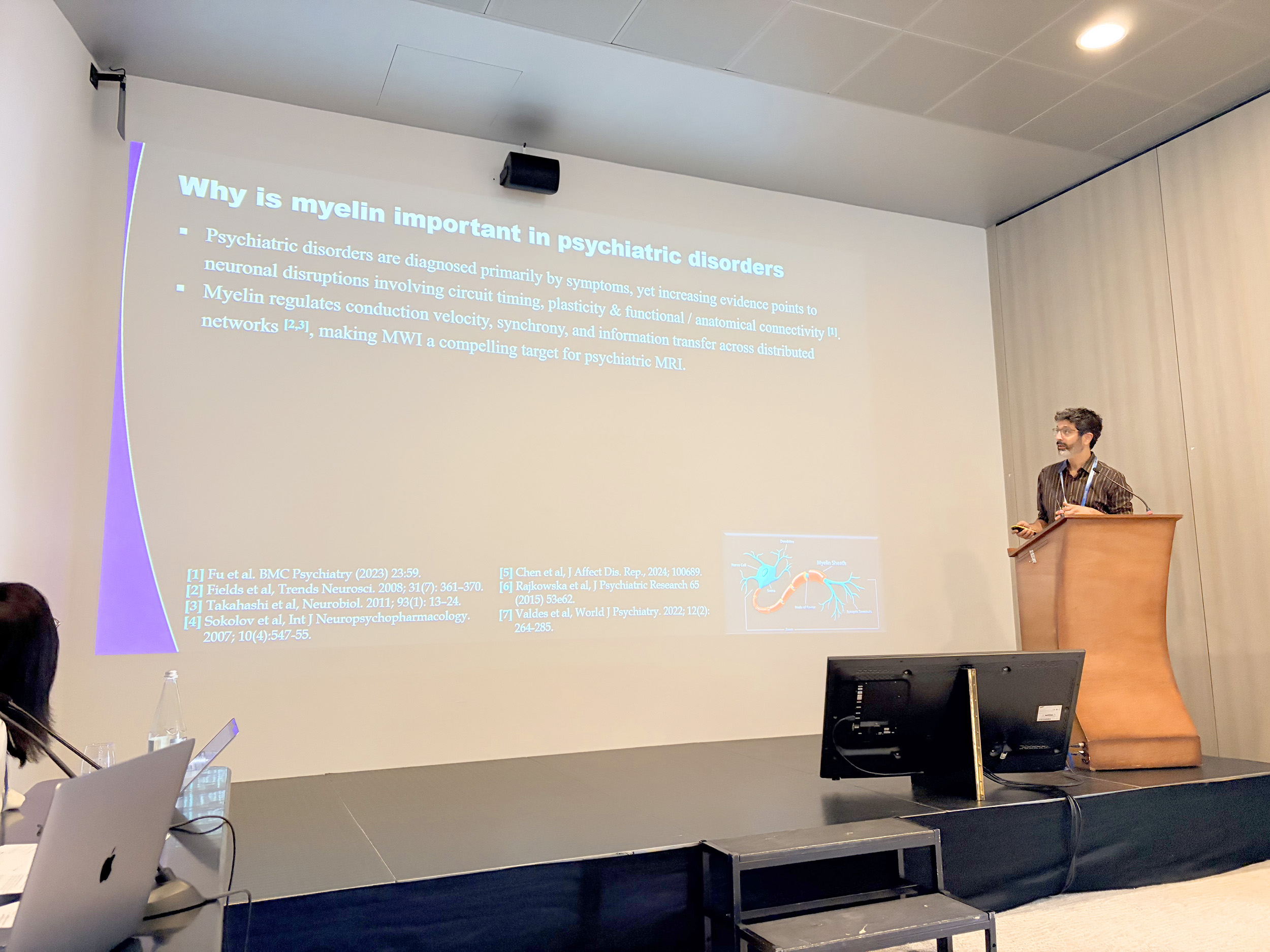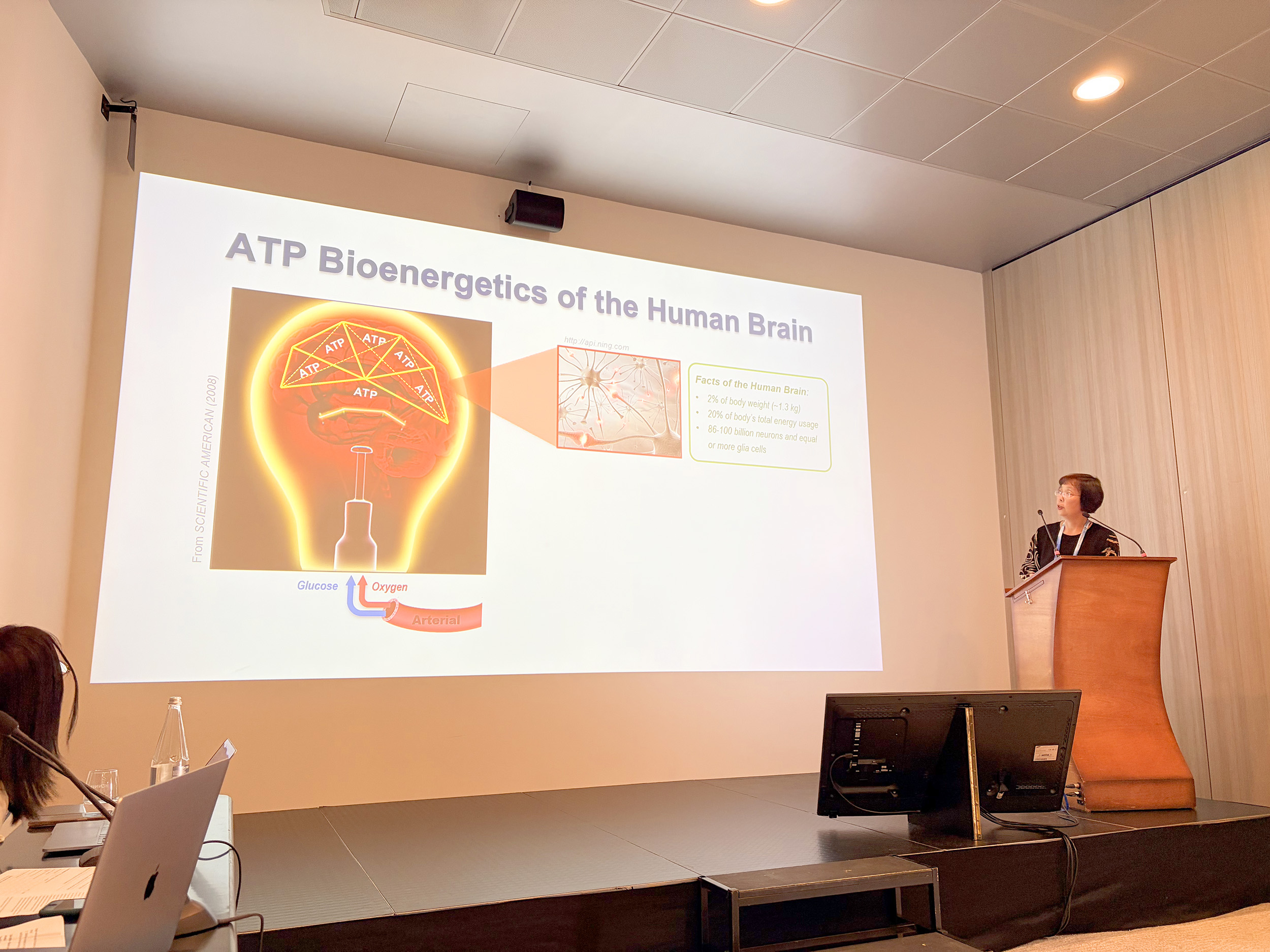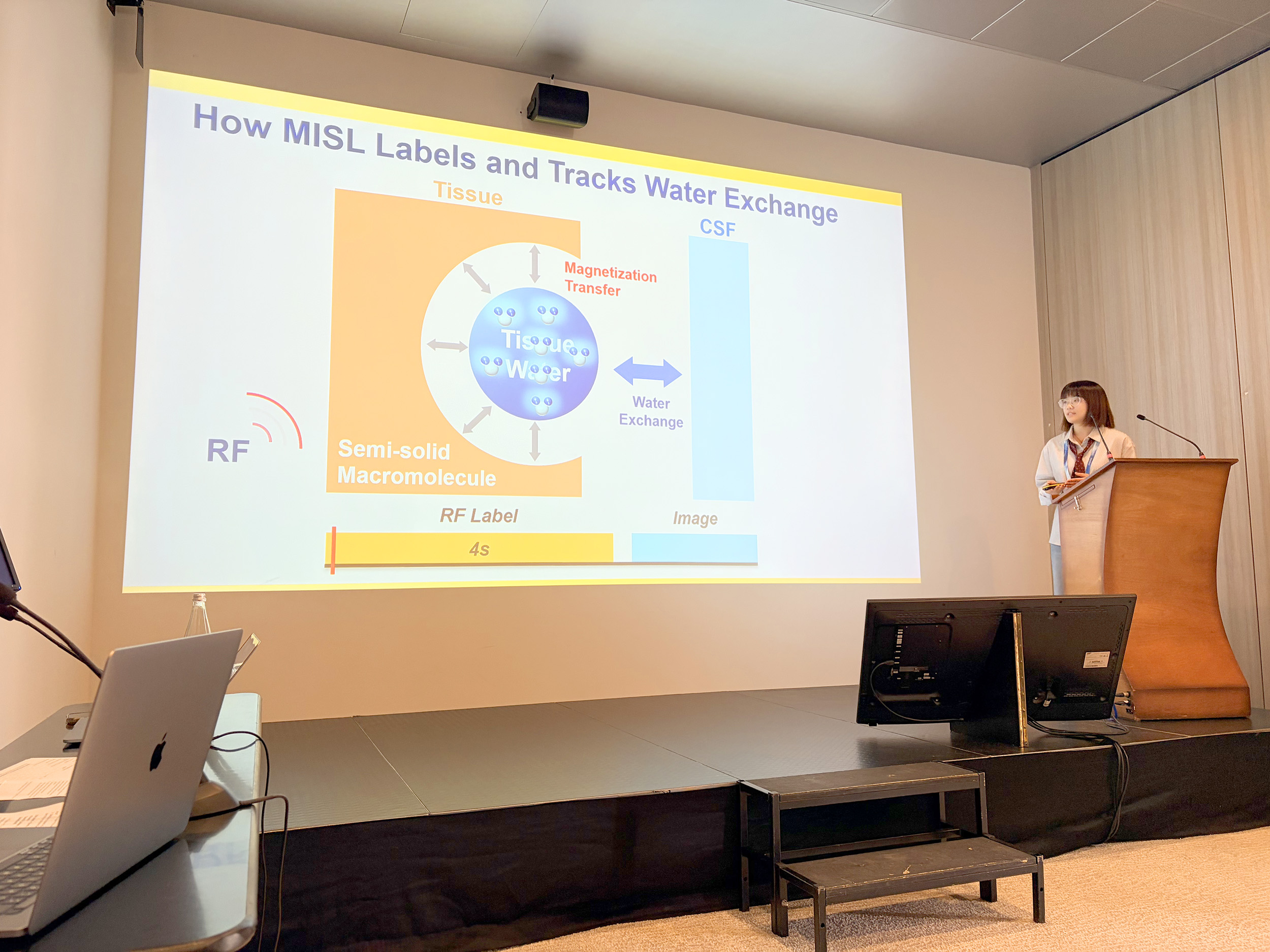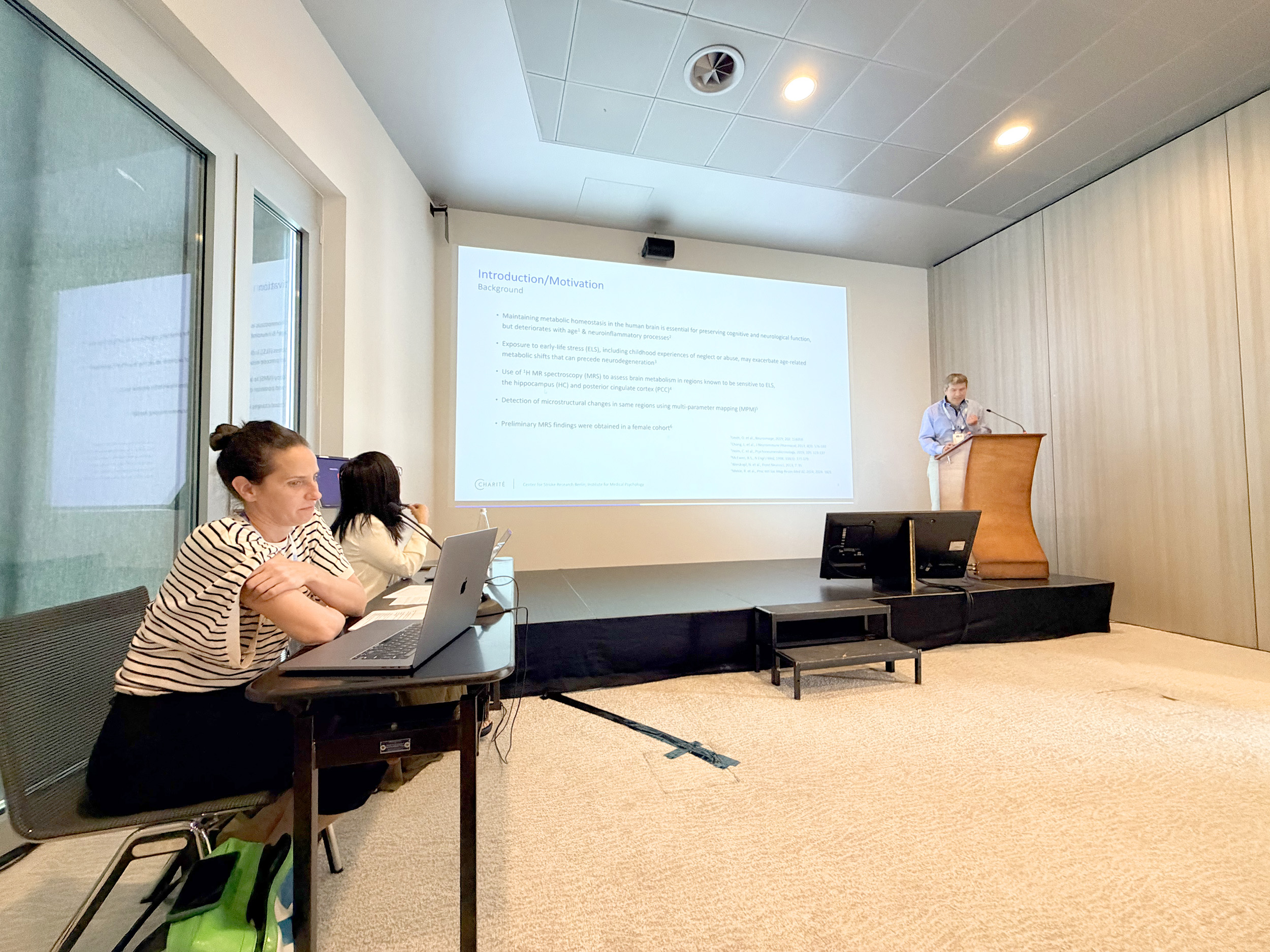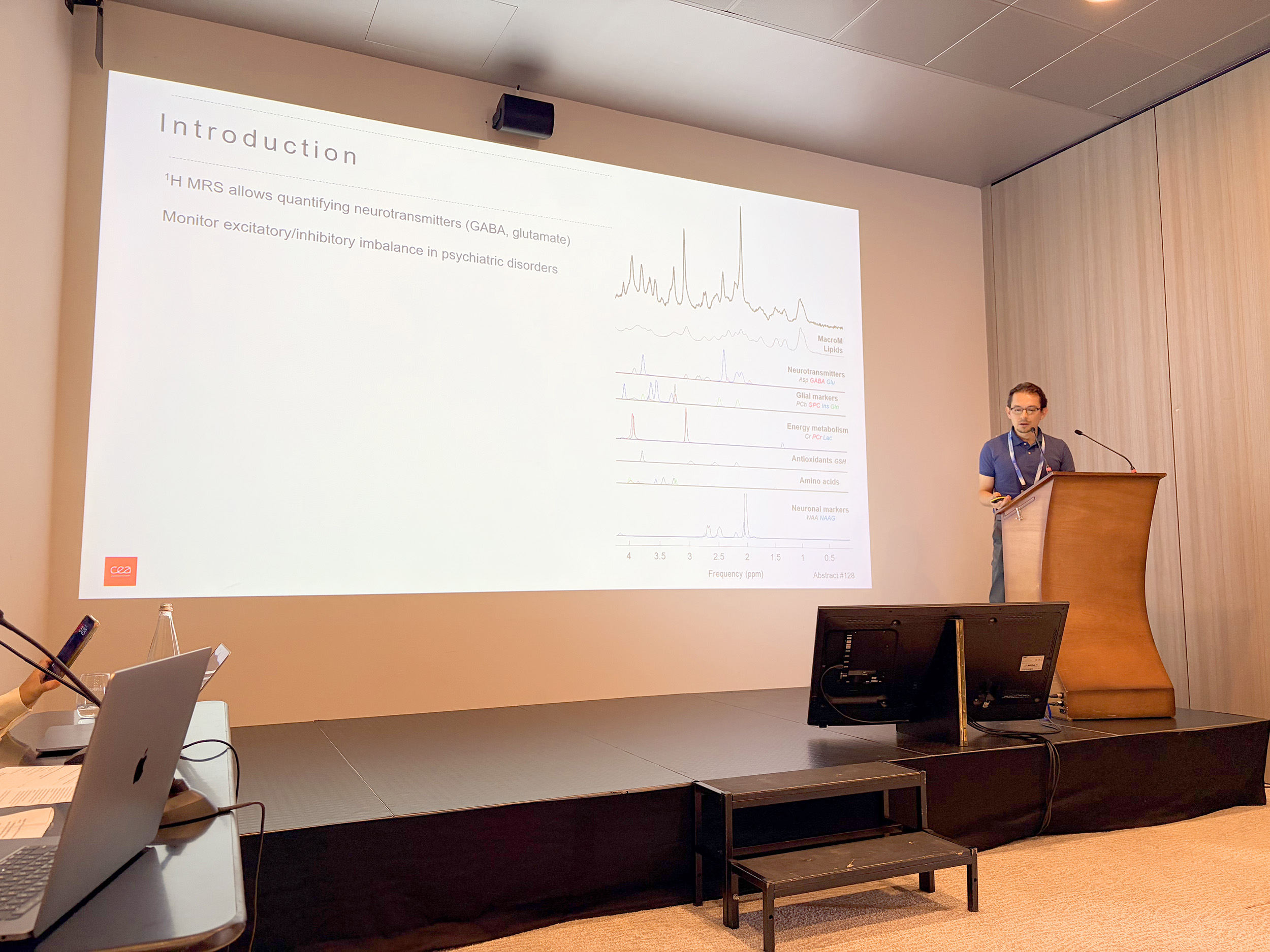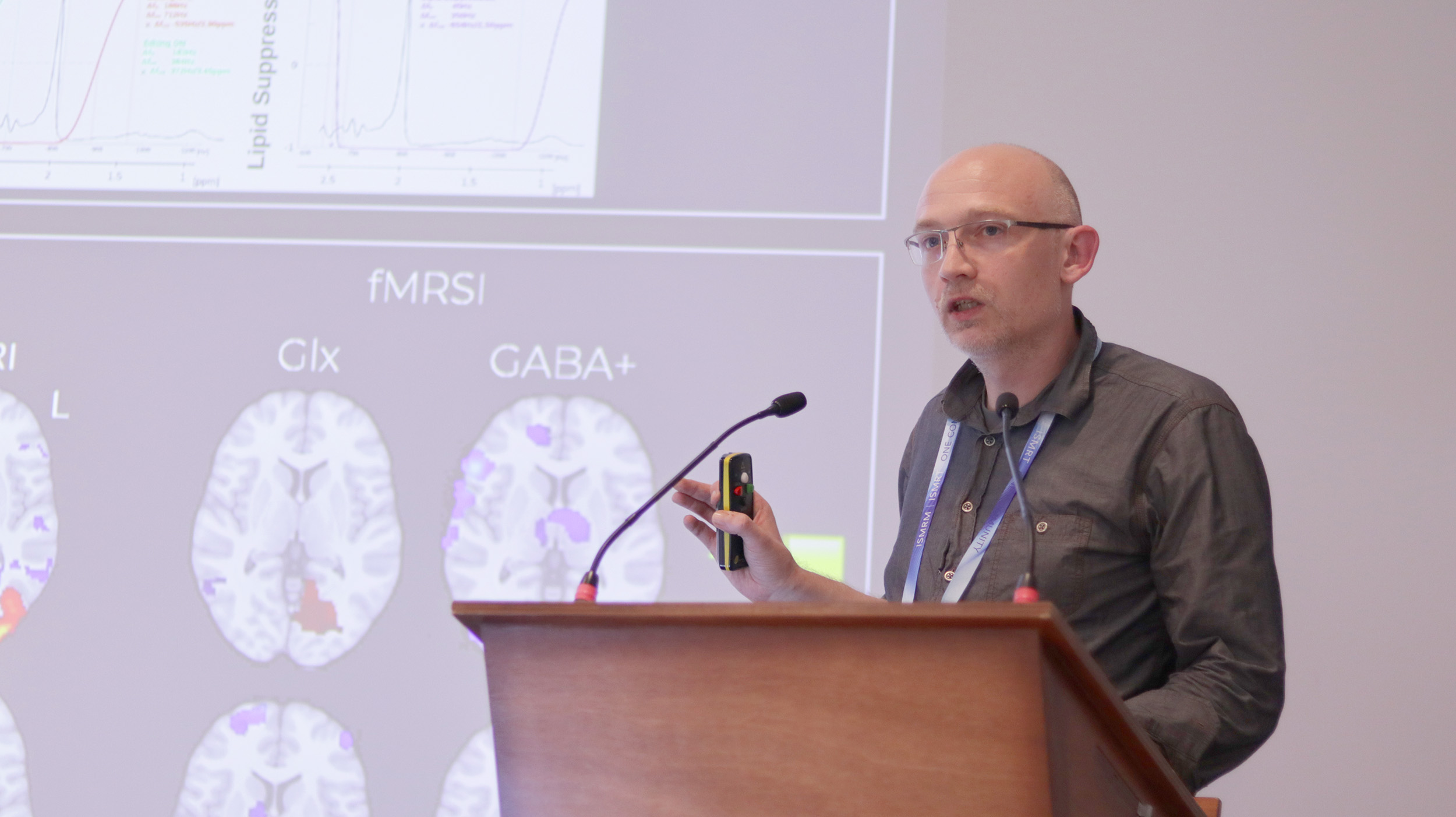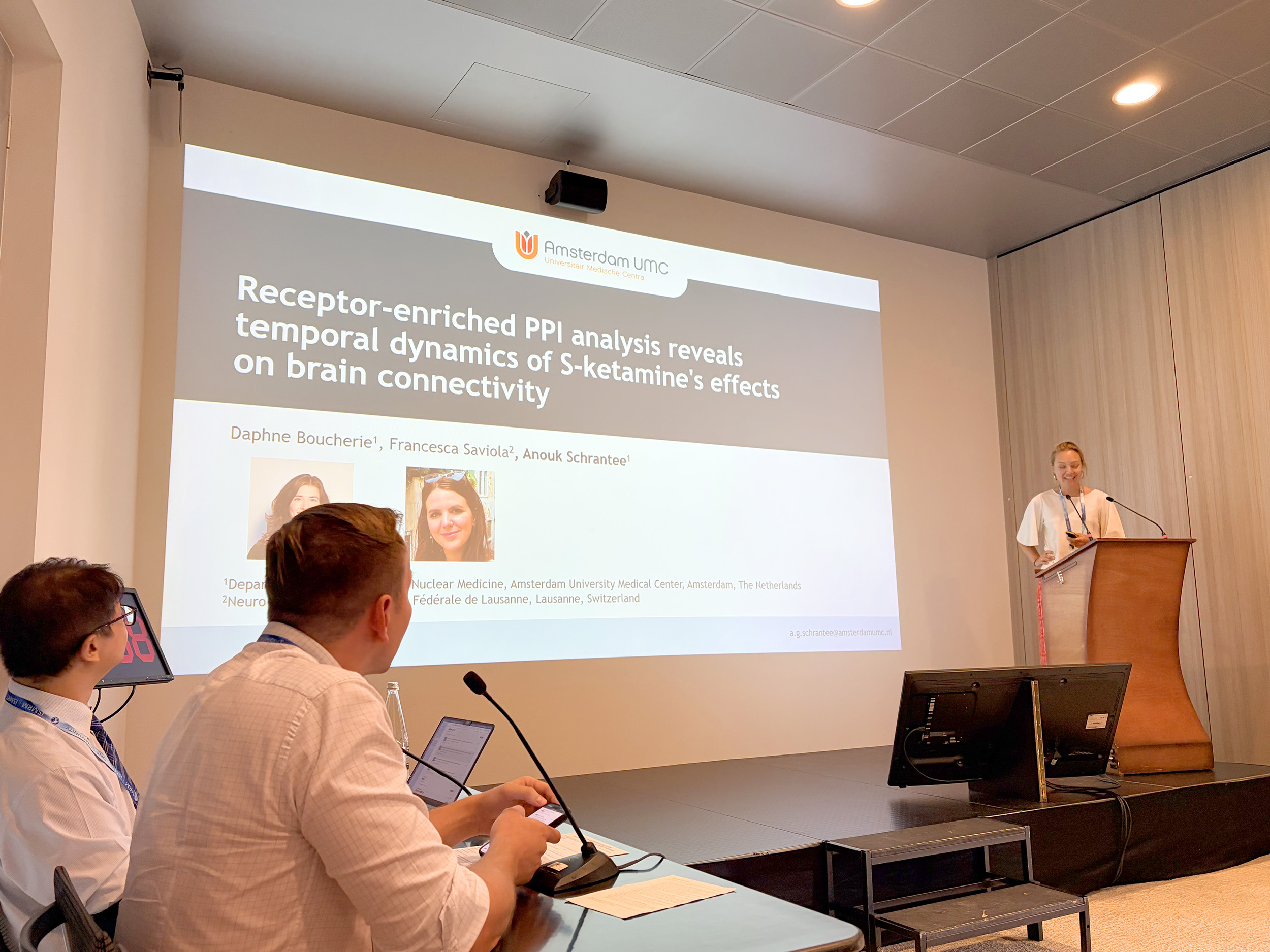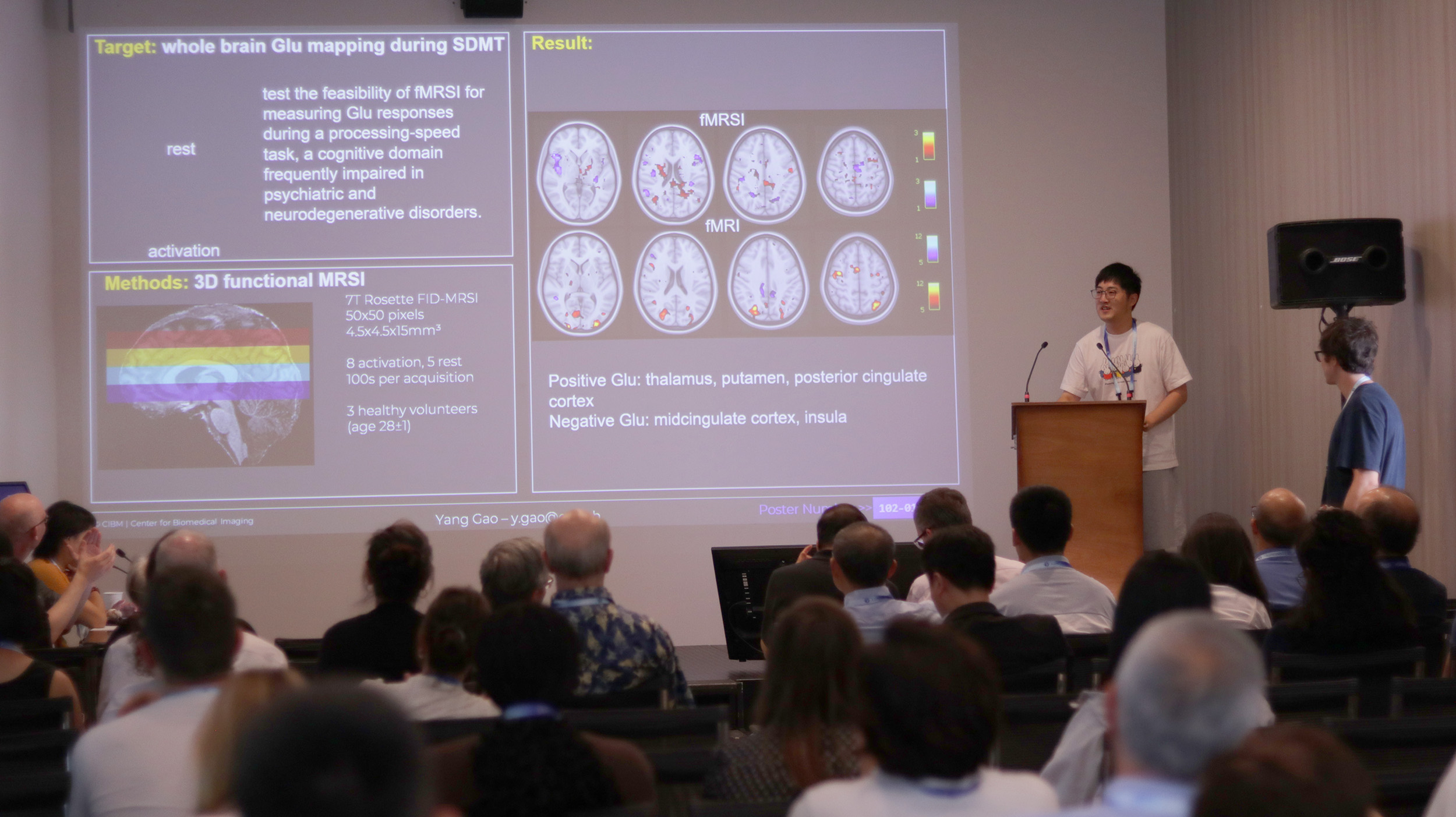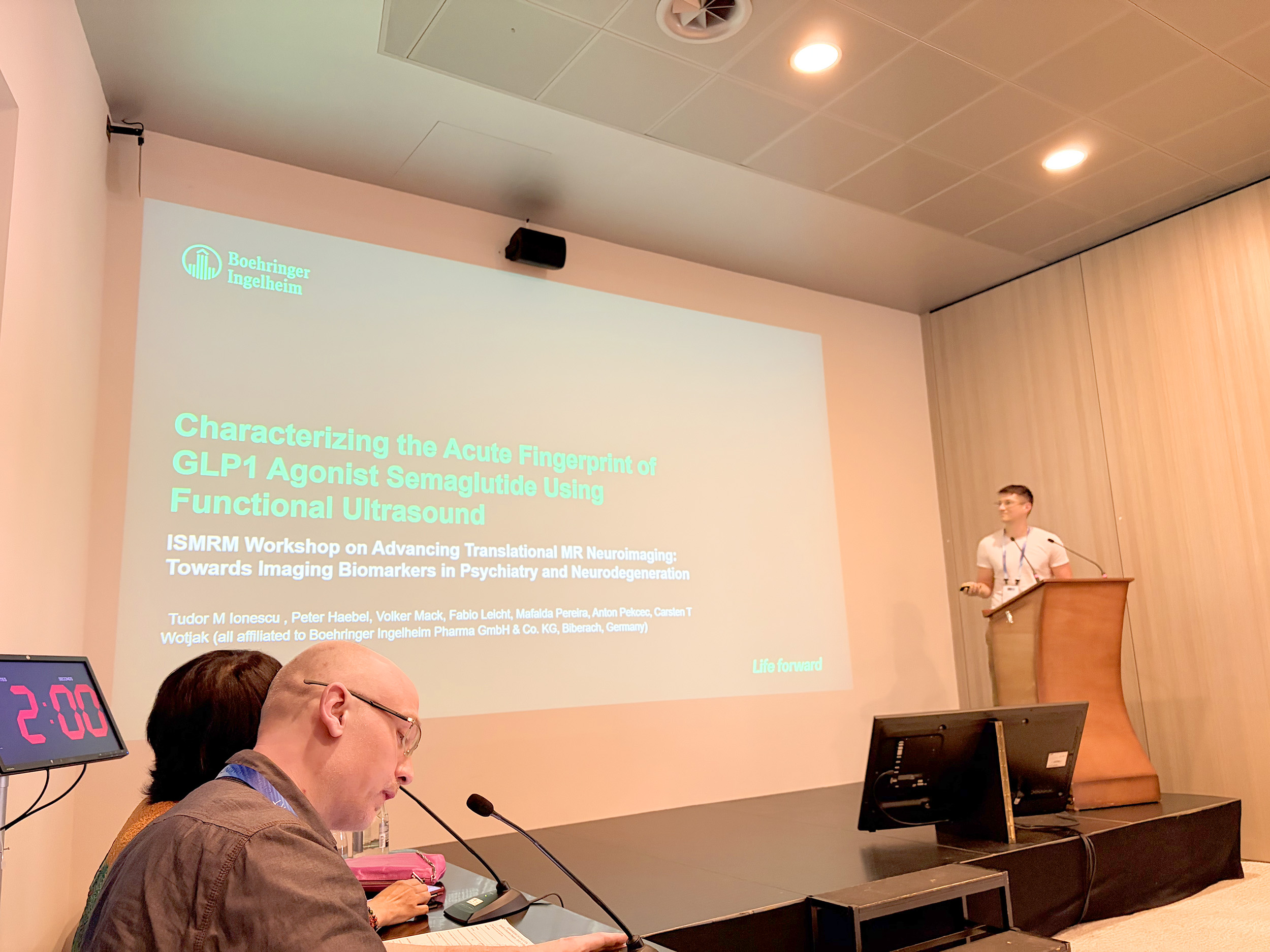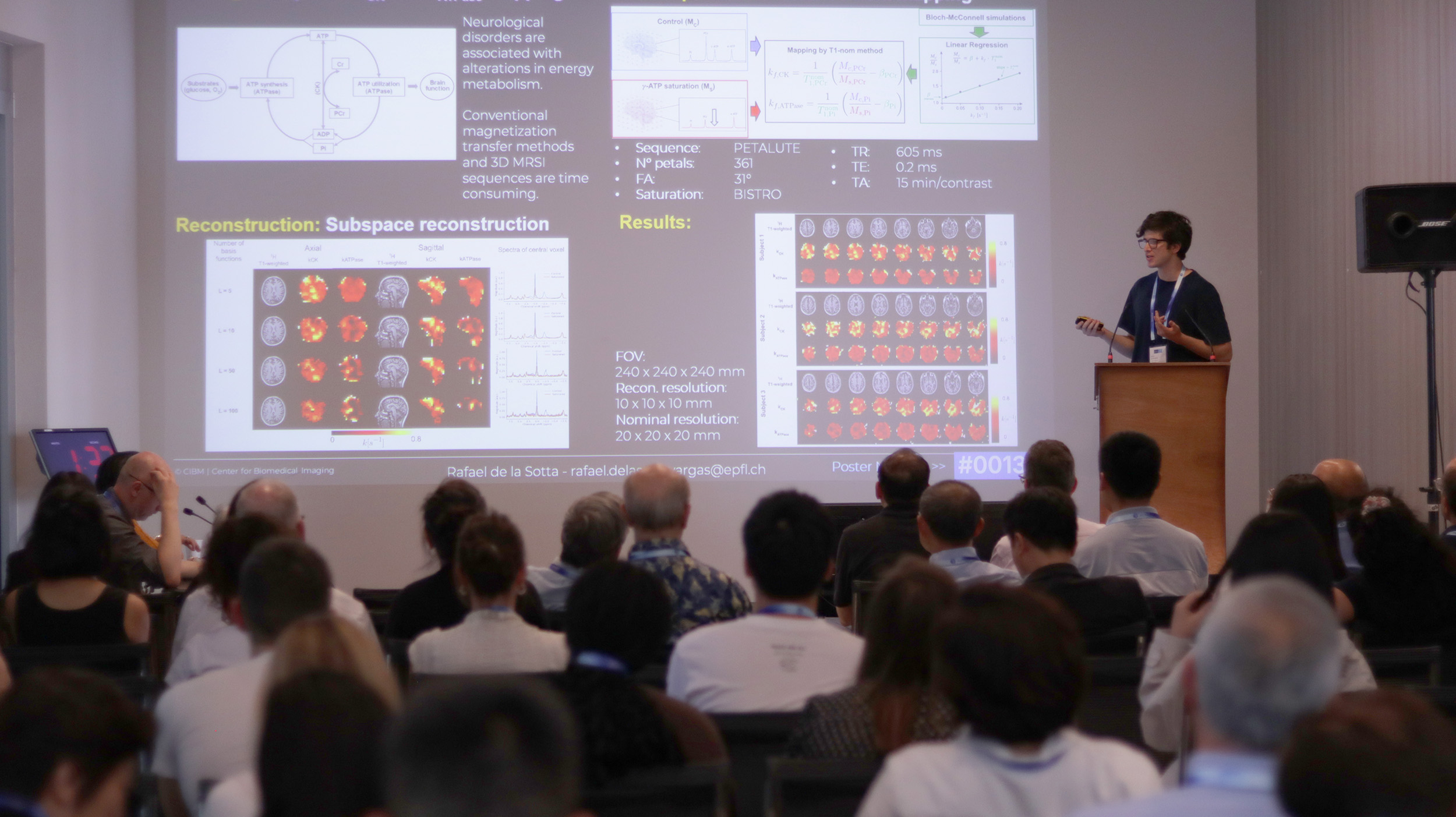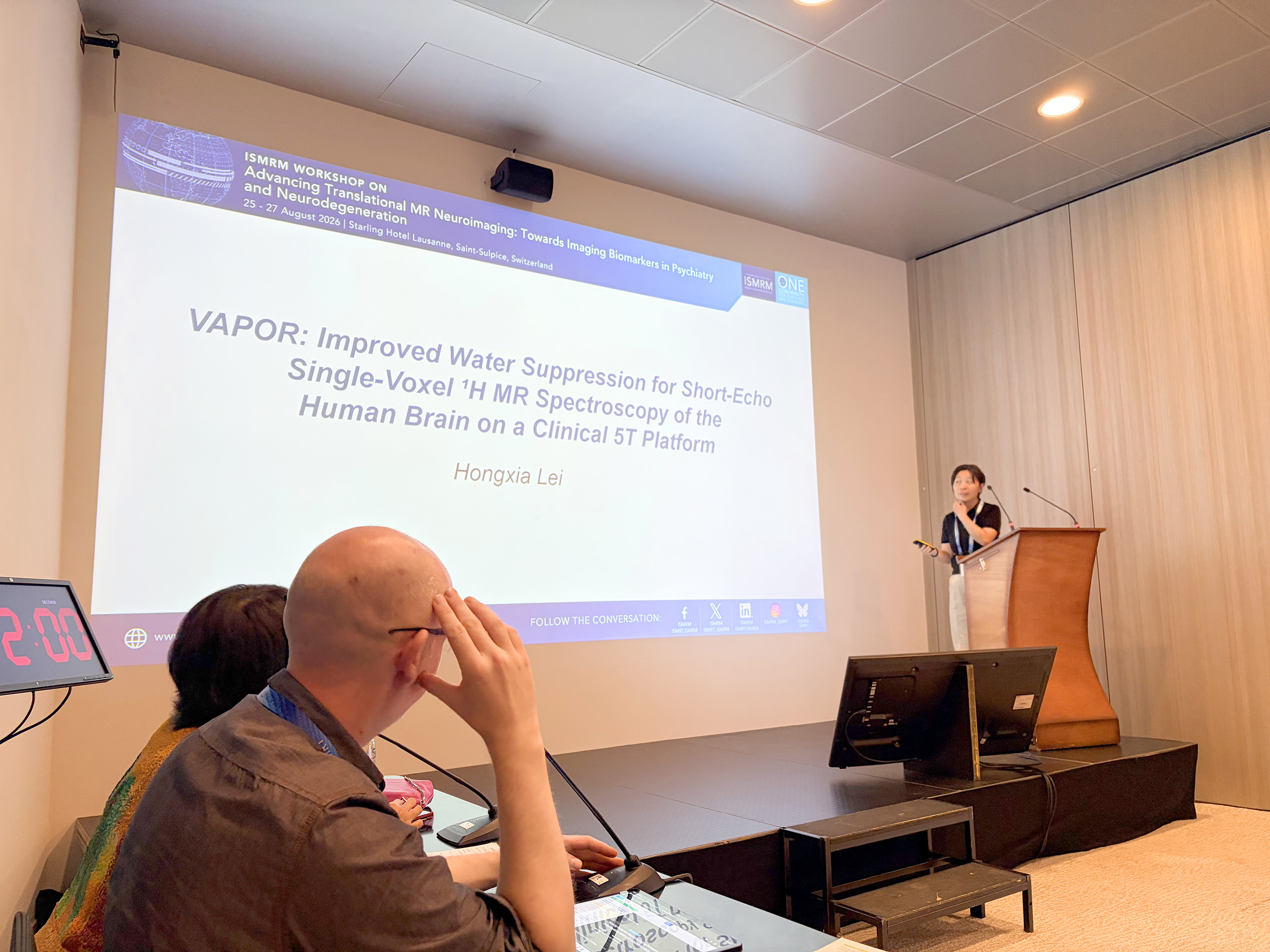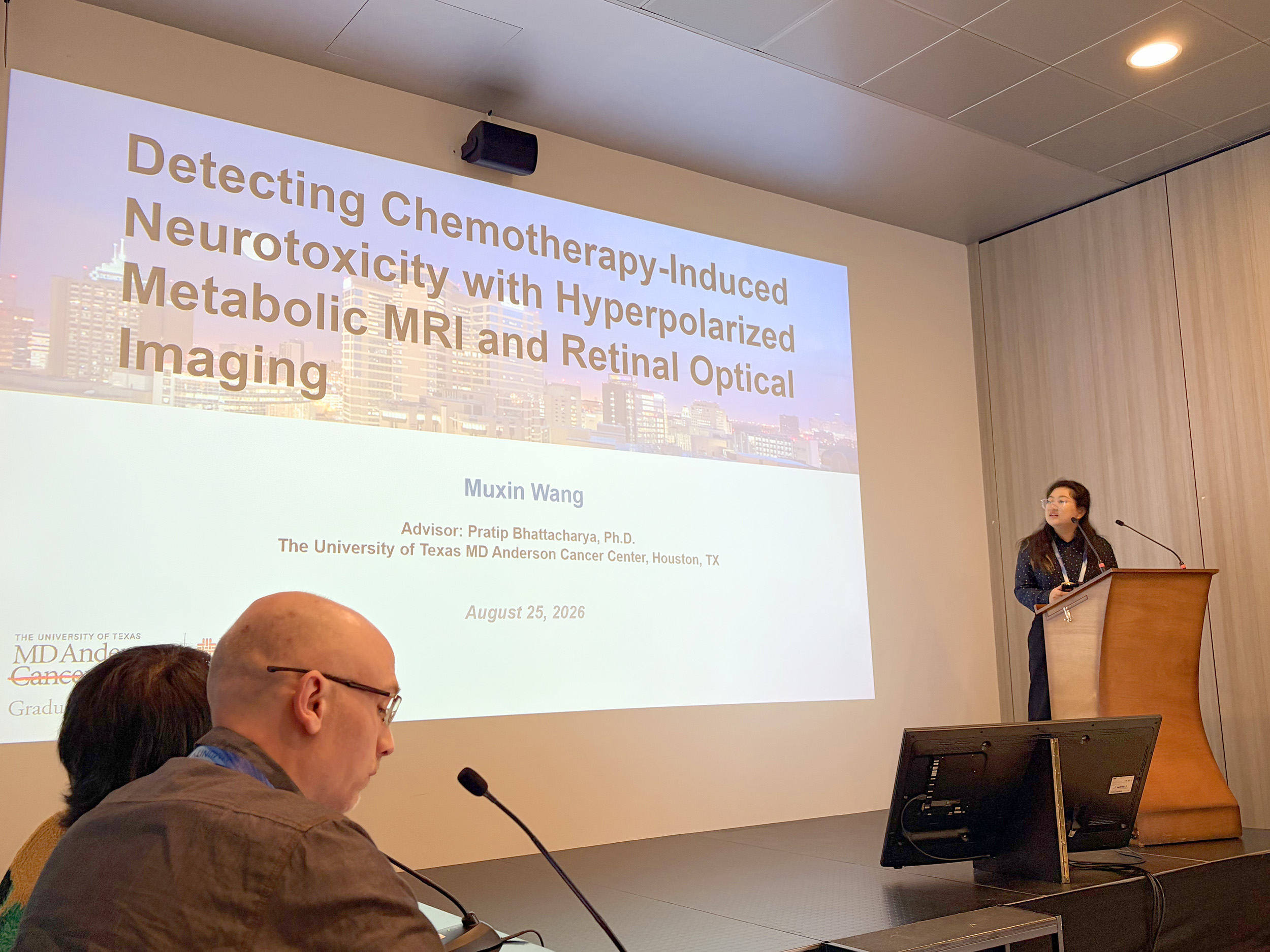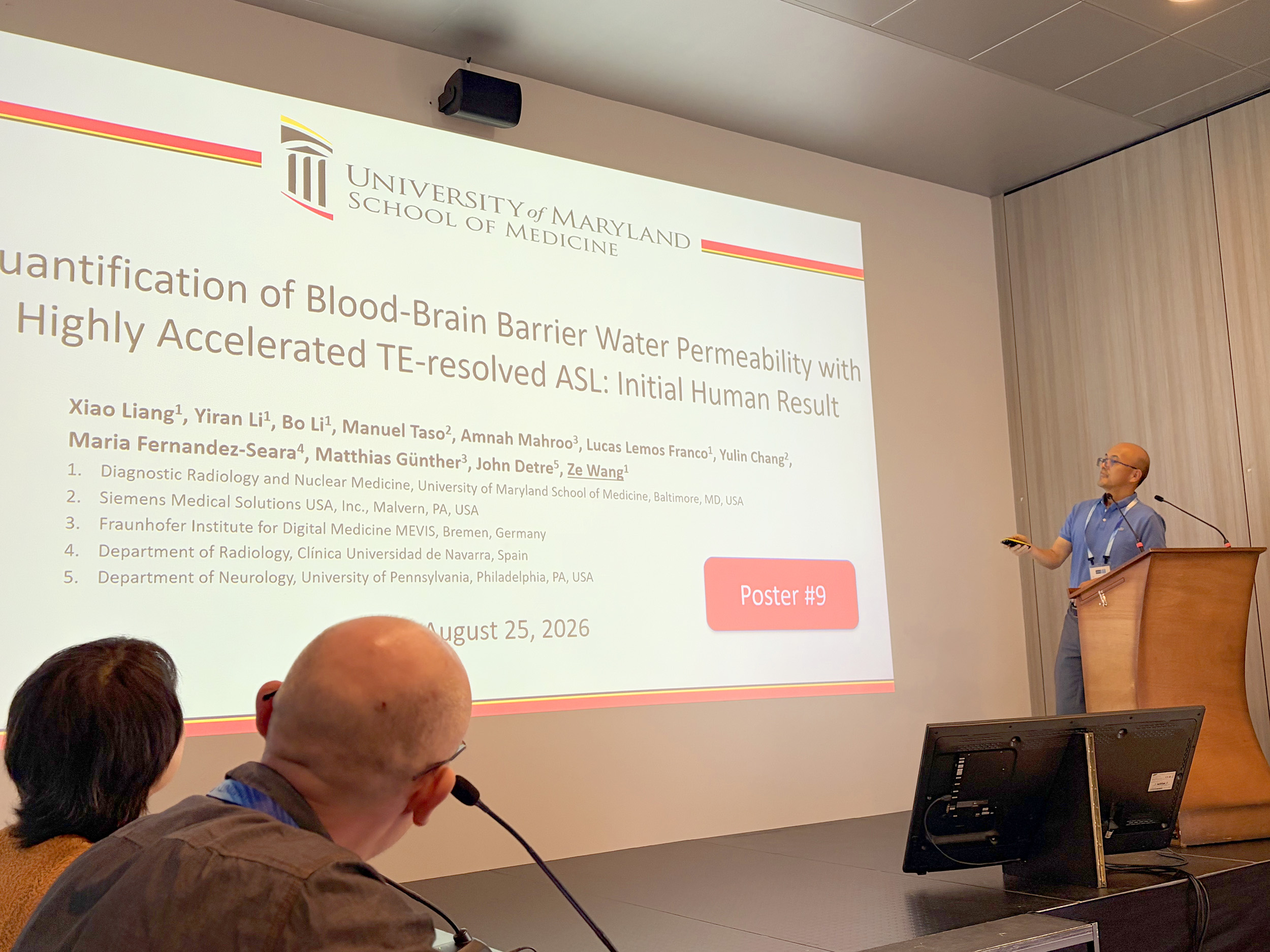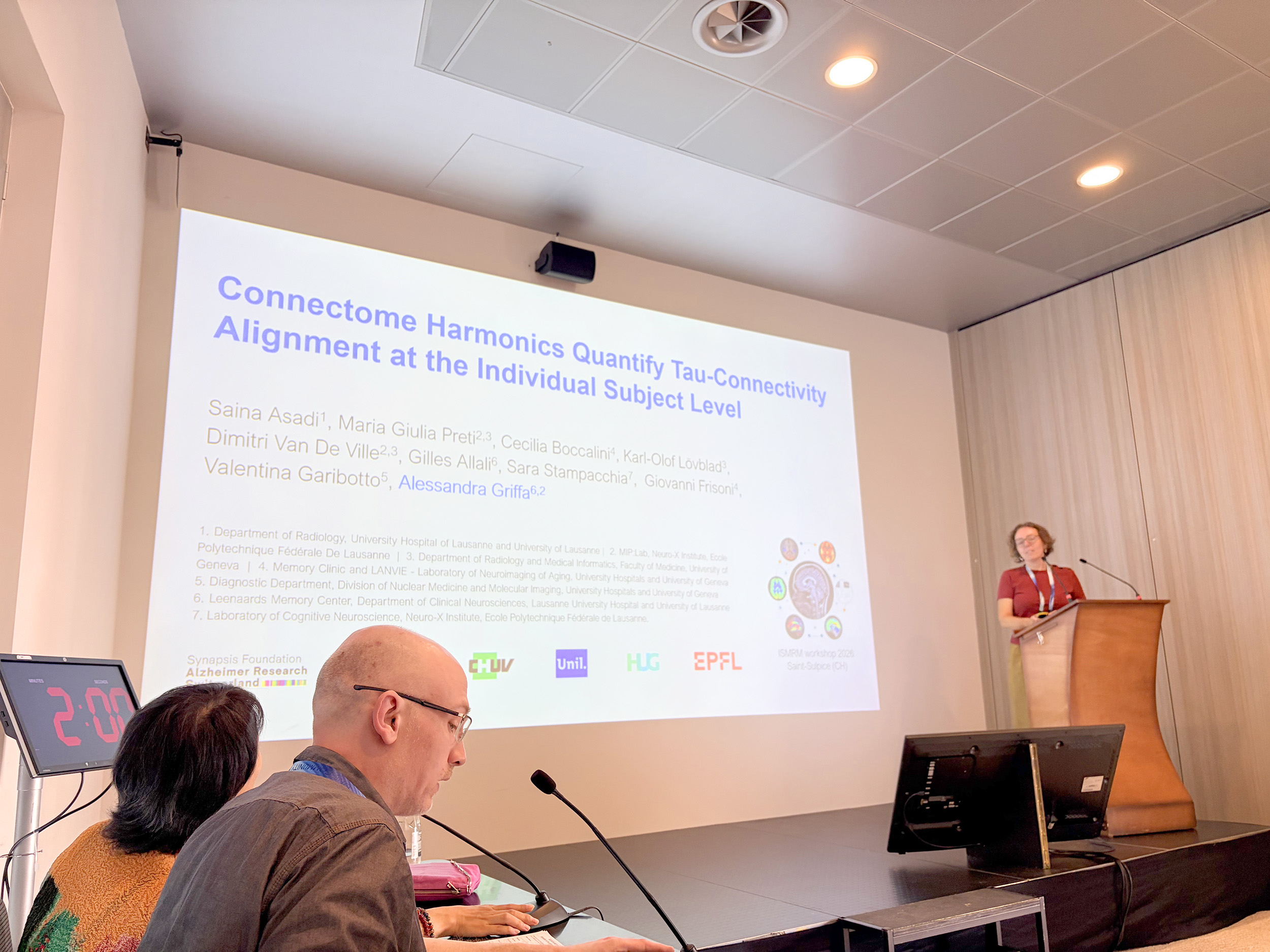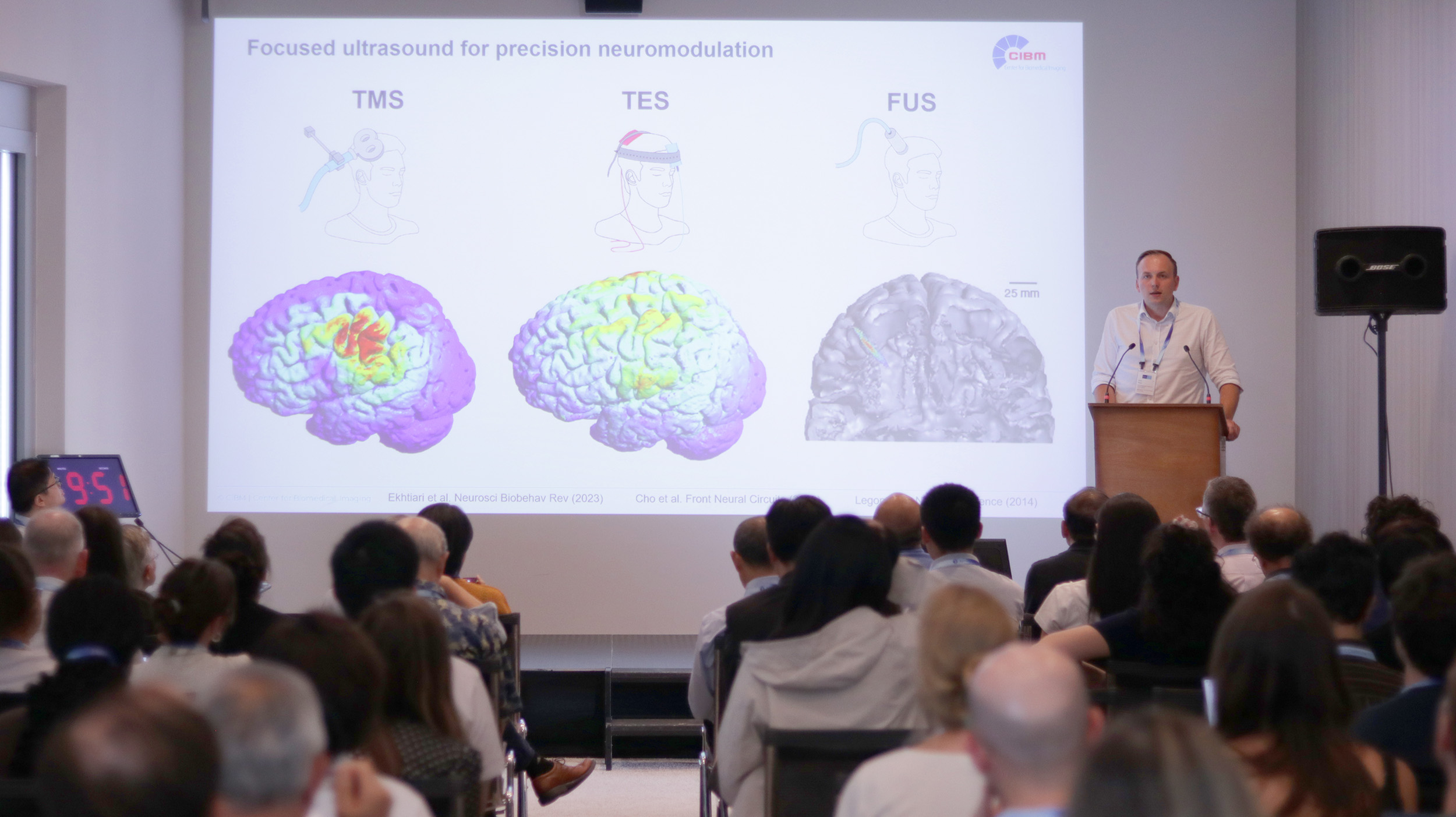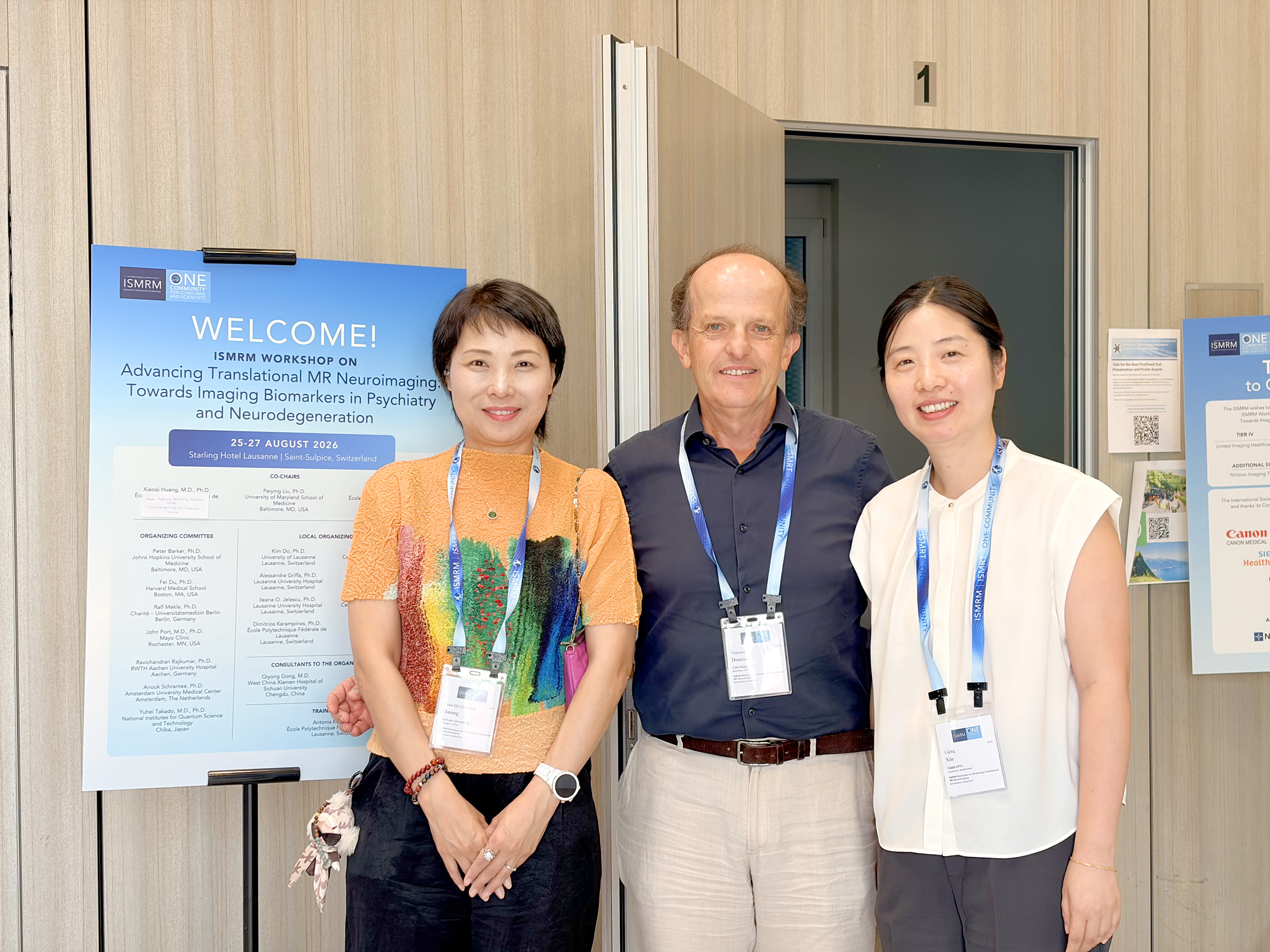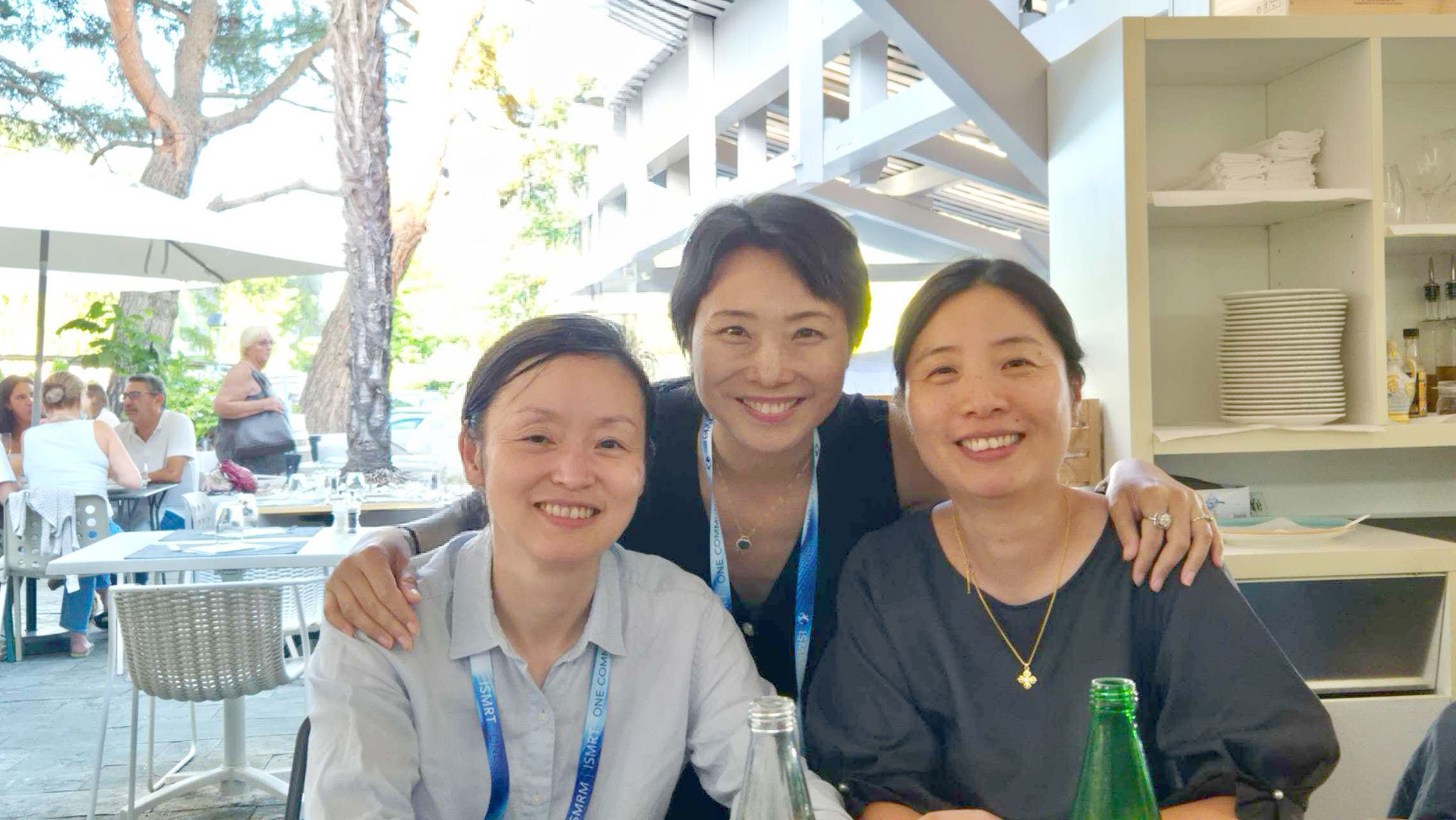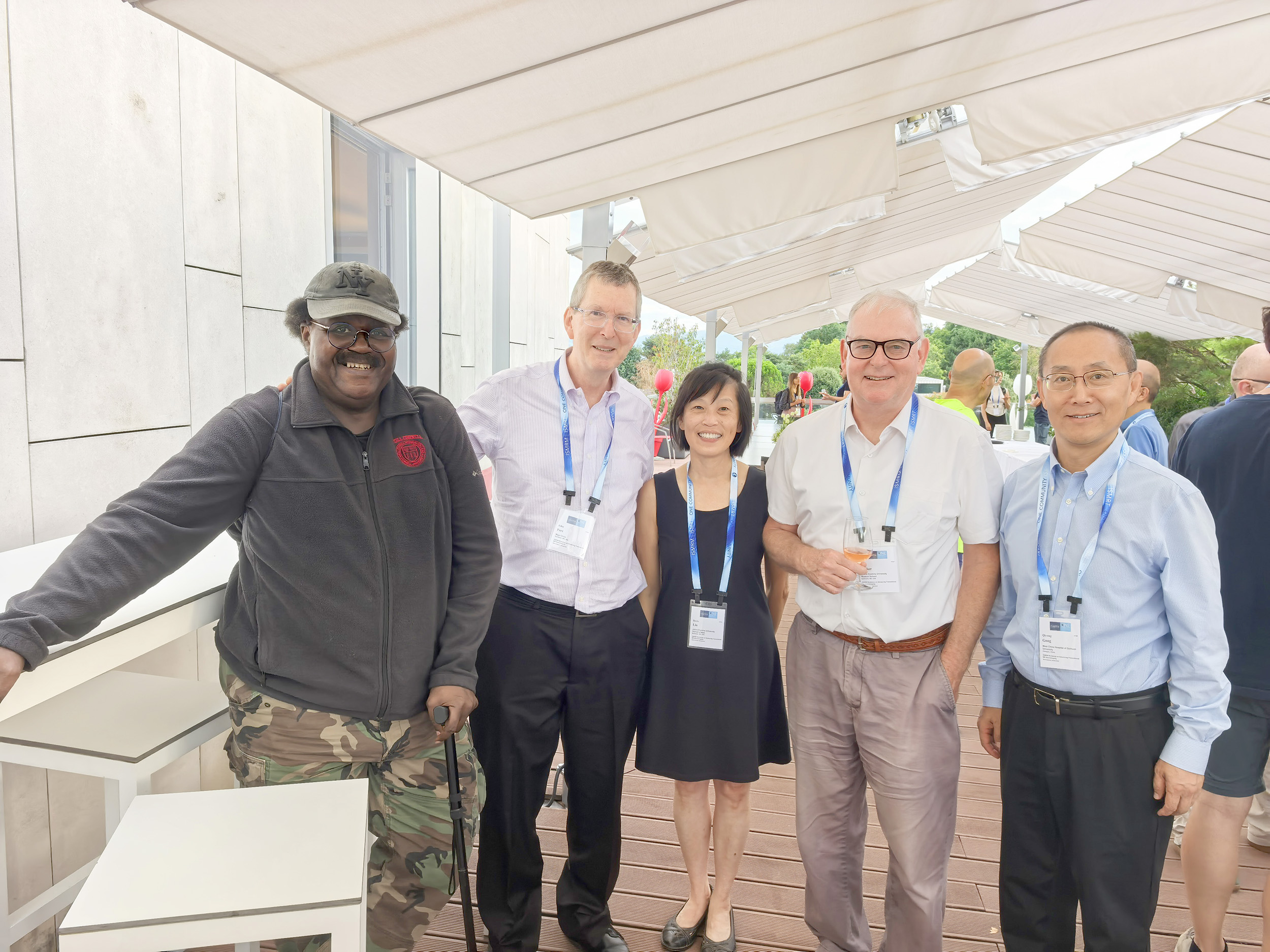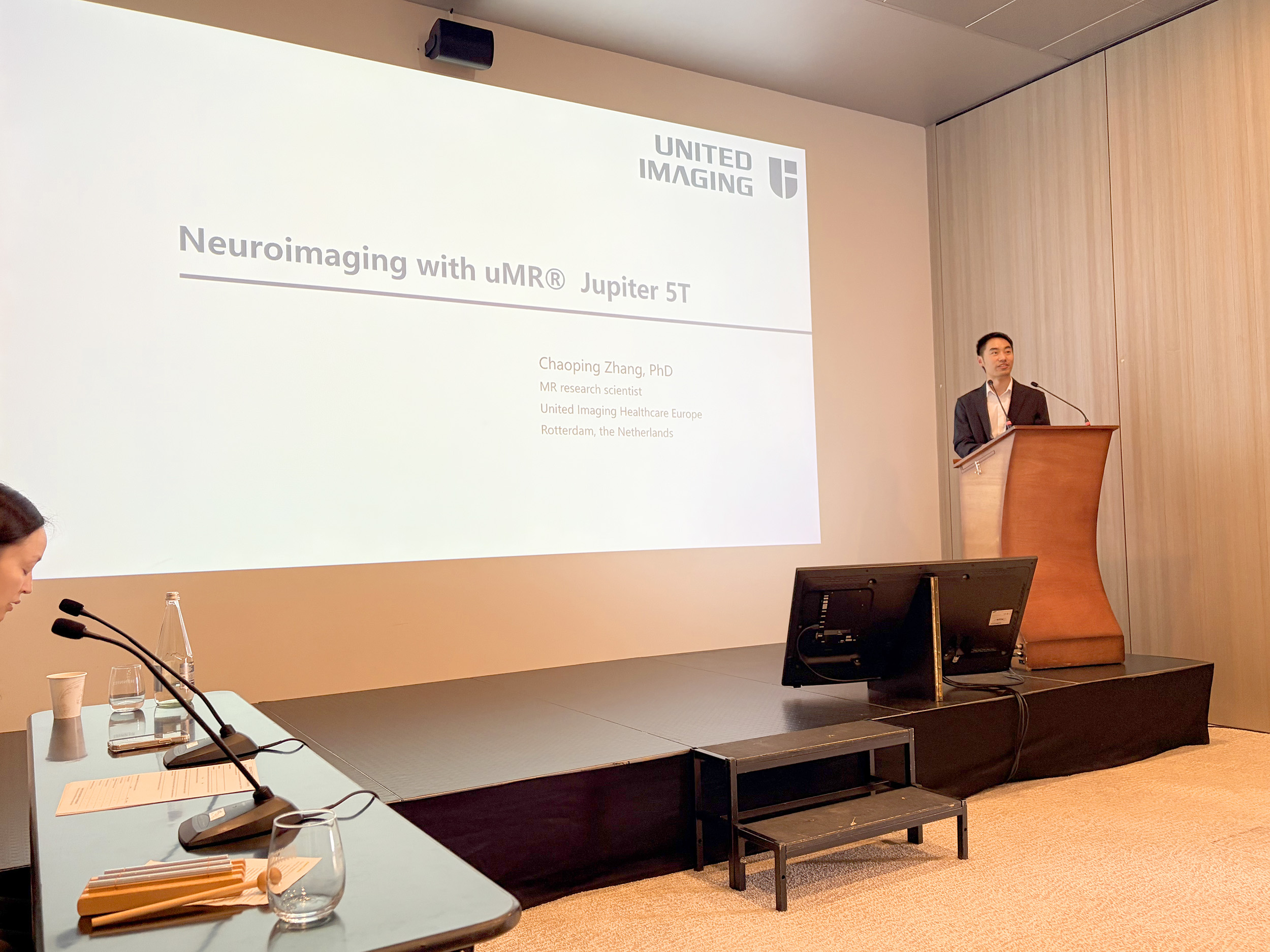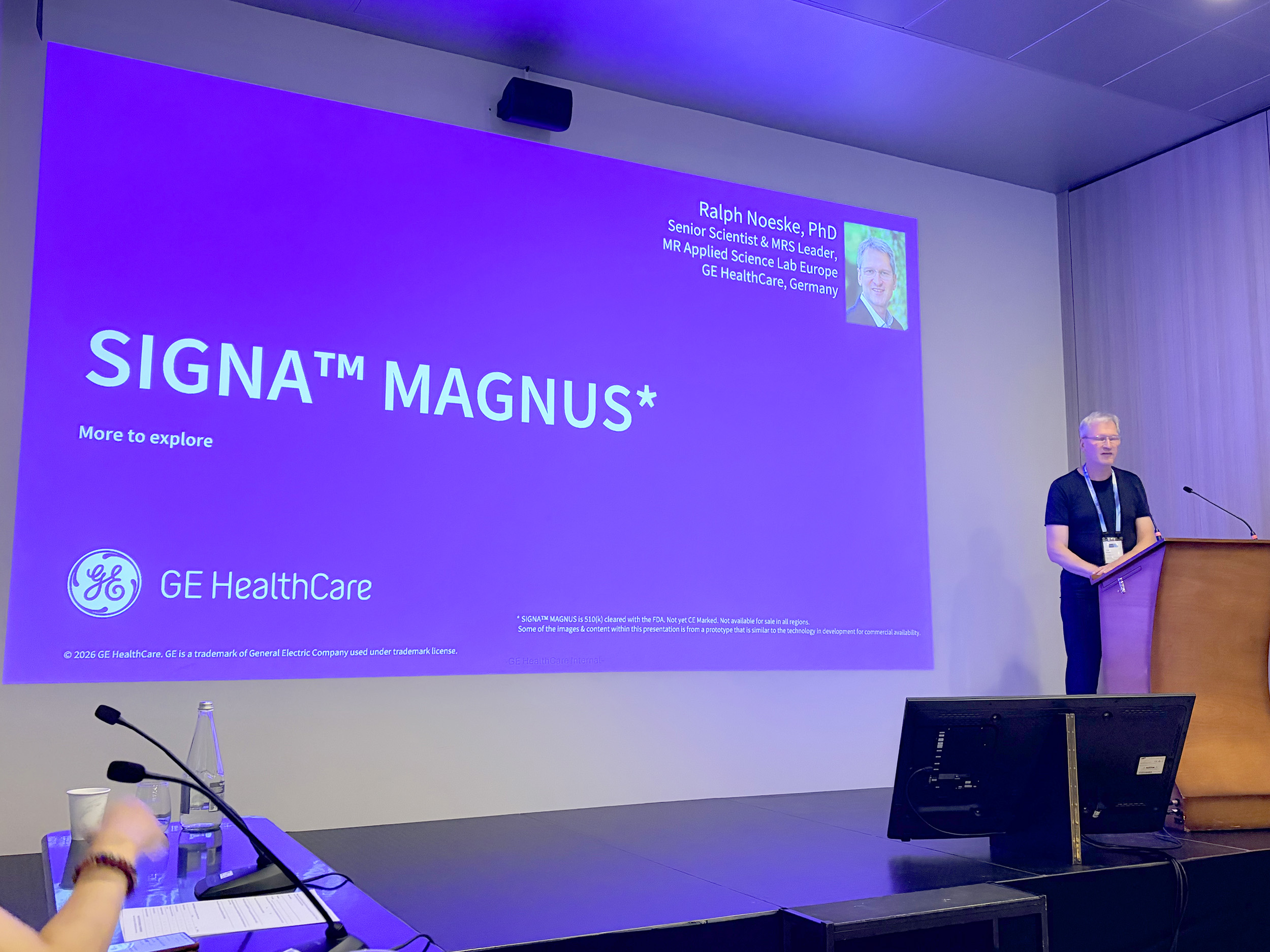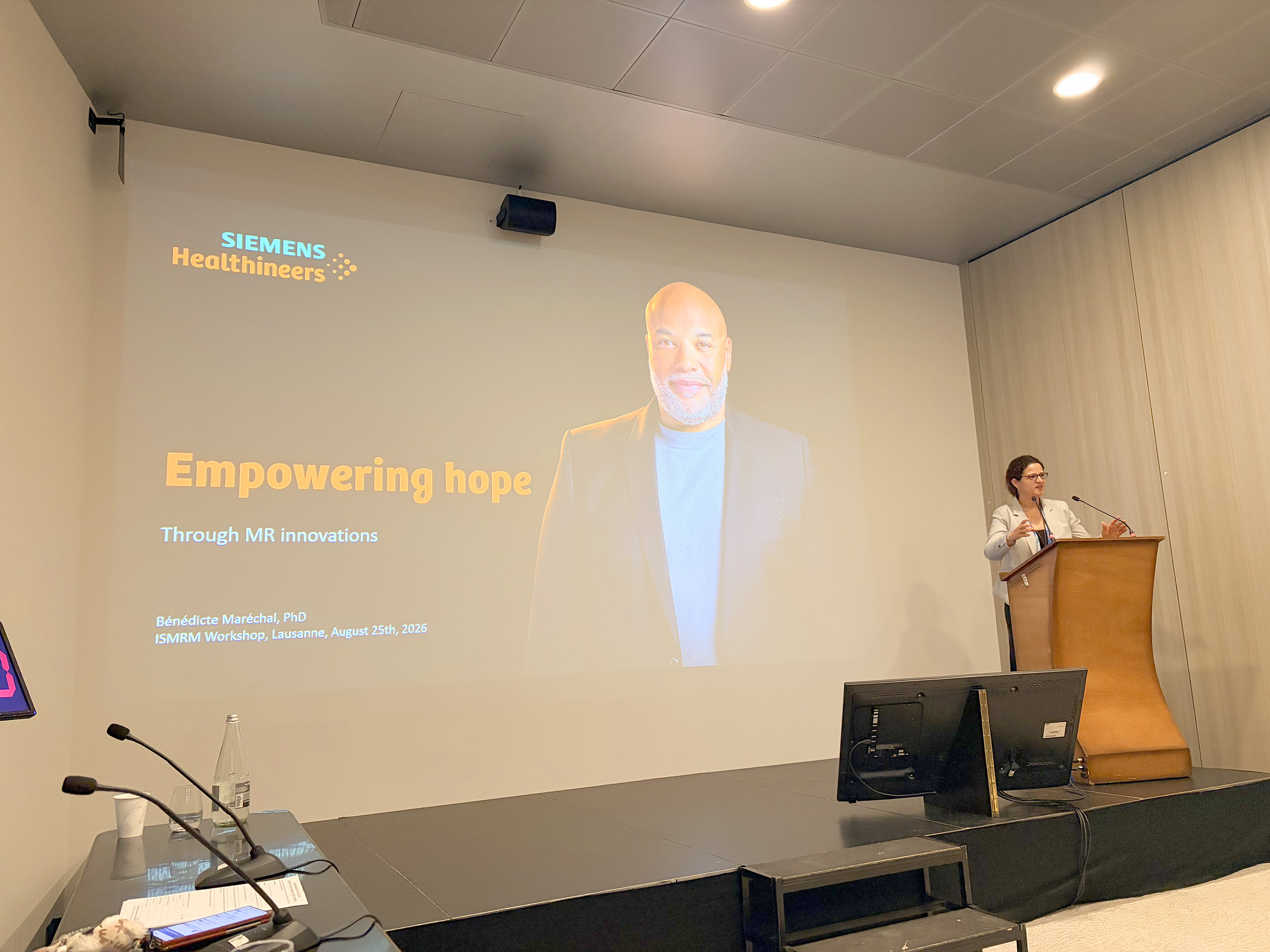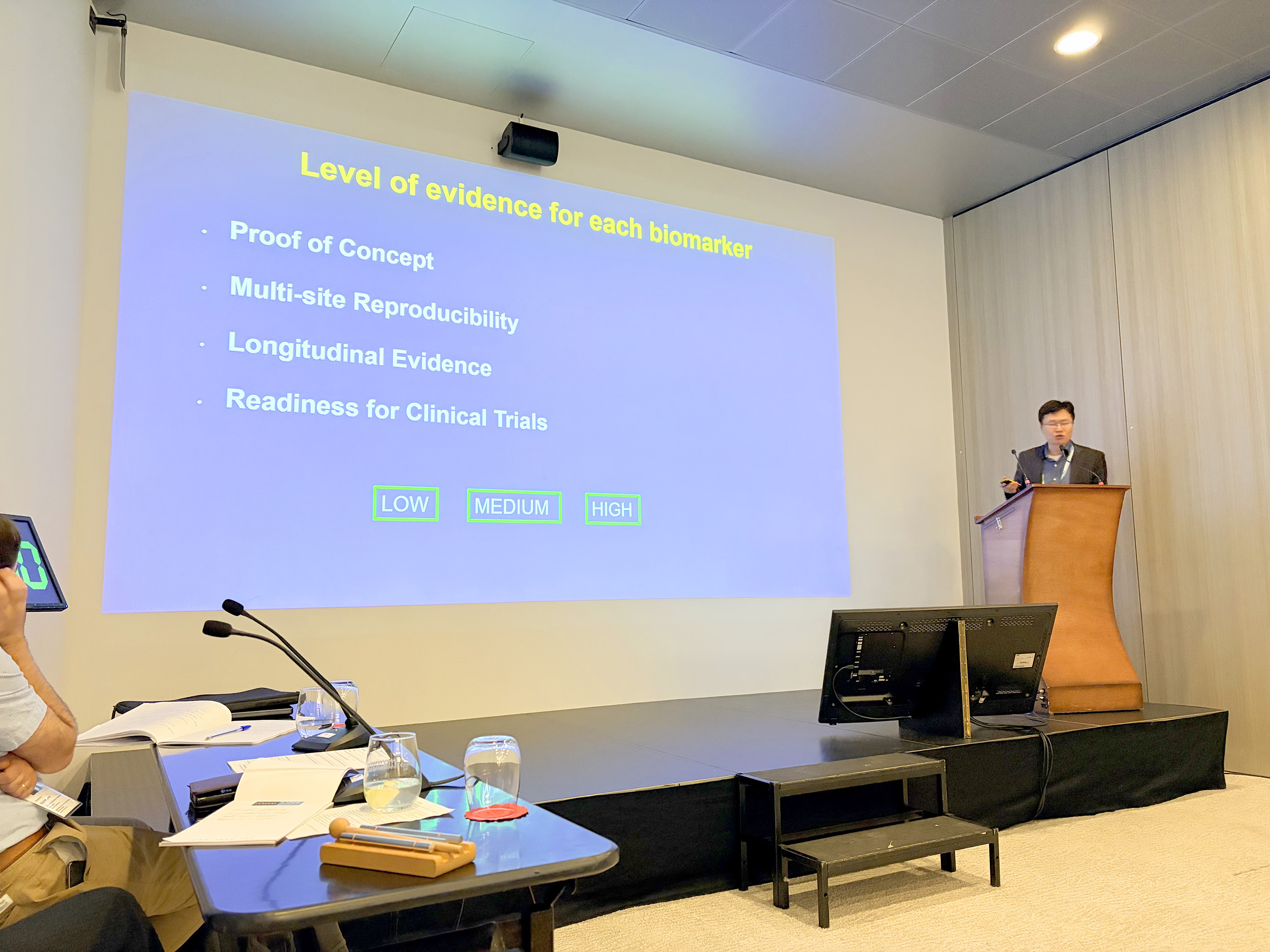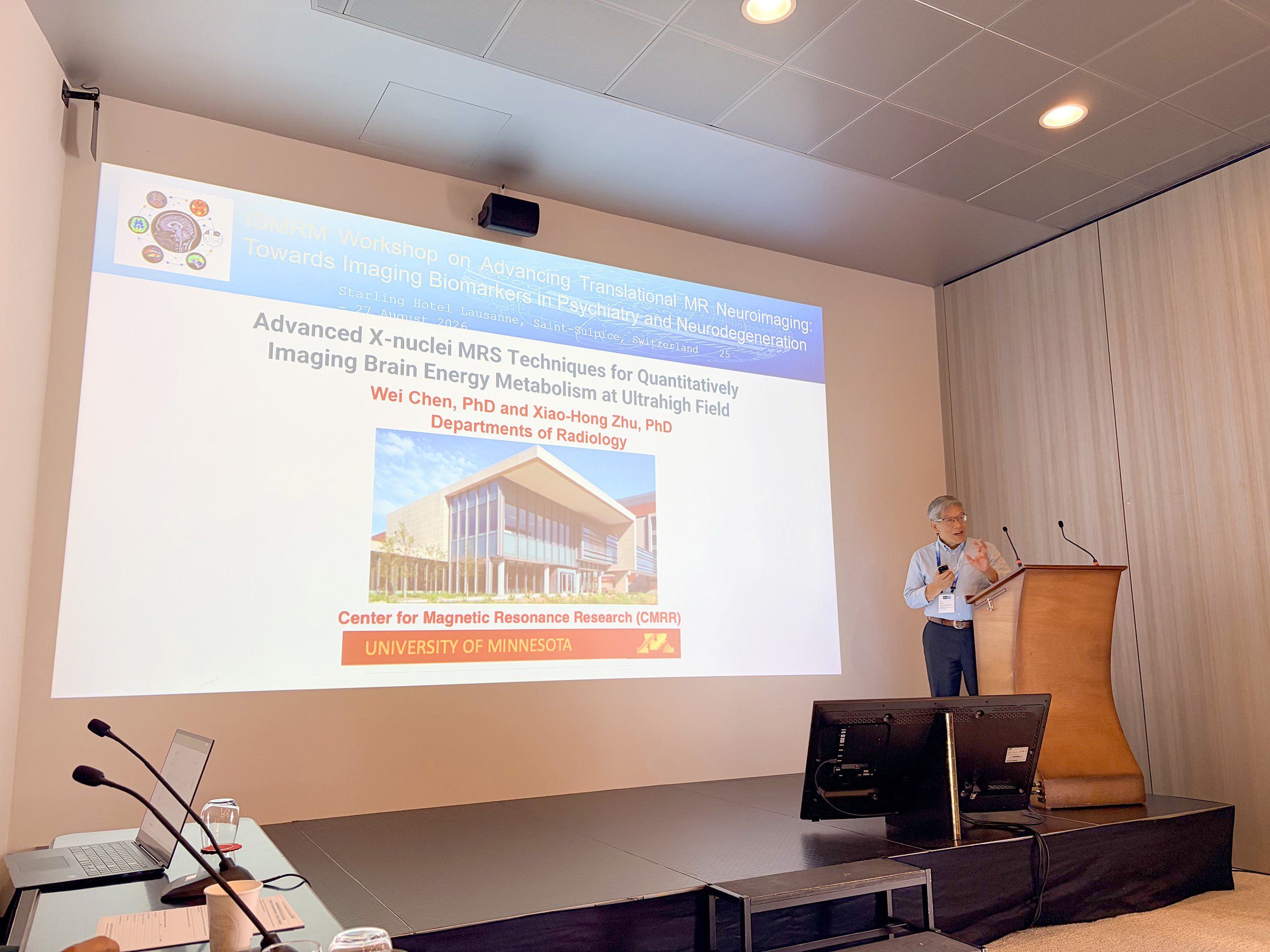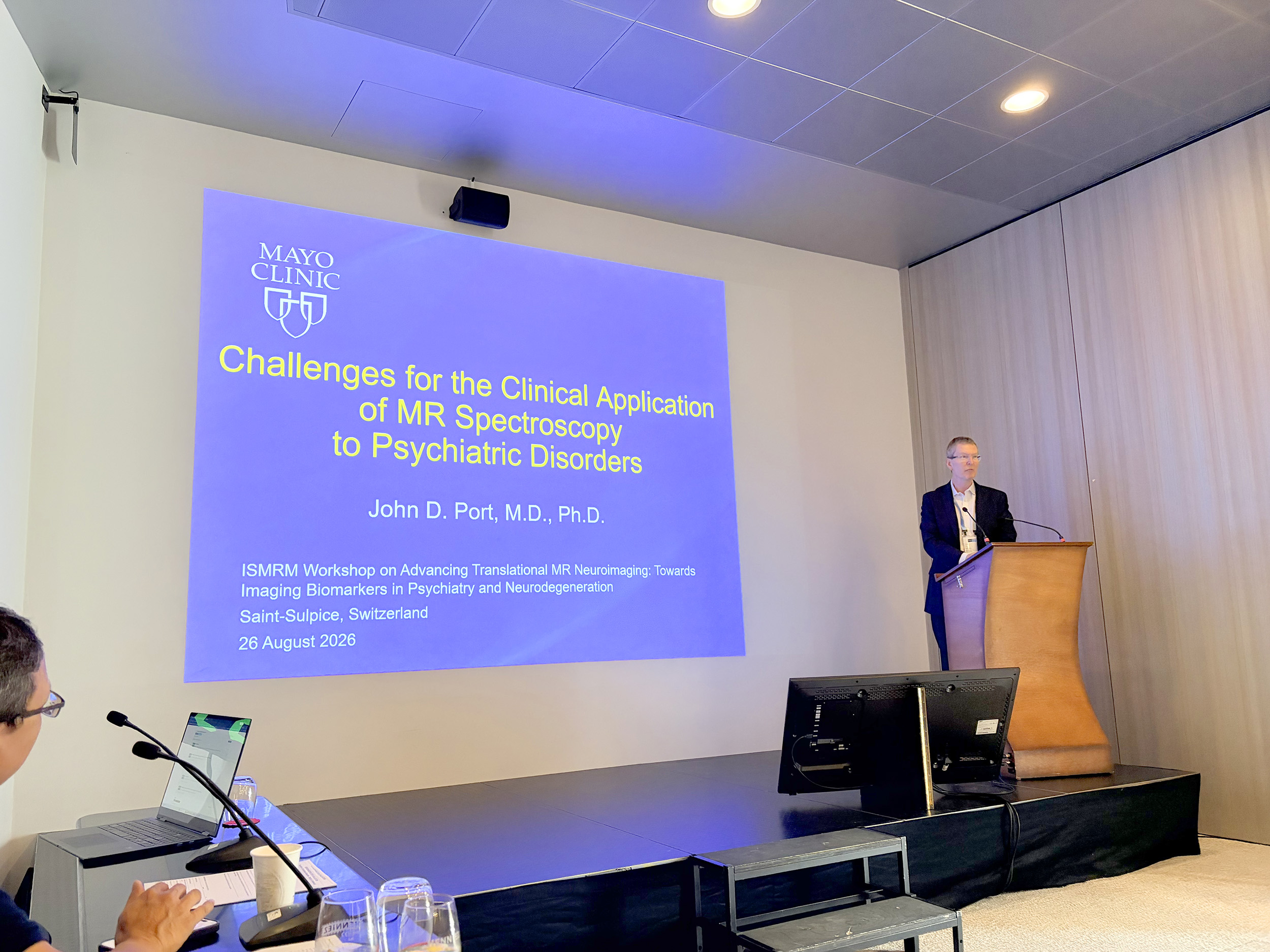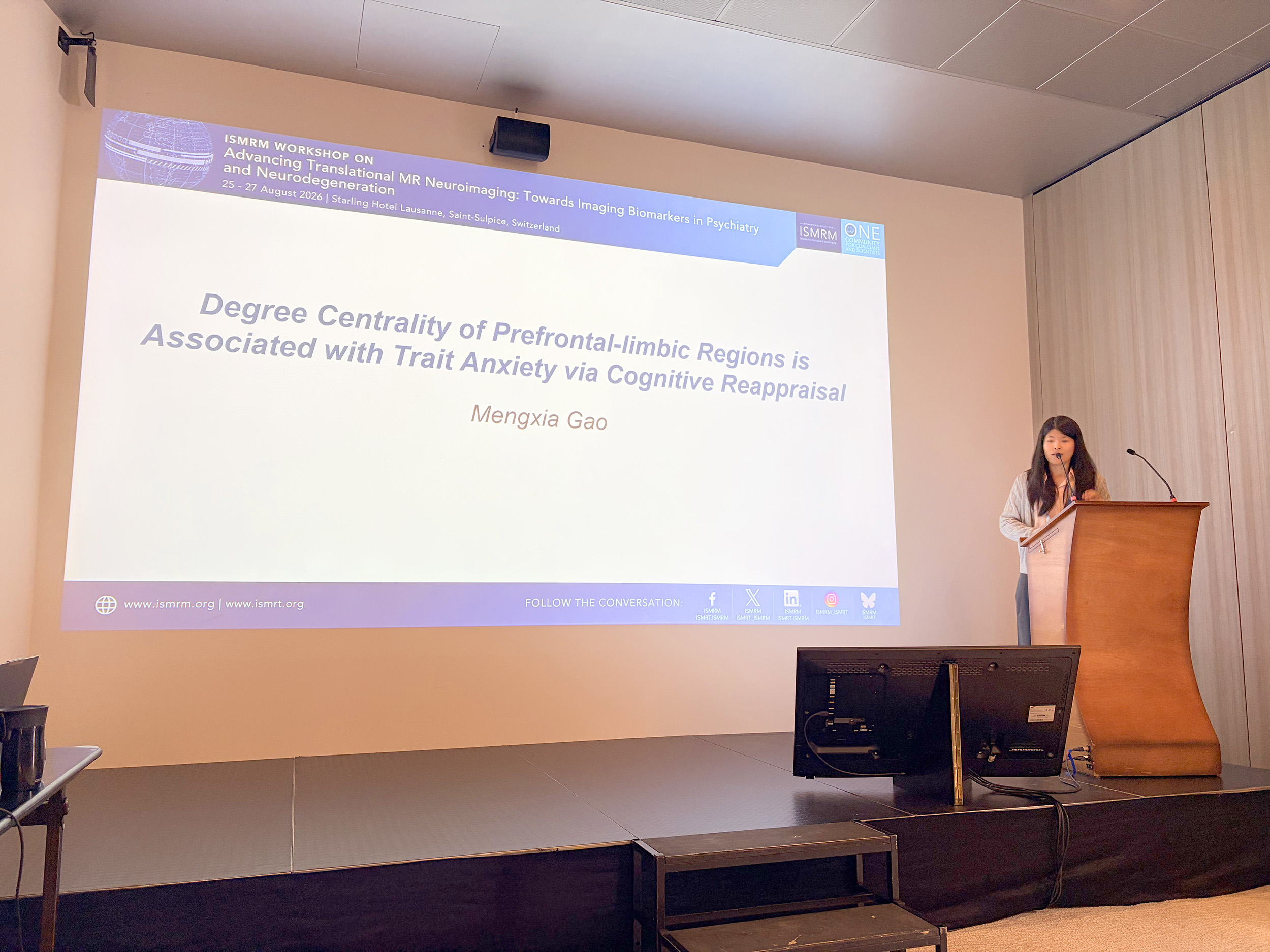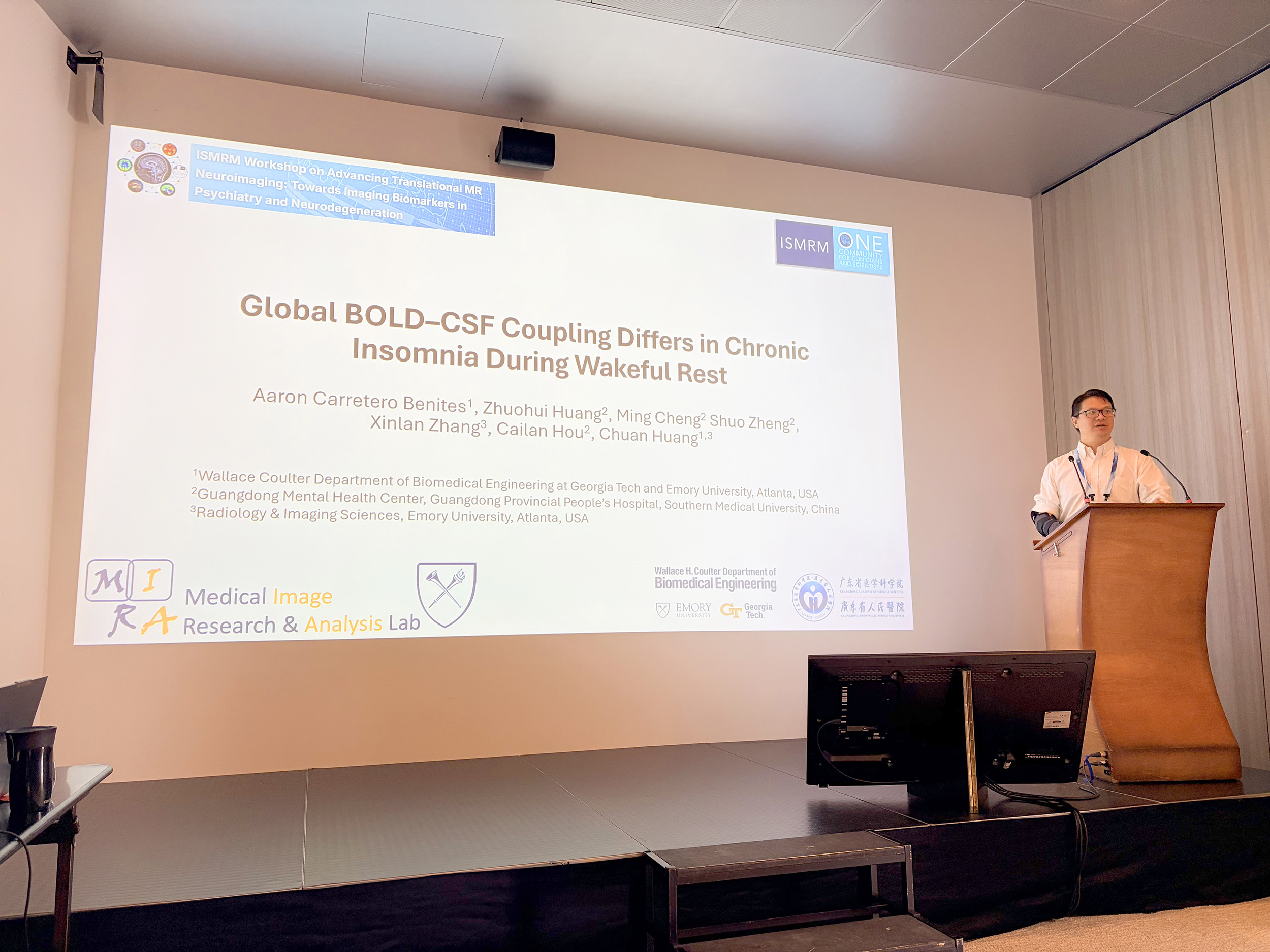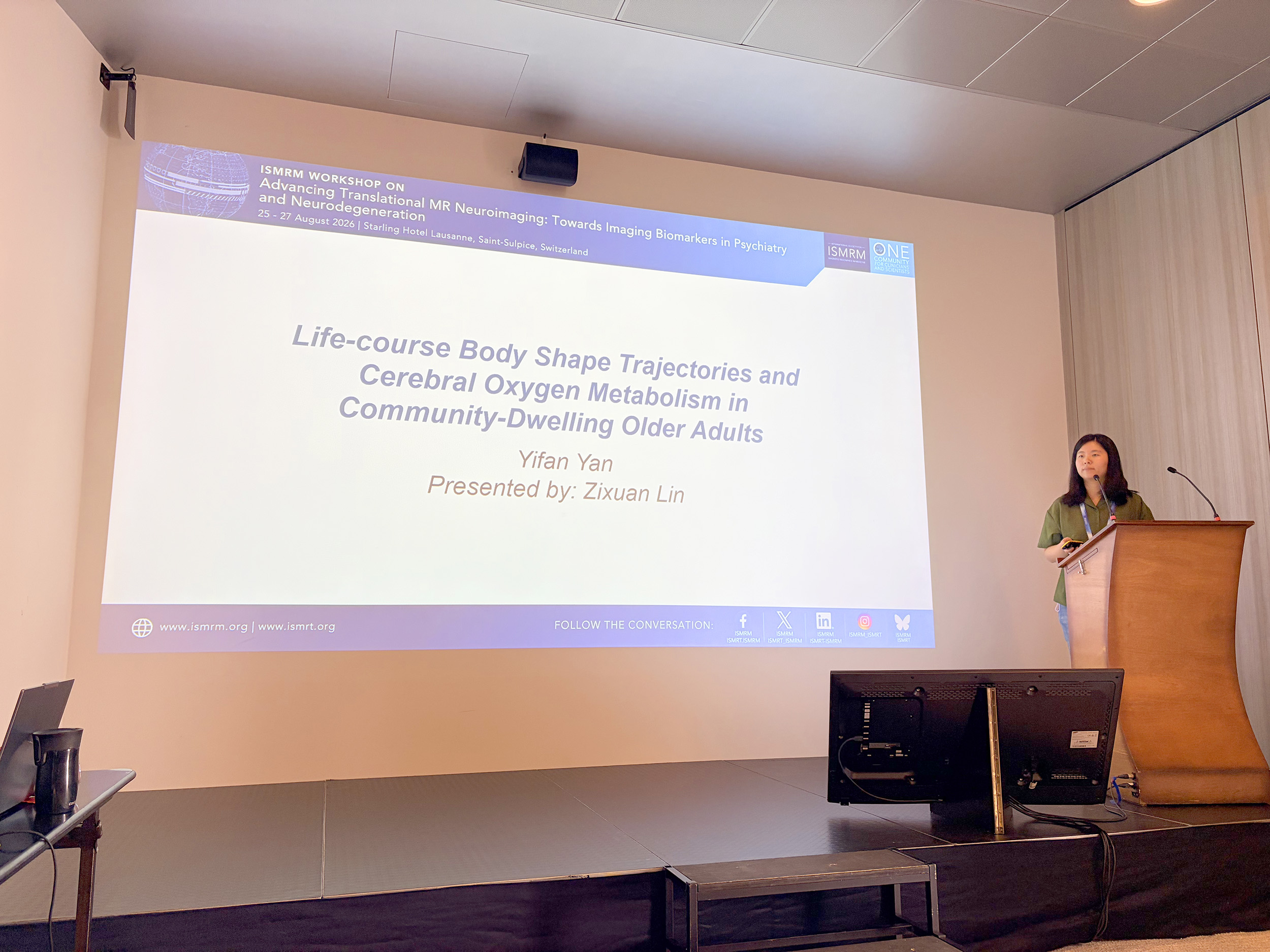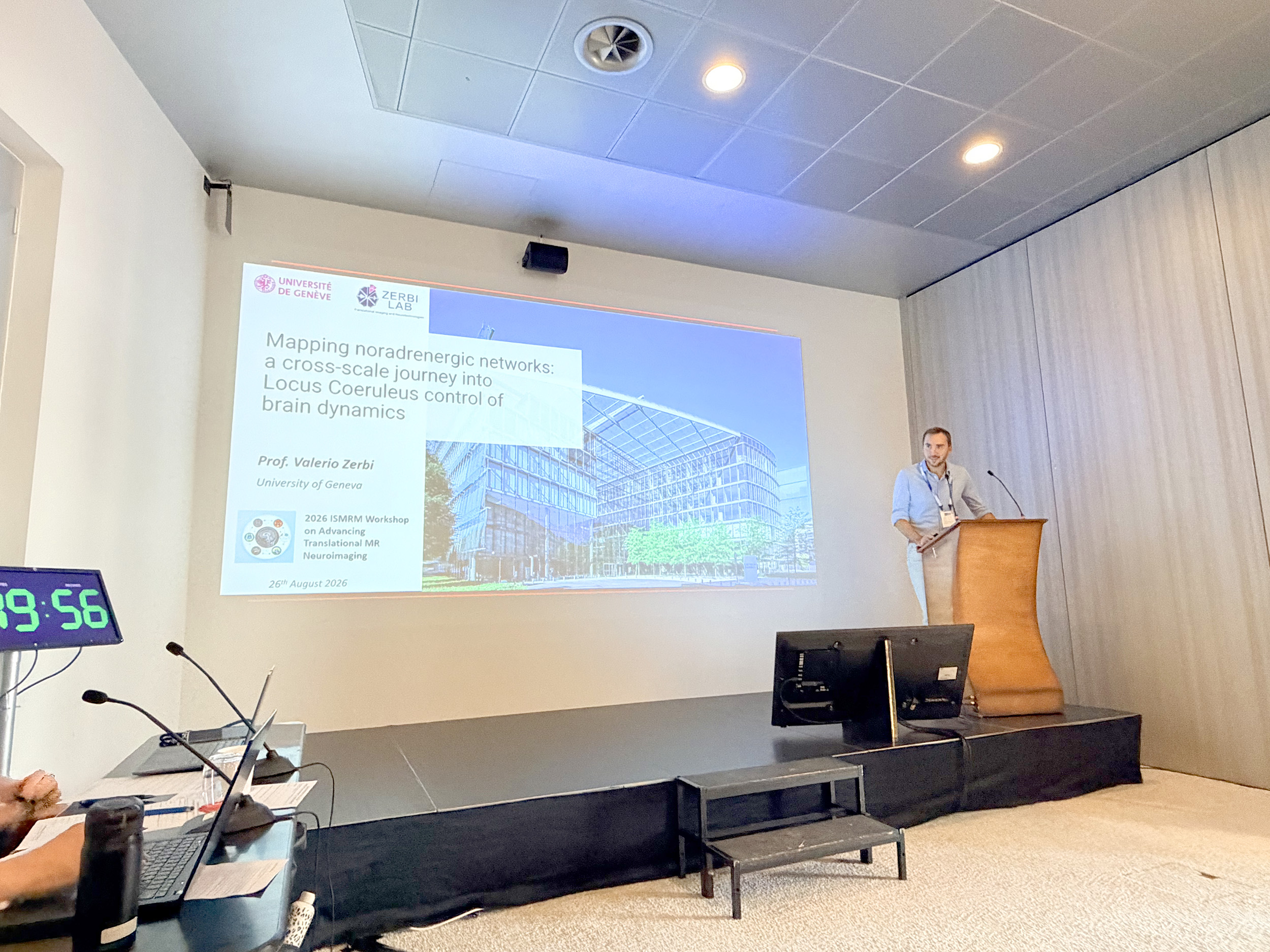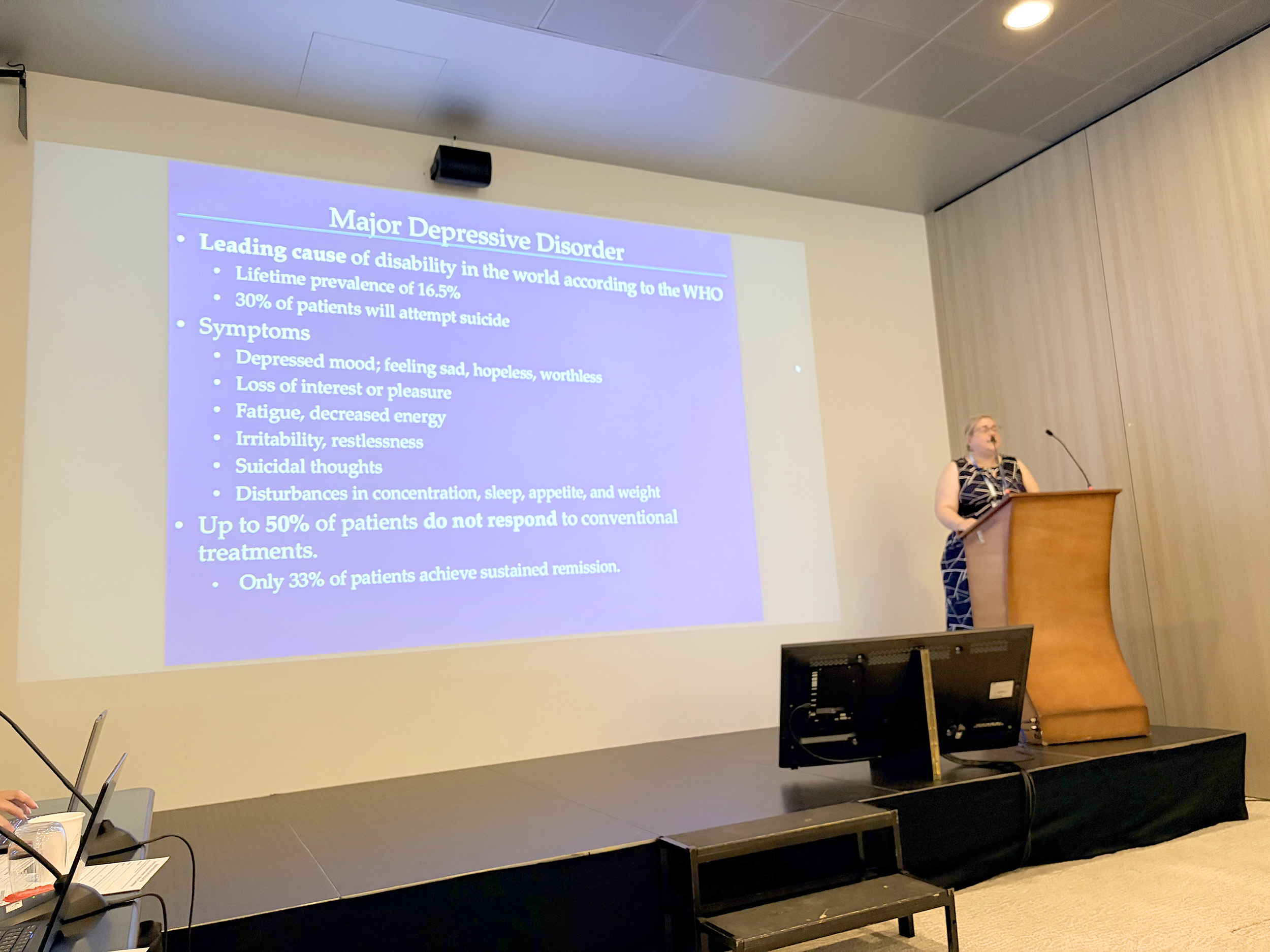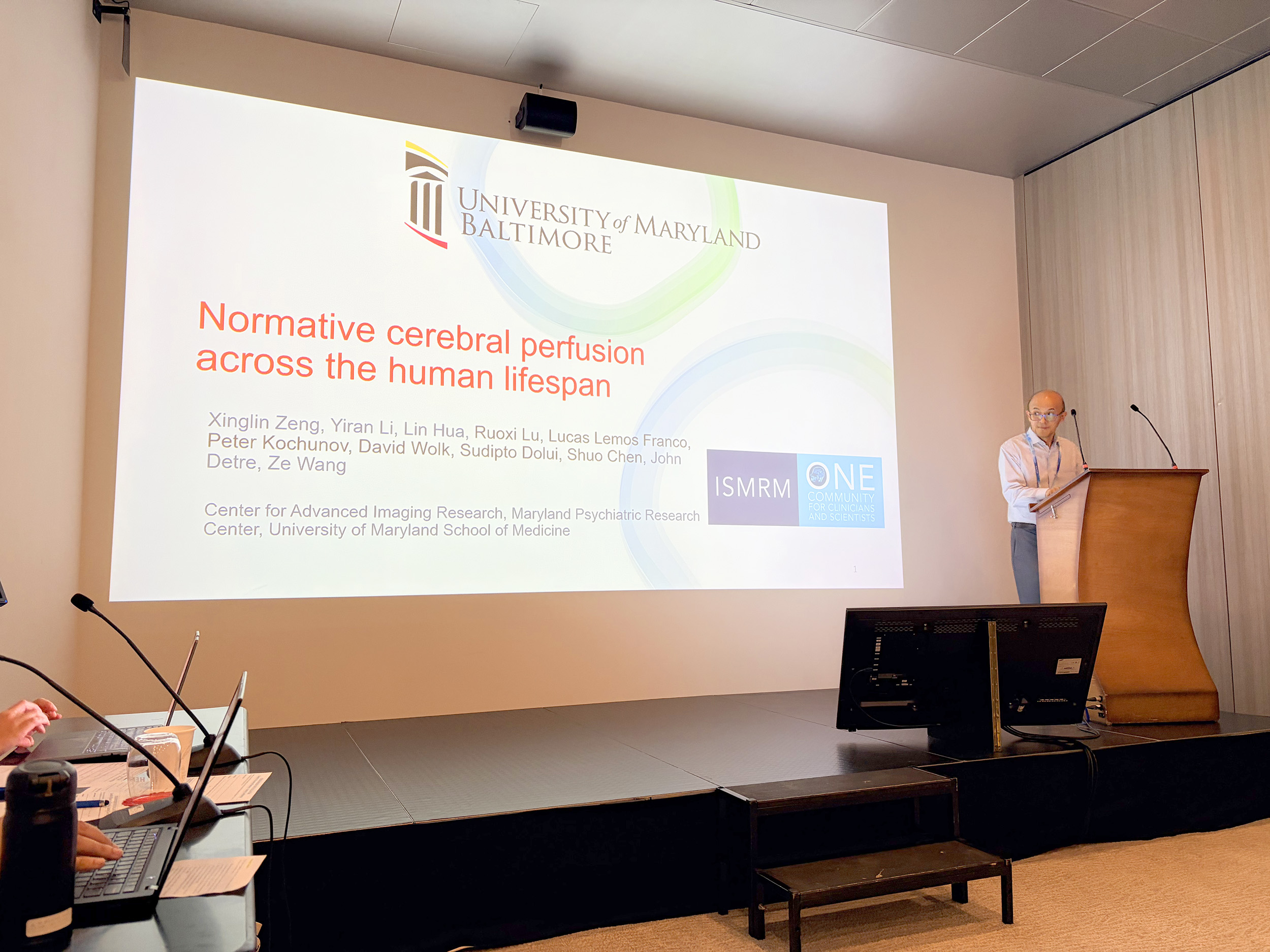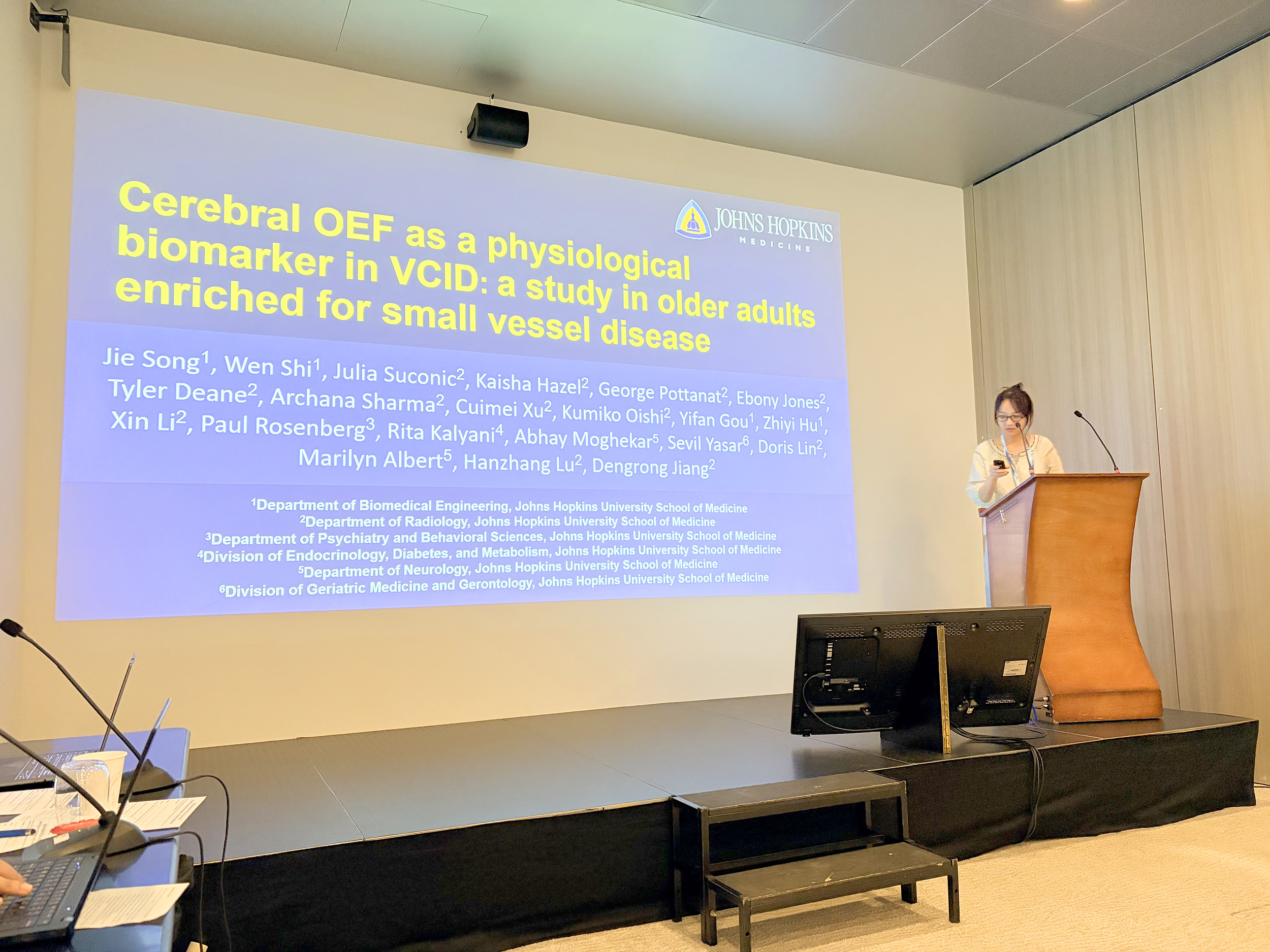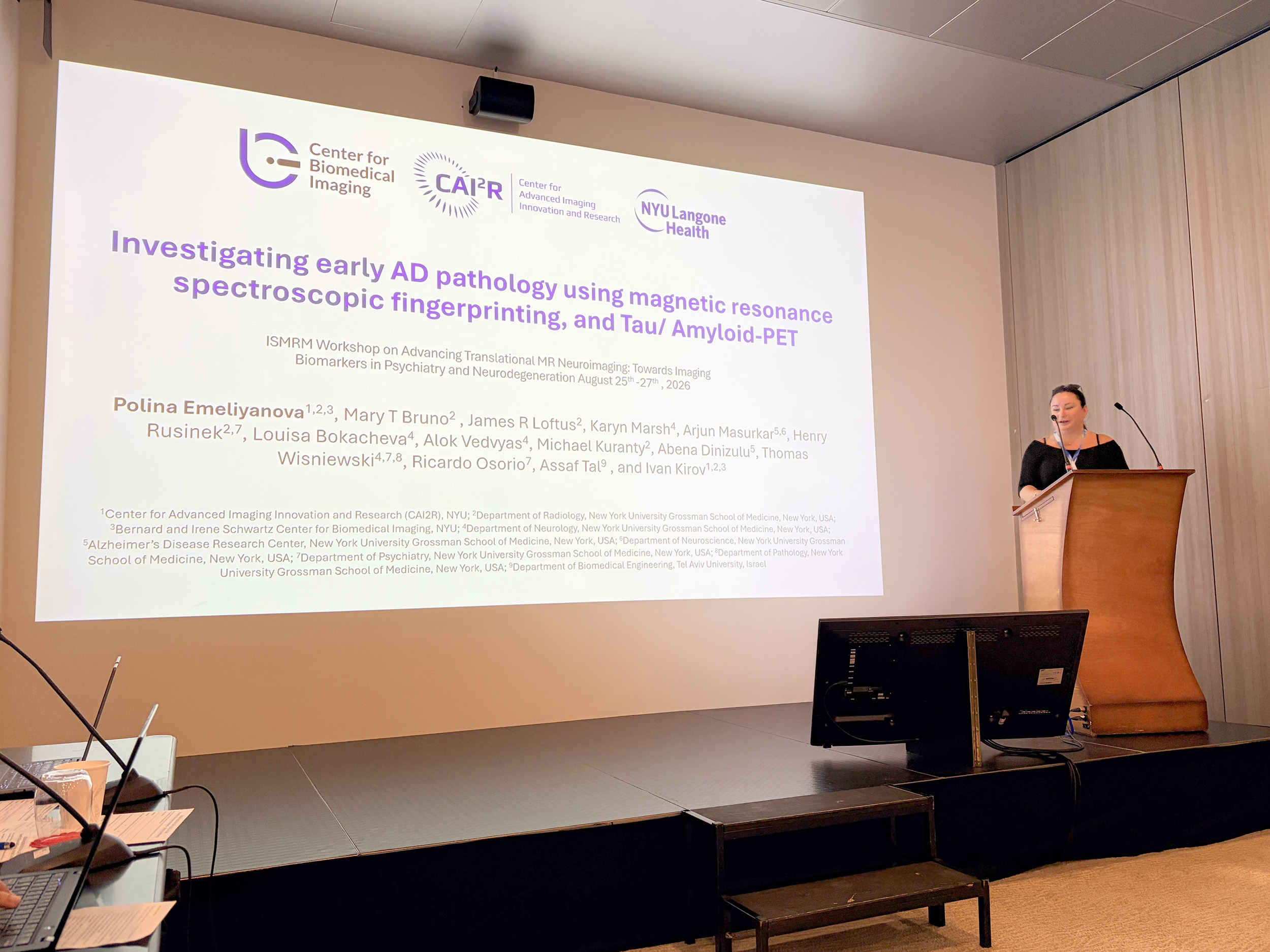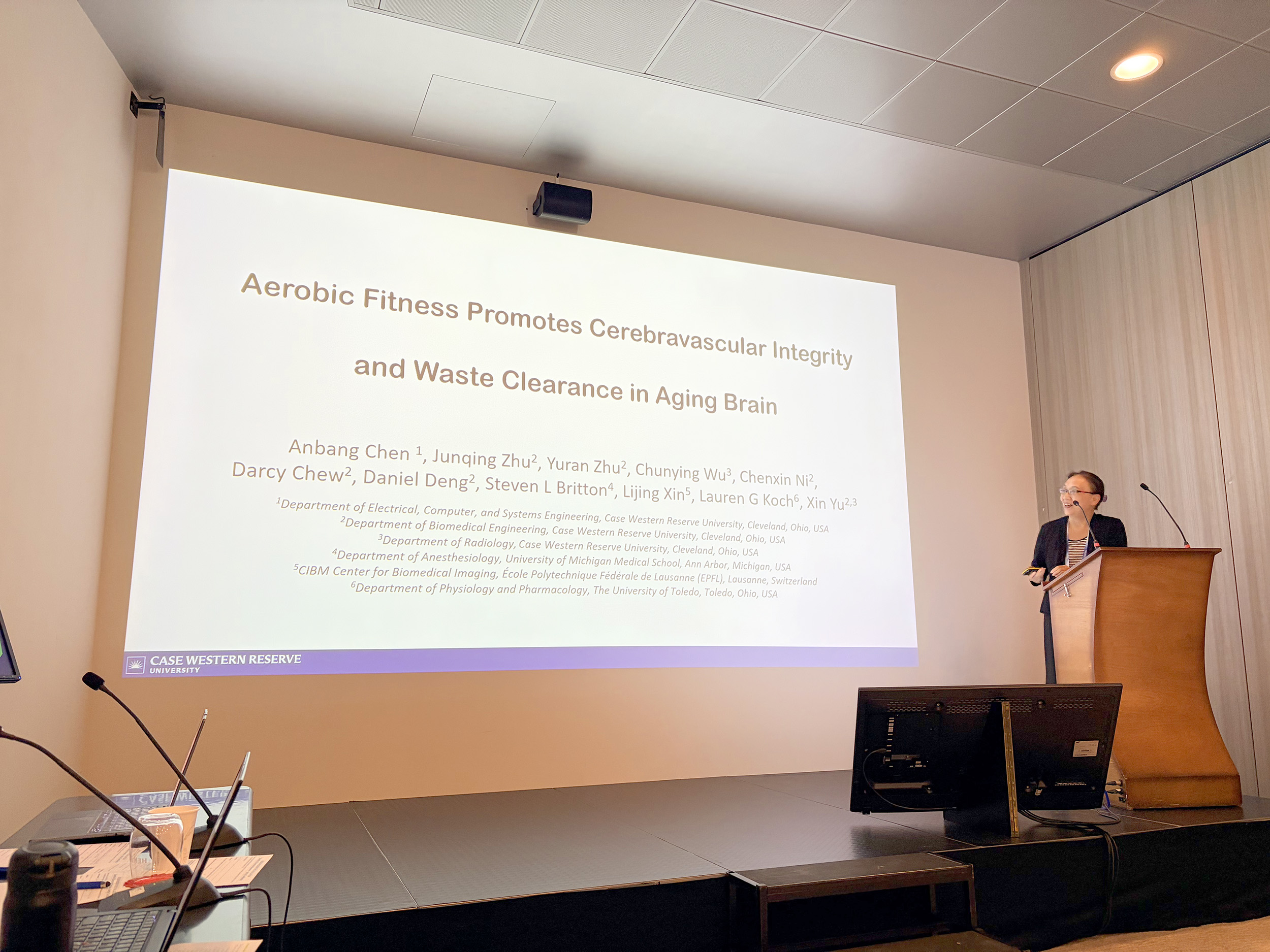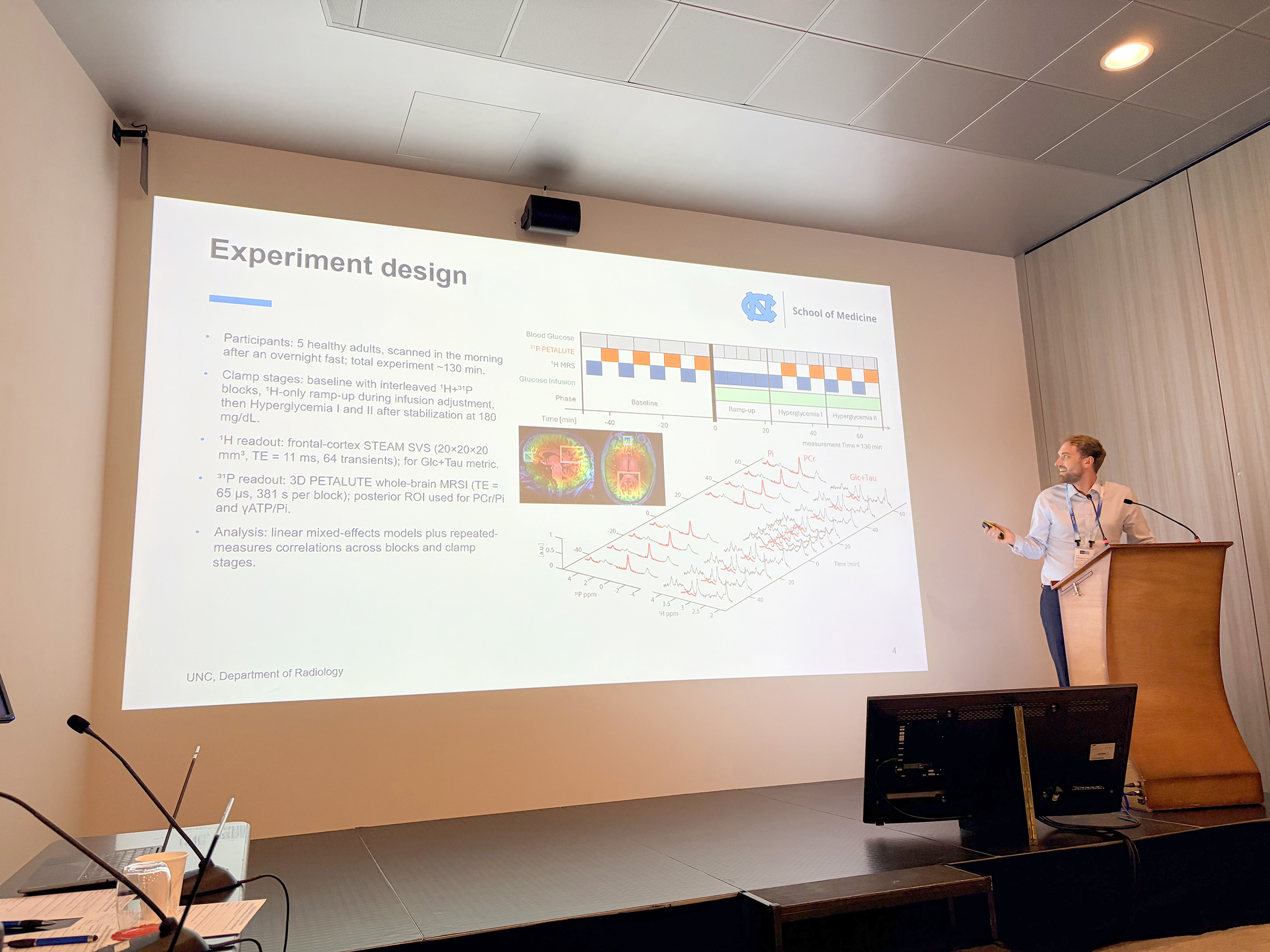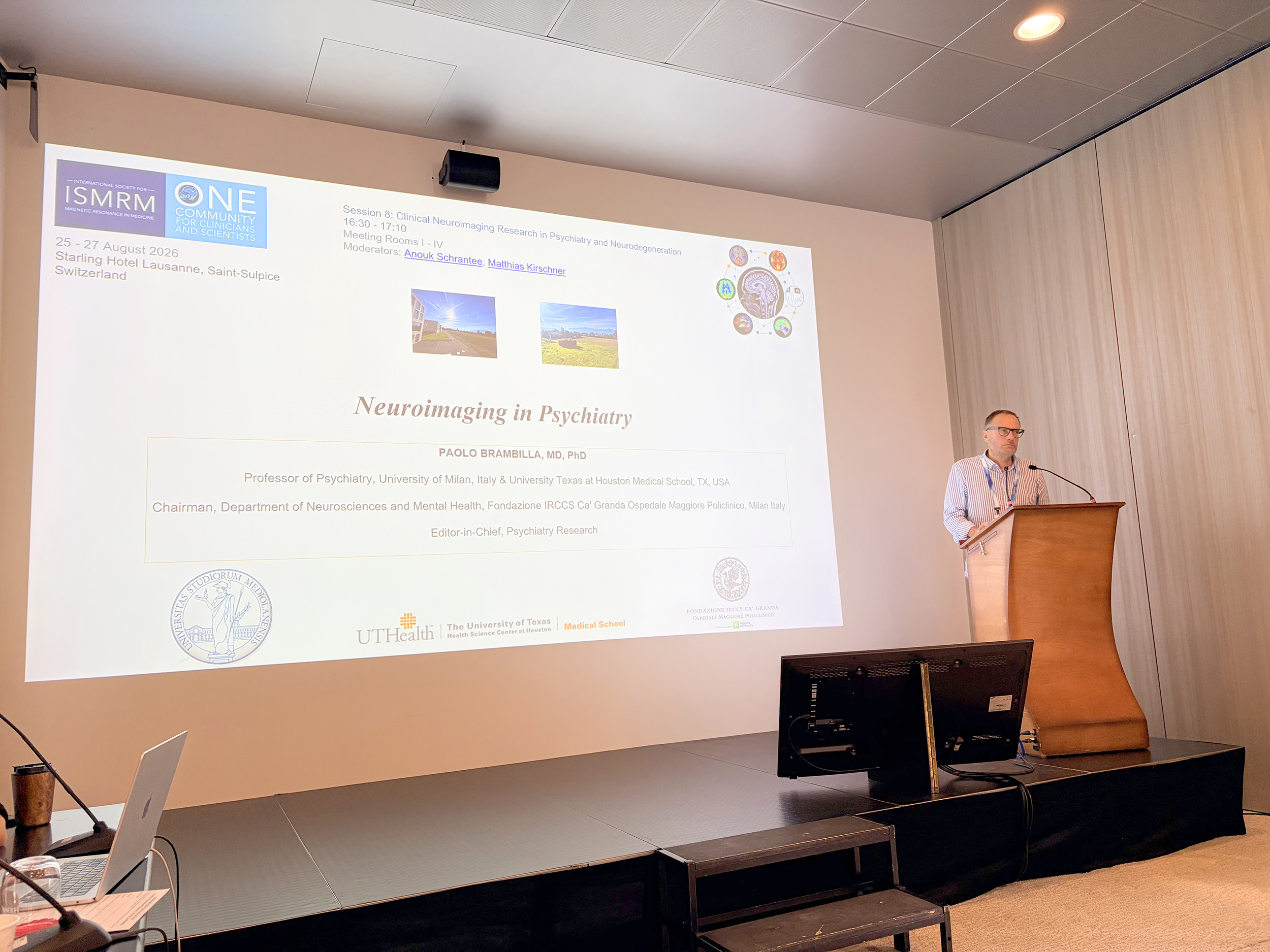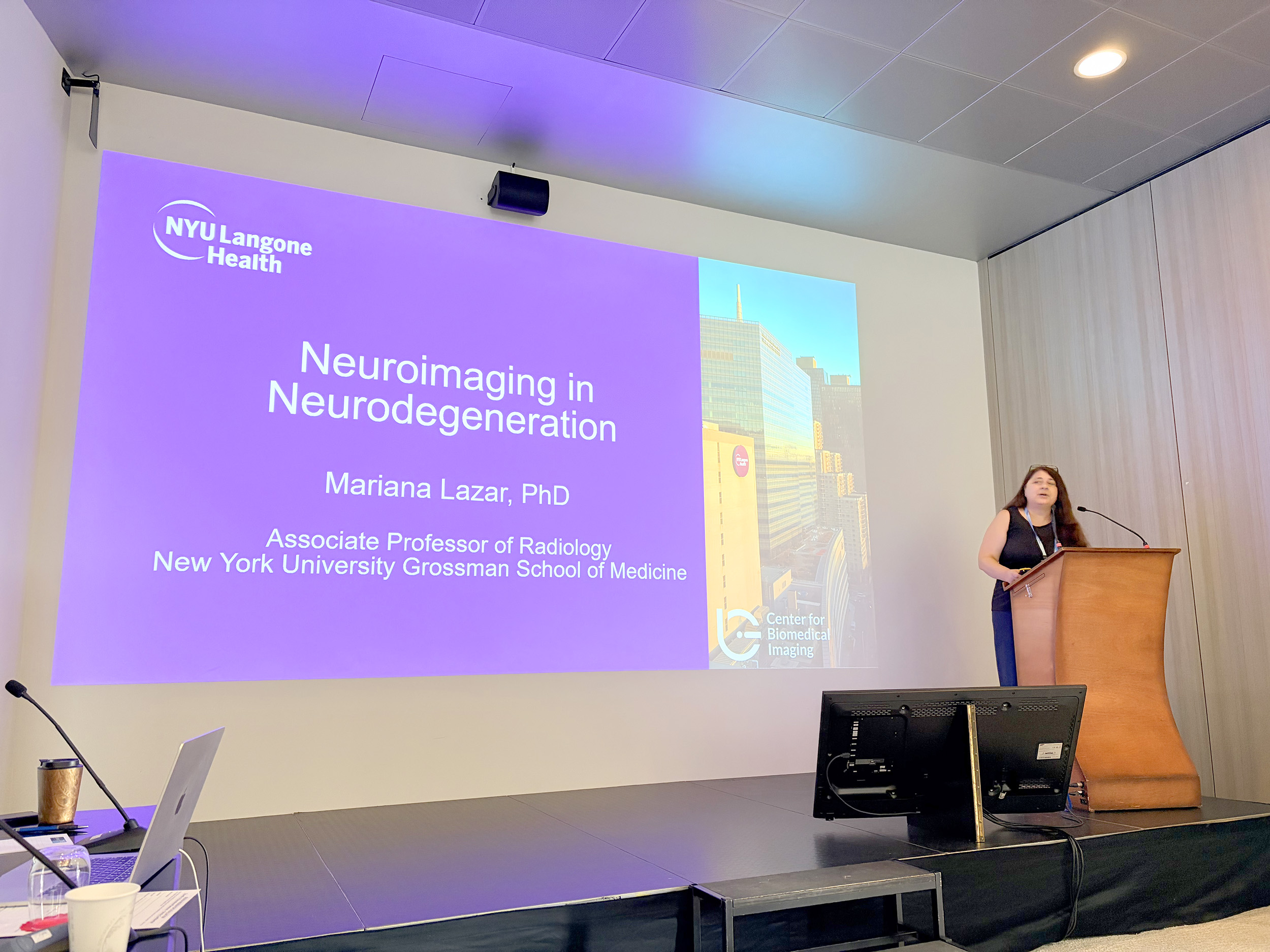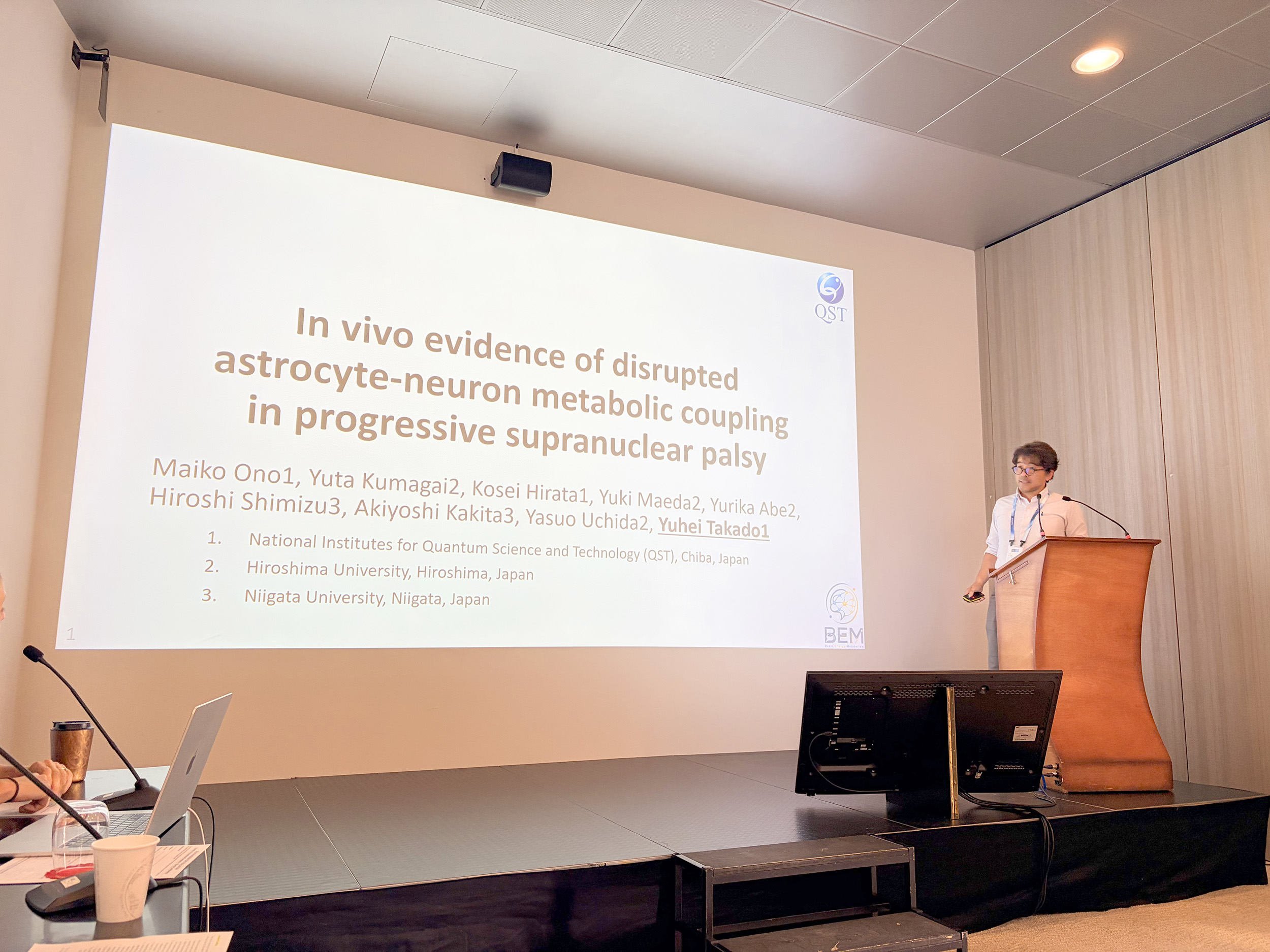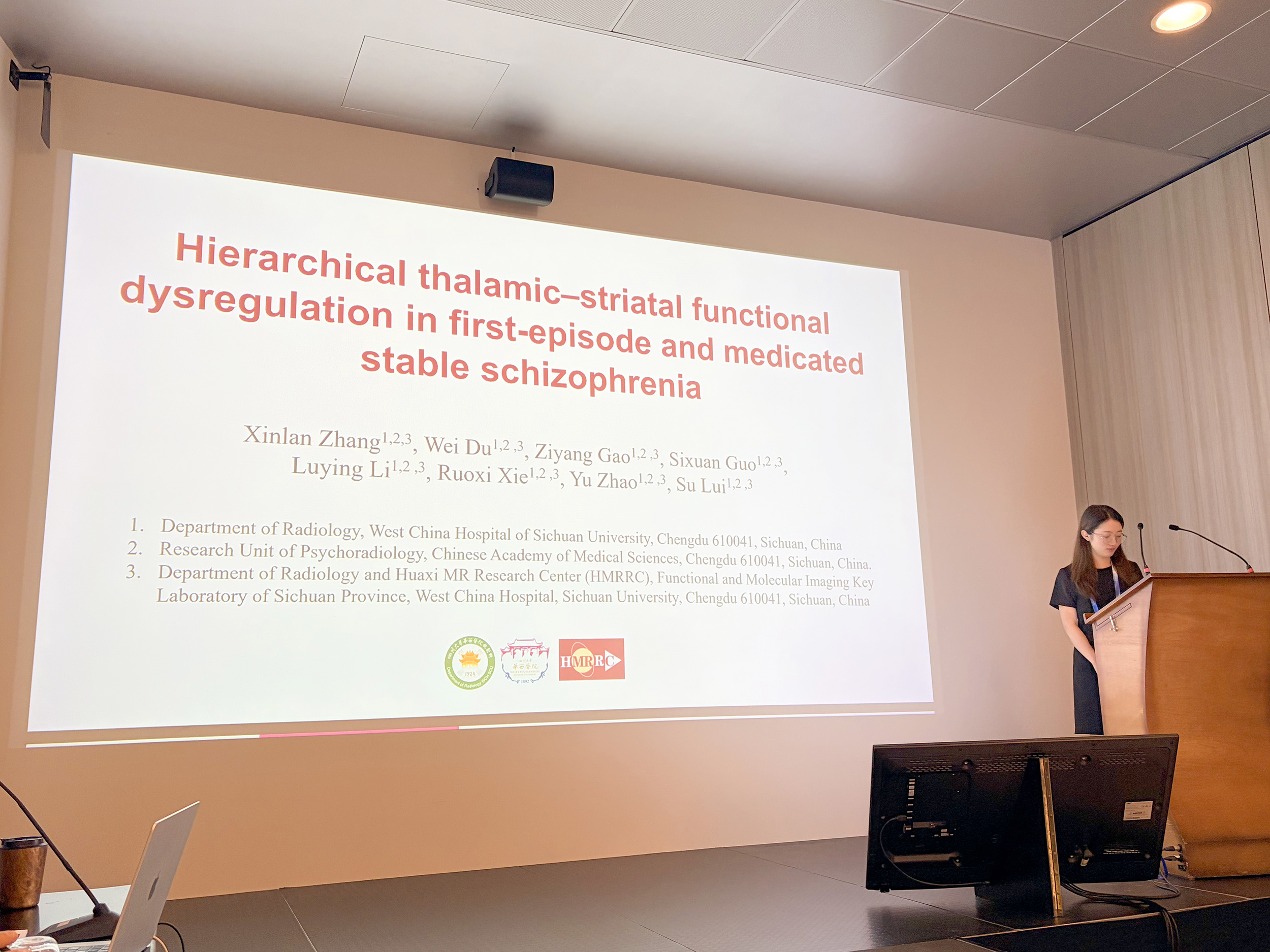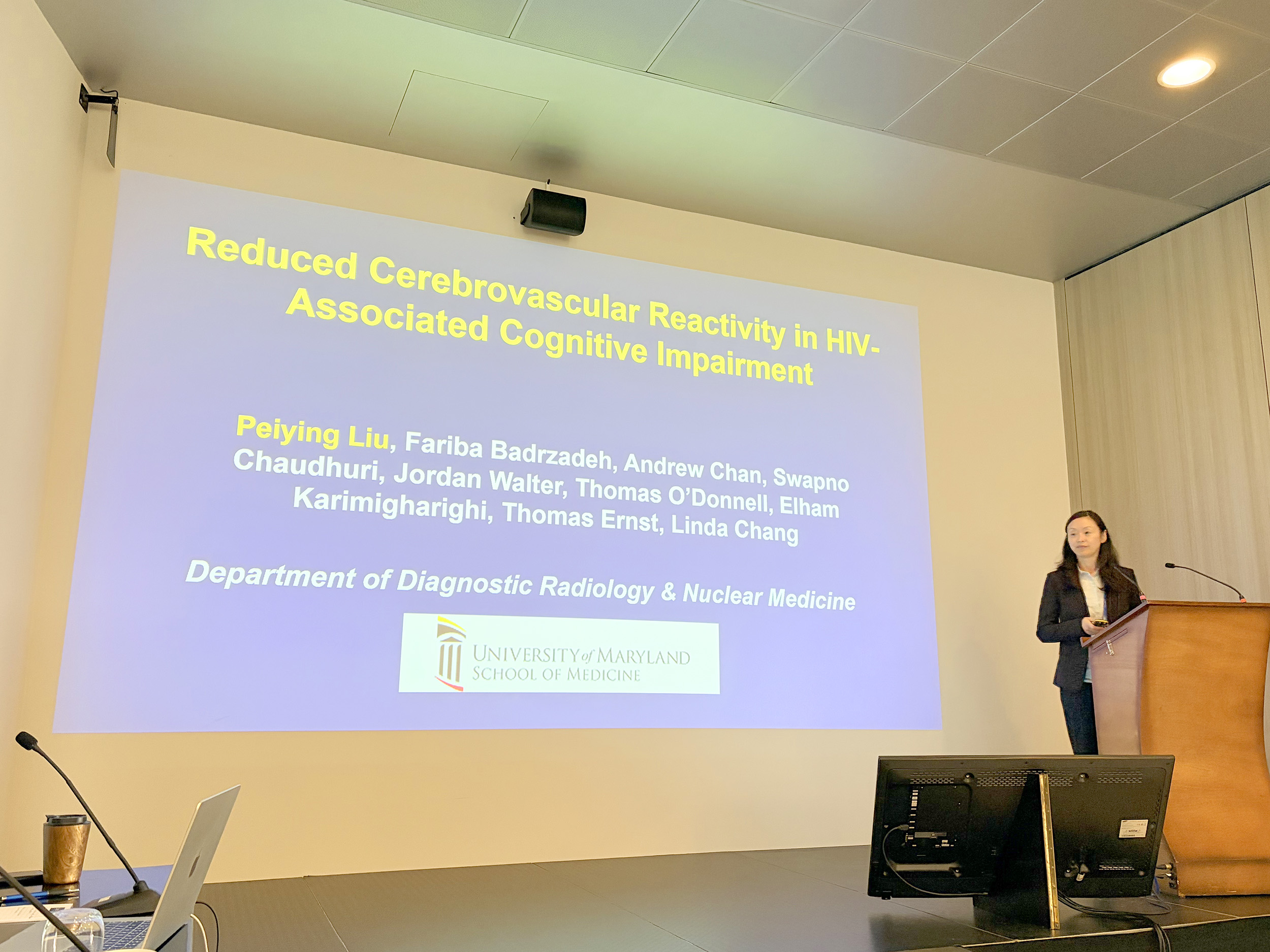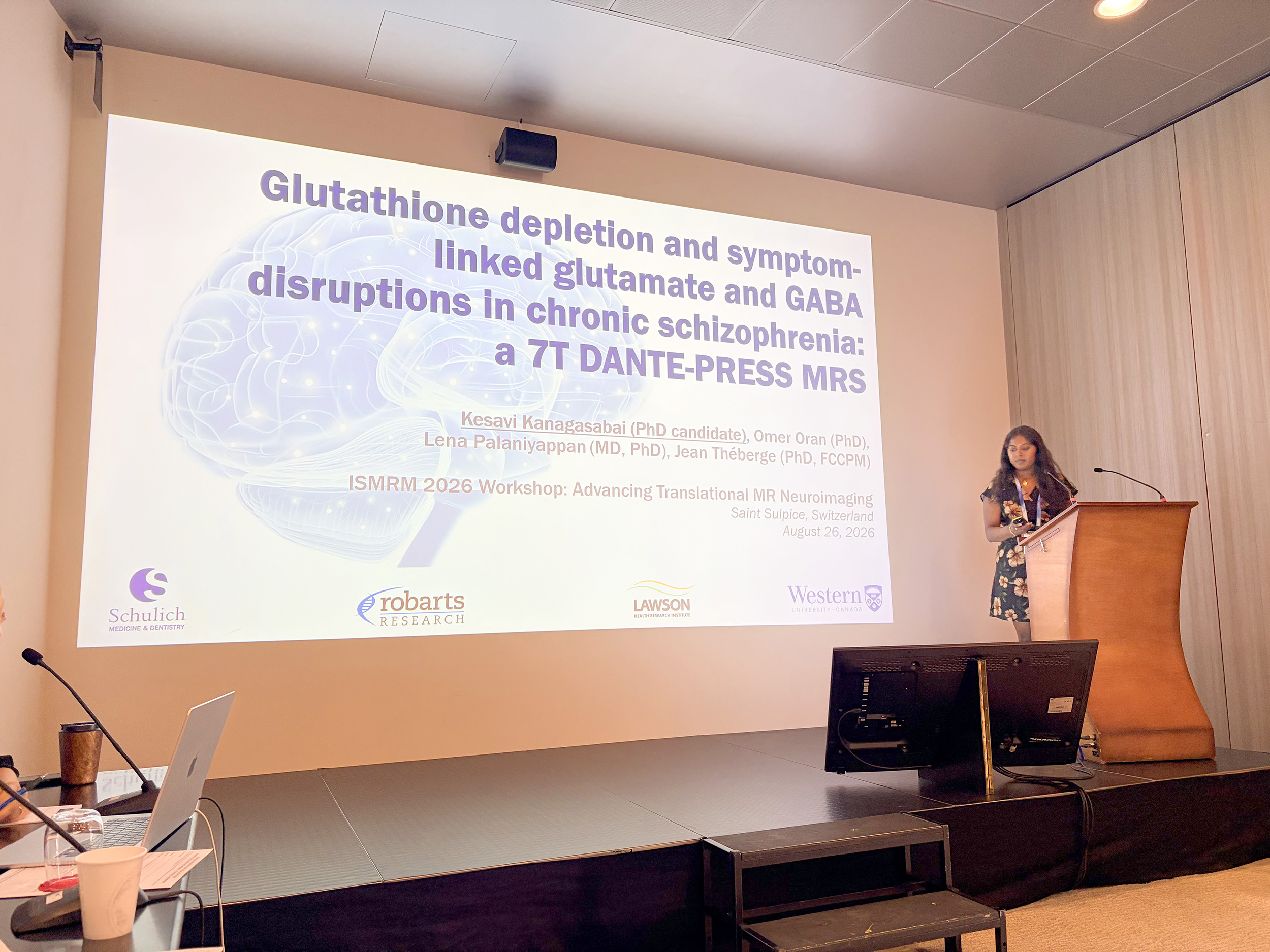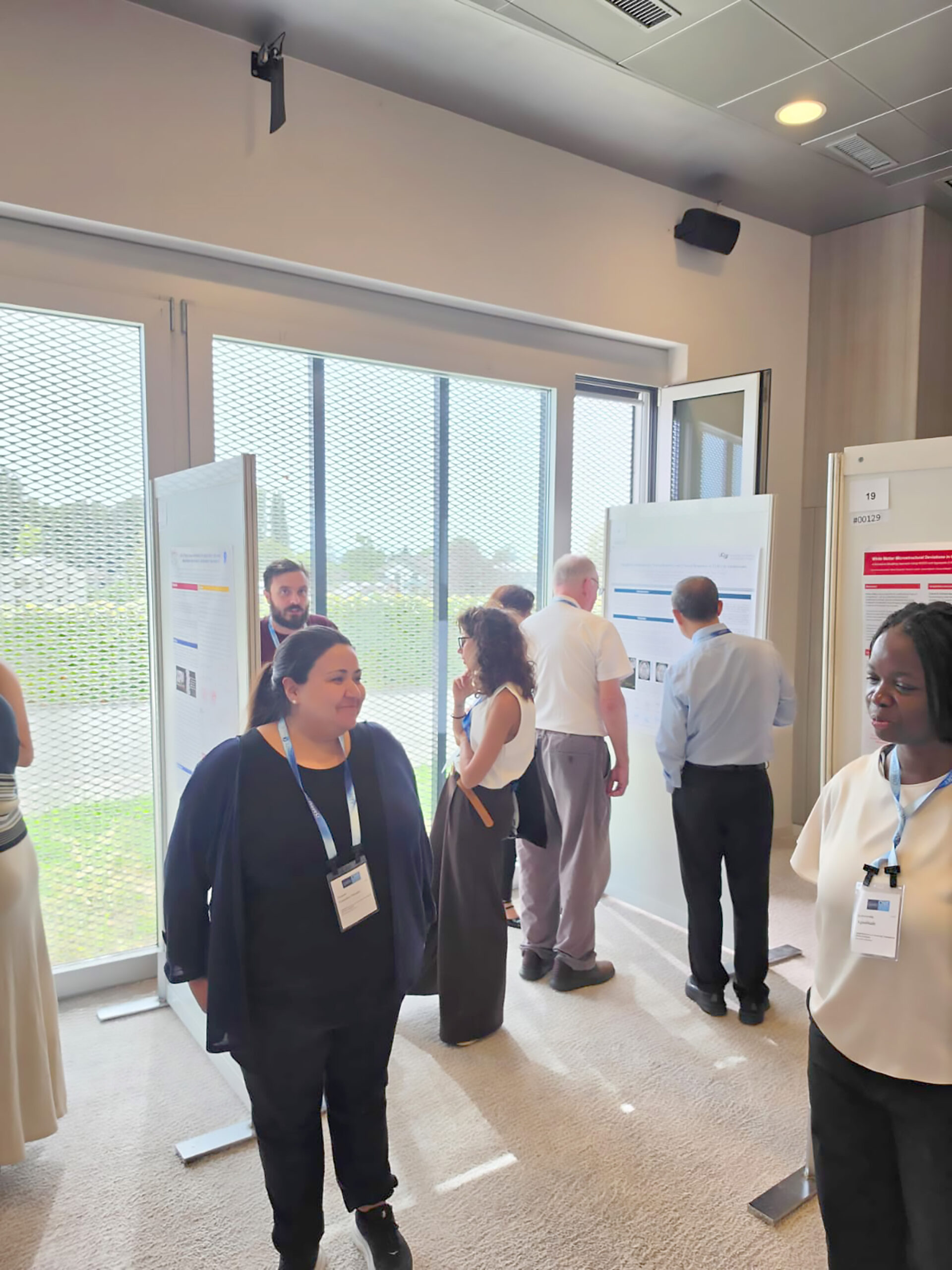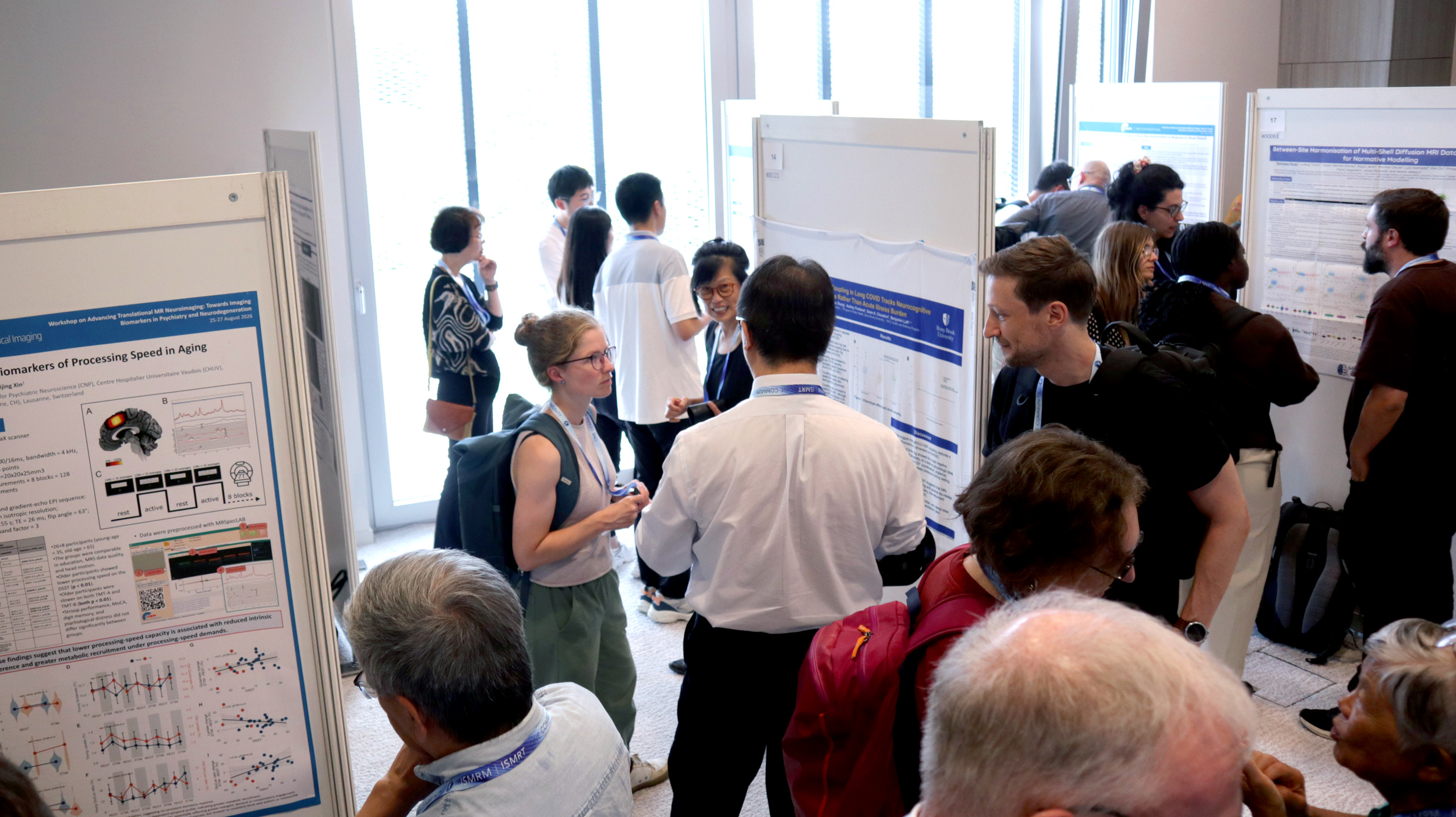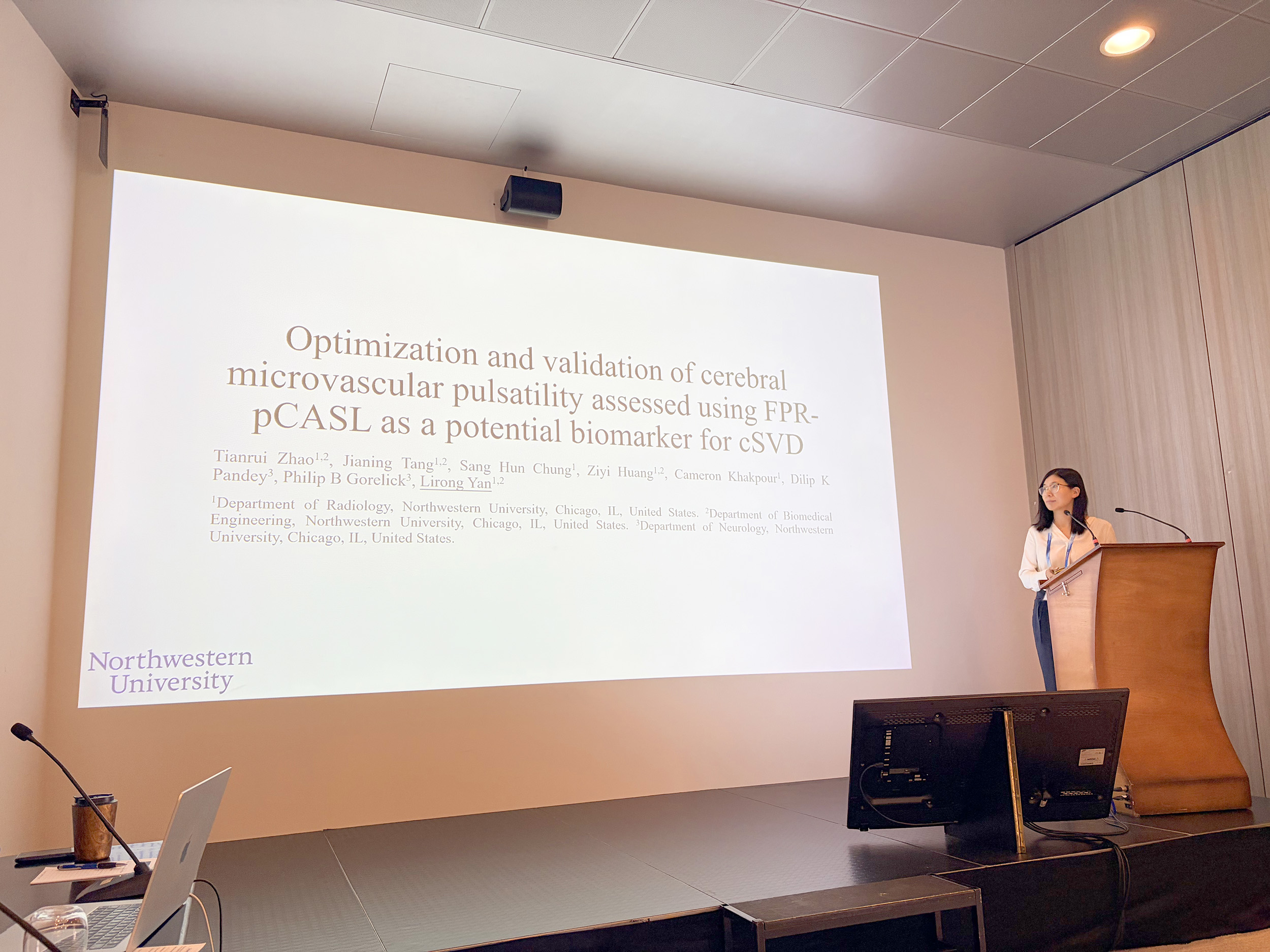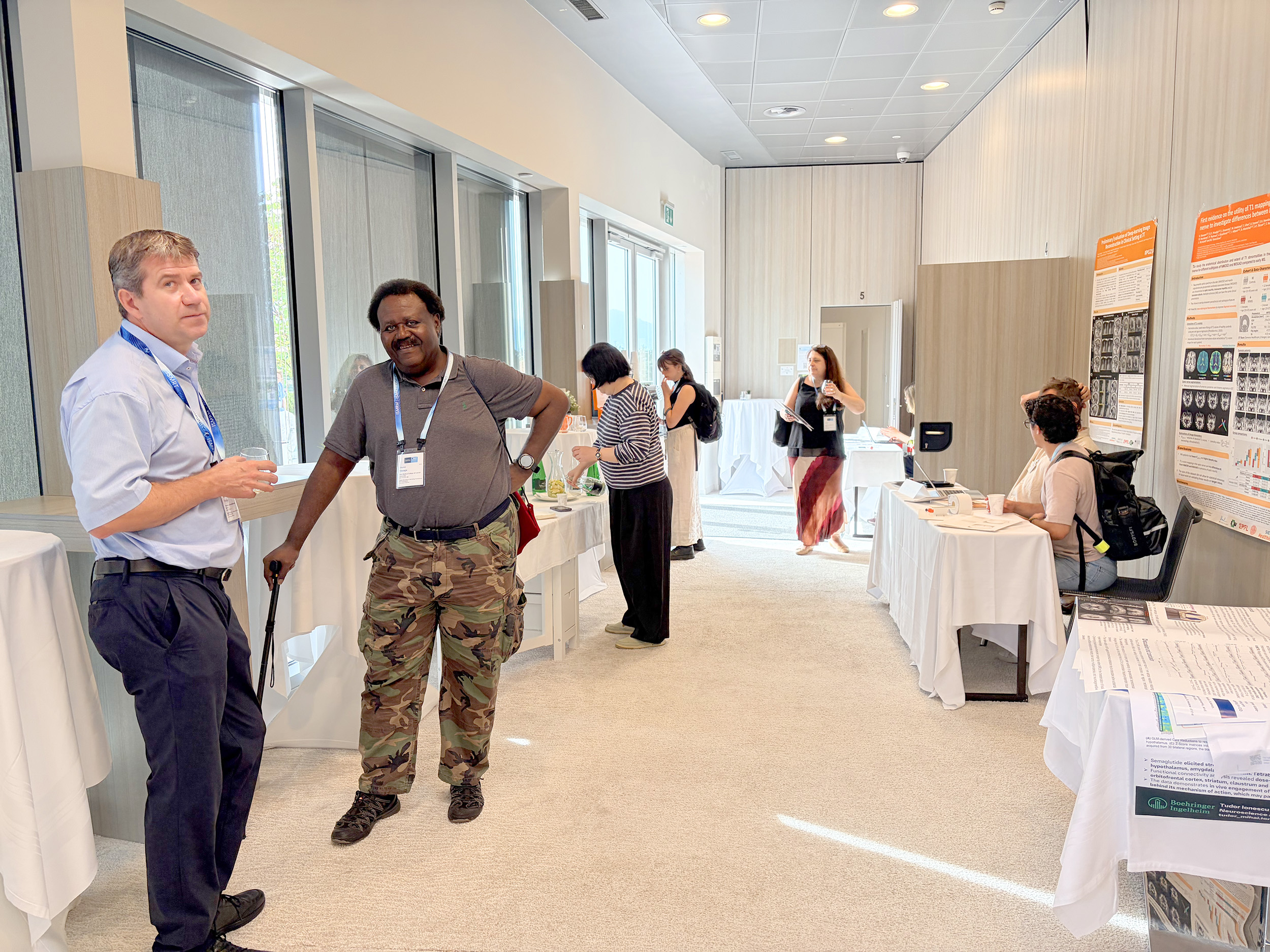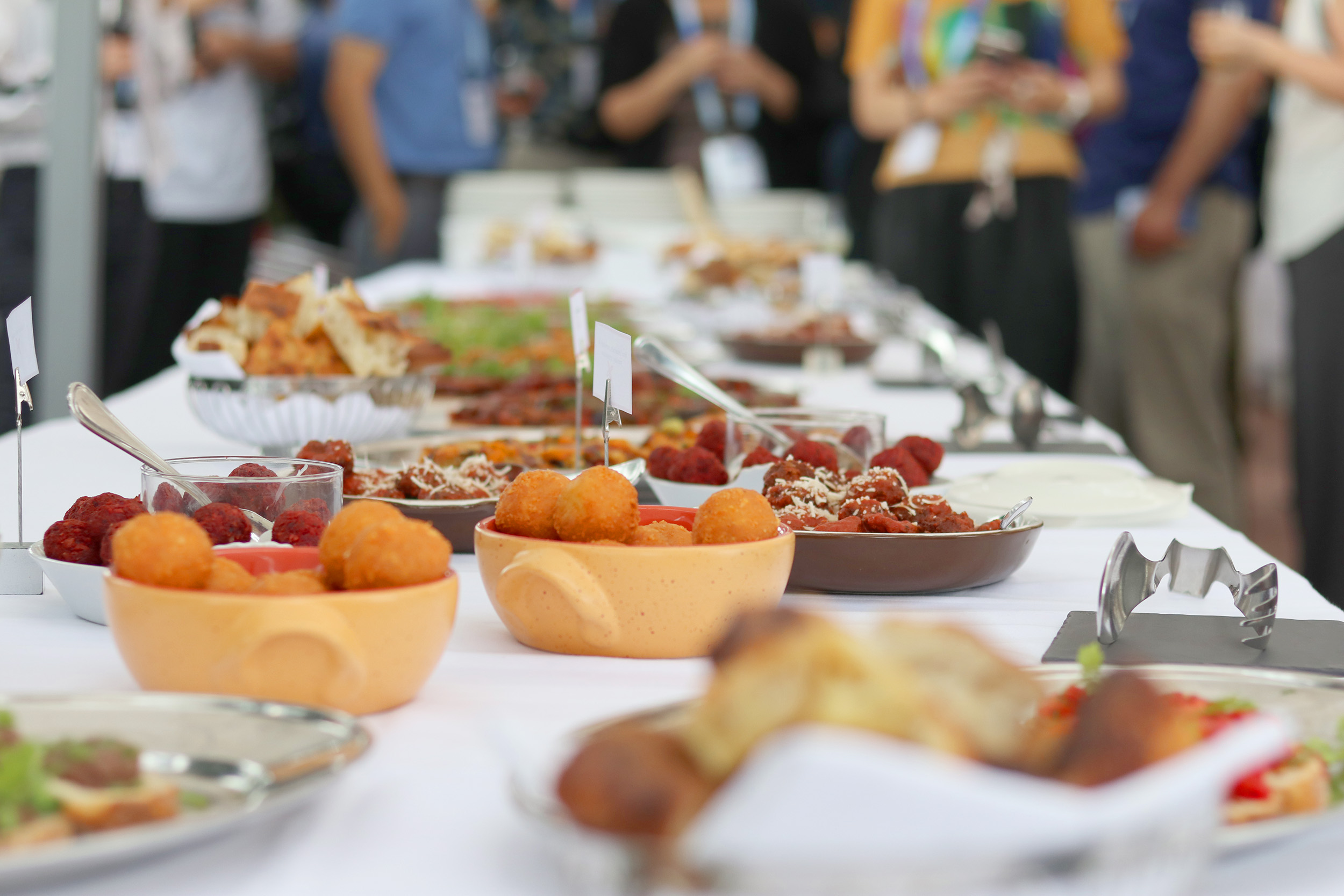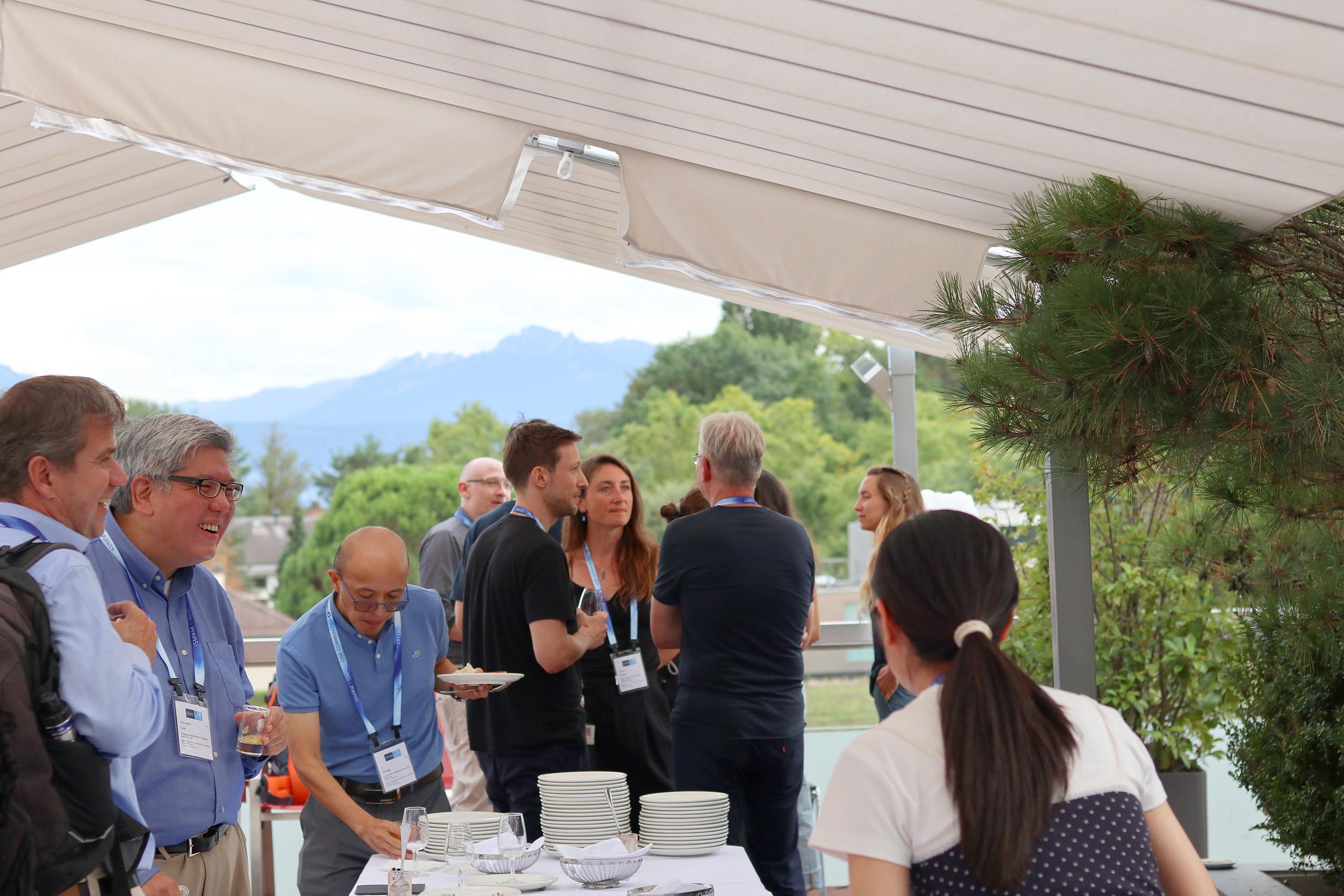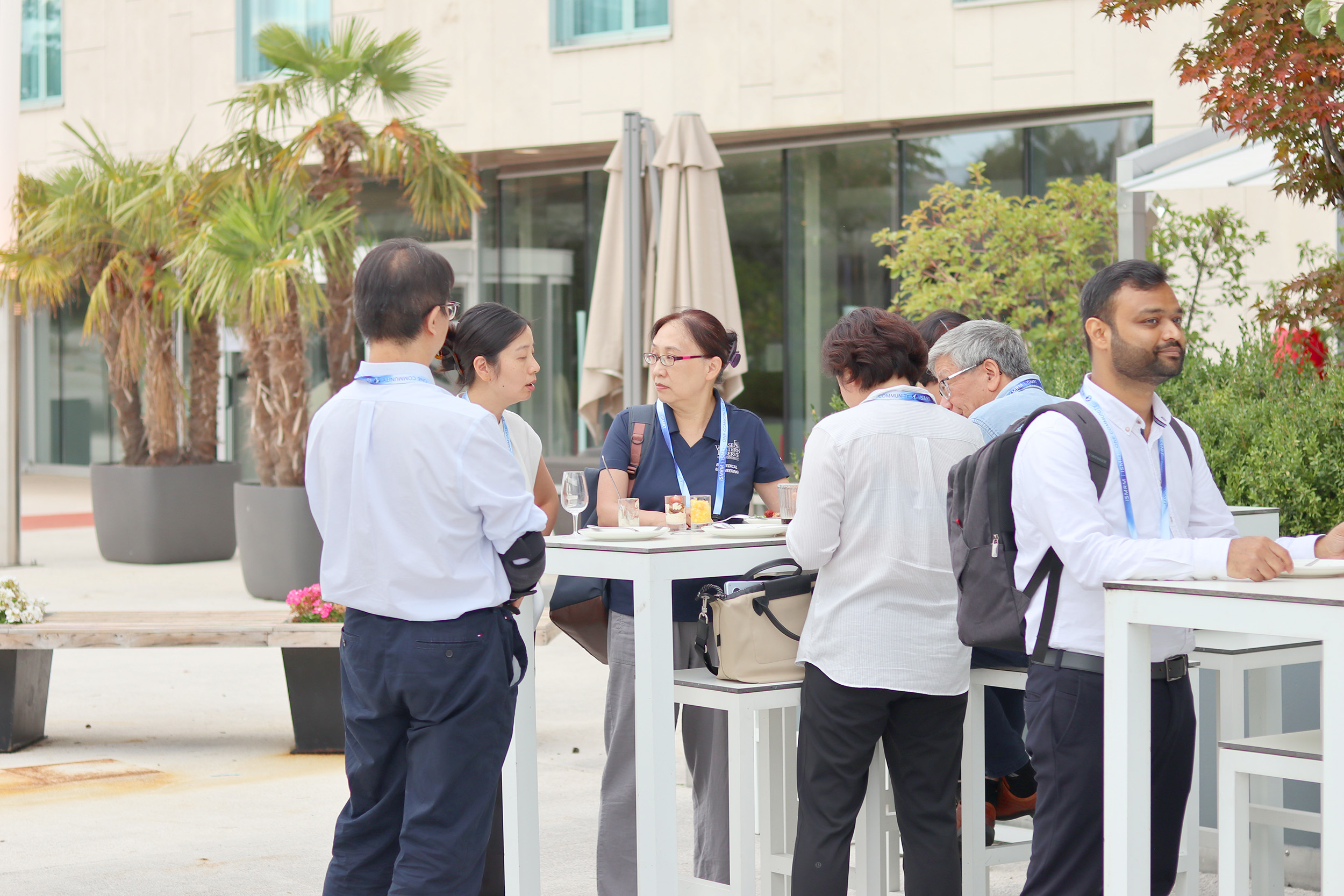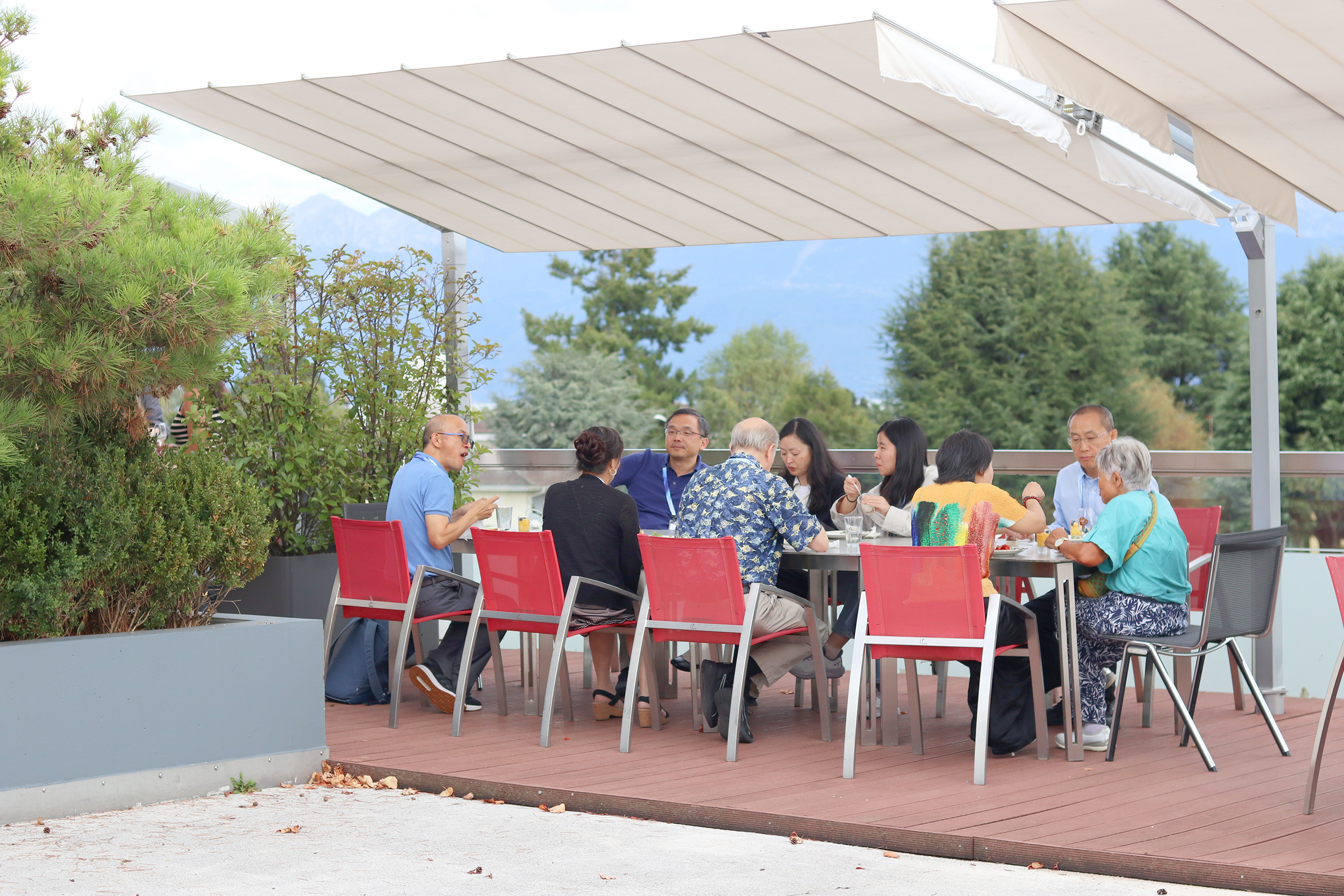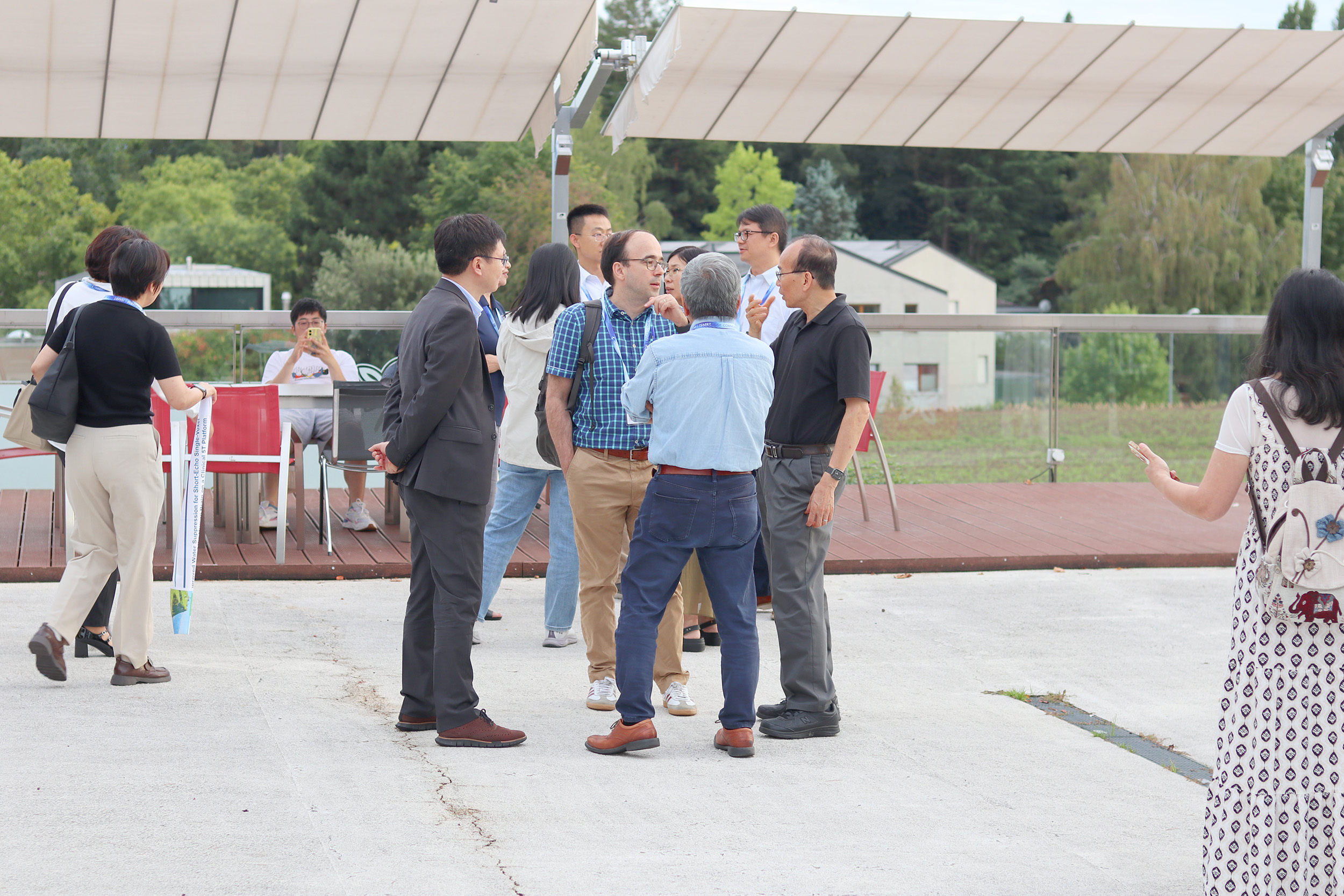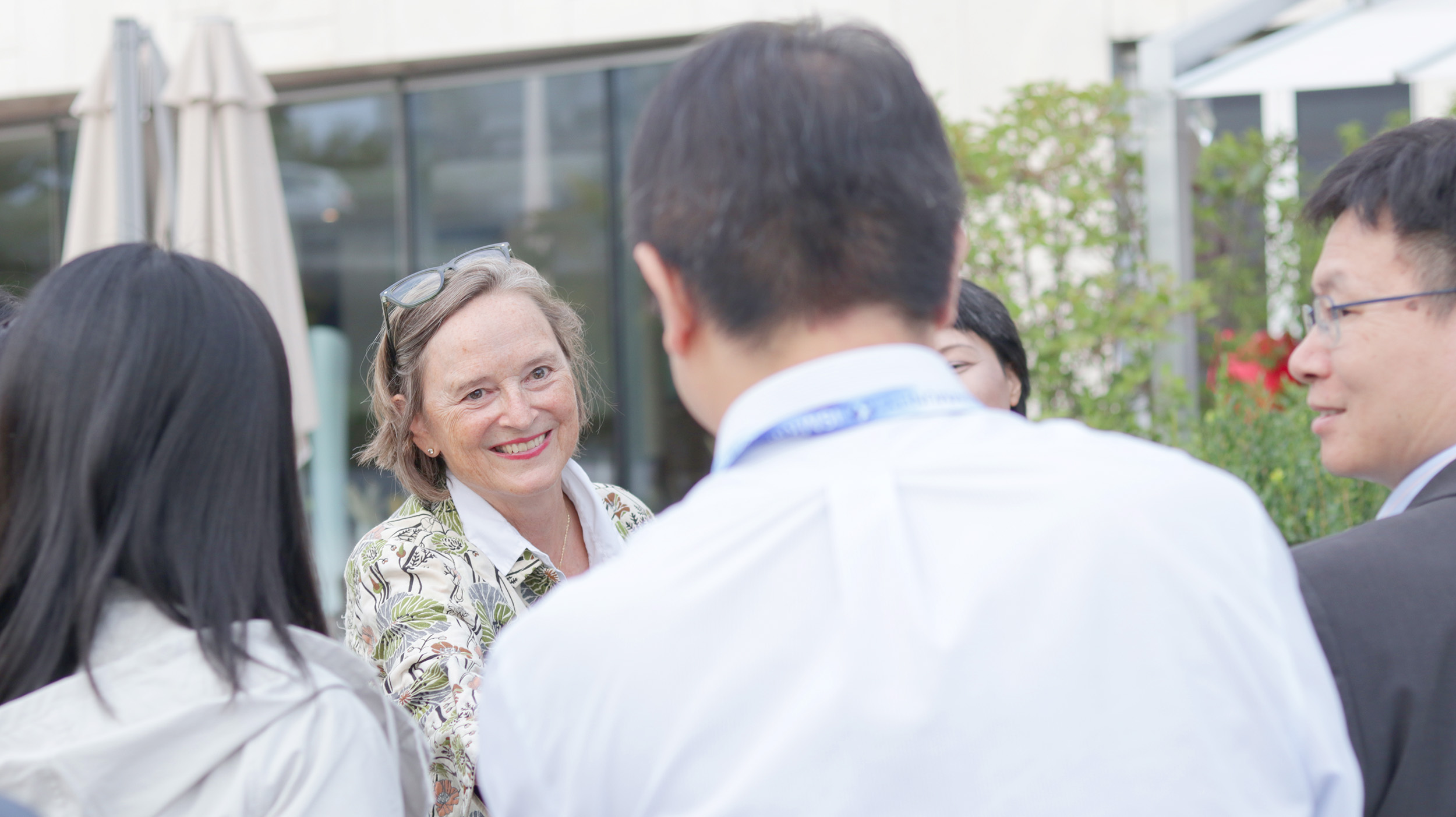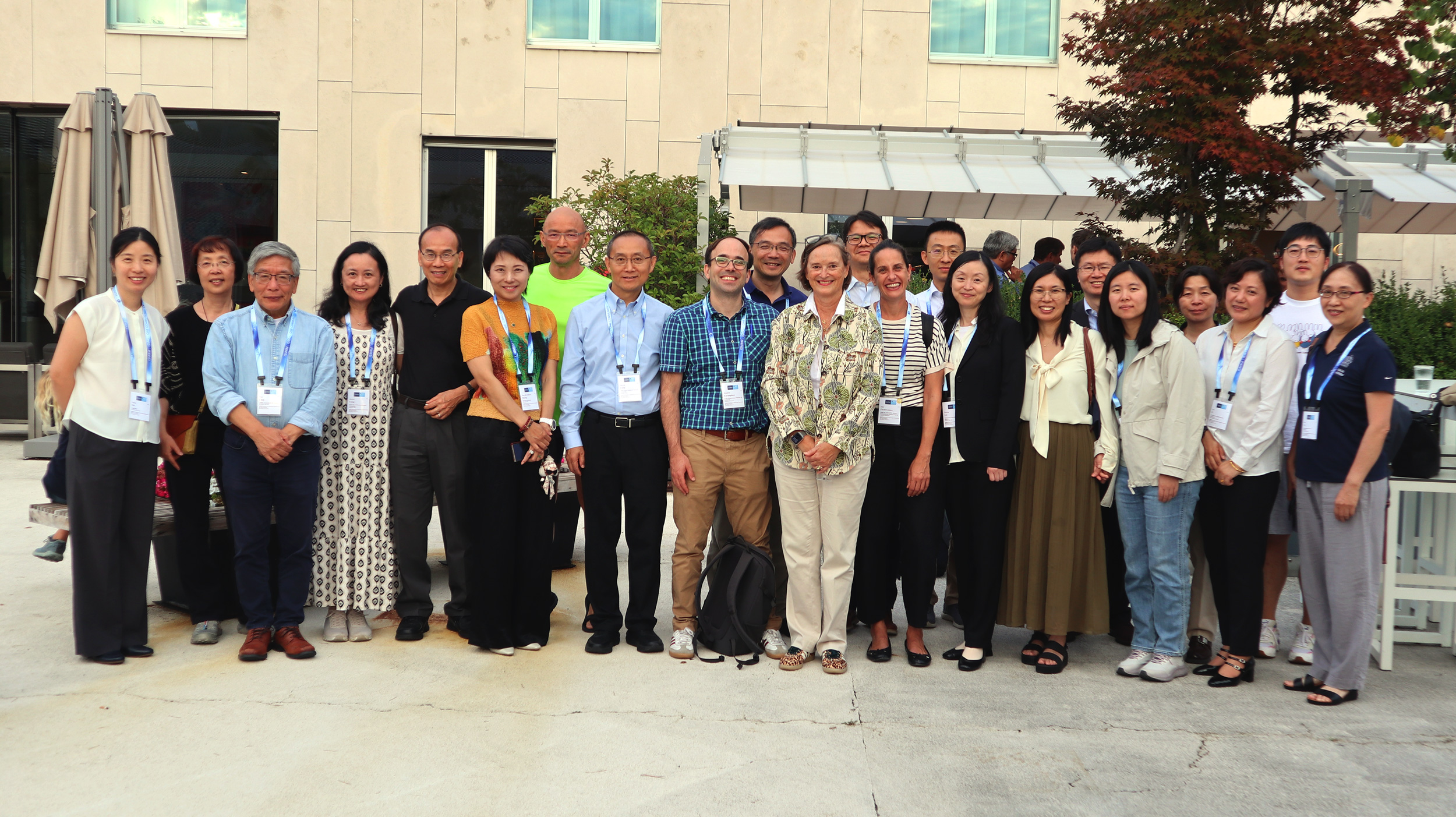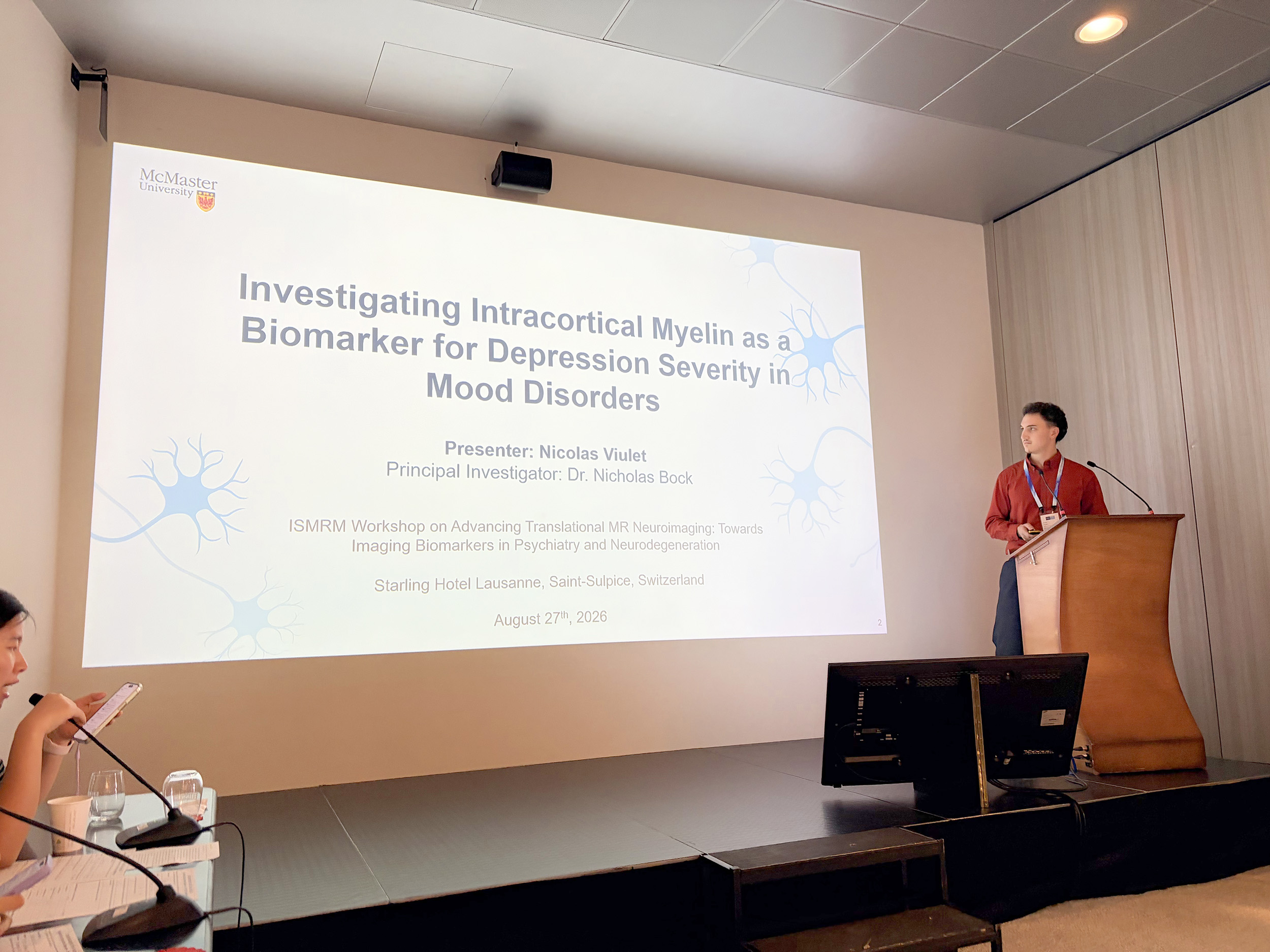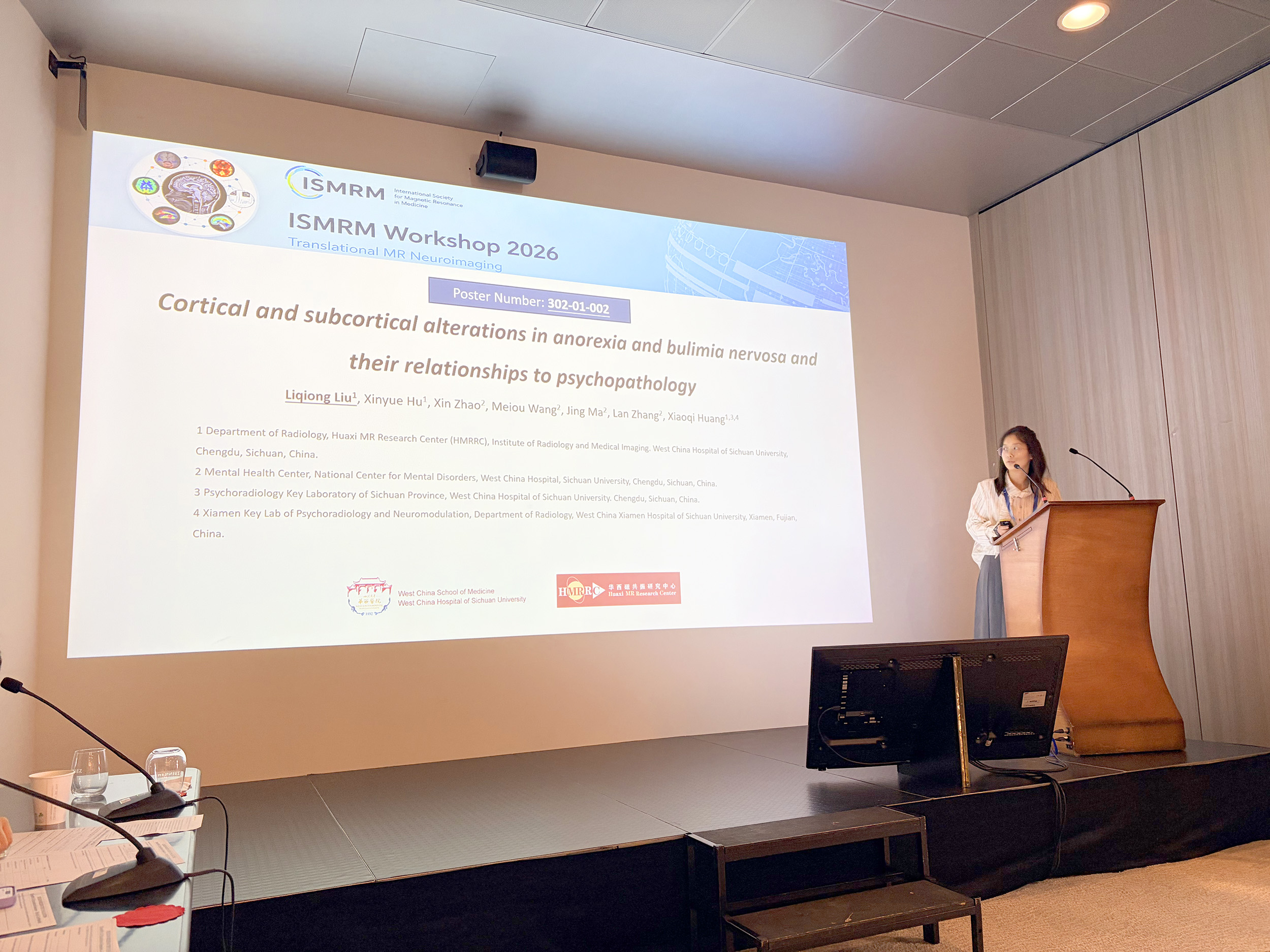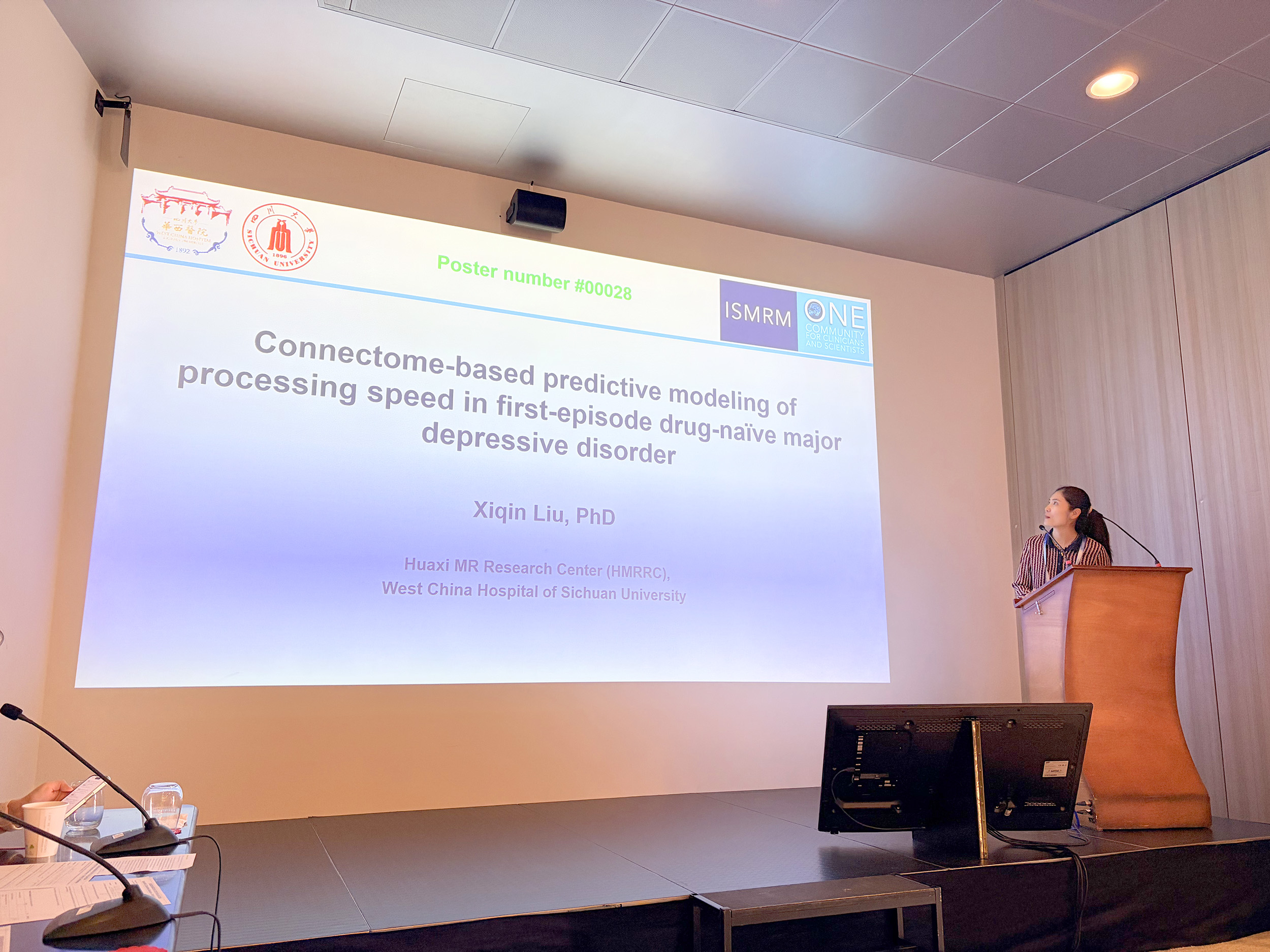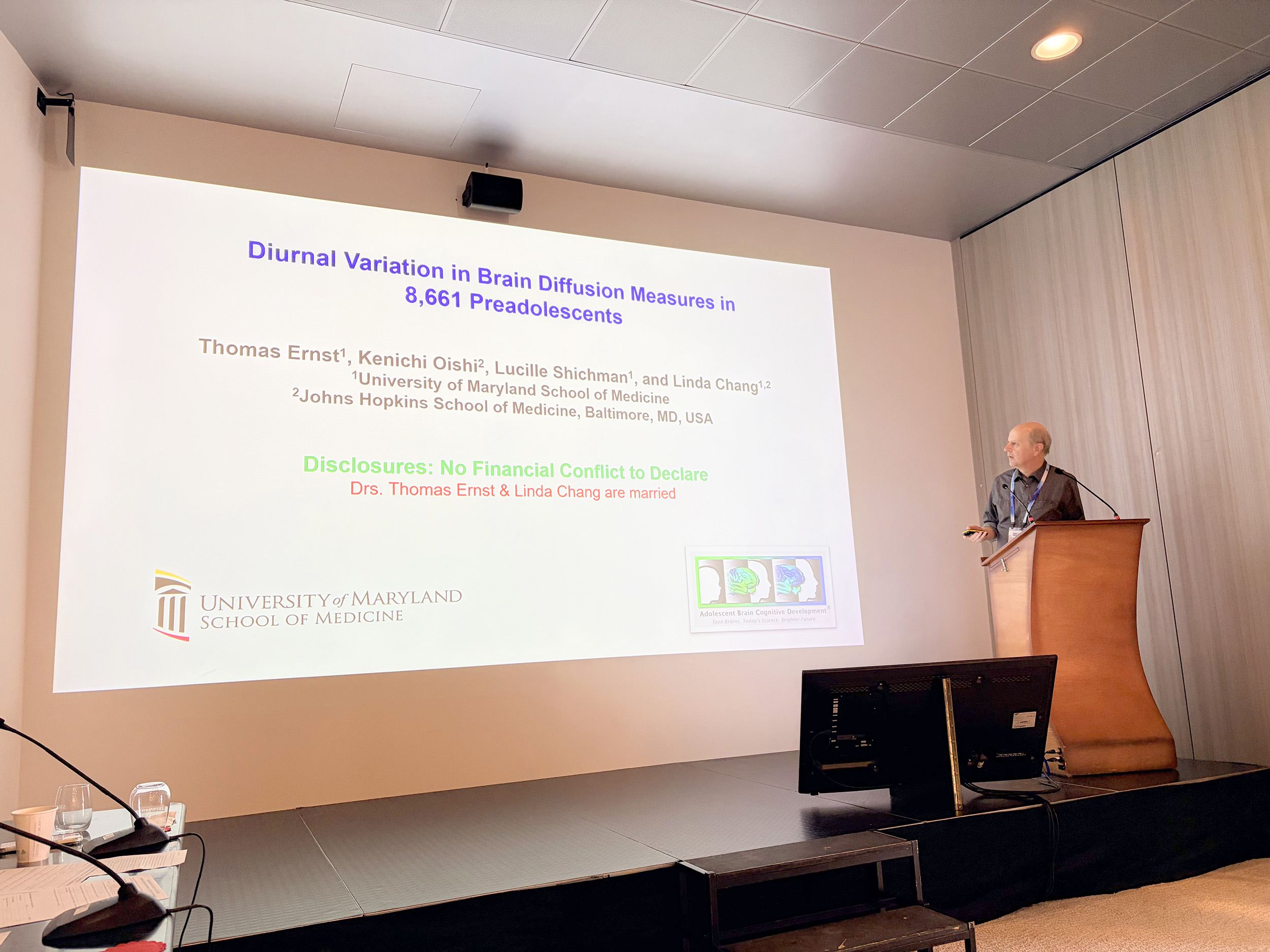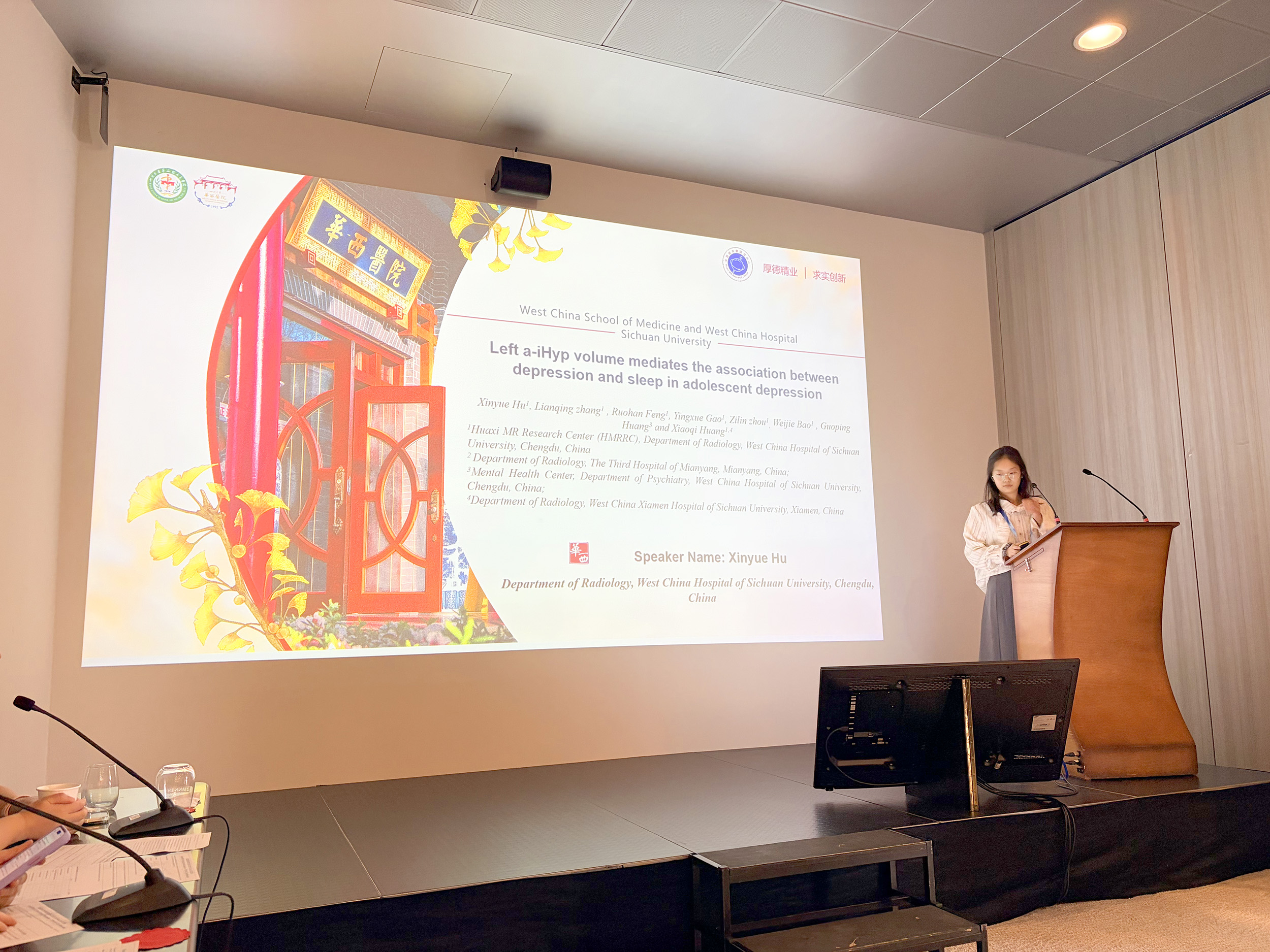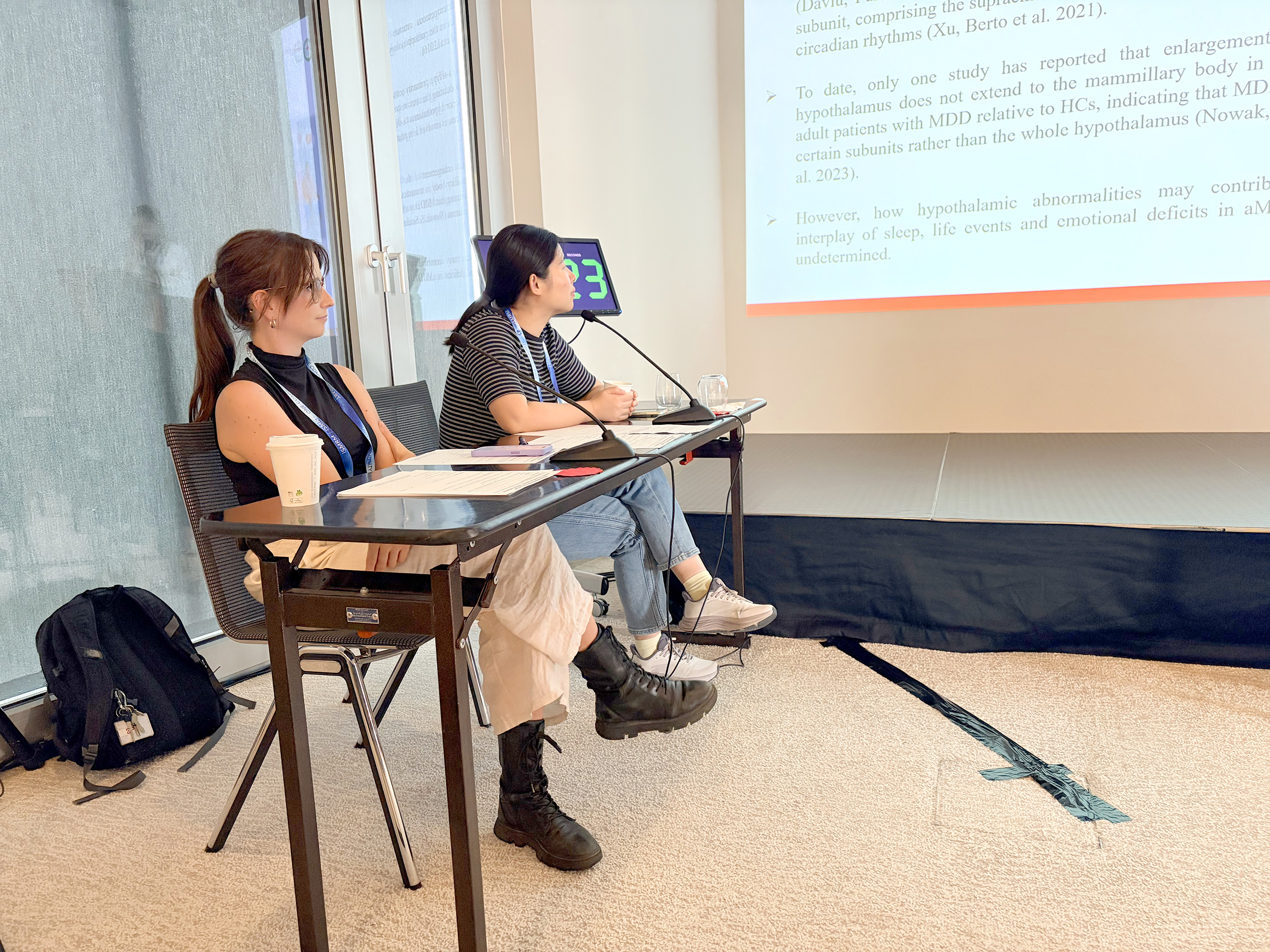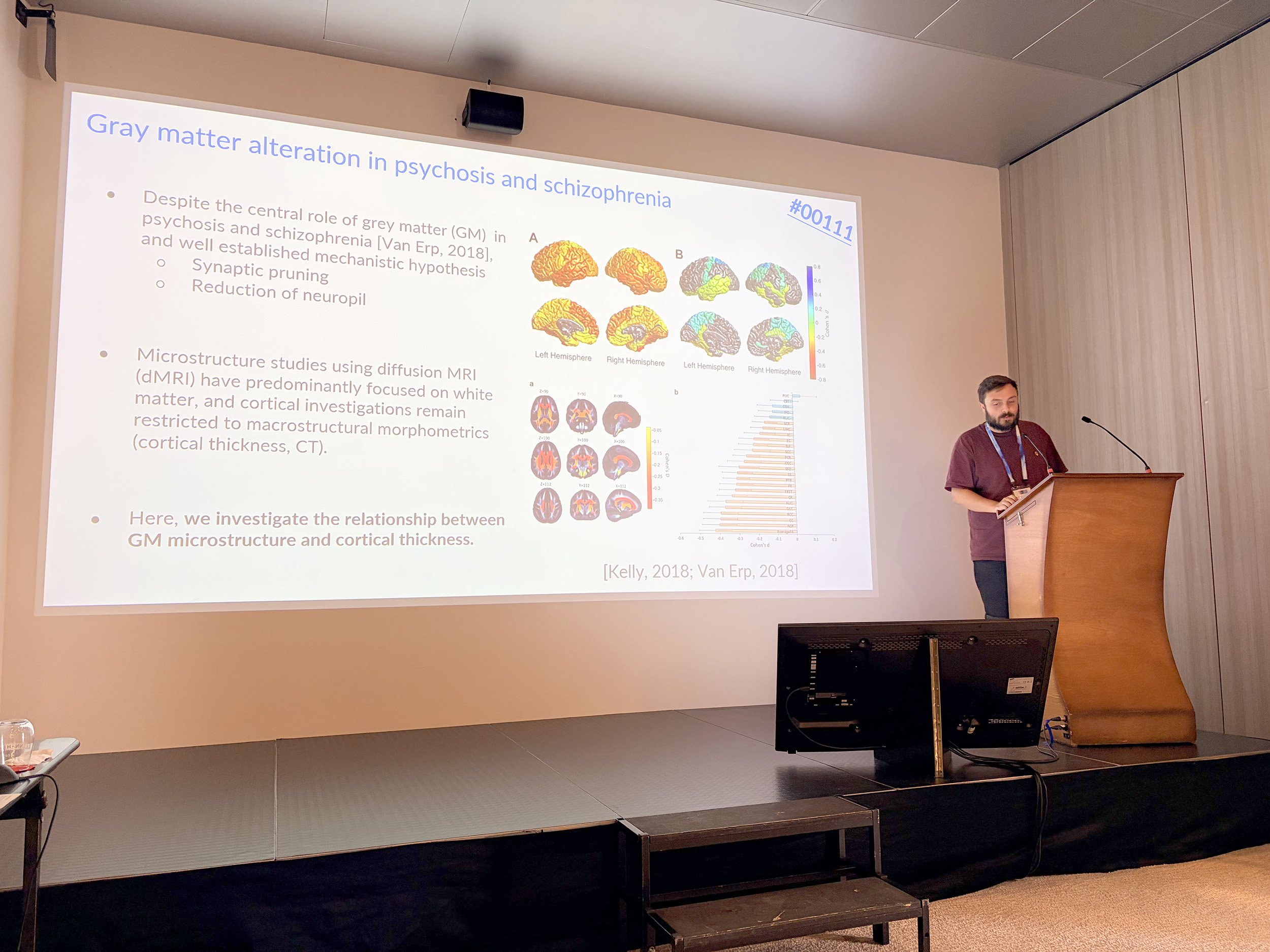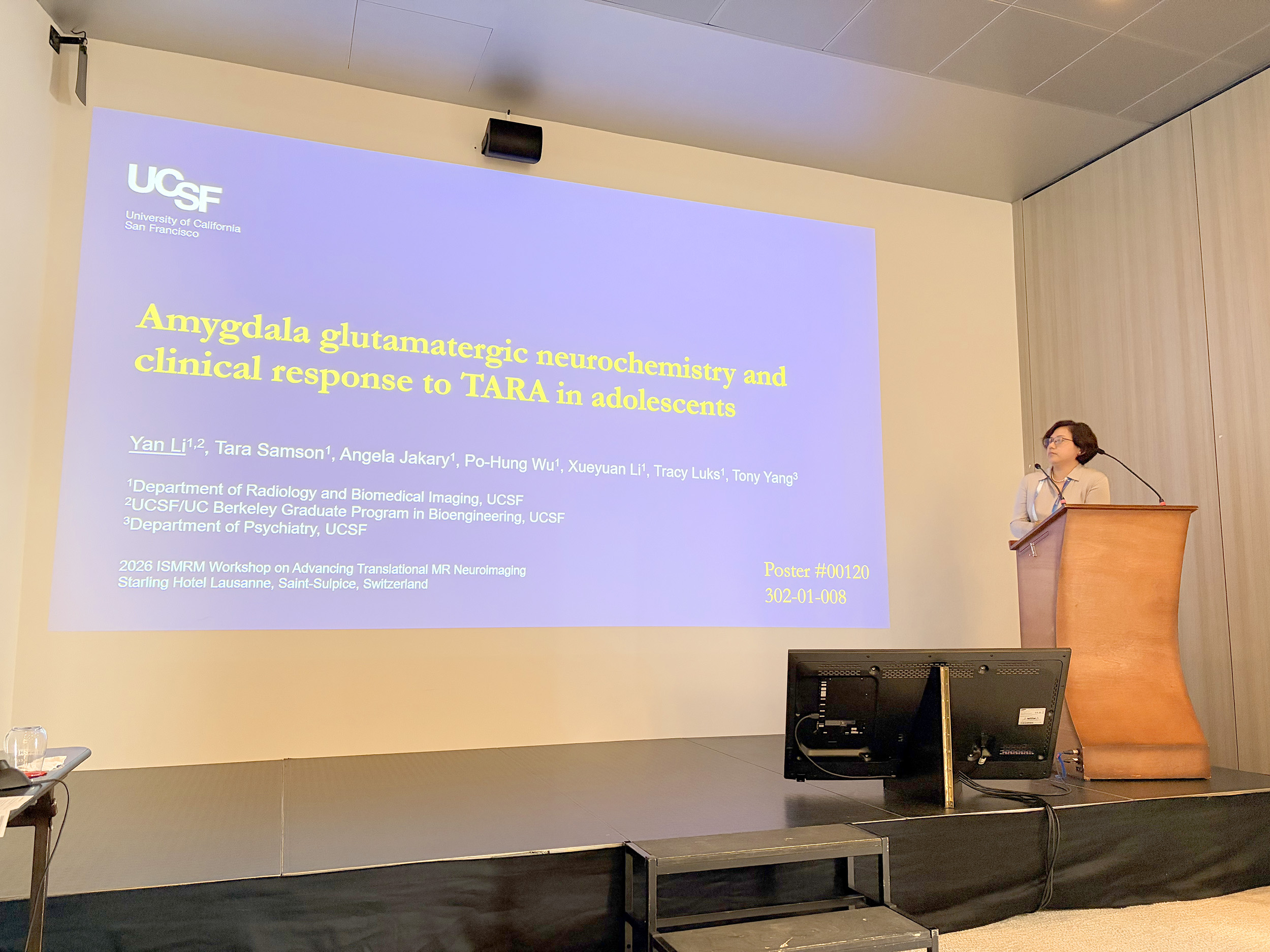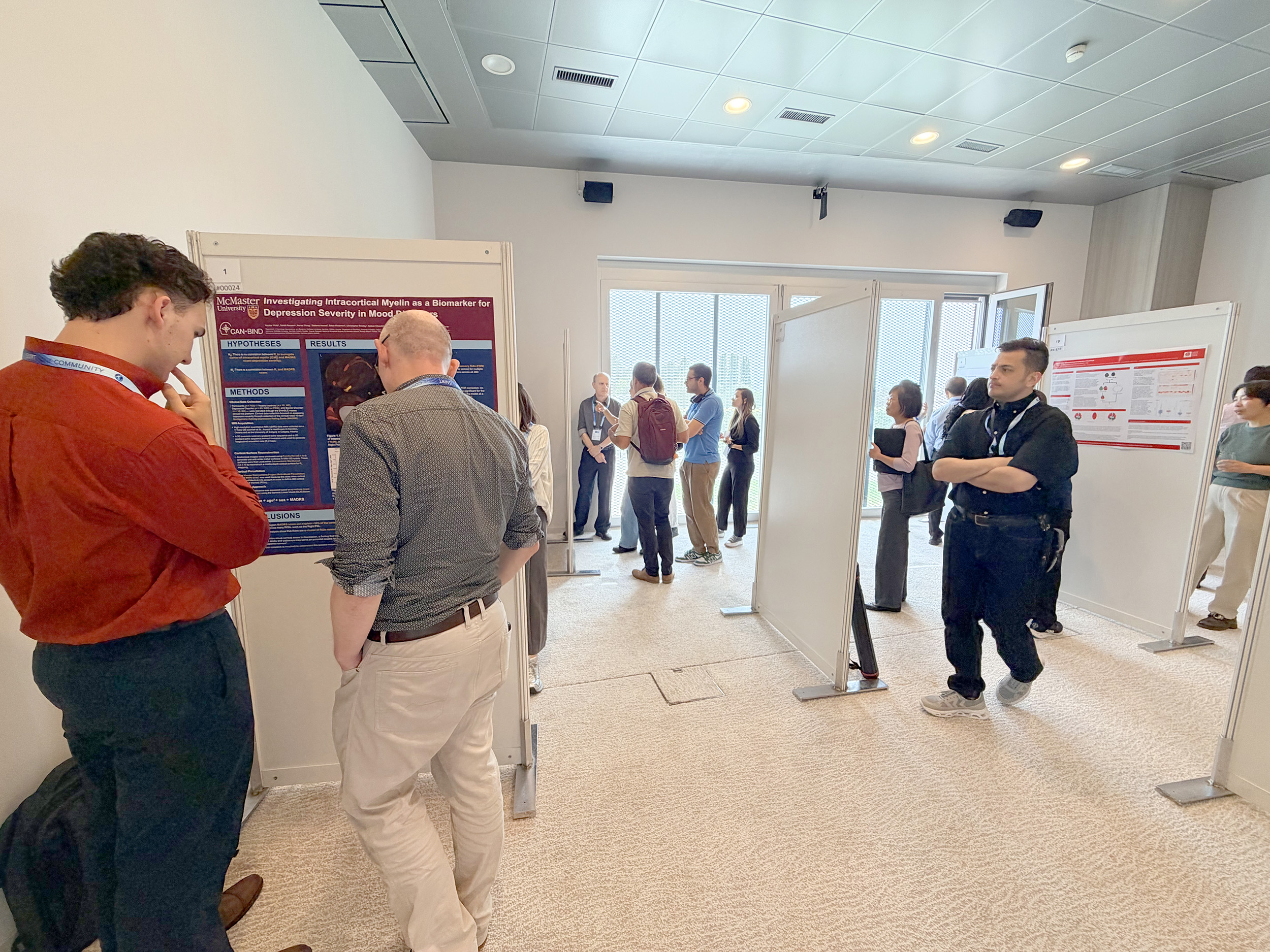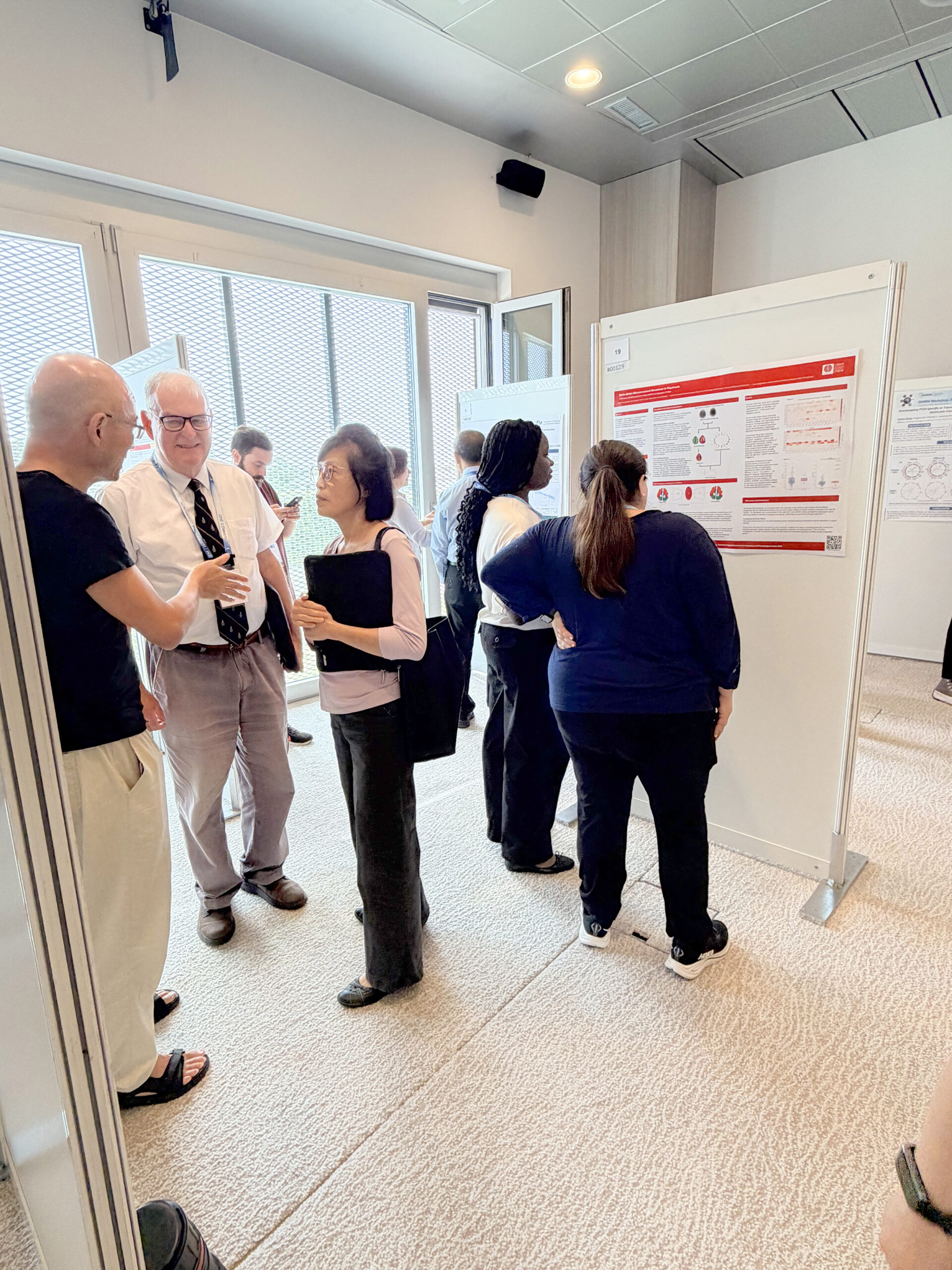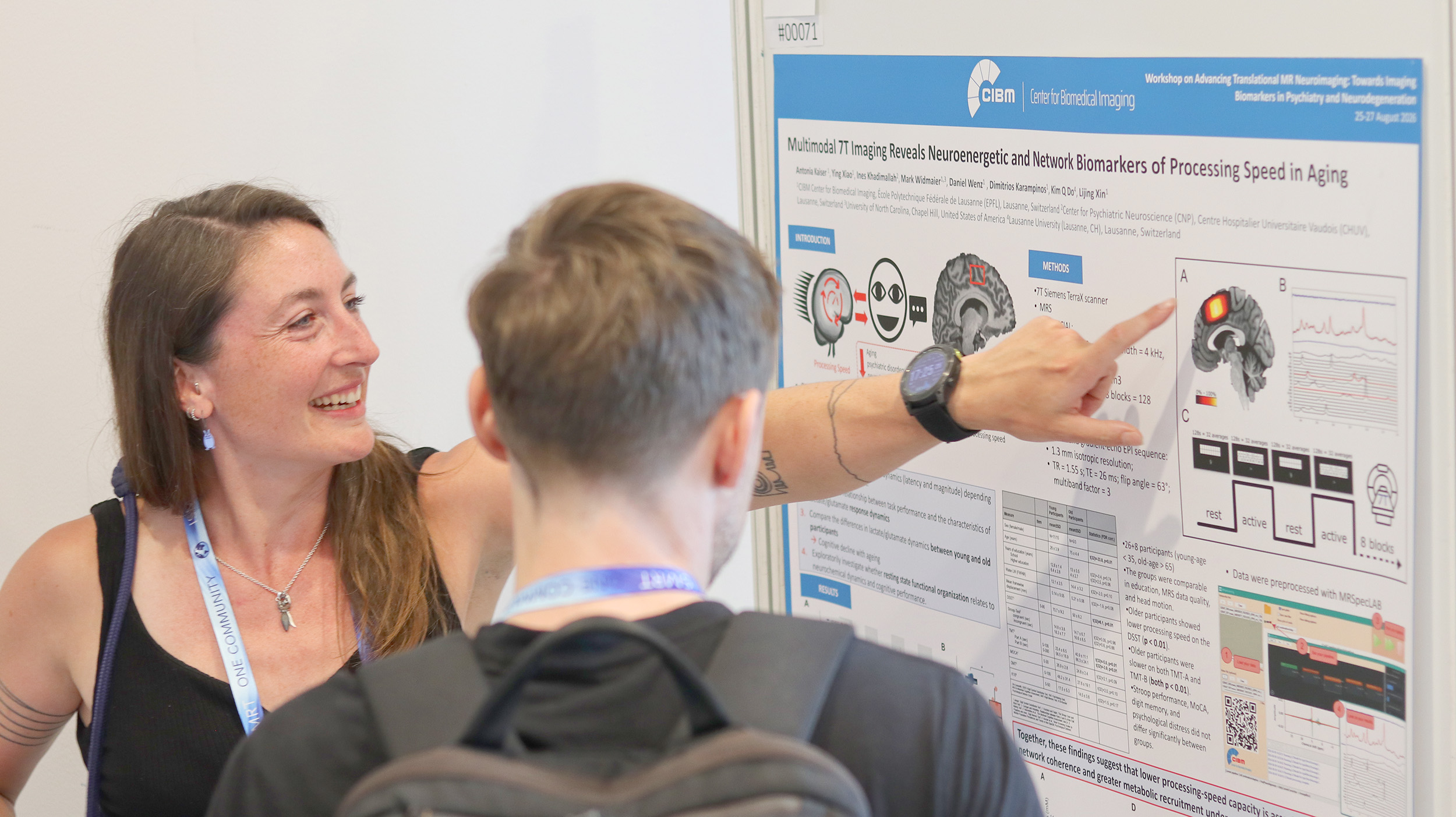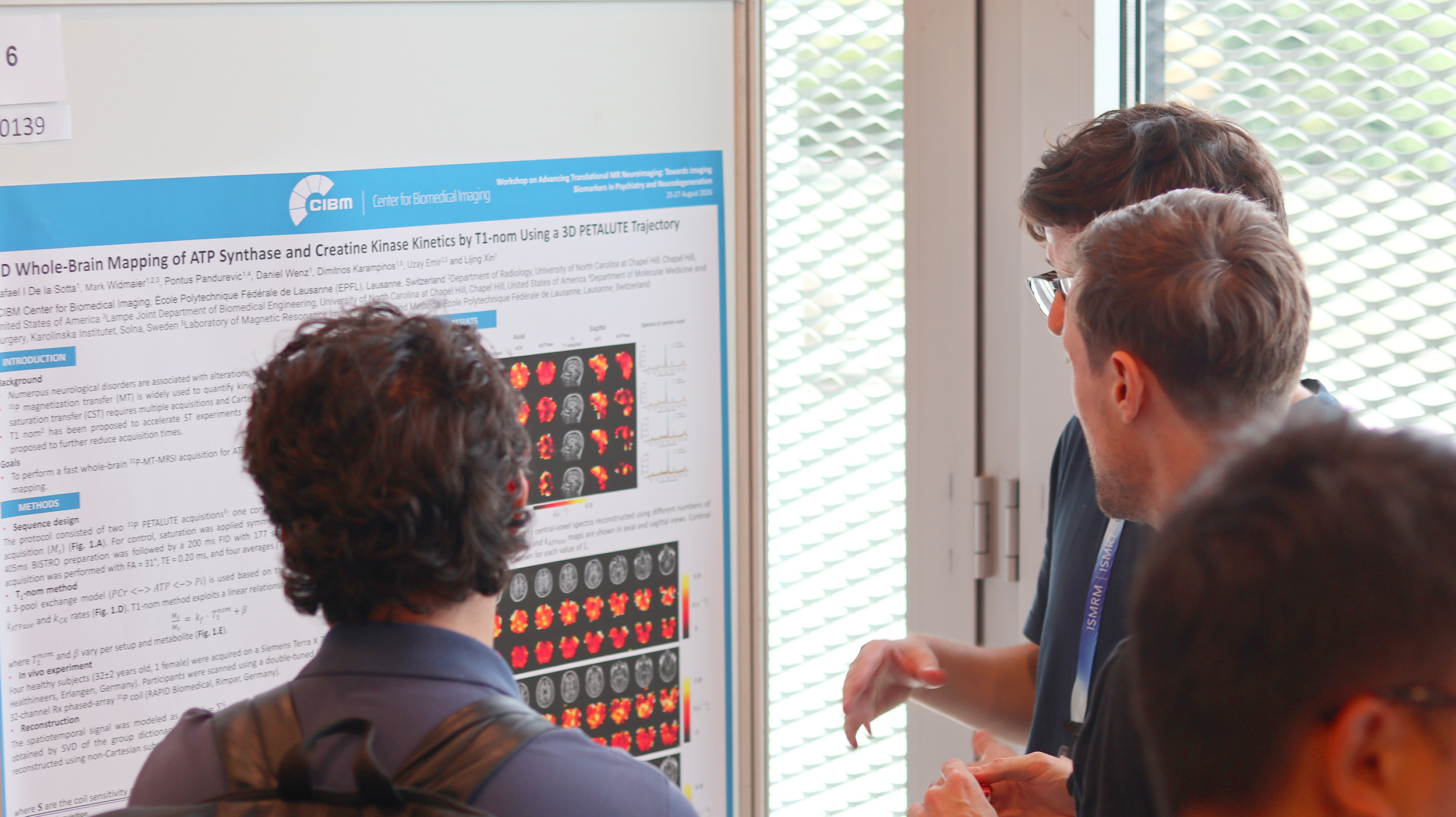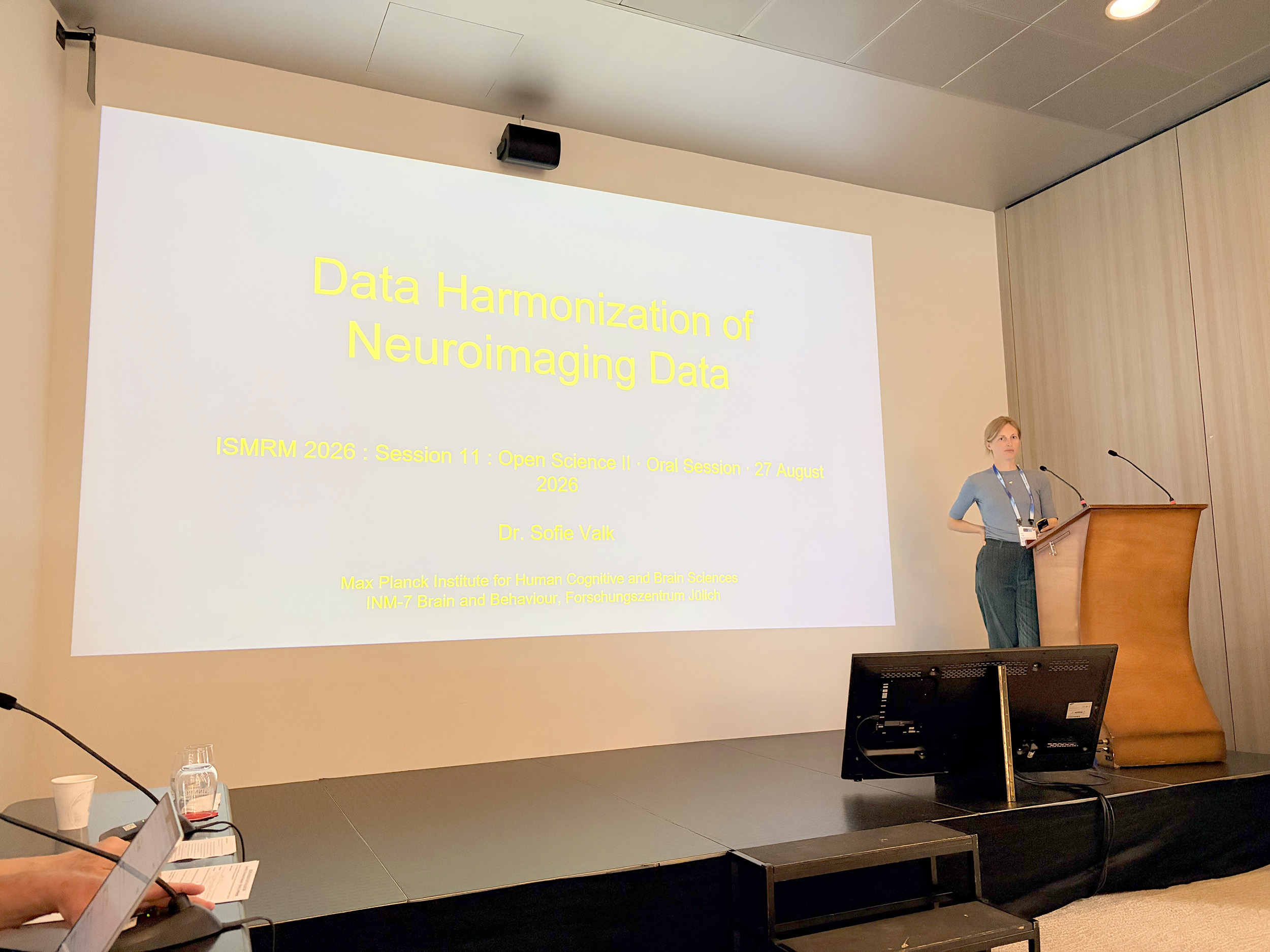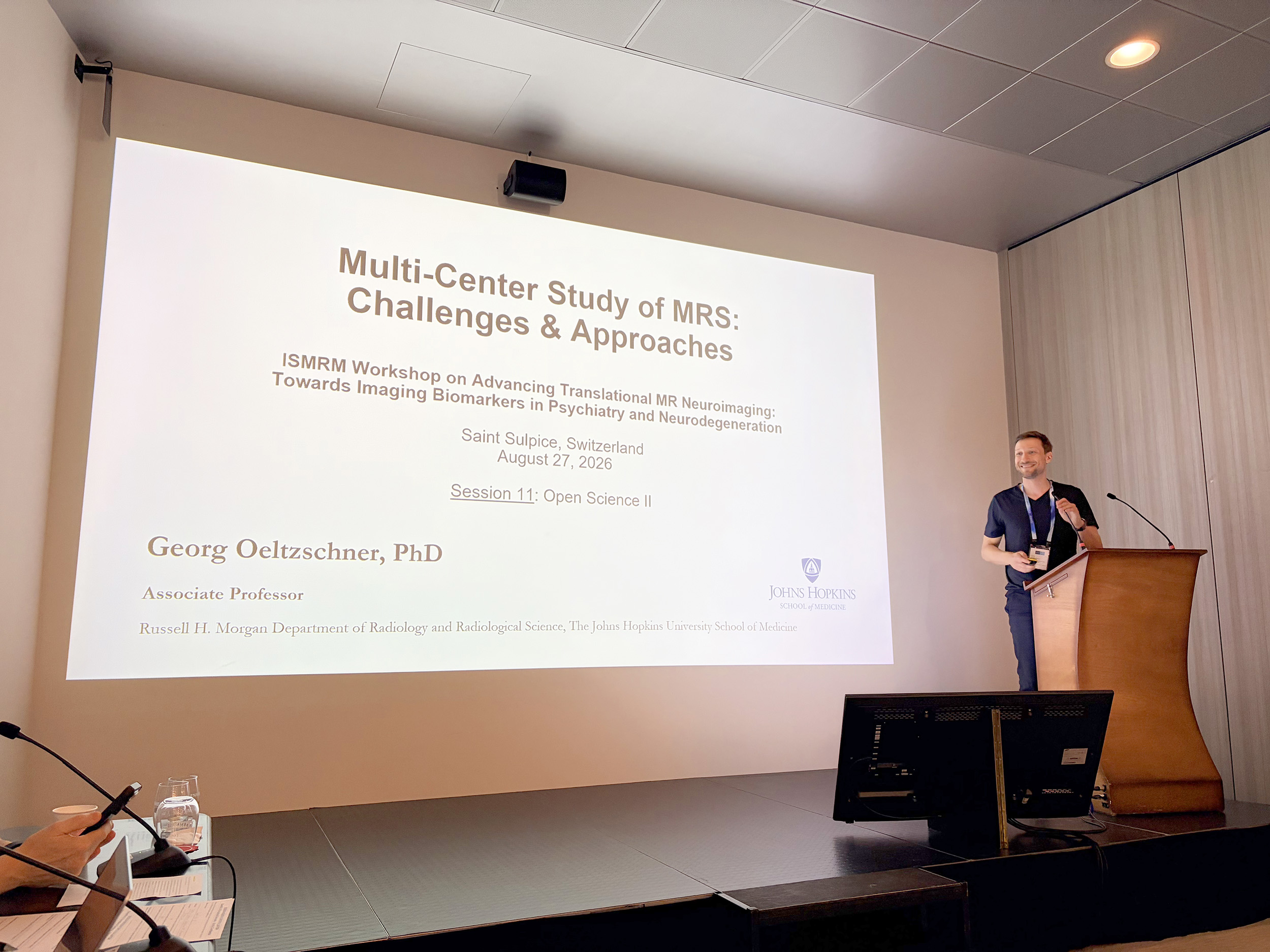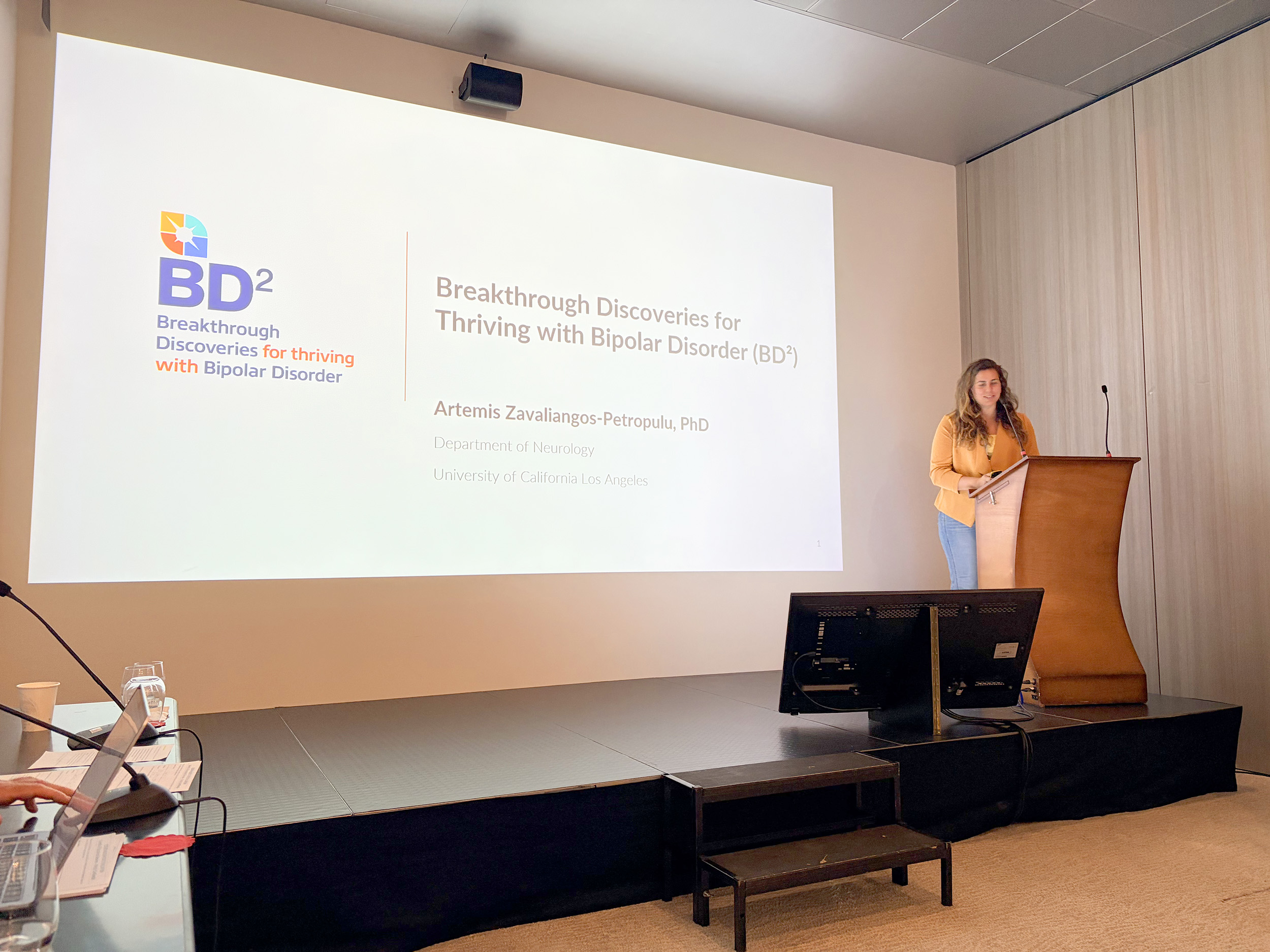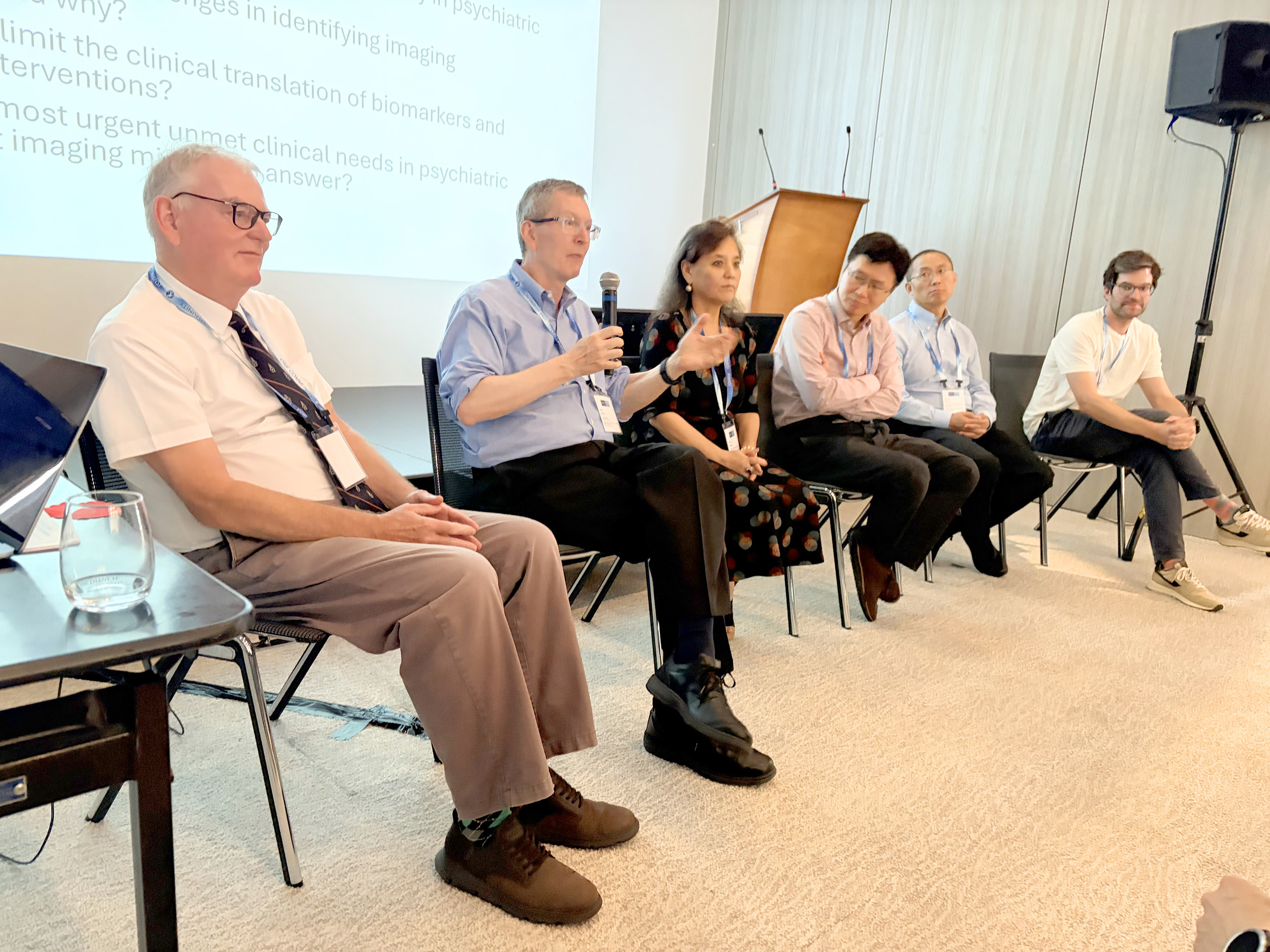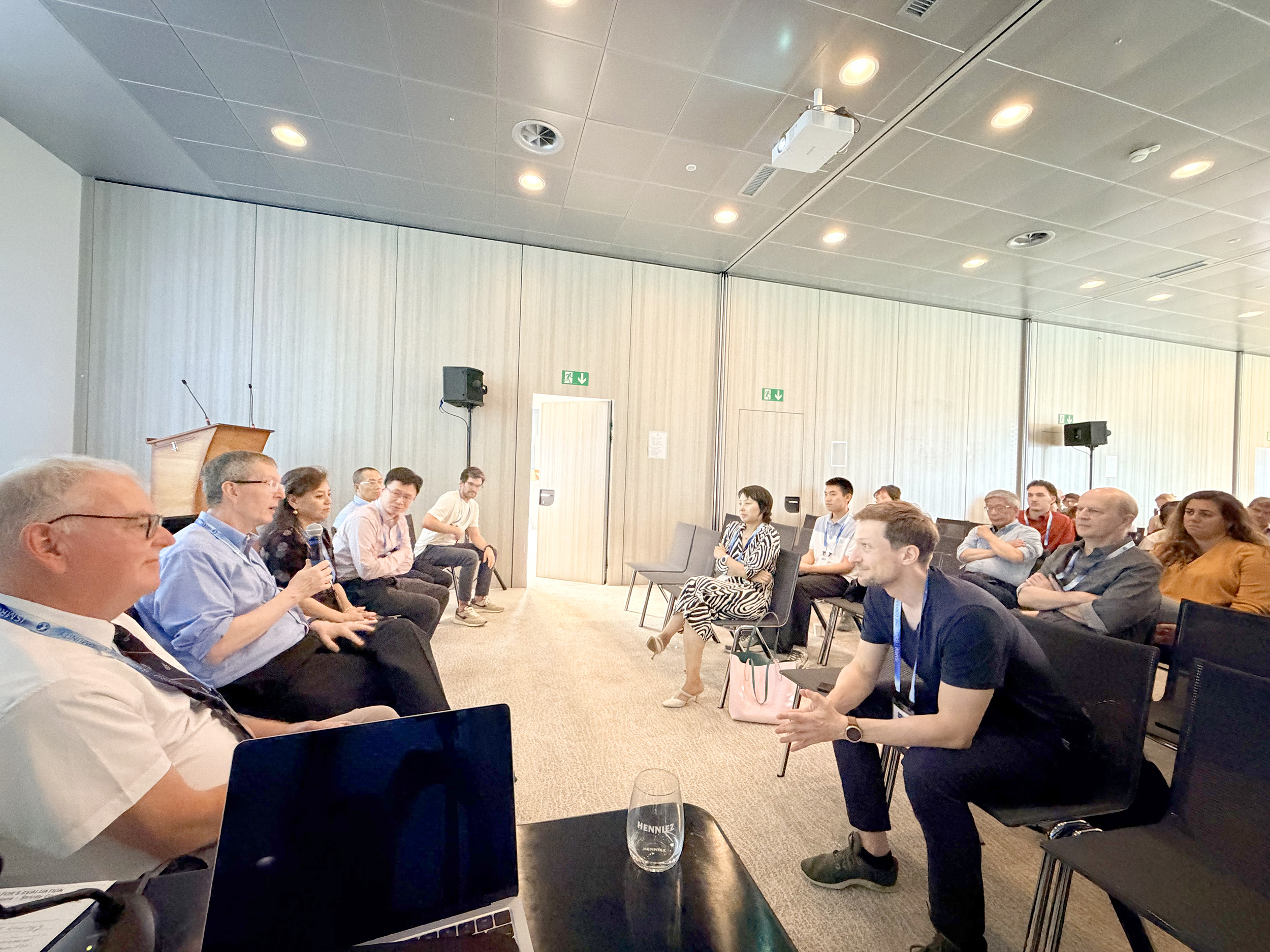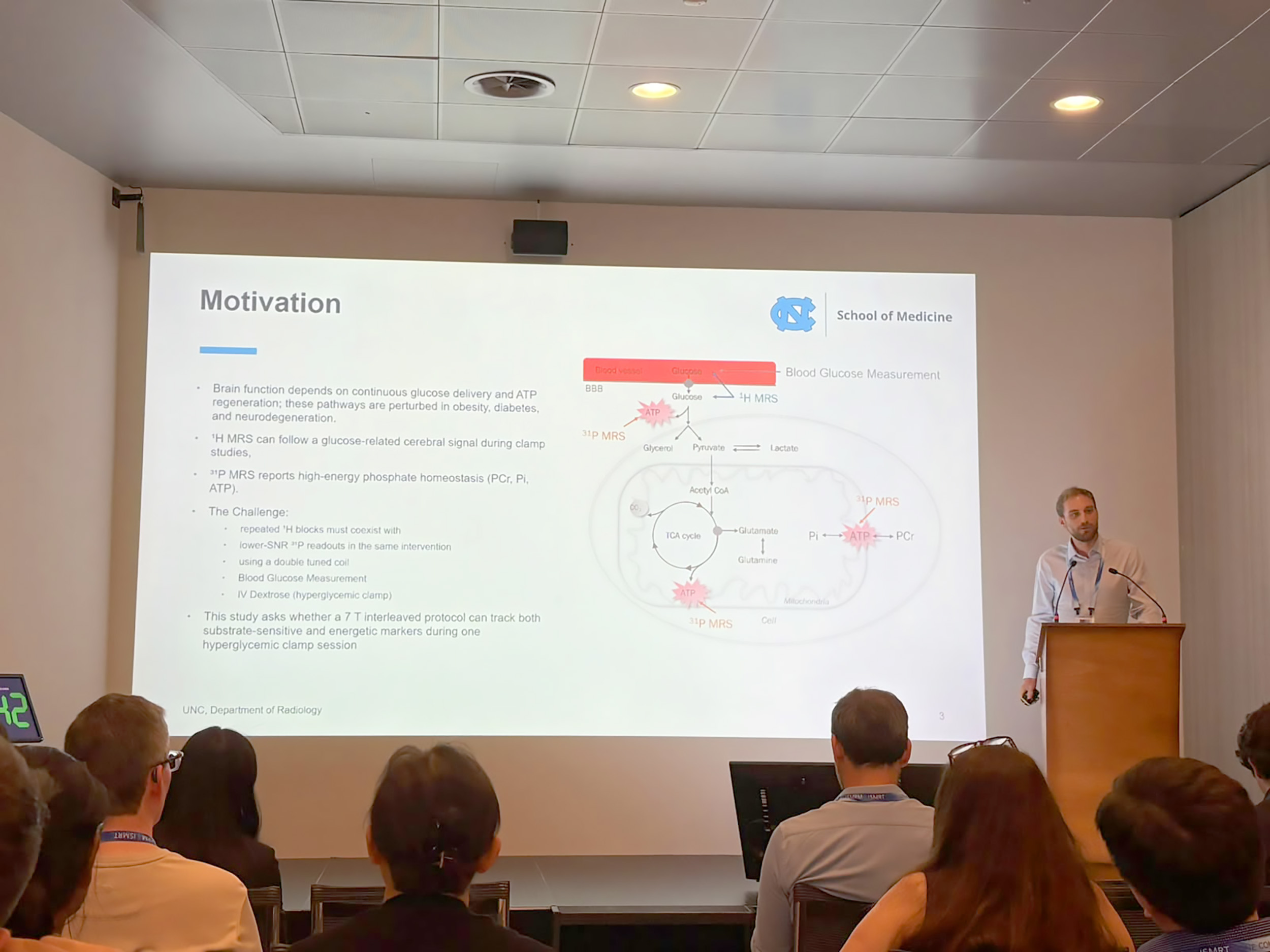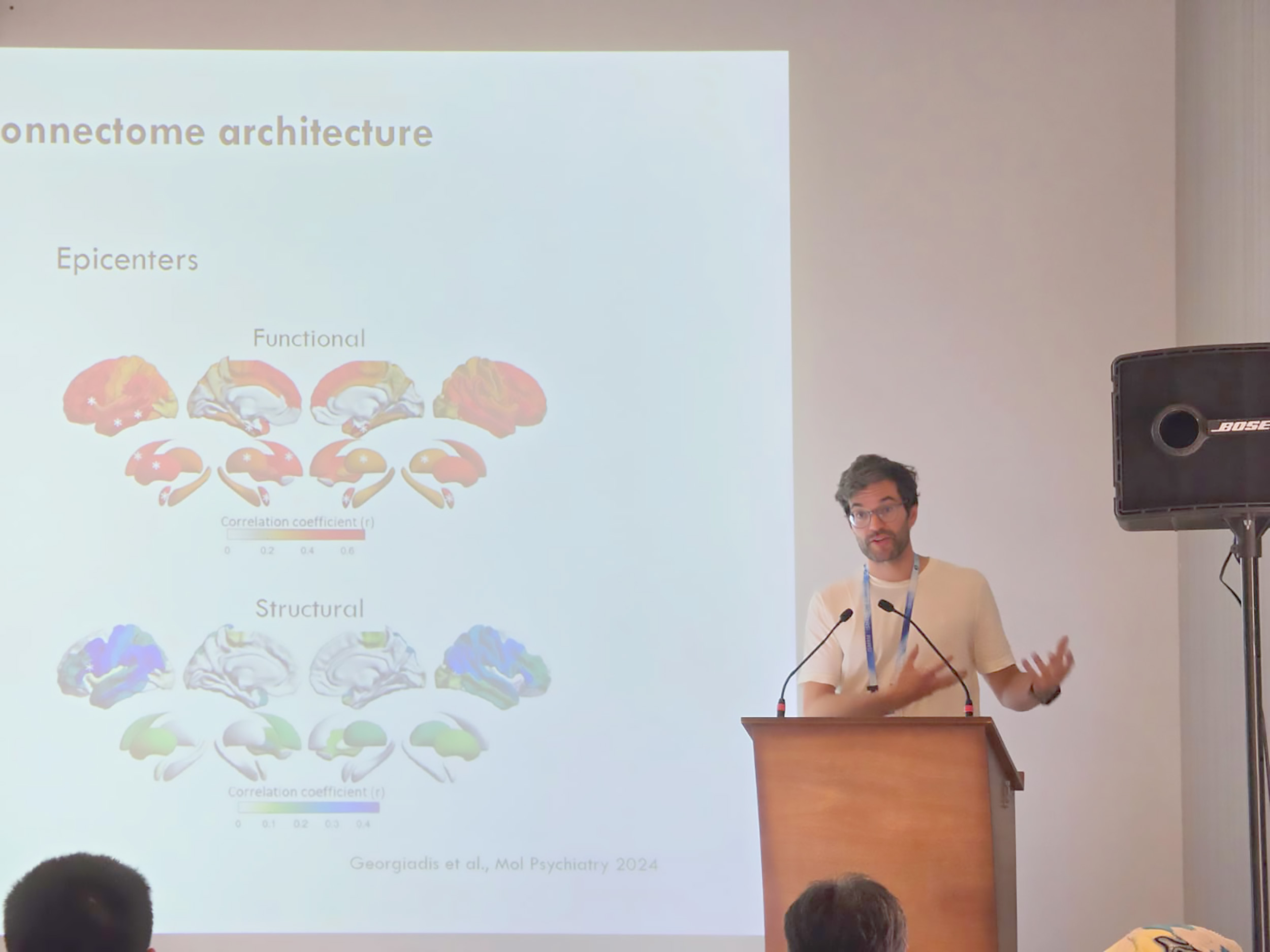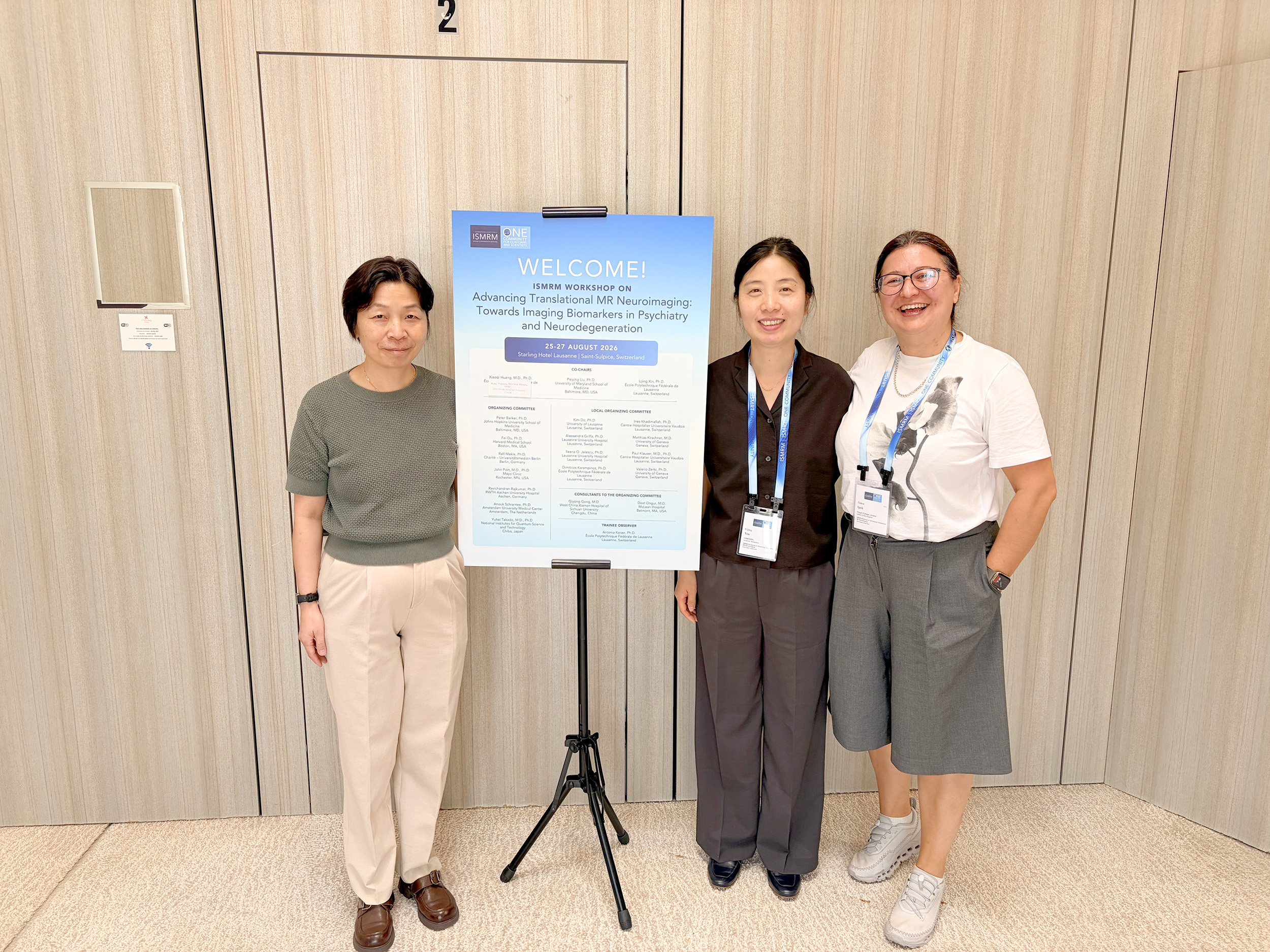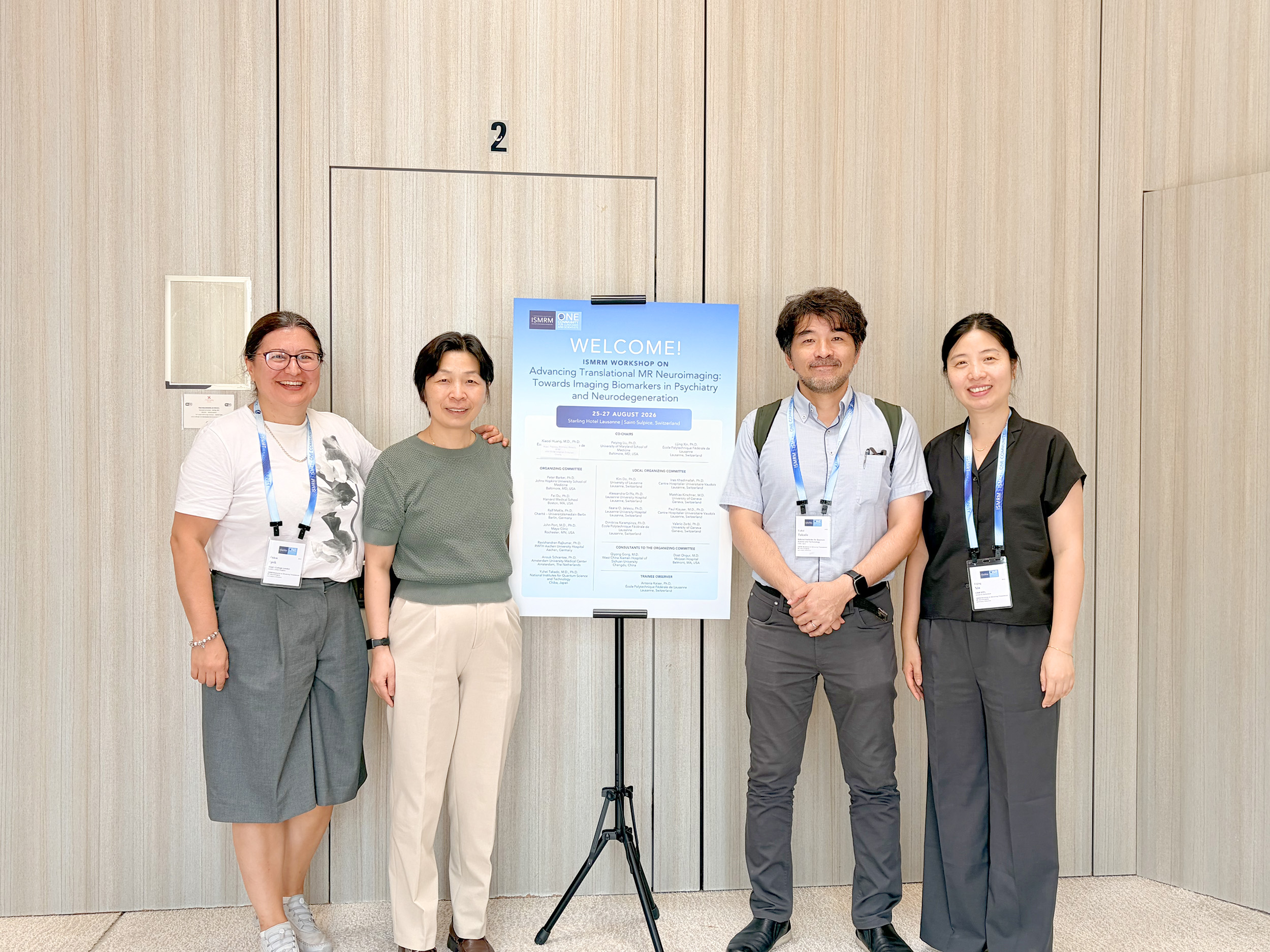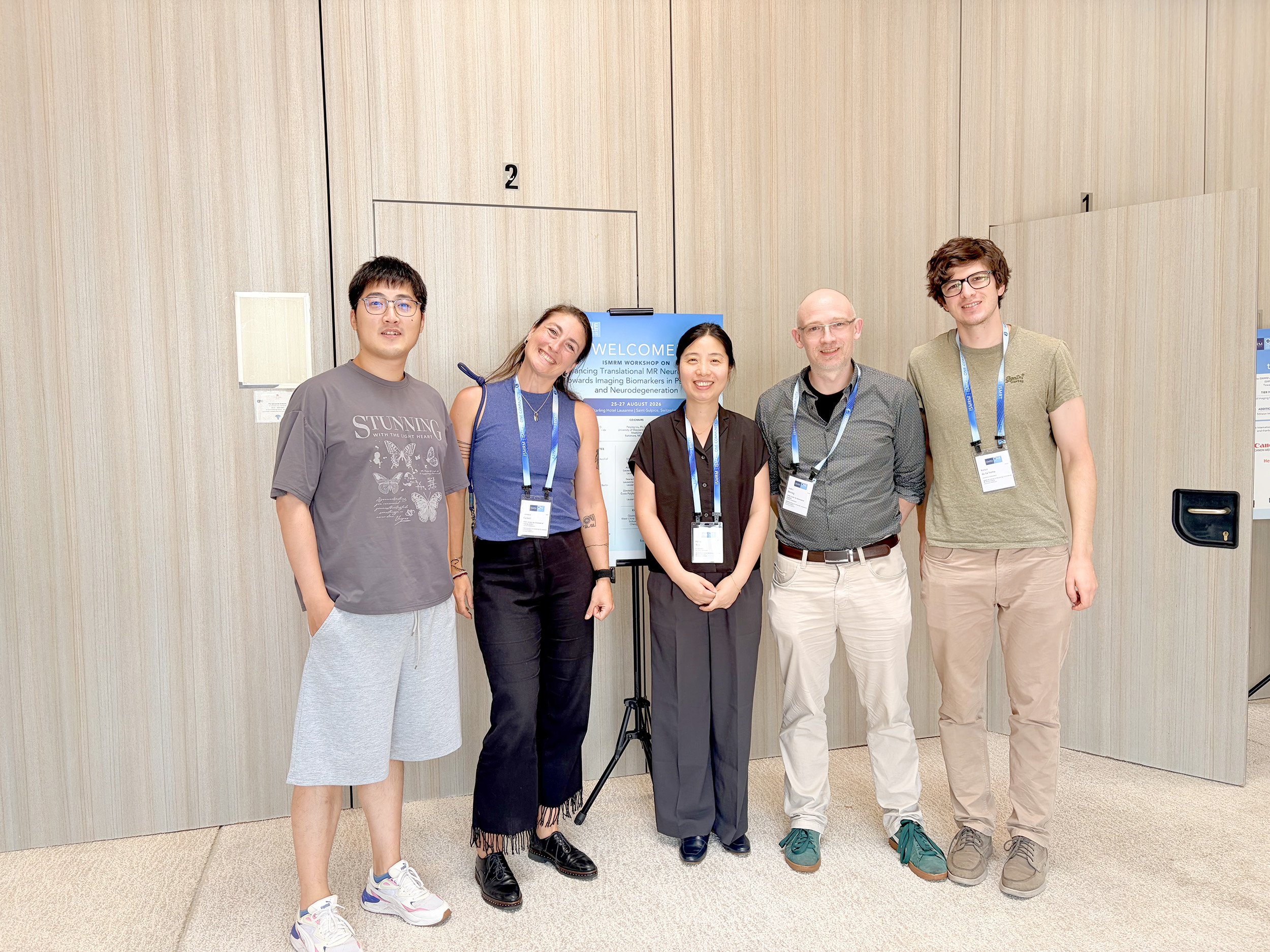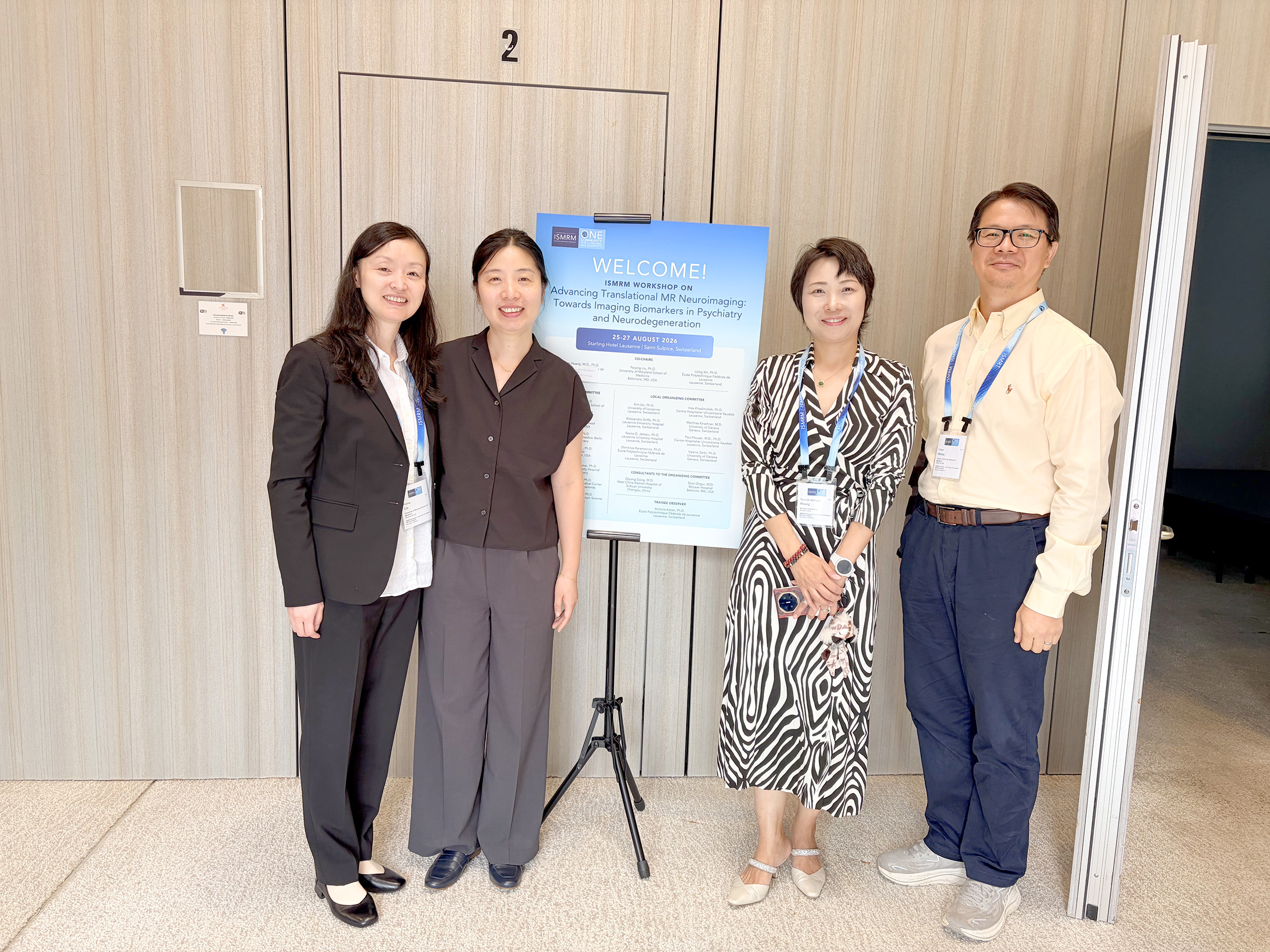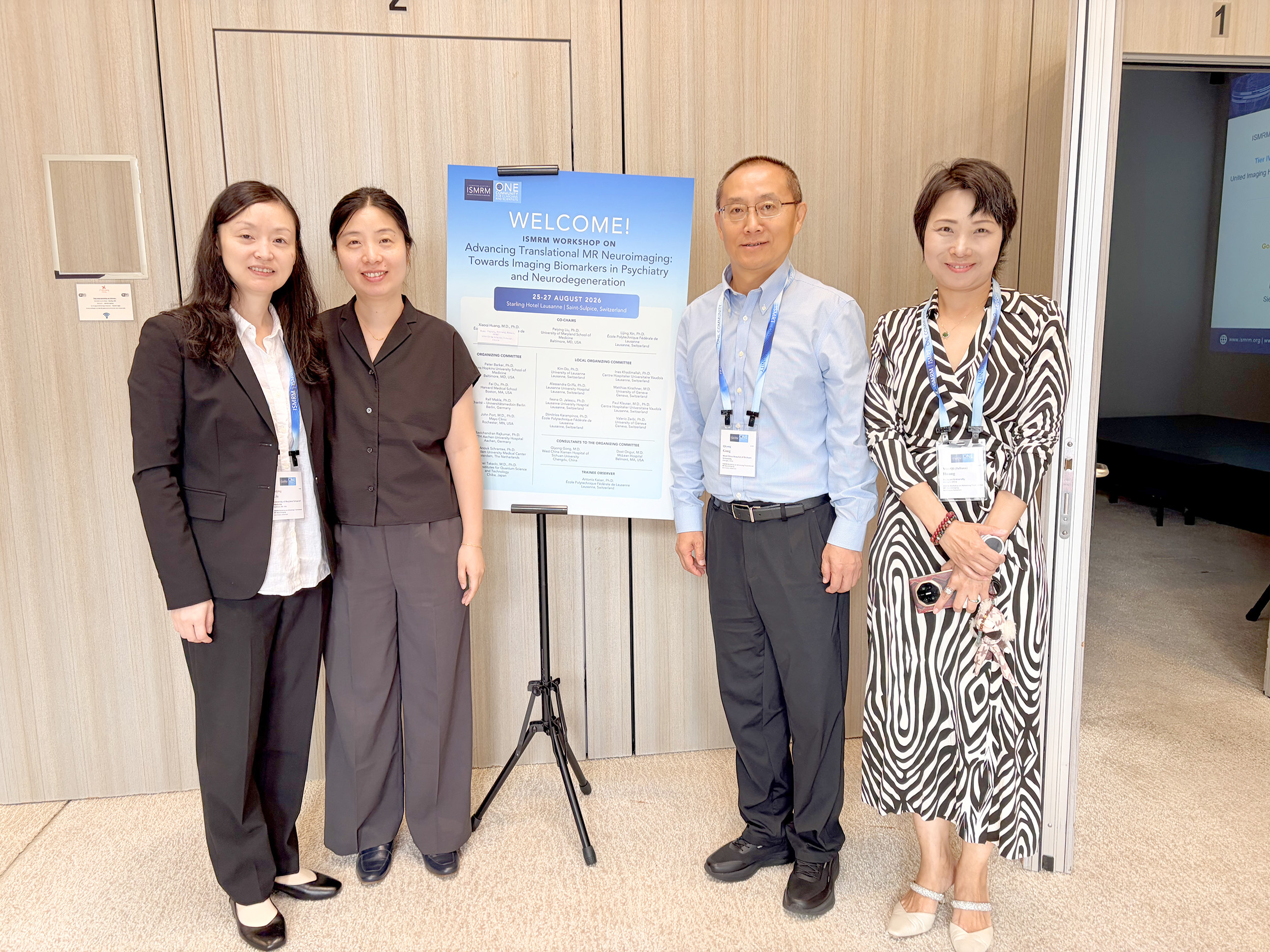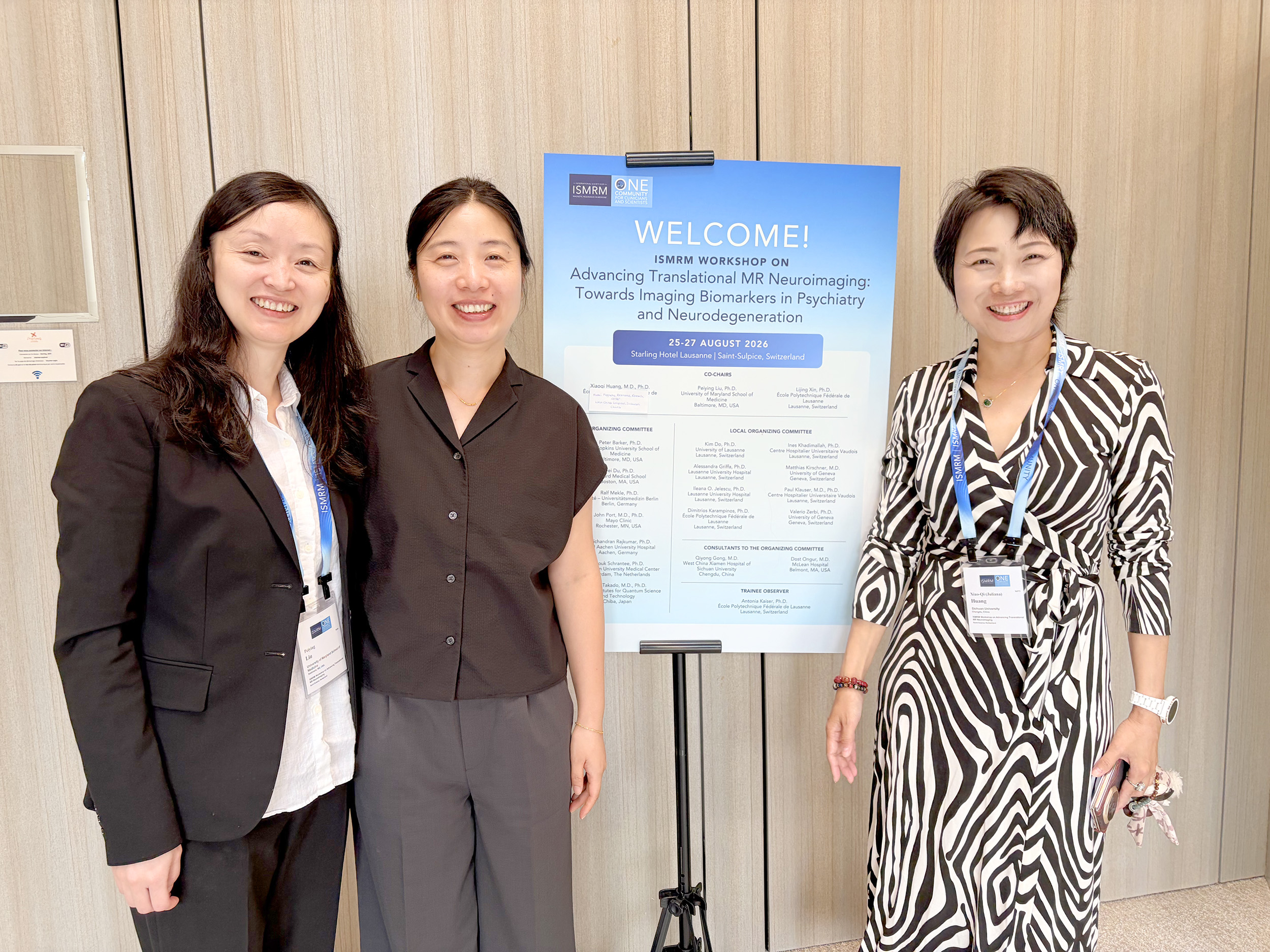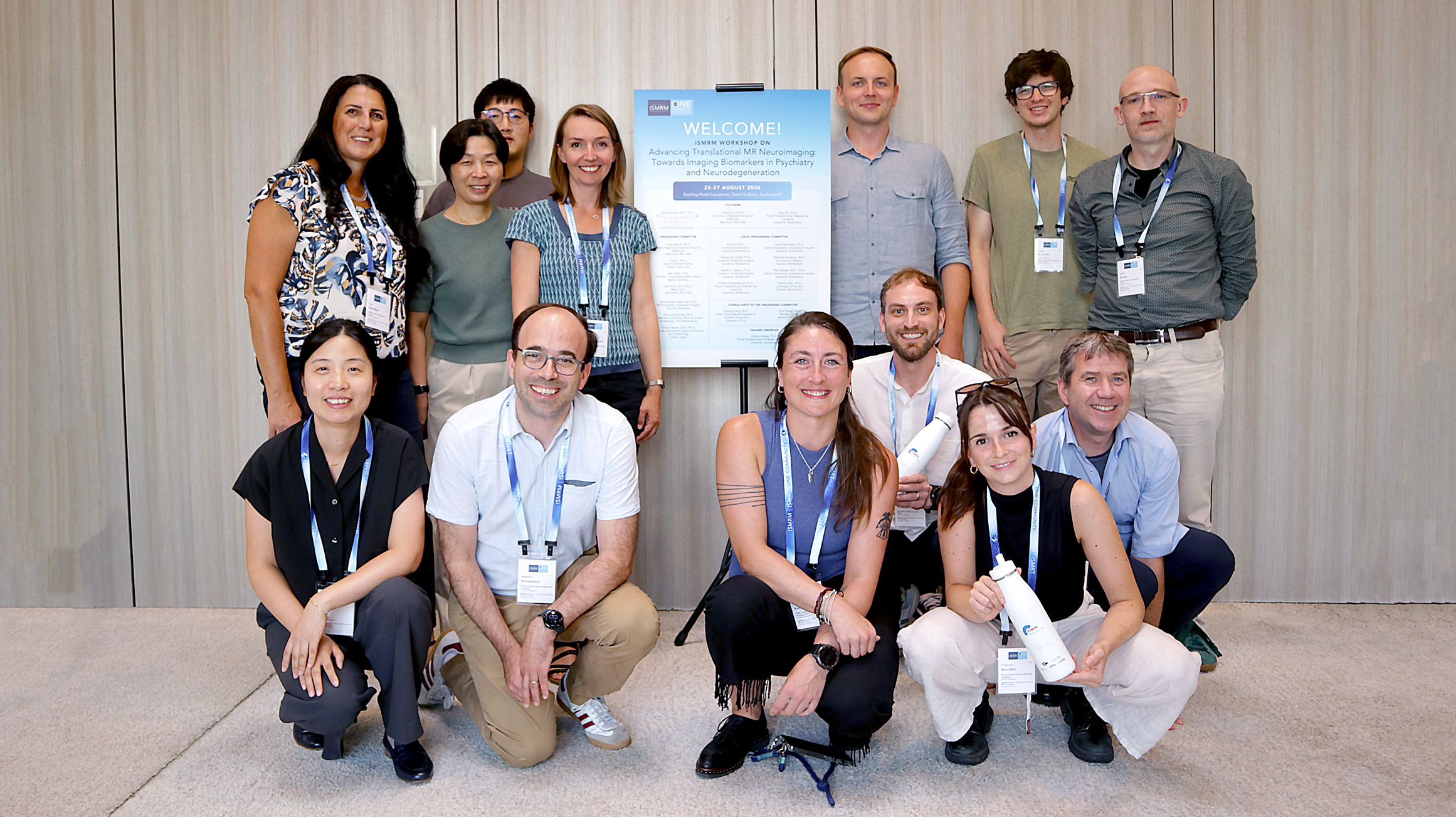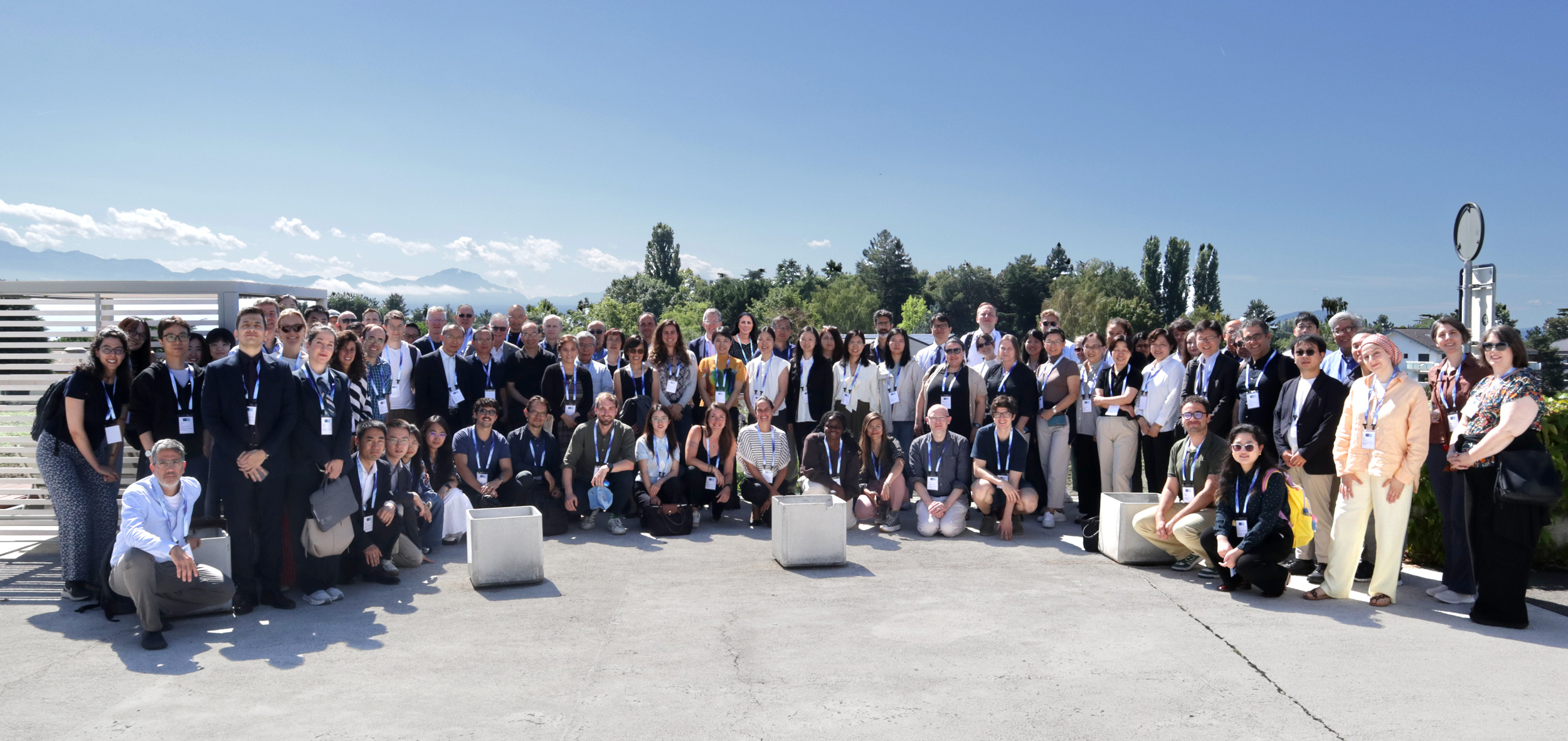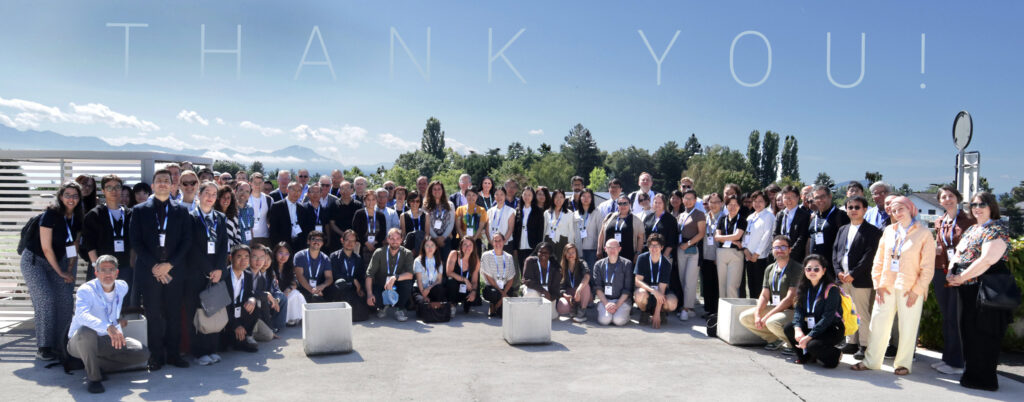
The 2026 ISMRM Workshop on “Advancing Translational MR Neuroimaging: Towards Imaging Biomarkers in Psychiatry and Neurodegeneration”, held 25–27 August 2026 in Lausanne, Switzerland, brought together MR scientists, clinicians, and technologists from around the world with a shared goal: to accelerate the translation of advanced MR technologies into clinically meaningful biomarkers for psychiatric and neurodegenerative disorders.
The workshop was co-chaired by Prof. Xiaoqi Huang (West China Hospital, Sichuan University), Prof. Lijing Xin (EPFL/CIBM), and Prof. Peiying Liu (Johns Hopkins University), together with the organizing committee and with strong support from the local hosts in Lausanne and the ISMRM staff.
A central theme throughout the three-day meeting was the ambition to move the field from symptom- and group-based observations toward biomarker-based diagnosis, individual-level prediction, and treatment monitoring.
Scientific Highlights
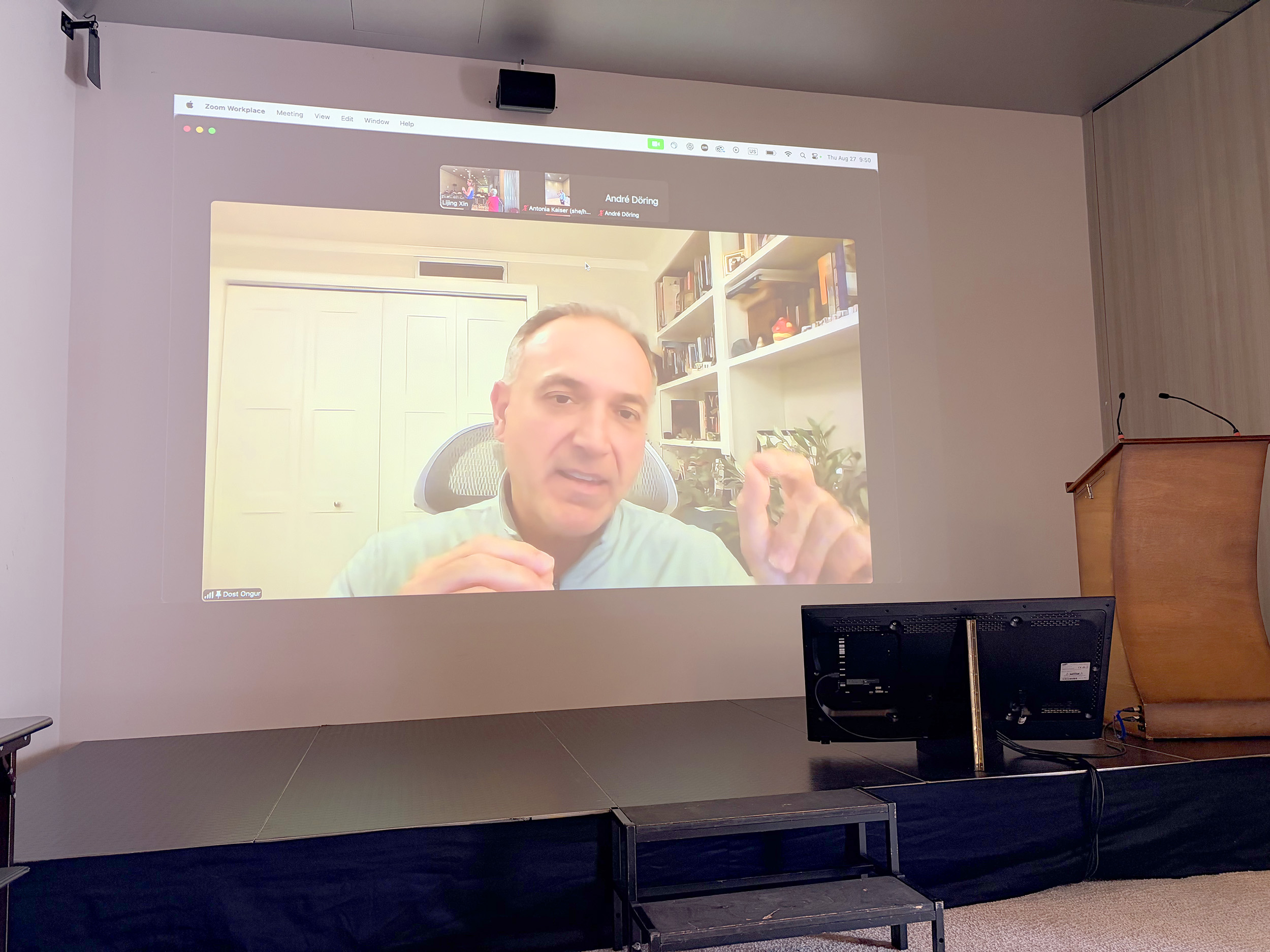
Three inspiring keynote lectures provided major anchors for the workshop. Prof. Qiyong Gong opened the meeting with “Advanced MR in Psychoradiology: Status and Challenges,” highlighting the evolution of psychoradiology and the potential of multimodal MRI to support objective diagnosis and clinical decision-making in psychiatric disorders. Prof. Hanzhang Lu presented “MRI Biomarkers for Vascular Cognitive Impairment and Alzheimer’s Disease,” emphasizing physiological MRI biomarkers and the importance of cerebrovascular health in cognitive impairment and neurodegeneration. On the final day, Prof. Dost Öngür delivered “MR Spectroscopy in Neuropsychiatric Disorders,” highlighting the unique potential of MRS to probe neurochemical and metabolic alterations underlying psychiatric disease.
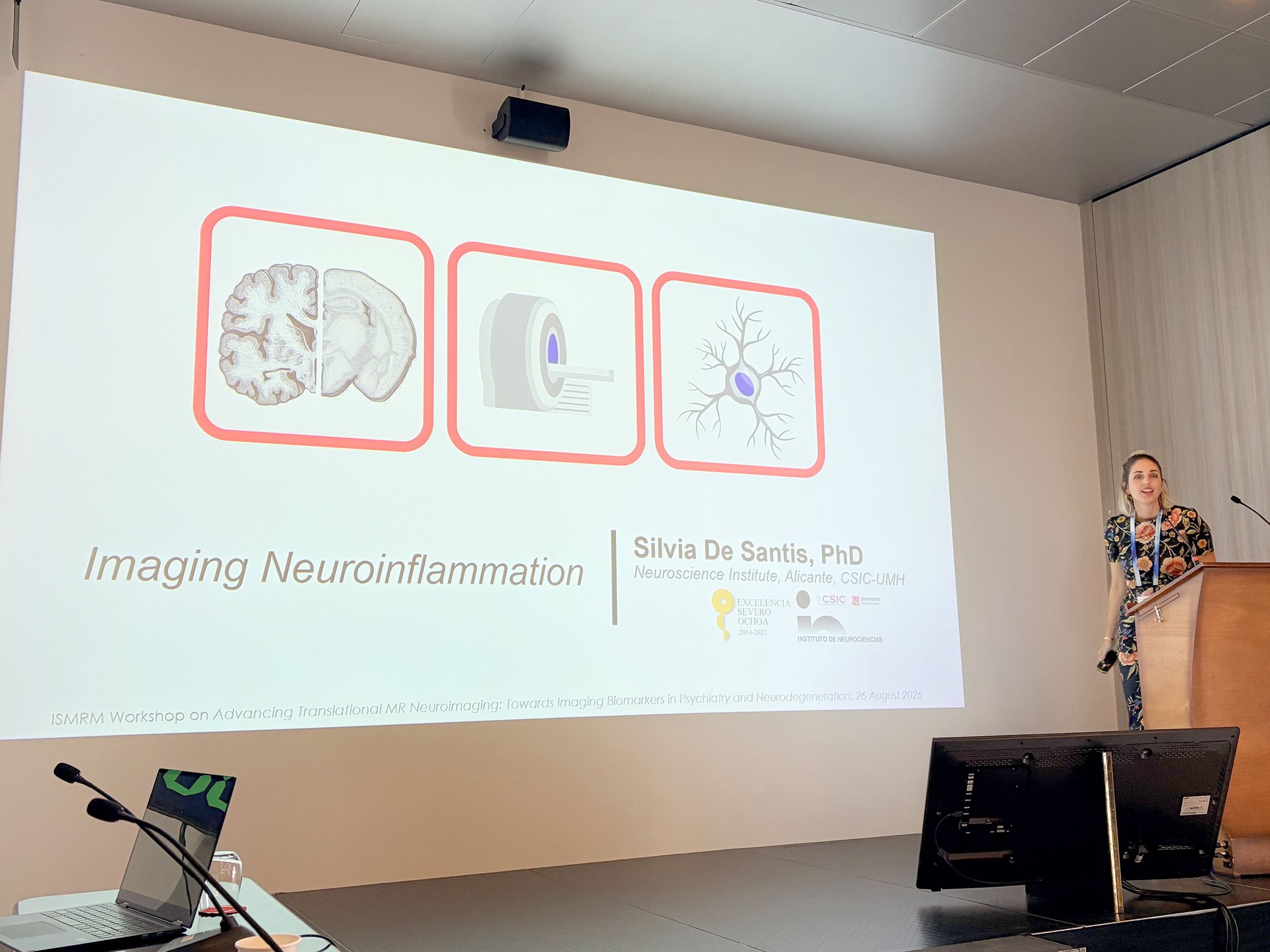
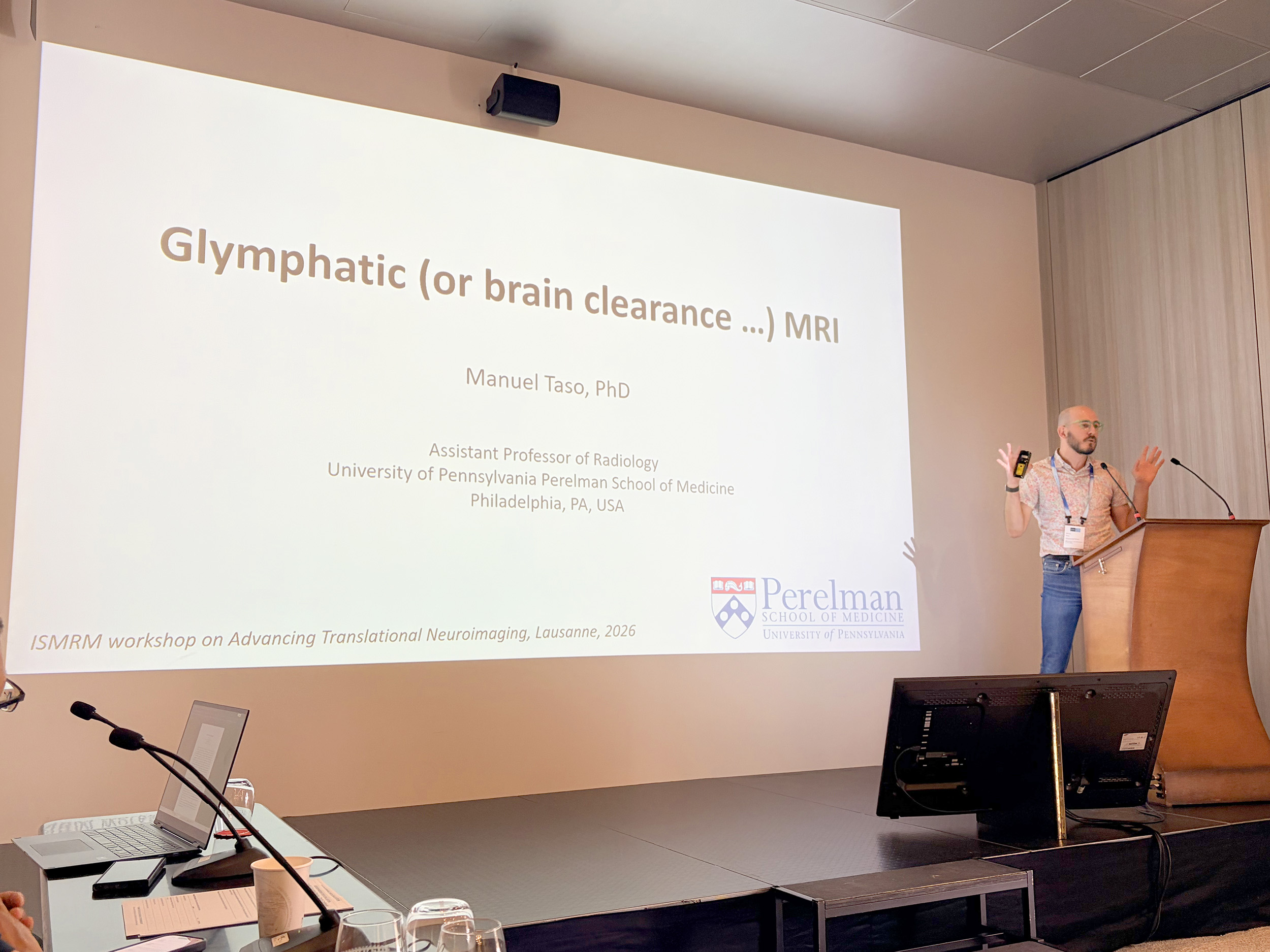
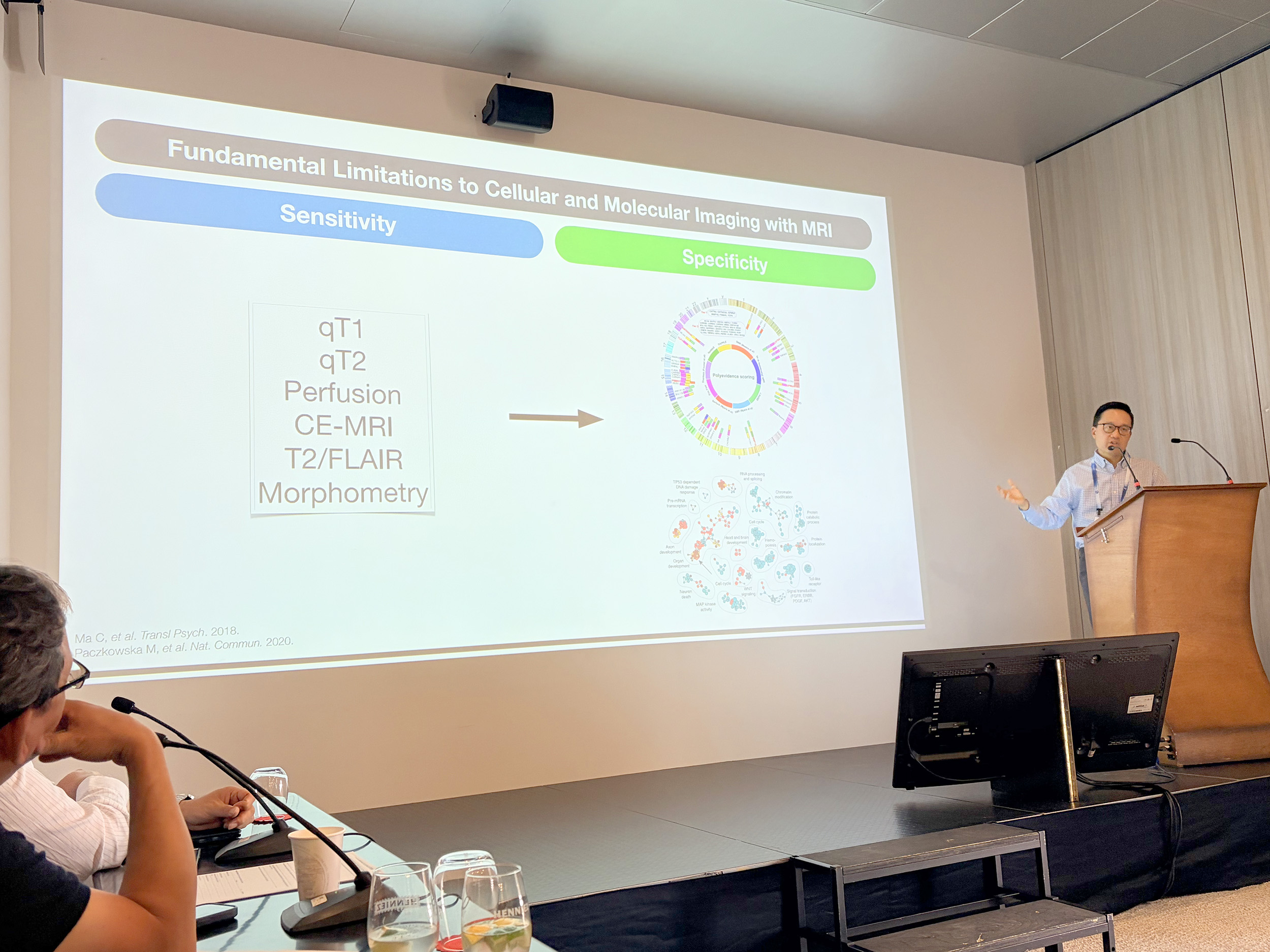
The workshop showcased a broad spectrum of emerging MR technologies, including quantitative and microstructural MRI, advanced MR spectroscopy and X-nuclei MRS, SPICE, QSM, PET/MRI, glymphatic imaging, neuroinflammation imaging, ultra-high-field and metabolic imaging. Together, these developments demonstrated the rapidly expanding ability of MR to characterize brain structure, function, physiology, microstructure, and metabolism.
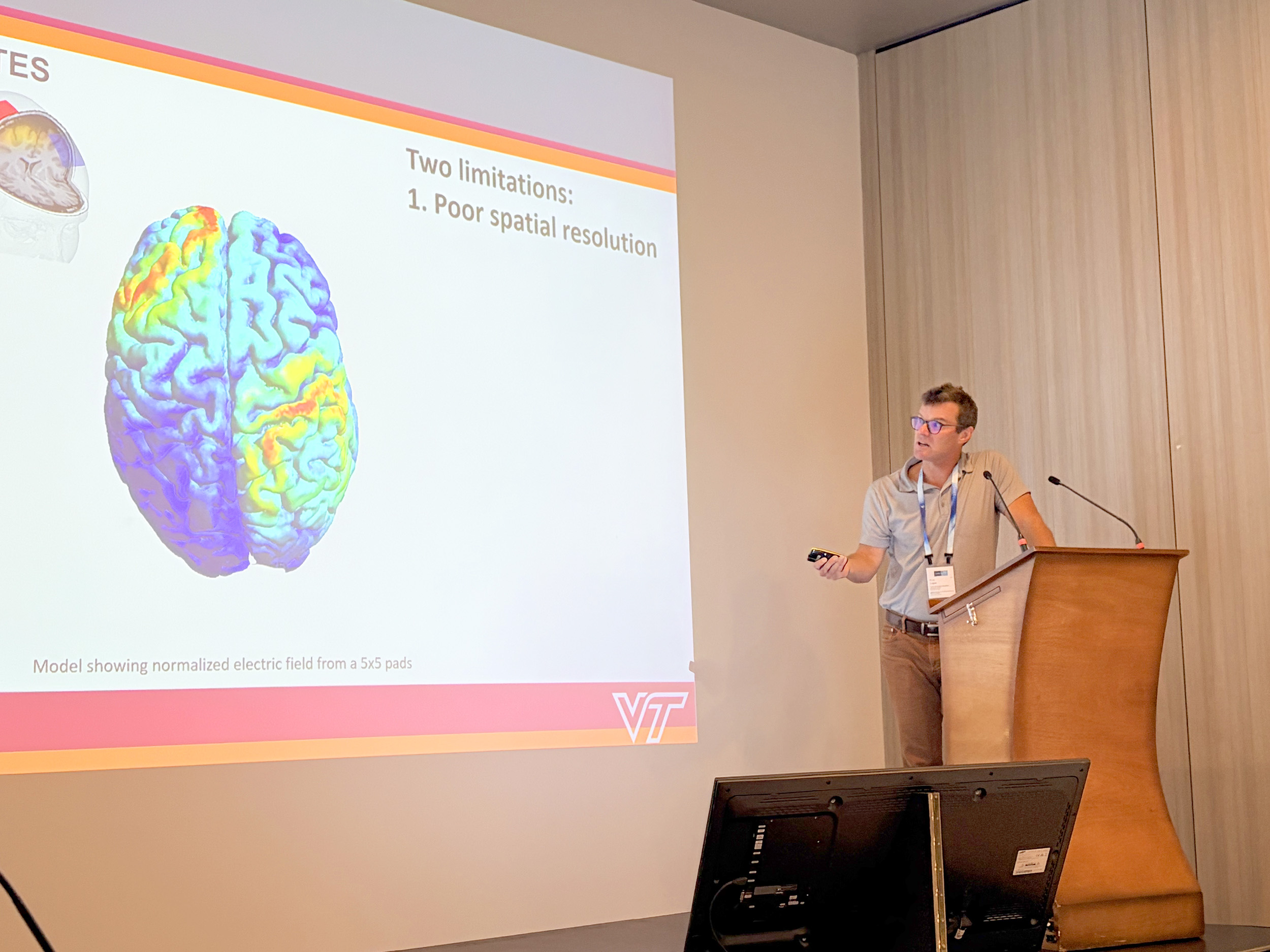
A particularly strong focus was placed on clinical translation and therapeutic applications. Sessions addressed neuromodulation, real-time fMRI neurofeedback, preclinical models, vascular and metabolic biomarkers, and clinical neuroimaging in psychiatric and neurodegenerative diseases. These discussions highlighted a future in which MR biomarkers may not only improve diagnosis but also predict treatment response and guide and monitor therapeutic interventions.
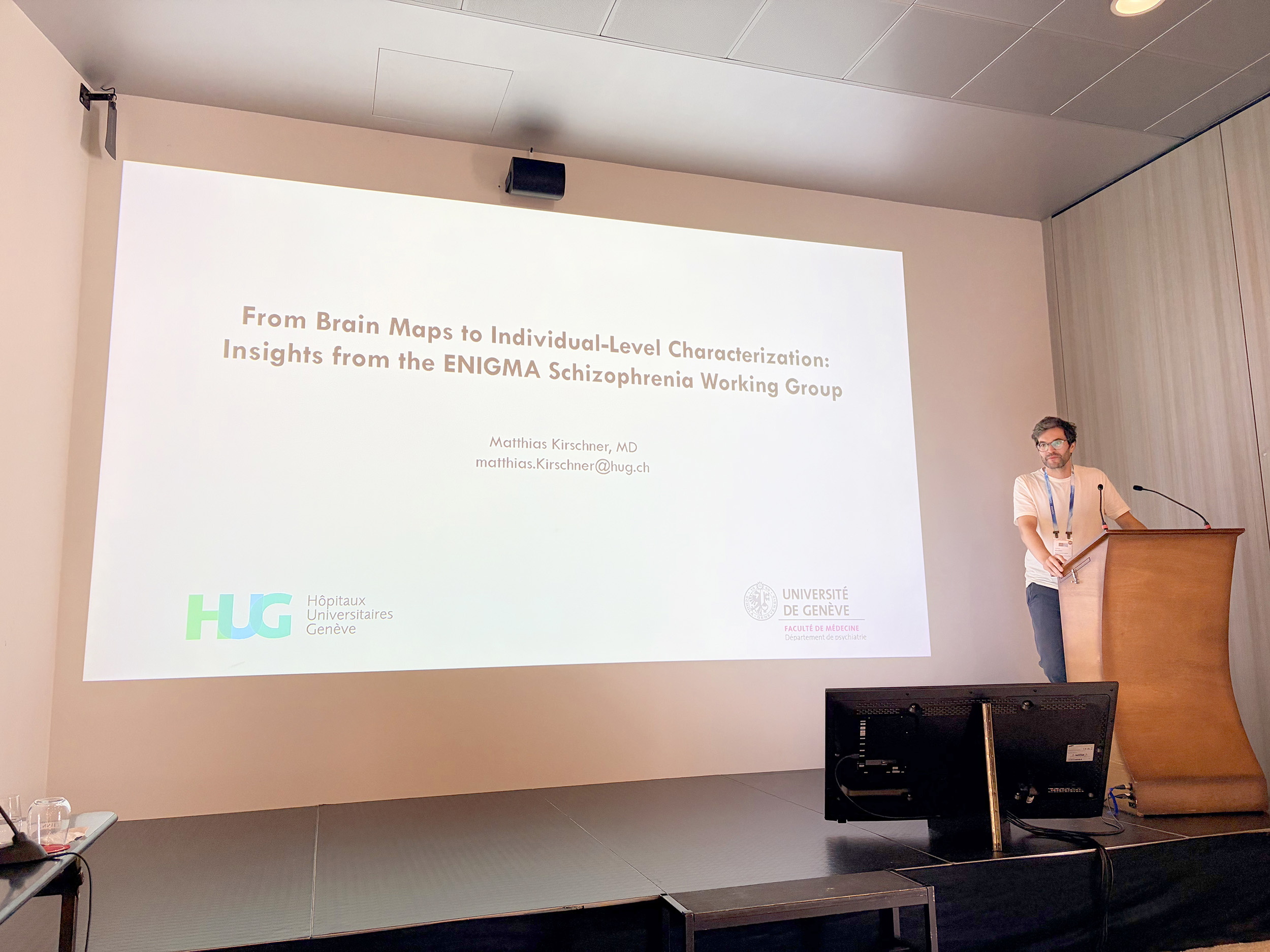
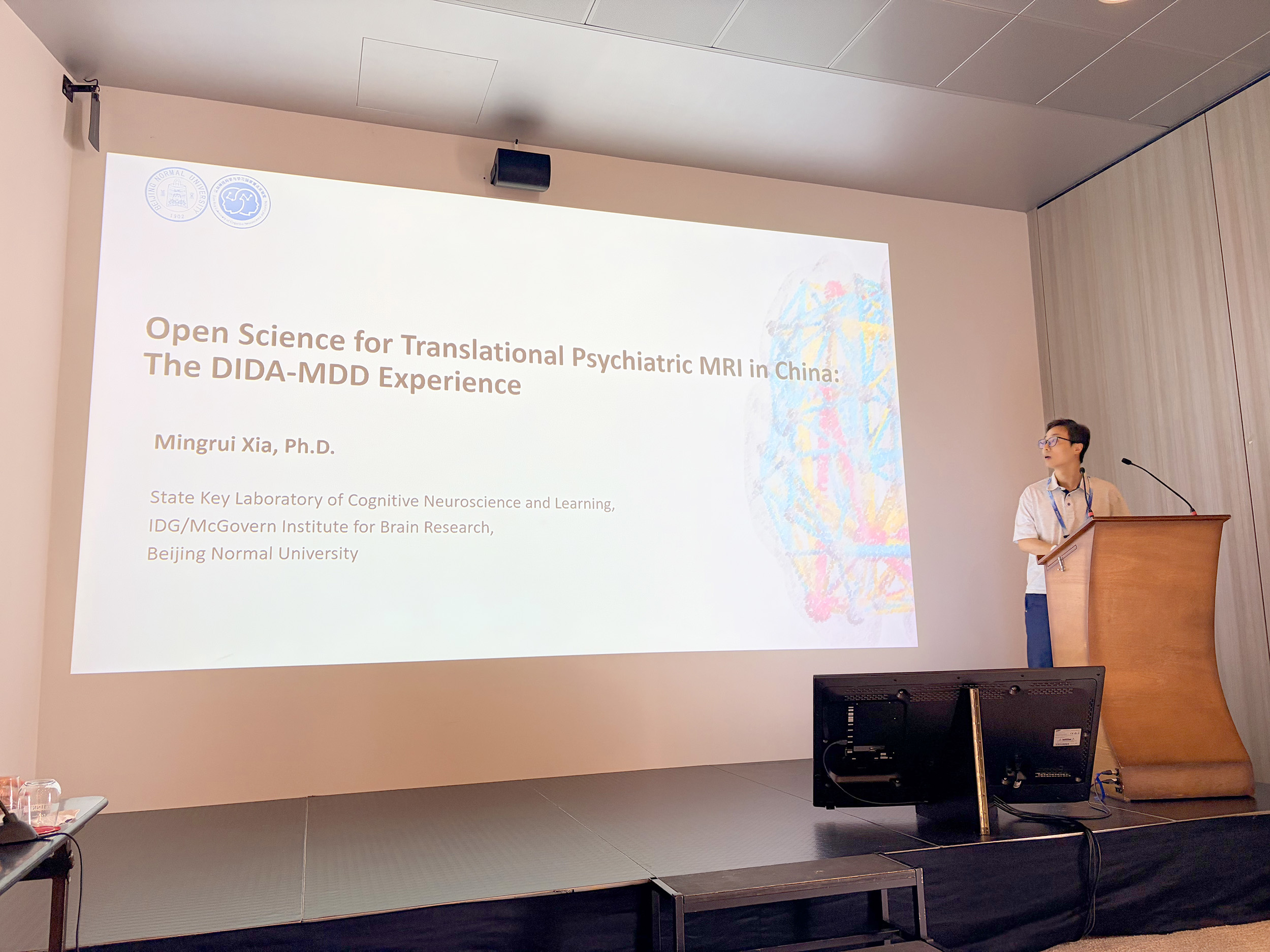
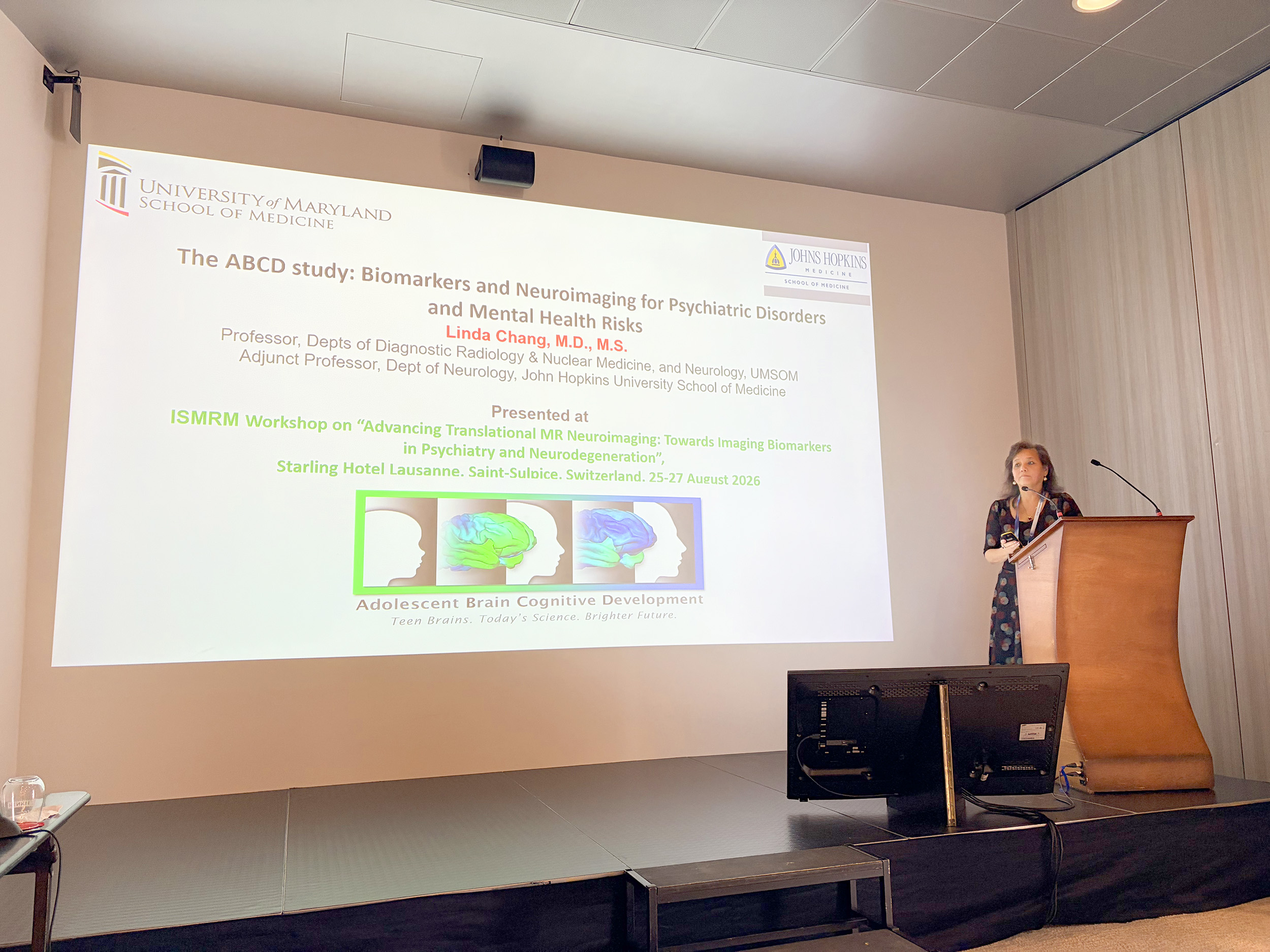
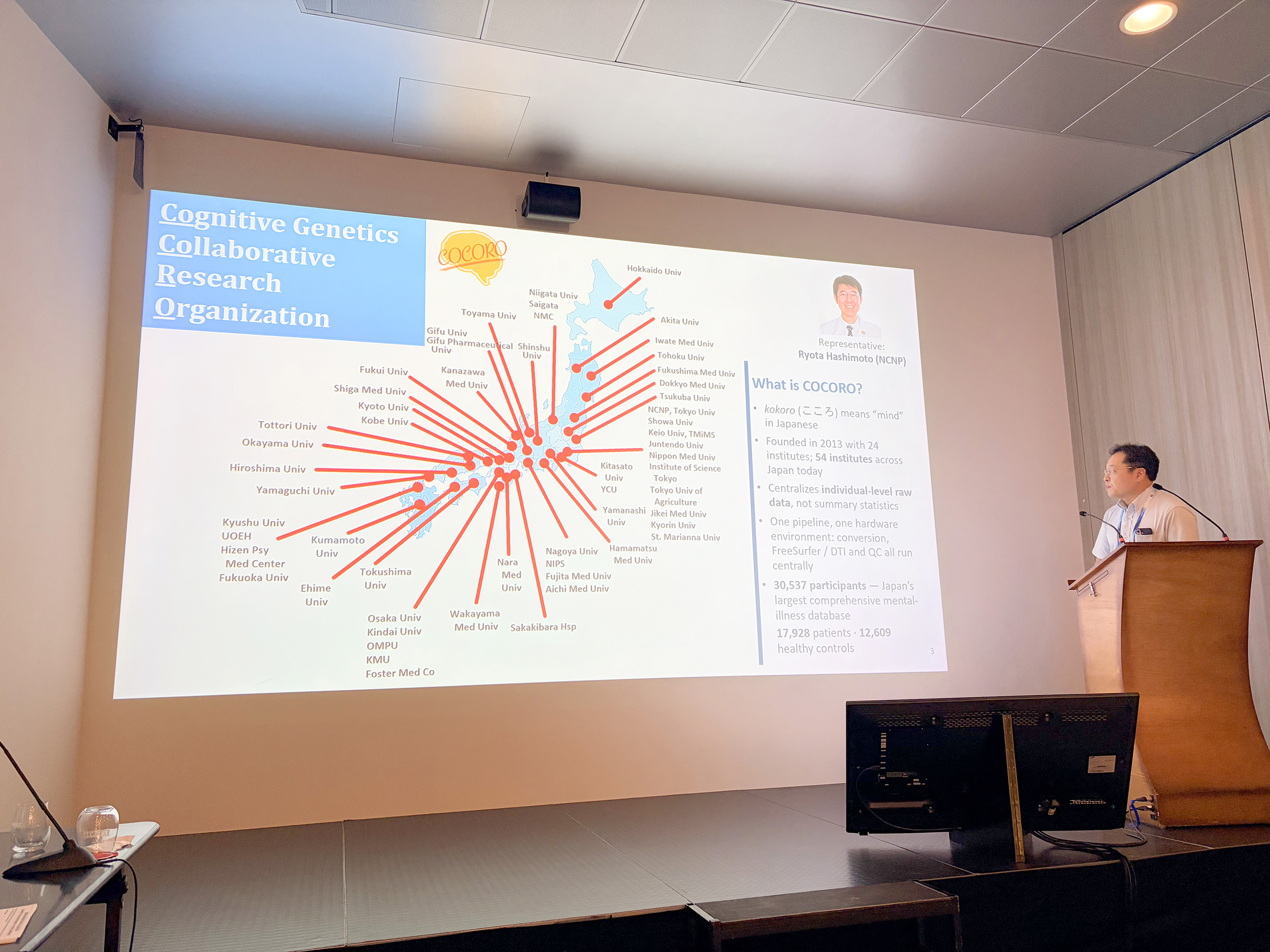
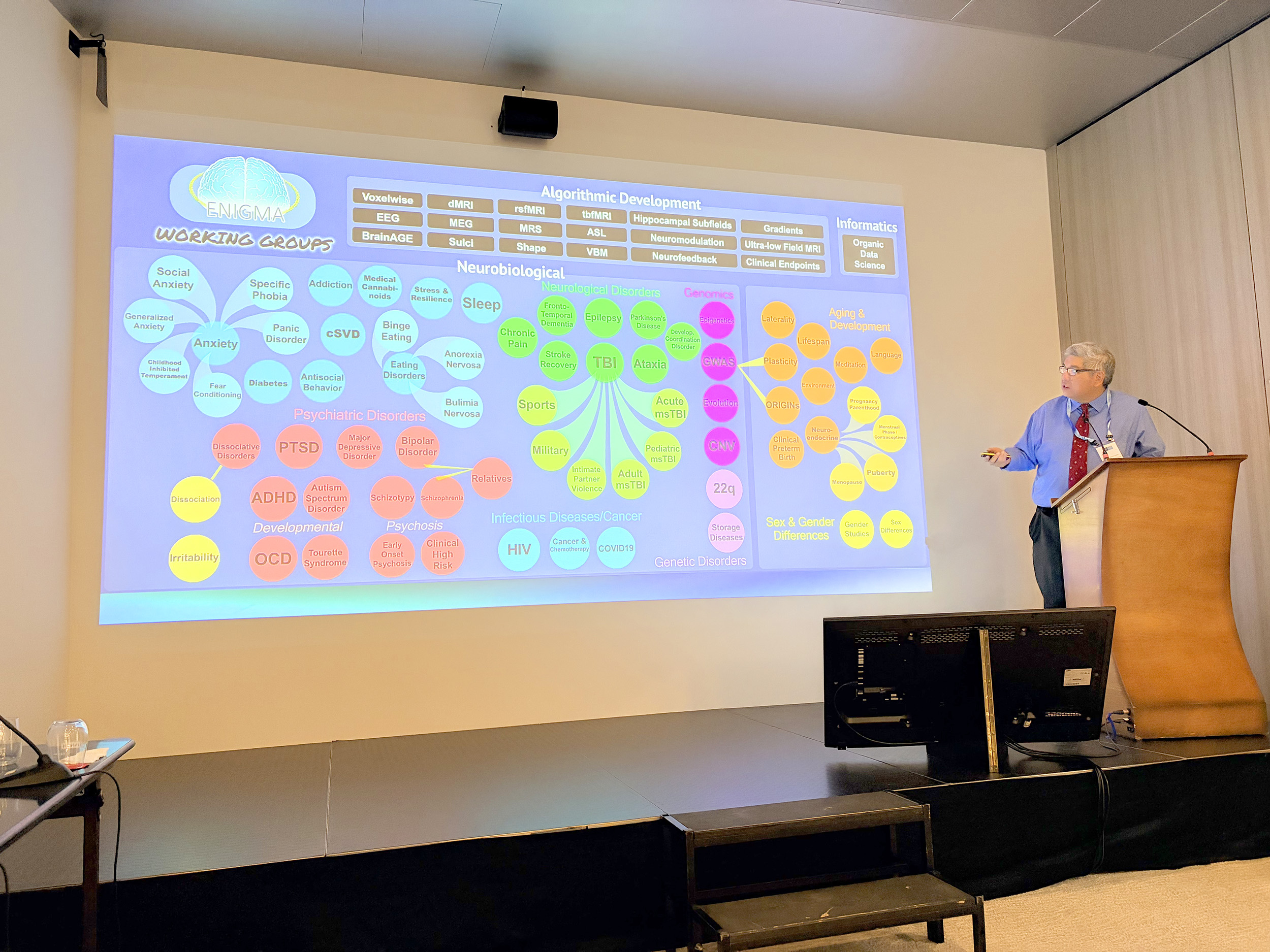
Another major highlight was open science and global collaboration. Large-scale initiatives including ENIGMA, DIDA-MDD, the ABCD Study, COCORO, ENIGMA-MRS, and BD² demonstrated the power of international datasets and collaborative networks. Discussions on multicenter MRS, data harmonization, normative modeling, and individual-level characterization emphasized what will be required to move from promising research findings toward robust, reproducible, and clinically actionable biomarkers.
Looking Forward
A clear message emerged from the workshop: technological innovation alone is not enough. The next phase requires rigorous validation, harmonized acquisition and analysis, large-scale multicenter collaboration, and stronger integration among MR scientists, clinicians, technologists, and patient communities.
Ultimately, the goal is to develop biomarkers that can support early diagnosis, characterize individual patients, predict treatment response, monitor disease and therapy, and ultimately improve patient outcomes.
The workshop demonstrated both how far the field has advanced and how much can be achieved through a collaborative and purpose-driven community. It provided an inspiring platform for new ideas, partnerships, and future directions in translational MR neuroimaging.
Special thanks go to the workshop co-chairs, the entire organizing committee, all keynote and invited speakers, presenters, session chairs, and participants. We are deeply grateful to the ISMRM staff for their outstanding support throughout the organization of the workshop, and to the CIBM Center for Biomedical Imaging and EPFL for their generous local support and for helping make this meeting in Lausanne possible. We look forward to continuing these discussions and seeing everyone again in Vancouver!
Photo Gallery